
How Firefighting Drones Detect Wildfires Before They Spread

In the majority of major wildfire events the issue isn’t an absence of firefighting resources, it is the inability to identify the fire.
A tiny hotspot that is hidden under the dry foliage, smoldering or dying tree root, or even a spark that is caused by a damaged electrical wiring can go unbearably unnoticed for several hours. If smoke begins to become apparent, firefighters could confronting a greater and potentially dangerous situation.
The increasing threat has led to increased the demand for early wildfire detection methods. Based on the NOAA Wildland Fire Data Portal, early detection of fire plays an important role in the reduction of wildfire damage and in protecting properties and lives. The NOAA’s Next Generation Fire System analyzes the heat signatures of satellite images to determine the emergence of new fire activity as fast as is possible.
This is why firefighting drones are becoming an increasingly important part of modern wildfire prevention strategies. Instead of waiting for smoke signals to be visible emergency teams can make use of drones to pinpoint the potential fire dangers as they remain smaller and easily managed.
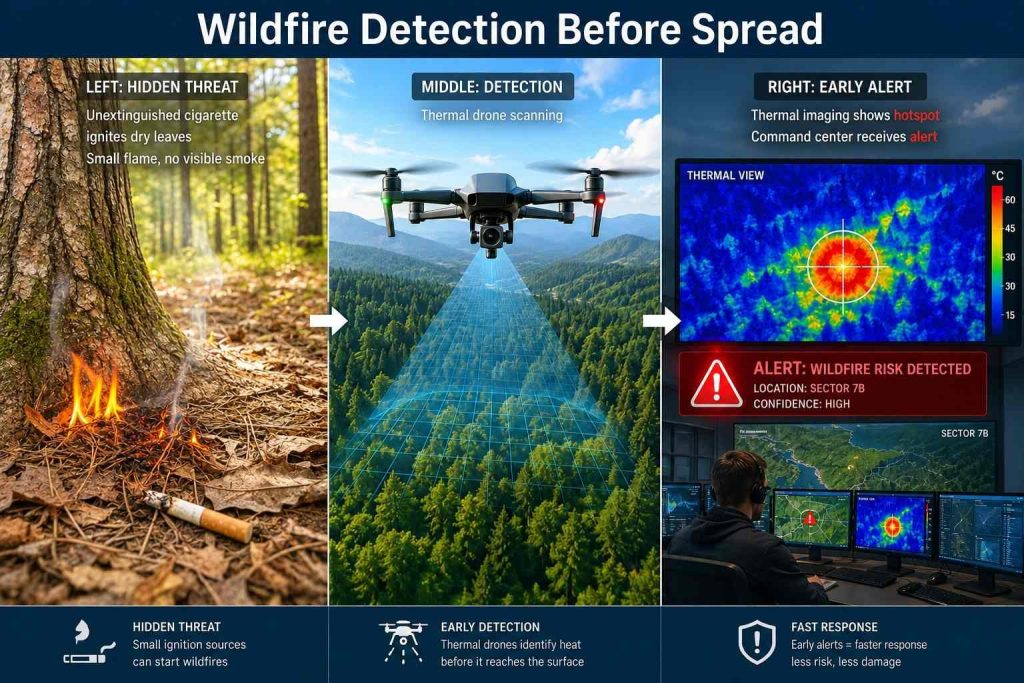
Table of Contents
Limitations of Traditional Monitoring Methods
Traditional methods of monitoring fires, like ground patrols, towers for lookouts and satellite monitoring continue to play a vital part in preventing fire. However, the process of detecting a fire at its beginning is a major challenge, especially in remote and large forest areas.
Limited Coverage in Remote Areas
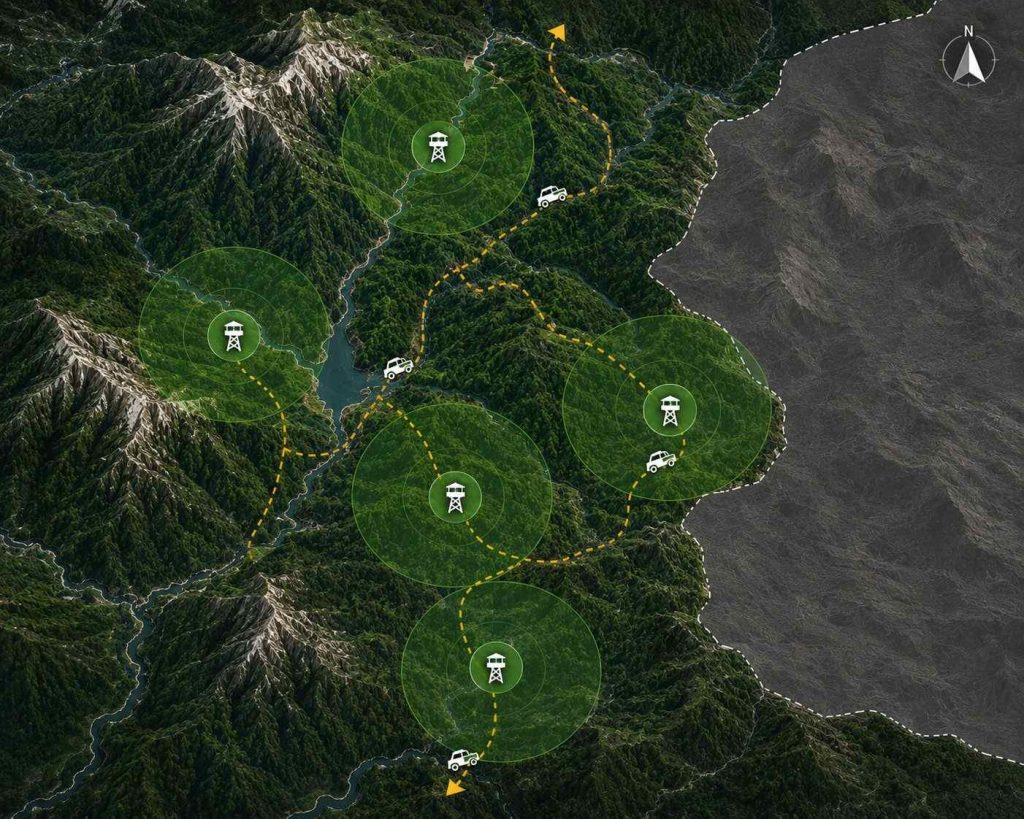
A lot of wildfire ignition points are in areas which are difficult to access. Mountains, dense forests and wilderness areas that are remote are often not subject to regular inspections on site due to the terrain, weather, and the operational cost.
Even the most experienced patrol teams only cover a portion of the areas that may be in danger during the fire season. In the real world, fires are not discovered by hikers, pilots forest workers, people who happen to see smoke erupting within the area.
Delayed Detection of Early-Stage Fires
The majority of traditional monitoring systems use visible indicators like flames or smoke. The issue is that wildfires don’t always start with a dramatic visual indicator.
The fire could rumble in leaves dead wood, a forest or under the ground root systems for a long time before it is visible. The study of early wildfire detection systems has demonstrated that monitoring methods built on watchtowers and long-distance observations can be afflicted by reduced visibility and delayed response time.
Therefore the most difficult task is usually not putting out the fire, but finding that it is there before the flame has an chance to spread.
How Do Firefighting Drones Detect Early-Stage Fires?
In contrast to fixed observation points drones are able to be placed directly over areas at risk of fire and collect data from a variety of angles. This flexibility lets them spot signs of fire which would otherwise be overlooked.
Thermal Imaging Identifies Hidden Heat Sources
One of the most valuable tools used in drone wildfire detection is thermal imaging.
Wildfires are not always started by displaying flames. When forests are dry, the roots of the underground and fallen logs or even organic material that has accumulated over time produce heat long before the appearance of smoke. Thermal cameras monitor temperature changes across the landscape, assisting the operators to identify abnormal hotspots that might indicate a fire danger.
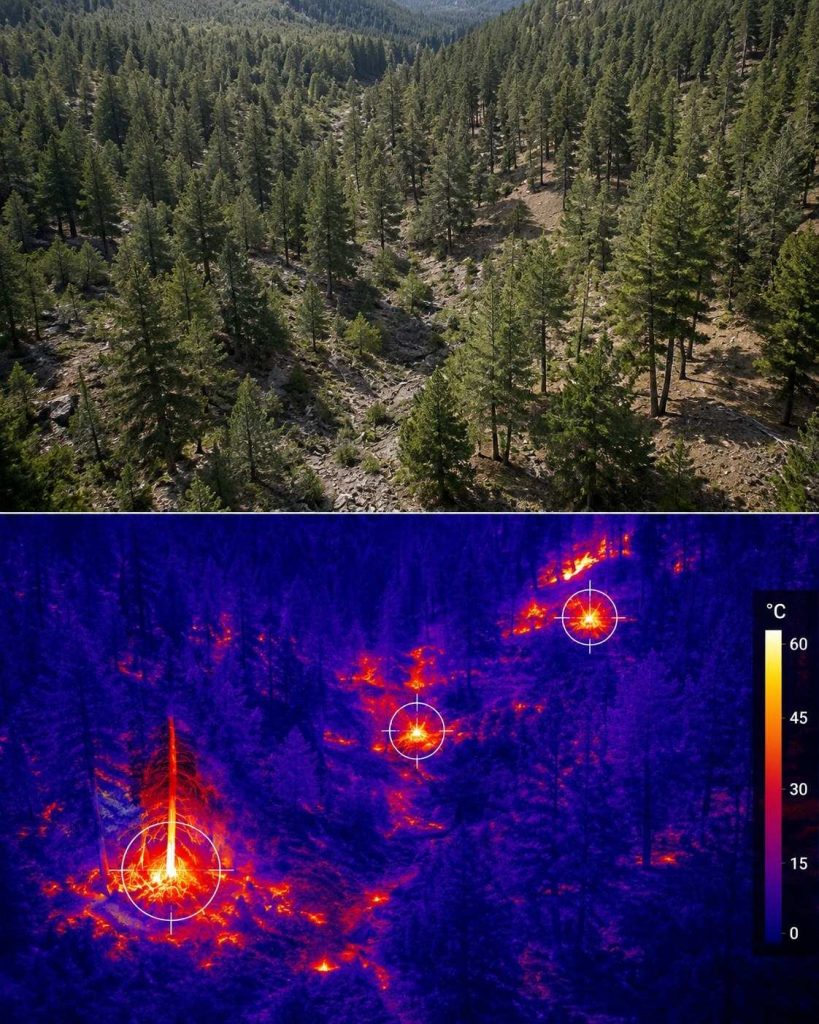
The effectiveness of this technique has been proven for years. In a study on wildfire detection carried out through NASA Langley Research Center, researchers conducted tests on unmanned aircraft with infrared sensors inside the Great Dismal Swamp. The aim was to cut down the amount of time needed to identify newly ignited fires, and to reduce the cost of surveillance by aerial. NASA discovered that infrared sensors can detect hotspots and heat signatures which otherwise would go unnoticed.
Visual Cameras Detect Smoke and Environmental Changes
High-definition cameras add an additional layer of awareness in the event of a situation.
From a vantage point Operators can view large areas of forest, see smoke plumes and evaluate environmental conditions in real-time. This is particularly beneficial in areas of rugged terrain in which visibility from the ground is often limited.
Recent studies on the detection of wildfires have been able to demonstrate that AI-powered smoke recognition systems can analyse smoke patterns in real-time and can perform as close to human-level accuracy in recognizing smoke from wildfires in certain conditions.
Real-Time Data Transmission Speeds Up Response
The ability to detect a fire is useful if it is communicated to decision makers swiftly.
Modern drone wildfire detection systems can transmit live video feeds and thermal imagery directly to command centers. This permits emergency personnel to assess the situation quickly, determine the extent of the threat and coordinate the response in the absence of waiting for field reports.
In wildfires that are fast-moving even a slight reduction in the time to respond can be a significant difference.
Why Early Detection Matters
The majority of wildfires start in small and easy to ignite points. But, in dry conditions and high winds they are able to spread quickly over large areas in an extremely short time.
Reducing Risk Before a Fire Escalates
Early detection of fires allows emergency response personnel more time to analyze the situation and respond before the conditions get worse. Early intervention can reduce the destruction to forests, infrastructure and the surrounding communities, as well as improving the effectiveness of the efforts to manage wildfires.
The emphasis on early warnings is evident in the modern fire monitoring programs. The NOAA’s wildfire monitoring programs were specifically created to spot heat anomalies as soon as is possible, assisting emergency personnel make quicker and more informed decision-making.
Common Applications of Firefighting Drones
While wildfire monitoring remains the most recognized application, firefighting drones are increasingly being deployed in other environments where early fire detection is critical.
Forest and Wilderness Monitoring
Forestry agencies and land management organizations use firefighting drones to patrol forests, national parks as well as remote areas of conservation. Regular aerial inspections can help to identify spots of fire, smoke and other signs of warning before flames are evident from the ground.
Monitoring Power Infrastructure During Fire Season
The electrical infrastructure has been implicated in many wildfires around the globe. In times of extreme drought and heat utility companies typically increase inspection frequency along transmission lines.
Firefighting drones provide a practical way to inspect long transmission corridors quickly, detect overheated equipment, and identify the growth of vegetation, which could increase the risk of wildfire.
Remote Infrastructure Protection
Facilities for oil and gas pipelines, communication towers and other important assets are typically situated far away from urban areas. Regular firefighting drone inspections enable operators to monitor large areas more efficiently and detect fire dangers before they could threaten vital infrastructure.
Conclusion
The greatest value of firefighting drones is not that they replace firefighters. Their greatest role is in helping emergency teams identify a threat when it is small enough for them to handle.
As the length of wildfire seasons gets increasingly unpredictable and longer-lasting, the management of fire shifts from reactive toward proactive management. By combining thermal imaging, aerial surveillance, AI-assisted analysis, and real-time communication, drone wildfire detection systems help identify risks earlier and support faster emergency response and facilitate rapid emergency response.
In preventing wildfires, finding an early fire is equally important as putting it out. it.