
How to Winterize a Cleaning Drone System

A proper winterization procedure for a cleaning drone system entails much more than cleaning the drone and storing it. When it comes to cleaning in an industrial setting, there is a chance that water gets trapped in the pumps, hoses, filters or nozzles. Additionally, wrong storage of batteries could lead to problems in the off-season.
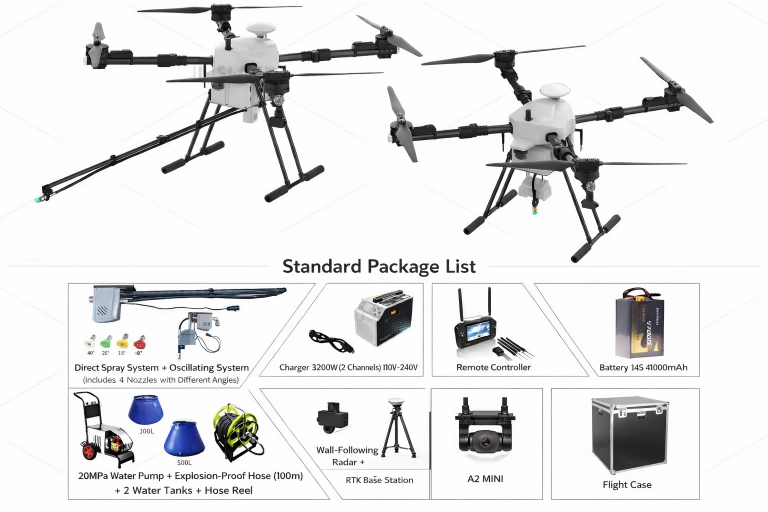
The best opportunity to tackle the aforementioned matters arises right after the completion of the last cleaning project. Handling known problems before storage helps avoid unexpected maintenance when the next cleaning project begins.
Table of Contents
Start With the Last Cleaning Job, Not the Storage Room
The best time to begin winterization is immediately after the final cleaning operation.
A Cleaning Drone system should be assessed as a complete working system rather than as an aircraft alone. These items have had the same period of service time, but they will not show similar signs of wear just because of that fact.
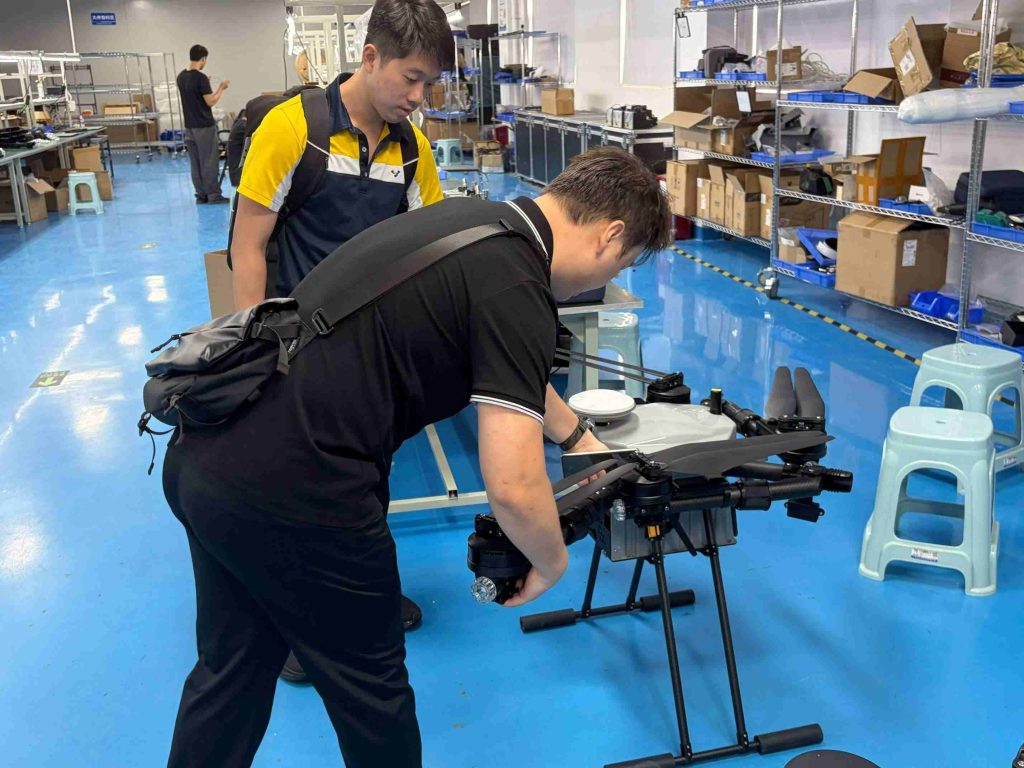
First, check for any changes that happened while the items were in use: leaking hoses, dirty nozzles, pumps that make a different noise, and propellers that have taken a little hit. This will give you a better basis for determining what really needs to be checked and worked on.
Any parts that are already showing abnormal wear should be easy to replace during the off season.
The Water System Deserves More Attention Than the Airframe
For a conventional camera drone, winterization mainly focuses on the aircraft and battery. A Cleaning Drone also requires careful attention to its liquid-delivery system.
Draining the tank is not enough. Water can remain inside pumps, filters, valves, hoses and nozzles, where it may freeze and damage components. Where permitted by the equipment design, flush the system with clean water, run the pump according to the manufacturer’s procedure, and drain it thoroughly. Filters and nozzles should also be cleaned before storage.
Long hoses need a separate inspection for abrasion, stiffness, damaged fittings and repeated stress around connection points. These areas can develop weaknesses even when the hose still appears serviceable.
Professional drone maintenance guidance likewise recommends flushing tanks, lines and pumps and checking hoses before long-term storage.
Does the system need antifreeze?
That depends on the equipment and the storage environment.
If the complete system will remain above freezing in a controlled facility, thorough drainage and drying may be sufficient. If components containing residual liquid could be exposed to freezing temperatures, the manufacturer’s approved winterization procedure should determine whether an appropriate freeze-protection fluid is required.
This distinction matters because not every antifreeze is suitable for a cleaning system. Pump materials, seals, hoses and the intended cleaning medium all need to be considered. Some drone systems specifically use RV antifreeze for freeze protection, but that should not be interpreted as a universal instruction for every Cleaning Drone.
Do Not Treat Battery Storage as an Afterthought
Battery maintenance is another area where end-of-season preparation can prevent problems months later.
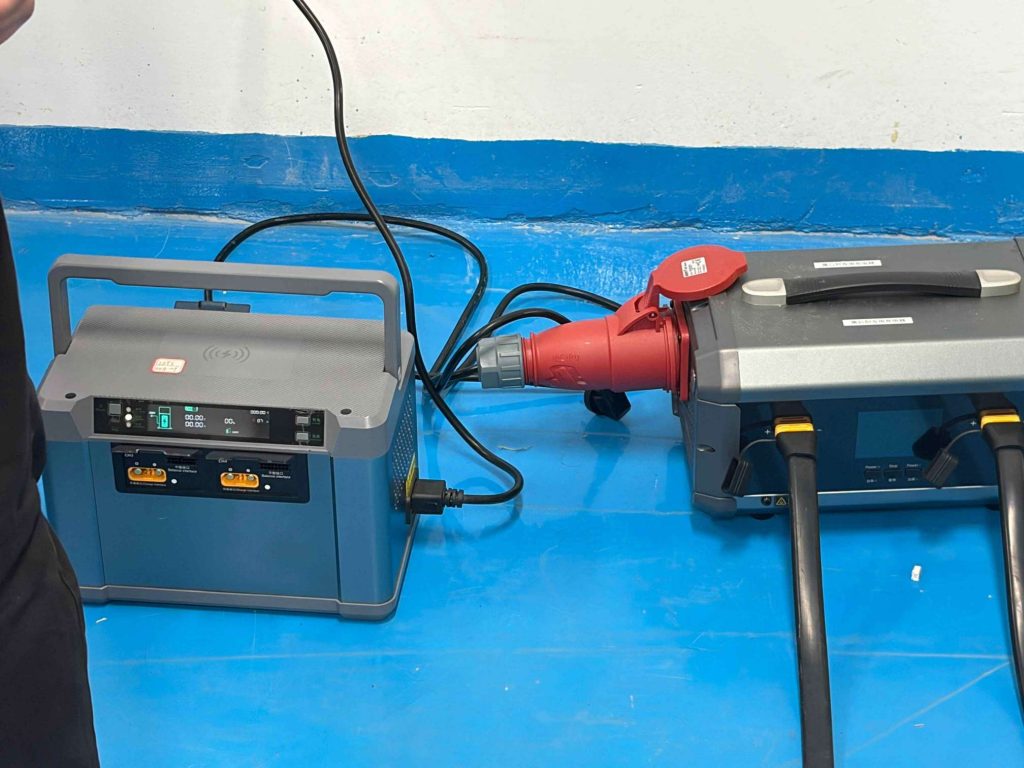
Inspect the battery before storage rather than assuming it is healthy because it completed the previous mission. Swelling, physical damage, leakage or abnormal charging behavior are reasons to remove a battery from service according to the manufacturer’s procedures.
For serviceable batteries, follow the specified long-term storage charge and temperature range for the battery model. Different battery systems have different requirements, so a single storage percentage or temperature should not be presented as a universal rule.
The battery should also be stored separately from the aircraft when the manufacturer’s instructions call for it, in a dry and appropriately controlled environment. NDSU’s winterization guidance similarly recommends checking batteries for damage and storing them under controlled conditions rather than leaving them exposed to extreme temperatures.
Clean the Aircraft Without Introducing New Problems
Cleaning should be performed prior to the long-term storage of the plane; however, cleaning does not imply the soaking of all components in water.
Dust, dirt, and residues of cleaning products may settle on the motors, frame, sensors, and connectors through repeated industrial use. Remove these deposits using the cleaning method specified for the particular aircraft.
Pay particular attention to sensor surfaces. A sensor that was only slightly contaminated during the final job can become much harder to inspect after months in storage.
The same concept holds true for electrical connectors: wipe off the visible moisture or debris, let the equipment dry properly, and don’t encase wet equipment in a case.
For instance, some guidelines on drone maintenance state that pressure washing should not be done since moisture might penetrate into sensitive parts of the drone.
Use the Off-Season to Close the Maintenance Loop
Checking the equipment maintenance logs and fixing any ongoing problems should also be included in the winterizing process. Frequent replacement of nozzles, leakage in hoses or an unusual pump pressure could signal some problem with either part or procedure involved.
Check firmware for both the aircraft and controller before storage. Completing updates during the off-season avoids unnecessary preparation before the next cleaning project, a practice also recommended in NDSU’s drone winterization guidance.
Spare parts should be reviewed at the same time. Keeping commonly used nozzles, hose fittings and other wear parts available can prevent a minor component failure from delaying the next operation.
Storage Conditions Matter
A controlled storage environment is preferable to leaving the complete system in an unheated area where temperatures and humidity fluctuate significantly.
The goal is not to create a special storage room for every component. It is to prevent unnecessary exposure to freezing temperatures, condensation, excessive heat and moisture.
Batteries and sensitive electronic equipment deserve particular attention. Hoses, pumps and other components should also be stored in a condition appropriate to the manufacturer’s requirements.
Temperature changes are especially relevant when equipment moves between cold outdoor conditions and warm indoor environments. Allowing the system to dry and stabilize before sealing it into storage reduces the chance of trapping moisture inside the equipment.
The First Spring Test Should Be More Than a Power-On
A Cleaning Drone should not go directly from winter storage to a production cleaning job.
Before the first project, reconnect the system and perform a controlled test. Confirm that the aircraft starts normally, the controller communicates correctly and the positioning and sensing functions operate as expected. More importantly for a cleaning system, run the water-delivery system and observe the pump, pressure, flow, hose connections and nozzles.
A short controlled test can reveal a blocked nozzle, leaking connection or abnormal pump behavior before the equipment is several stories above the ground or already committed to a customer’s project.
That final test effectively closes the winterization cycle:
the equipment was inspected before storage, maintained during storage, and verified before returning to service.
Winterization Is Part of Cleaning Drone Maintenance
For industrial operators, winterization should not be treated as a separate seasonal task. It is one stage in a broader cleaning drone maintenance program.
The aircraft is only one part of the system. Long-term reliability also depends on the condition of the battery, pump, hose, filters, nozzles, sensors and control equipment. When these components are inspected and maintained together, the operator gains a clearer picture of the system’s actual condition and can address small problems before they become operational delays.
The objective of winterization is therefore not simply to protect a cleaning drone from cold weather. It is to make sure that when the next cleaning project begins, the equipment already has a known maintenance status and does not require troubleshooting at the last minute.