Drones Streamline Mountain Power Grid Construction
Project Overview
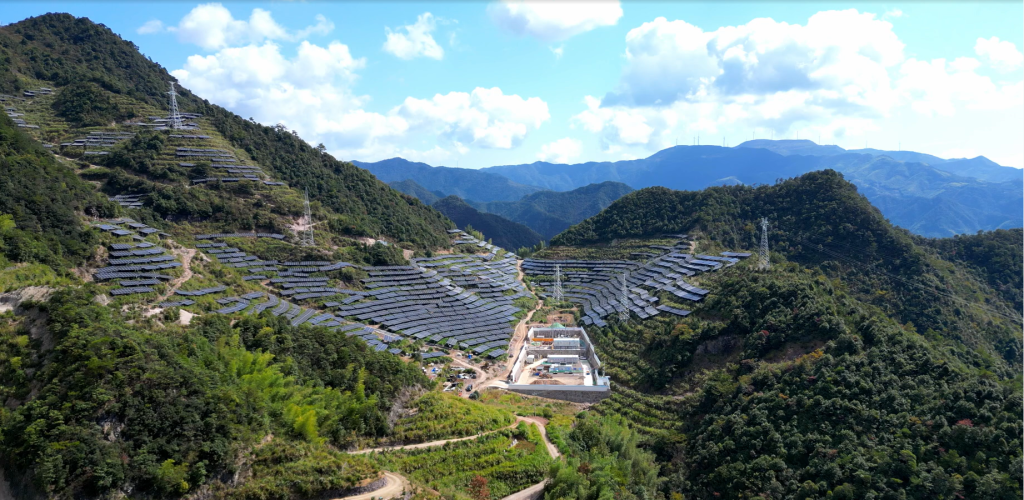
Mountain power grid construction often involves difficult terrain, limited road access, and dispersed construction sites.
During a power grid construction project in Jinhua, Zhejiang, the project team introduced UAV-based solutions to improve the efficiency of construction operations across mountainous areas.
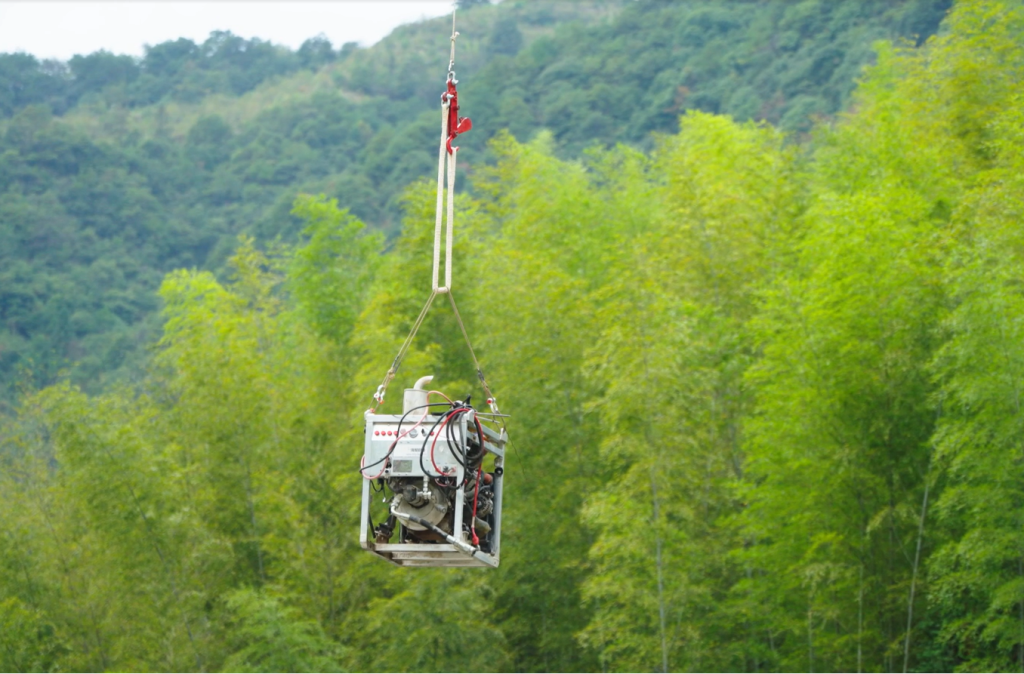
Drones were used to establish rapid aerial transportation routes for delivering steel materials, equipment, and other essential supplies directly to designated construction locations.
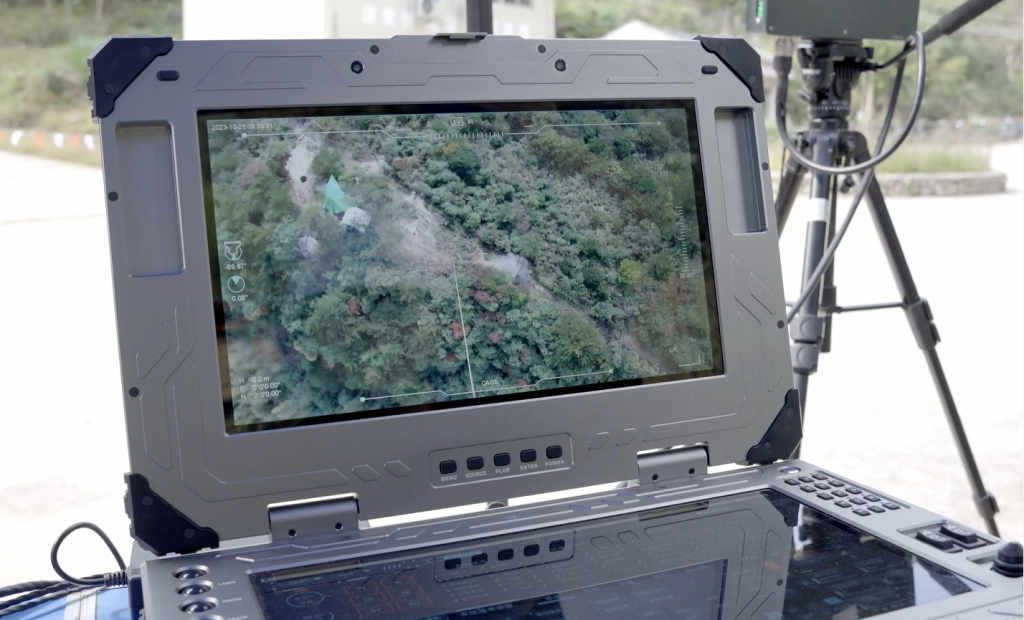
Beyond transportation, the UAV system supported multiple stages of the project, including surveying, material delivery, construction support, inspection, and emergency response.
This created an integrated aerial support model covering the entire power grid construction workflow.
By reducing dependence on difficult mountain transportation routes and enabling more direct connections between work sites, the solution helped improve the efficiency, safety, and sustainability of power grid construction in mountainous terrain.
The Challenge
Complex Mountainous Terrain
The project was carried out in a mountainous area of Jinhua, Zhejiang, where terrain conditions created challenges for conventional power grid construction.
Difficult Material Transportation
Power grid construction requires the continuous transportation of steel, equipment, and other materials to multiple construction locations. Mountain roads and difficult terrain can make this process inefficient.
Dispersed Construction Sites
Power grid infrastructure projects typically involve multiple towers, lines, and construction points distributed across a large area. Connecting these locations efficiently is a major logistical challenge.
Limited Ground Transportation
Conventional vehicles depend on accessible roads. In mountainous areas, road conditions can restrict the movement of heavy materials and equipment.
Multiple Operational Requirements
Power grid construction involves more than material transportation. Surveying, construction support, inspection, and emergency response all require reliable access to remote infrastructure.
The UAV-Based Solution
The project established an integrated UAV application model covering multiple stages of power grid construction.
The overall workflow included:
Surveying
↓
Aerial Material Transportation
↓
Construction Support
↓
Infrastructure Inspection
↓
Emergency Response
This approach transformed the UAV from a single-purpose transportation tool into a multi-functional aerial support platform.
Drones provided rapid point-to-point transportation while also supporting aerial observation and inspection across a wider project area.
How the UAV System Supports the Project
1. Aerial Surveying
Drones collect aerial information during the early stages of construction. This provides project teams with an aerial view of mountainous terrain and construction areas, supporting site planning and project preparation.
2. Point-to-Point Material Delivery
Steel materials and equipment are transported through the air to designated locations. This reduces the need to rely exclusively on mountain roads and conventional ground transportation.
3. Construction Support
Drones provide aerial logistics support during construction, helping maintain the continuous delivery of essential materials to remote work sites.
4. Infrastructure Inspection
After construction, drones can be deployed to inspect power grid infrastructure from the air. Aerial inspection provides a more flexible way to monitor dispersed infrastructure across mountainous terrain.
5. Emergency Response
UAVs can also provide rapid aerial support when unexpected incidents or urgent transportation requirements occur. This extends the value of the UAV system beyond routine construction operations.
Key Technologies
Aerial Transportation
UAVs provide direct transportation routes between material staging areas and remote construction locations.
Aerial Surveying
Drone-based surveying provides an aerial perspective for terrain assessment and construction planning.
High-Flexibility Operations
UAVs can access areas where conventional vehicles may face limitations due to terrain or road conditions.
Aerial Inspection
Drones provide an efficient way to inspect widely distributed power grid infrastructure.
Emergency Aerial Support
The UAV platform can be rapidly deployed to provide transportation, observation, or other support during emergency situations.
Project Value
Faster Mountain Transportation
Aerial delivery provides a direct transportation option for steel and equipment, reducing dependence on winding mountain roads.
Better Connectivity Between Work Sites
Point-to-point aerial transportation creates direct connections between material staging areas and remote construction locations.
Wider Project Coverage
Beyond individual transportation routes, drones can provide aerial observation and inspection across a broader area.
Improved Construction Efficiency
Integrating surveying, transportation, construction support, and inspection into a single UAV-based workflow improves coordination across different project stages.
Improved Operational Safety
Reducing unnecessary ground transportation through difficult terrain can help lower exposure to certain transportation and field-work risks.
More Sustainable Construction
Aerial transportation can reduce the need for additional ground access infrastructure in environmentally sensitive or difficult-to-access mountainous areas.