How the VA-W500 Maintained Safe and Reliable Operations in Challenging Weather
Project Overview
Long-distance UAV transportation can become challenging when operations are affected by rain, fog, changing weather conditions, and reduced visibility.
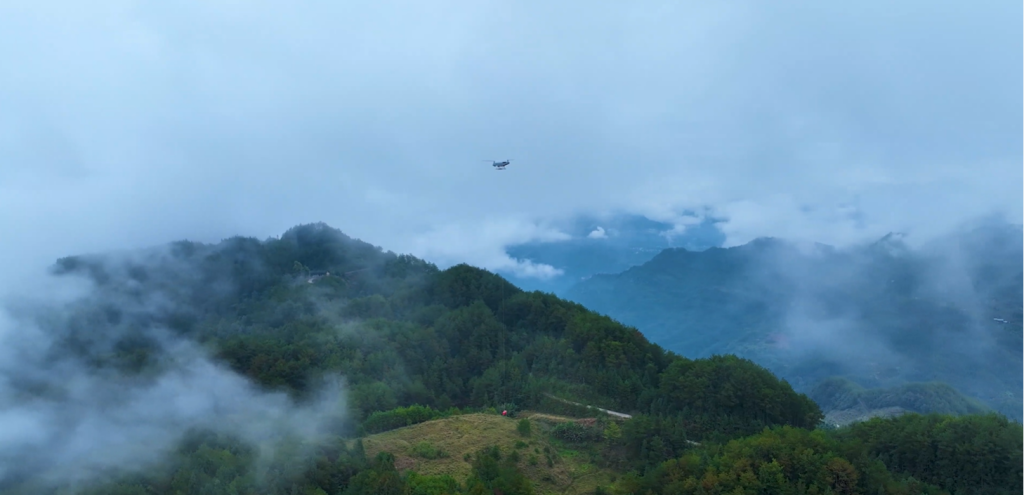
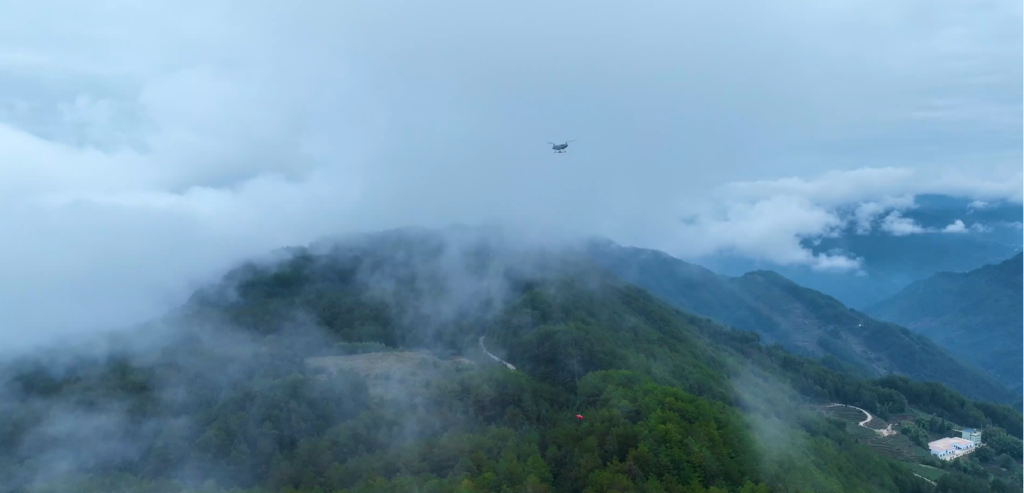
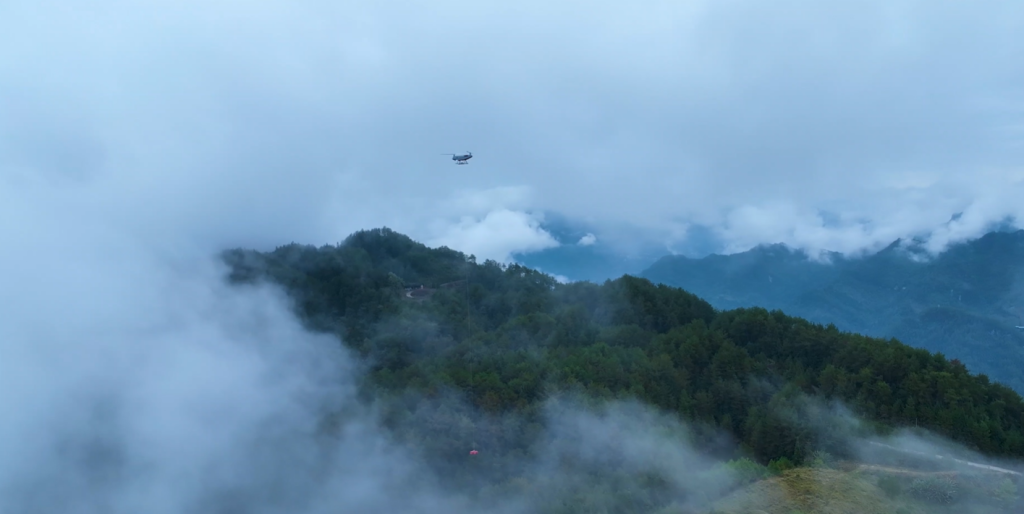
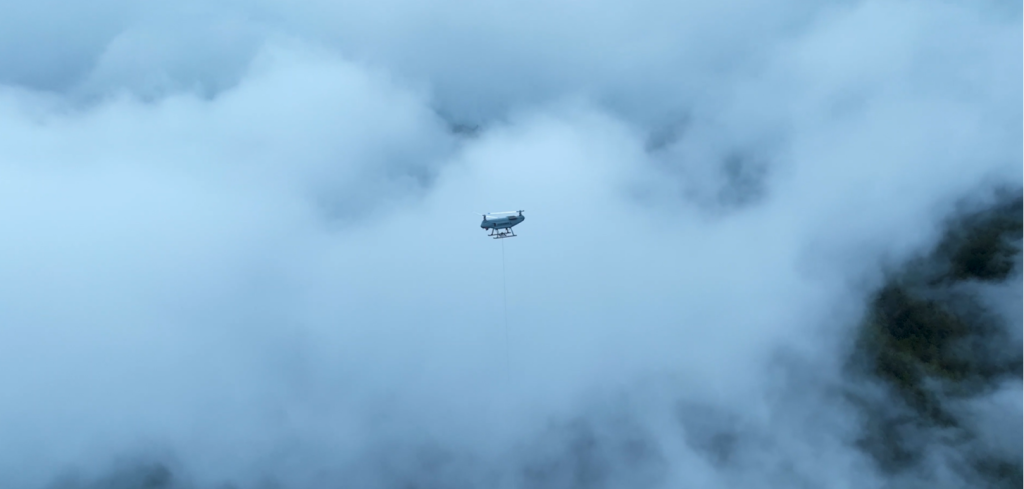
During operations in a complex environment, the VA-W500 demonstrated its ability to maintain reliable flight performance under changing weather conditions.
Through a combination of redundant system design, accurate weather information, route planning, and comprehensive risk assessment, the VA-W500 was able to support long-distance transportation missions in rain and fog.
Rather than relying on a single technology to address adverse weather conditions, the operational approach combined aircraft redundancy, weather monitoring, and pre-flight risk assessment to improve overall operational safety.
The VA-W500 successfully completed repeated long-distance transportation missions in challenging weather, demonstrating its adaptability to complex operating environments.
The Challenge
Unpredictable Weather Conditions
Rain and fog can change rapidly during UAV operations. Sudden weather changes can affect flight conditions and increase operational complexity.
Reduced Visibility
Fog can significantly reduce visibility, making route planning and operational monitoring more challenging.
Long-Distance Transportation
Long-distance transportation missions require consistent aircraft performance throughout the entire flight. Weather conditions may become more difficult as the UAV moves across different areas.
Geographic Limitations
Mountainous and remote areas can create additional challenges for UAV transportation. Difficult terrain and changing weather can limit the effectiveness of conventional transportation methods.
Operational Safety
Adverse weather requires careful evaluation before and during each mission. A reliable operation therefore depends not only on aircraft performance but also on weather information and systematic risk assessment.
The VA-W500 Solution
The VA-W500 was deployed for long-distance transportation missions in rain and fog.
The operational strategy combined several layers of protection:
Weather Monitoring
↓
Risk Assessment
↓
Route Planning
↓
Redundant System Design
↓
UAV Operation
↓
Continuous Monitoring
↓
Safe Payload Delivery
This multi-layered approach helped the operating team respond to changing weather conditions while maintaining reliable transportation operations.
How the Operation Works
1. Monitor Weather Conditions
Accurate weather information is collected before and during the operation. This helps the team understand rainfall, visibility, and other environmental conditions along the planned route.
2. Conduct Risk Assessment
The operating team evaluates weather conditions, flight routes, terrain, and mission requirements before deployment. This allows potential operational risks to be identified in advance.
3. Plan the Flight Route
The transportation route is planned according to the mission requirements and prevailing environmental conditions. Where necessary, the route can be adjusted according to changing weather conditions.
4. Operate with Redundant Systems
The VA-W500 incorporates redundant design features to improve system reliability during demanding operations. This provides additional operational resilience when flying in complex environments.
5. Conduct Long-Distance Transportation
The VA-W500 performs the transportation mission while operating in rain and fog. The combination of aircraft capabilities and operational planning helps maintain controlled and reliable flight operations.
6. Complete Repeated Missions
The VA-W500 successfully performed repeated long-distance transportation missions under challenging weather conditions. This demonstrated its ability to support continued operations beyond a single test flight.
Key Technologies
Redundant System Design
Redundancy provides additional system resilience and helps improve operational reliability during complex missions.
Weather Information Services
Accurate weather information supports better mission planning and helps operators make informed decisions before and during flights.
Comprehensive Risk Assessment
Systematic evaluation of weather, terrain, route conditions, and mission requirements helps identify and mitigate potential operational risks.
Long-Distance Flight Capability
The VA-W500 supports long-distance transportation missions, making it suitable for logistics operations across remote or geographically challenging areas.
Environmental Adaptability
The combination of aircraft design, weather monitoring, and operational procedures enables the VA-W500 to adapt to changing environmental conditions.
Operational Results
Reliable Performance in Rain and Fog
The VA-W500 maintained reliable operational performance while conducting transportation missions in rain and fog.
Repeated Long-Distance Operations
The aircraft successfully completed multiple long-distance transportation missions under challenging weather conditions.
Improved Response Speed
By maintaining the ability to operate in complex weather conditions, the UAV helped reduce the limitations that adverse weather can place on transportation response.
Reduced Geographic Constraints
Aerial transportation provides an alternative to conventional ground logistics in remote or difficult-to-access areas.
Improved Operational Reliability
The combination of redundant design, weather information, and risk assessment helped establish a more reliable operating process for complex weather conditions.