How to Inspect Power Lines with Drones?

Power line inspection is a critical task to ensure the safe and stable operation of the power grid. Traditional inspection methods mainly rely on manual tower climbing, on-foot line patrols, or helicopter inspections, which are not only inefficient and costly but also involve significant safety risks.
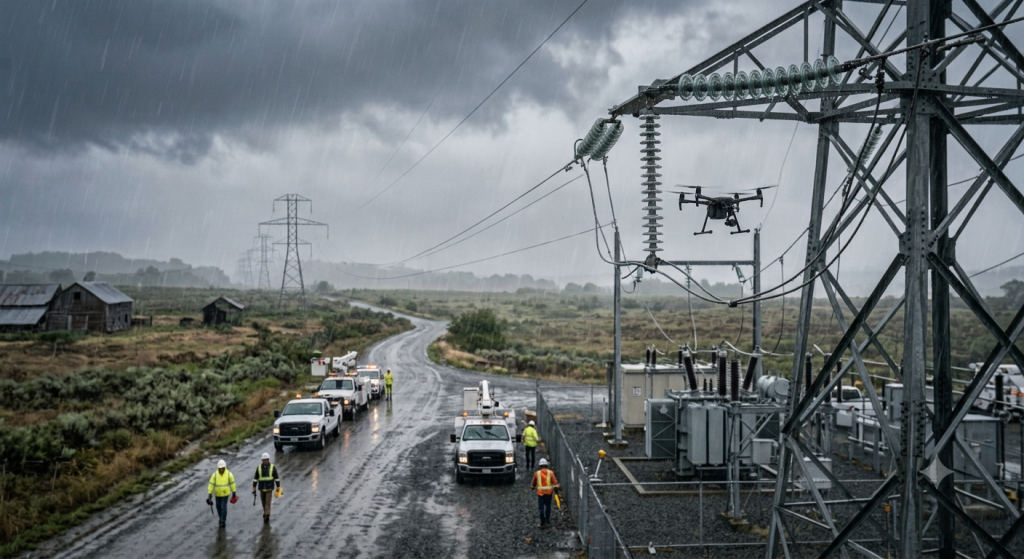
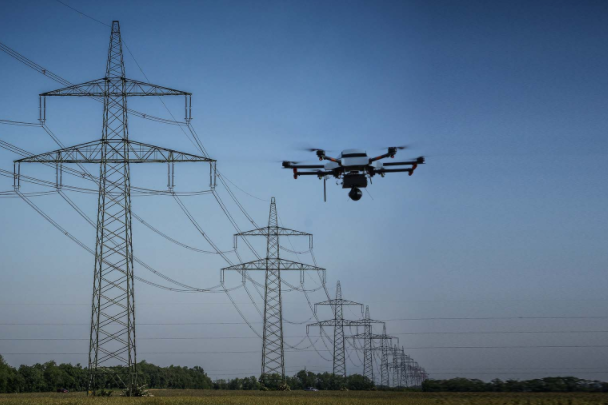
With the maturity of drone technology, using drones to inspect power lines has become a major trend in the global power industry. Drones can quickly and accurately collect data on the operating conditions of power lines, significantly improving inspection efficiency while enhancing safety. As a result, more and more power companies are focusing on how to inspect power lines with drones and are incorporating drone-based inspections into their standard operation and maintenance systems.
Part 1. What is Drone-Based Power Line Inspection?
Drone power line inspection is all about the application of small unmanned aerial vehicles (UAVs) equipped with professional sensors for aerial inspections and data collection for power infrastructure; these sensors could include high-resolution visible-light cameras, infrared thermal imagers, and LiDAR systems. Their functions include the examination of transmission lines, towers, insulators, conductors, and ancillary components from a safe distance.
From the standpoint of utilities infrastructure service companies, drones achieve another critical goal with the provision of required visual, thermal, and spatial data recording necessary to pinpoint among varied causes, such as physical damage, component aging, overheating, foreign object interference, encroachment by vegetation, and line sag. This collected data can then be further analyzed, archived, and compared through time to assess prospects for preventive maintenance and risk assessment.
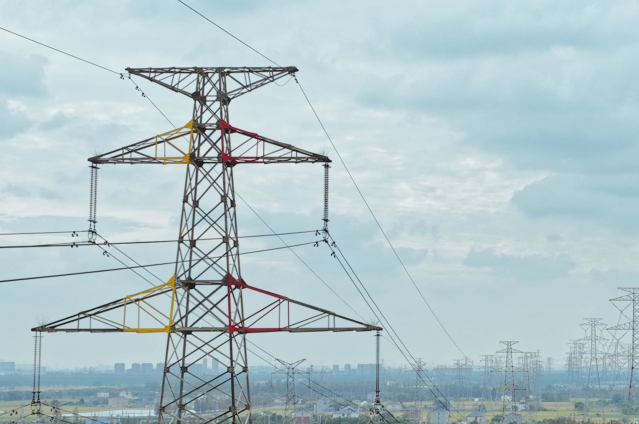
Common application scenarios include:
- Transmission line inspection (high-voltage and ultra-high-voltage lines)
- Routine inspection of distribution networks
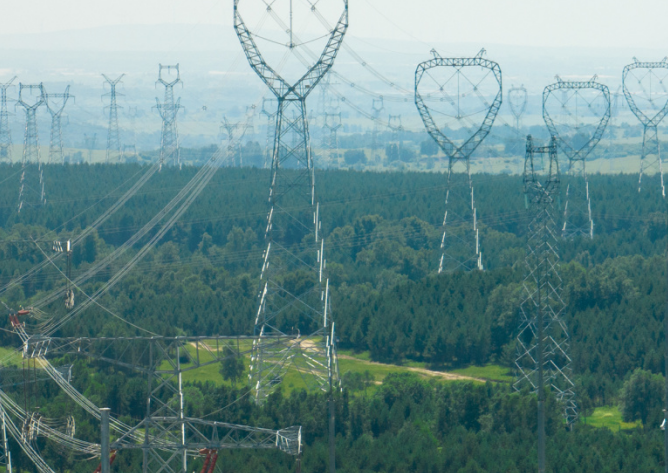
- Line inspection in complex terrains such as mountains, deserts, and forests
- Rapid assessment after natural disasters or during emergency situations
Compared to the traditional manual inspection methods, the inspection of power lines using drones is advantageous as there is no direct contact involved with energized equipment, hence reducing the risks of operations to a large extent. Moreover, drones come with increased flexibility and coverage, and they exhibit higher efficiency, altogether making them an increasingly important tool toward the achievement of today’s modern data-driven power grid operation and maintenance.
Part 2. Essential Benefits of Drone Use in Power Line Inspection
In terms of upgrading the process of inspecting power lines, drones are more beneficial than other options. When it comes to improving safety, increasing productivity, or offering accurate information, these are some of the key principles under which more and more organizations are opting for drones to help with their inspection processes. The following sections will examine these principles in greater detail.
Higher Efficiency during Inspection Process
With high-speed flight capabilities and auto-routed flight paths, drones can patrol several kilometers, and even dozens of kilometers, of power lines in a short period of time. This is why drones are particularly well-suited for use in long-distance transmission lines and extensive electricity networks where traditional methods are both time and labor-consuming.
Decreased Total Cost of Operation and Maintenance
When compared to helicopter inspection or traditional manual inspections, less labor, shorter operating time, and lower equipment and fuel costs are associated with drone inspections. In the long run, these result in considerable savings in operation and maintenance costs with consistent inspection quality.
High-Precision Inspection Data Collection
With high-resolution visual cameras and infrared thermal sensors, drones can capture detailed and reliable inspection data. This enables accurate detection of common power line issues, including:
- Damaged or cracked insulators
- Conductor wear and surface defects
- Overheating at joints and connectors
- Foreign object attachments and external interference
These precise data capabilities support early fault detection, preventive maintenance, and more informed decision-making, helping utilities improve the reliability and stability of their power grids.
Part 3. How to Inspect Power Lines with Drones?
Step 1. Pre-Inspection Planning and Preparation
Before carrying out a drone-based power line inspection, thorough planning is essential to ensure both safety and data quality. Key considerations include:
Line characteristics: Determine the length of the line, voltage level, and critical inspection points. This helps in selecting the appropriate drone type and sensors.
Terrain and environmental conditions: Understand the topography, vegetation, obstacles, and local weather patterns, as these can affect flight routes and safety measures.
Flight path planning: Design precise flight routes and set appropriate altitudes to maintain safe distances from energized equipment while ensuring full coverage of the inspection area.
Regulatory compliance: Obtain any required airspace approvals, flight permits, and ensure adherence to local aviation laws.
Proper pre-inspection planning forms the foundation for a safe, efficient, and data-rich inspection mission.
Step 2. Selecting the Appropriate Drone for Power Line Inspection
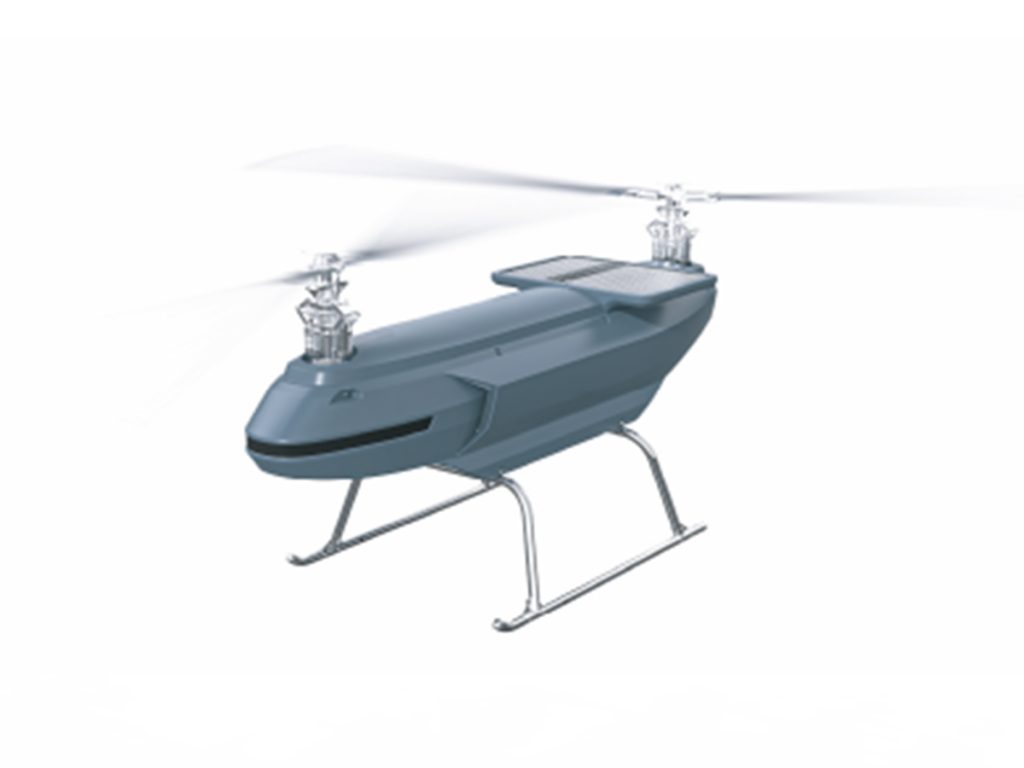
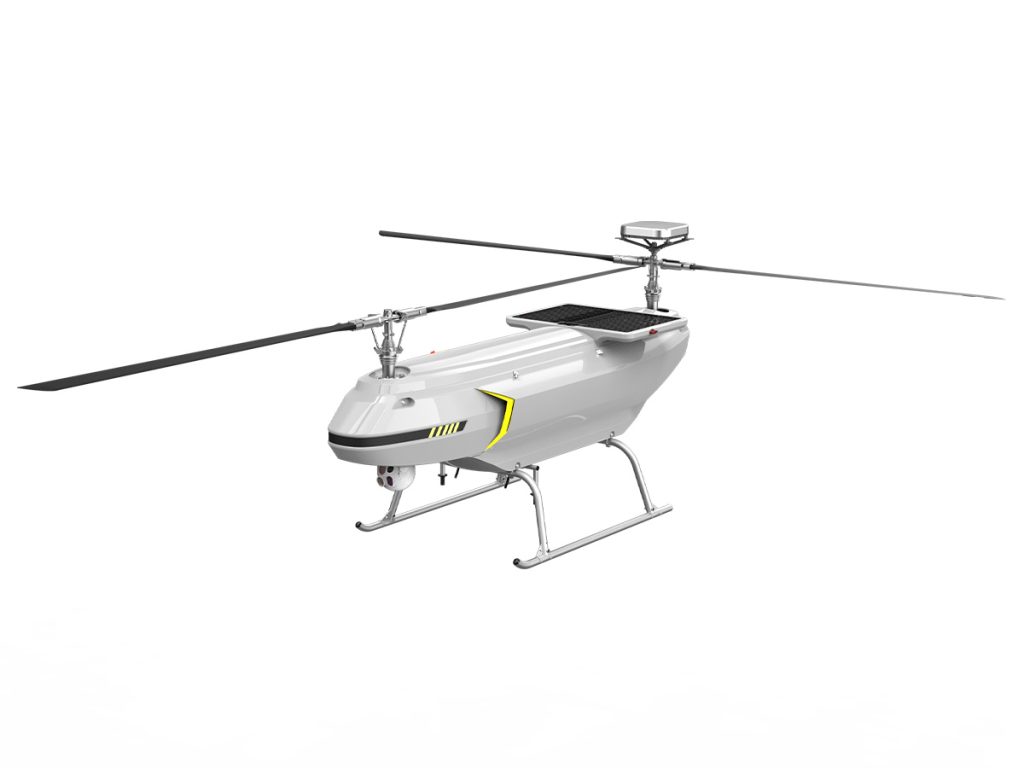
Choosing the right drone depends on the inspection requirements, the operational environment, and the type of data to be collected. While multirotor, fixed-wing, and VTOL drones are commonly used, there are additional options and hybrid designs that can further enhance inspection capabilities.
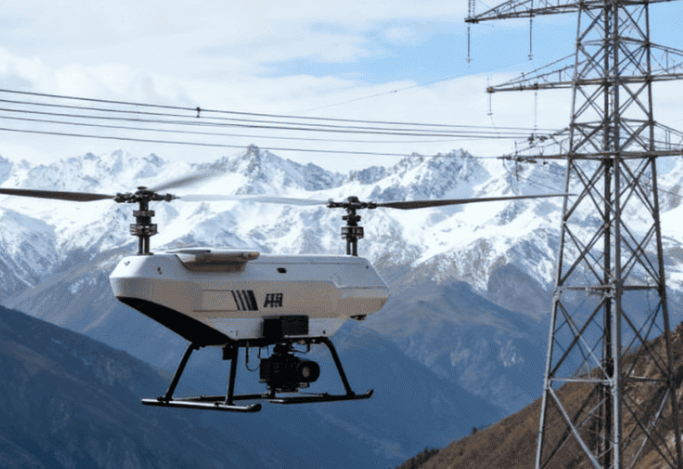
Multirotor Drones: These drones offer precise, close-range inspection capabilities, making them ideal for detailed visual checks of towers, insulators, and other critical components. Their main limitation is relatively short flight times, which can restrict coverage on long transmission lines.
Fixed-Wing Drones: With longer flight ranges and higher cruising speeds, fixed-wing drones are suitable for inspecting extended transmission lines. However, they typically require a runway or sufficient open space for takeoff and landing, which can limit their deployment in certain terrains.
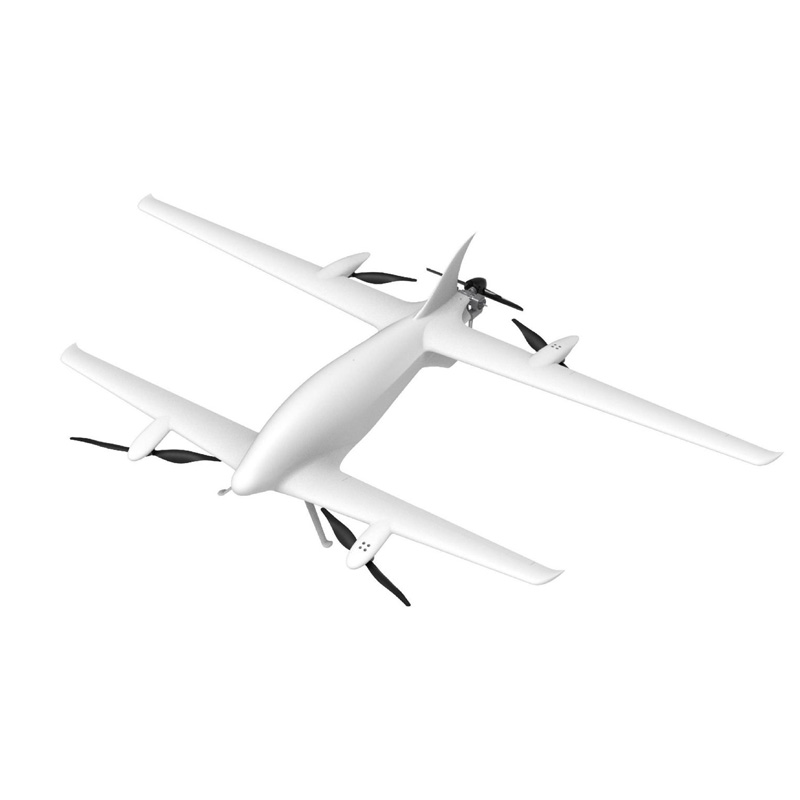
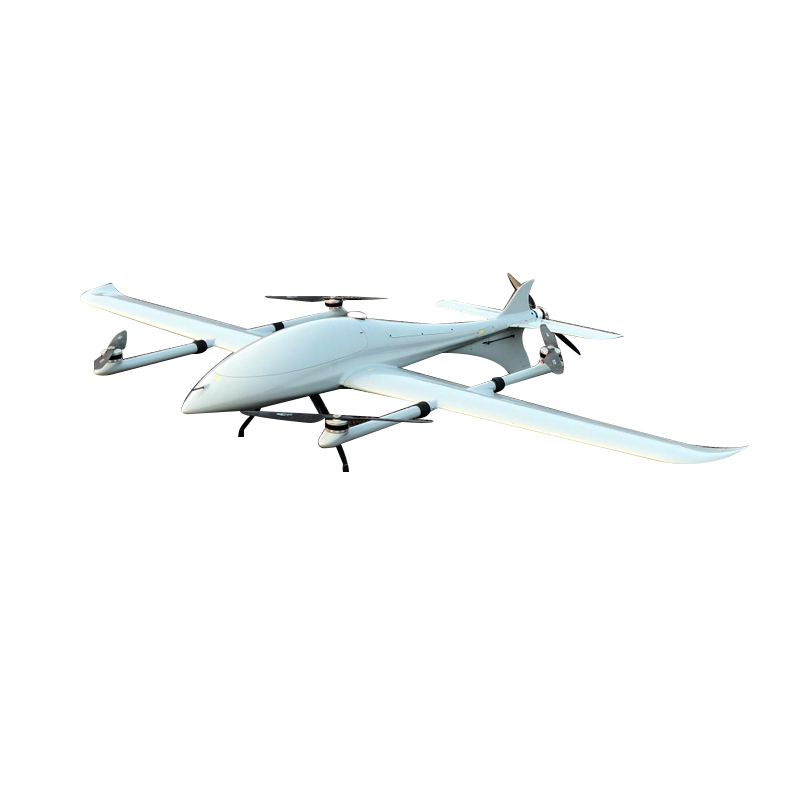
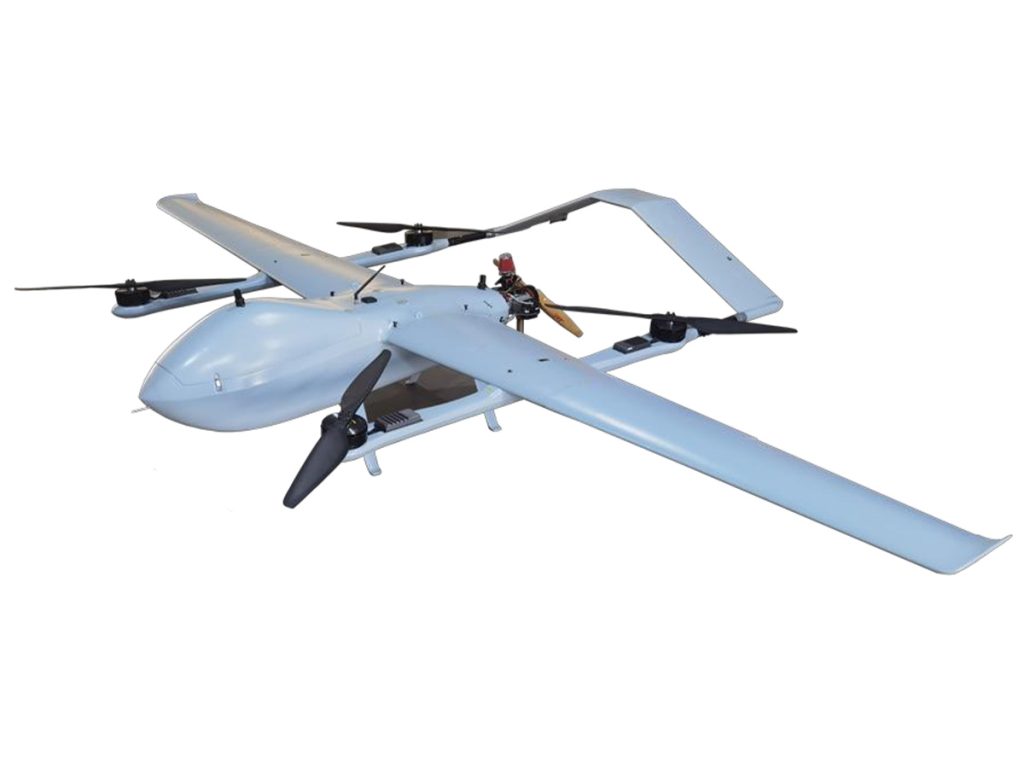
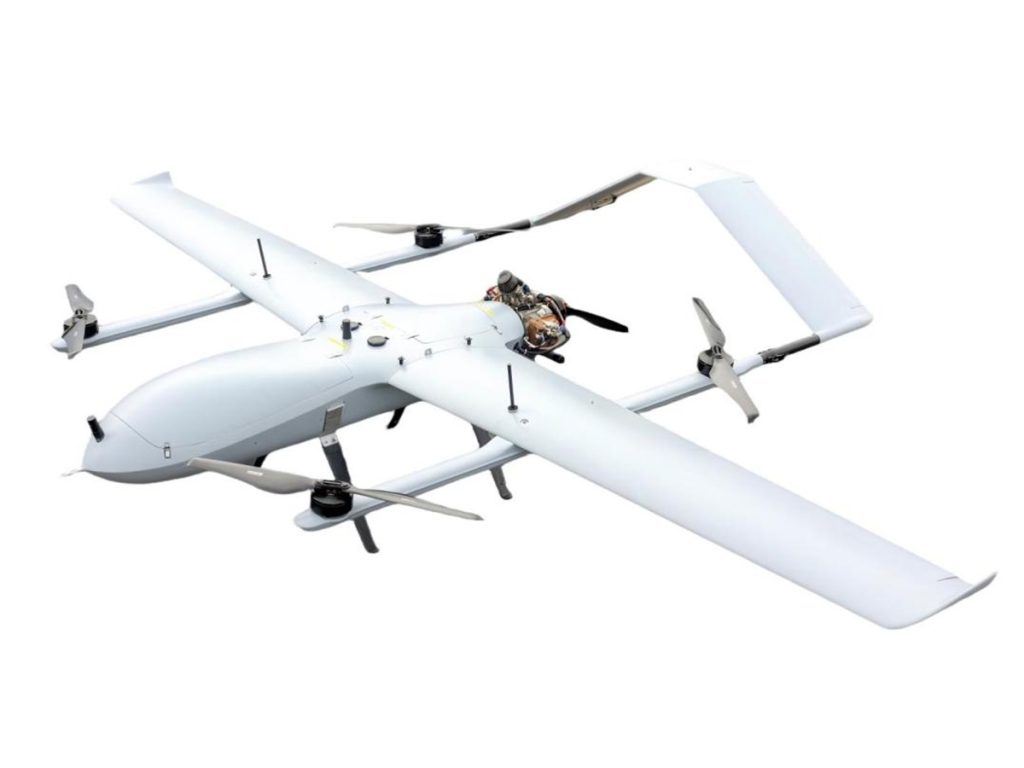
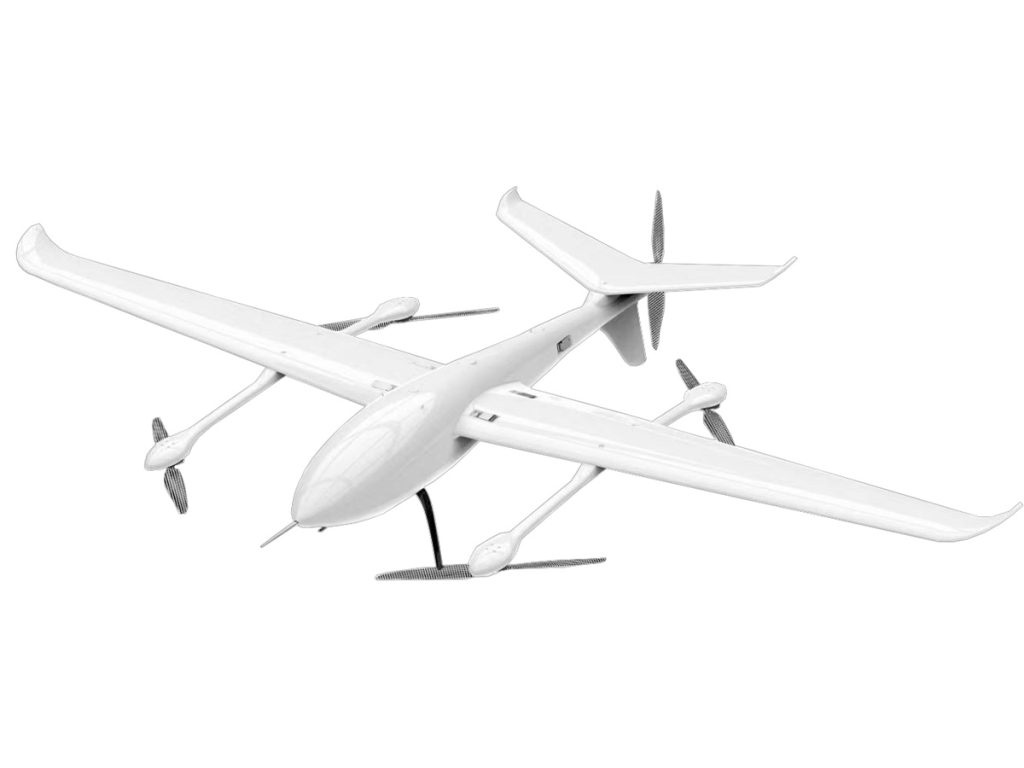
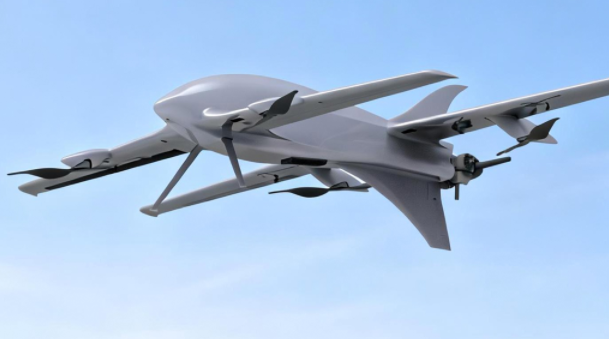
VTOL (Vertical Take-Off and Landing) Drones: VTOL drones combine the advantages of vertical takeoff with long-endurance flight, offering both operational flexibility and extended coverage. They are particularly effective for long-distance, high-voltage transmission line inspections in complex terrain.
VTOL Fixed-Wing Drones: A specialized hybrid type that merges fixed-wing efficiency with vertical takeoff capability. These drones do not require runways, can cover long distances, and are highly maneuverable in challenging environments. This type is becoming the preferred choice for large-scale, high-voltage inspections.
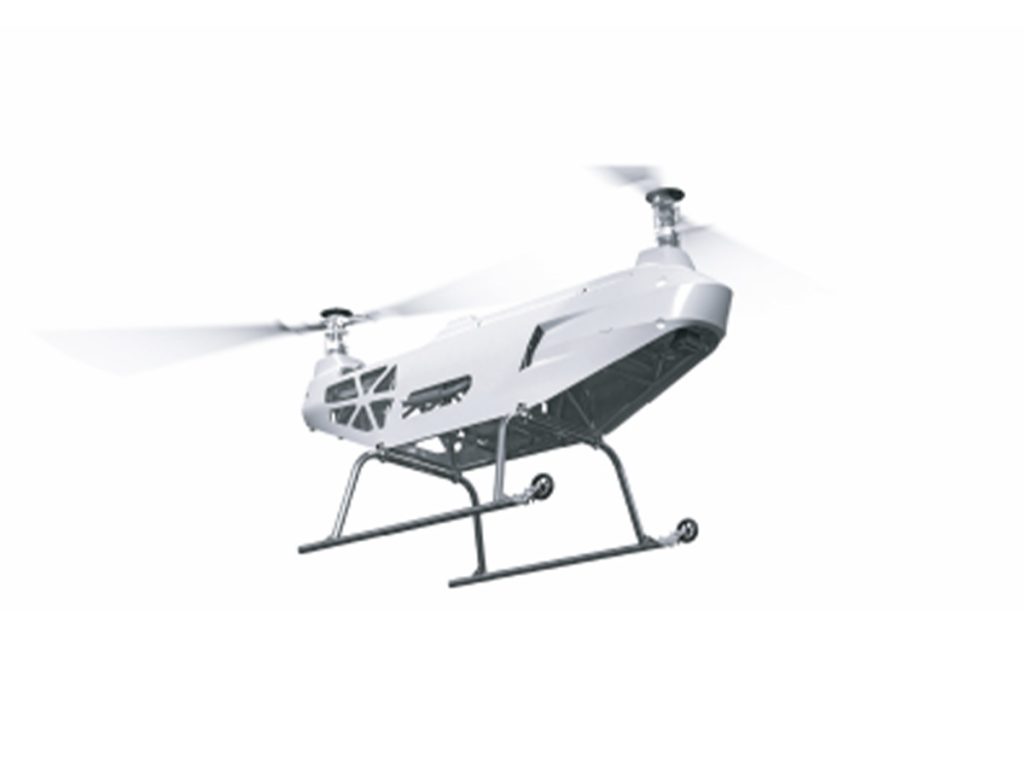
Hybrid and Heavy-Lift Drones: Some drones integrate hybrid power systems (battery + fuel engine) or are designed to carry heavy sensor payloads, such as LiDAR combined with thermal and high-resolution cameras. These platforms are ideal for complex inspections requiring comprehensive data collection in a single flight.
Tethered Drones: Connected to a ground power source via a cable, tethered drones can hover for extended periods, making them suitable for detailed inspection or monitoring of substations and localized line segments. They are less suitable for long-distance transmission line inspections.
Selecting the appropriate drone requires balancing factors such as flight range, payload capacity, terrain complexity, and operational safety. For modern power line inspections, especially over long, high-voltage routes, VTOL and VTOL fixed-wing drones are increasingly adopted as the core platforms due to their versatility, endurance, and efficiency.
Step 3. Sensor and Payload Configuration
The selection of sensors and payloads depends on the inspection goals:
High-resolution visible-light cameras: Capture detailed images for visual inspection of insulators, towers, conductors, and other components.
Infrared thermal cameras: Detect hotspots, overheating connections, and other hidden faults that are invisible to the naked eye.
LiDAR systems: Create precise 3D models of lines, surrounding vegetation, and terrain for analysis of clearances, corridor management, and obstacle assessment.
A carefully planned sensor setup ensures comprehensive coverage and significantly improves the accuracy and reliability of inspection results.
Step 4. Executing the Drone Inspection Mission
During the inspection flight, drones typically follow automated flight paths while operators maintain real-time monitoring:
Maintain a safe distance from conductors and other energized equipment to avoid collisions.
Monitor flight status, battery levels, and live imaging to ensure data quality and operational safety.
Respond to sudden changes in weather, GPS signal, or other unexpected conditions.
Reliable flight control systems, obstacle avoidance, and strong anti-interference capabilities are critical indicators of a drone’s suitability for power line inspection.
Step 5. Data Processing and Inspection Analysis
After completing the flight, the collected data must be systematically processed and analyzed:
Image and video review: Examine high-resolution footage to detect visible defects or anomalies.
Thermal anomaly identification: Use infrared data to locate overheated components, loose connections, or insulation faults.
Defect classification and localization: Categorize detected issues and accurately map their positions along the line.
Inspection report generation: Compile findings into professional reports for maintenance planning, risk mitigation, and regulatory documentation.
The quality of data processing and analysis directly determines whether drone-based inspection provides actionable insights and real value for power grid operations.
Part 4. Which Drone is Best for Power Line Inspection?
Selecting the most suitable drone for power line inspection depends on several factors, including the length and voltage of the lines, the terrain, the type of inspection data required, and operational constraints. No single drone type is perfect for every scenario, but understanding the strengths and limitations of each can guide the optimal choice.
Multirotor Drones:
Strengths: Excellent for detailed, close-range inspections of towers, insulators, and other components. They can hover precisely, capture high-resolution images, and maneuver easily around obstacles.
Limitations: Limited flight time (typically 20–40 minutes per battery), making them less efficient for long-distance transmission lines. They are best suited for localized inspections, substations, or areas with dense infrastructure.
Fixed-Wing Drones:
Strengths: Capable of long-range flight, covering tens of kilometers in a single mission. Efficient cruising speed makes them ideal for extended transmission line corridors.
Limitations: Require open space for takeoff and landing, and have less maneuverability for detailed inspections near towers or complex structures.
VTOL Drones:
Strengths: Combine the vertical takeoff and landing ability of multirotors with the endurance and speed of fixed-wing drones. Can operate in areas with limited takeoff space and cover long distances efficiently.
Limitations: Typically more expensive than standard multirotor or fixed-wing drones and require more sophisticated flight planning.
VTOL Fixed-Wing Drones:
Strengths: Offer the most versatile solution for modern power line inspection. They do not need runways, can hover for detailed inspections, and cover long distances with high endurance. Ideal for high-voltage transmission lines in complex terrains such as mountains, deserts, or forests.
Limitations: Higher cost and operational complexity, requiring trained operators and maintenance support.
Hybrid and Heavy-Lift Drones:
Strengths: Suitable for specialized missions requiring multiple sensor payloads, such as combining LiDAR, thermal imaging, and high-resolution cameras in a single flight. Extend flight time with hybrid fuel-electric systems.
Limitations: Typically overkill for routine inspections and require larger budgets and logistical support.
| Drone Type | Best For | Key Advantage | Key Limitation |
| Multirotor | Short/medium lines, substations | Precise hovering, maneuverable | Short flight time |
| Fixed-Wing | Long-distance lines | Long range, fast | Needs runway, less maneuverable |
| VTOL | Medium/long lines, complex terrain | Vertical takeoff + long endurance | Higher cost, complex operation |
| VTOL Fixed-Wing | Long, high-voltage lines in mountains/deserts/forests | Long endurance + hover + flexible | Higher cost, requires trained operators |
| Hybrid/Heavy-Lift | Specialized inspections with multiple sensors | Carry heavy payloads, extended flight | Expensive, often overkill for routine checks |
Part 5. Practical Problems and Concerns of Power Line Inspection with Drones
Although there are massive advantages when it comes to power line inspection using drones, there are some issues that one needs to be well informed about.
High-Voltage Power Lines Emissions of Electrom
During the flying of a drone around high-voltage transmission lines, a drone is susceptible to electromagnetic interference. When a drone flies around an electromagnetic interference or signal-filled flight environment, the drone should possess high anti-interference abilities.
Adverse Weather Conditions
Rain, high wind, snow, or extreme levels of temperature can affect the safety of flights as well as inspection data. Weather forecasting and dynamic flight planning are integral to ensuring a successful inspection.
Airspace Regulations and Compliance
Drone use must comply with local air traffic regulations and guidelines provided by the utility company. This ensures that the drones have flight permits and do not fly in no-fly zones.
Data Storage & Management
The inspection carried out by a drone produces a significant amount of high-resolution images, videos, thermal images, and LiDAR images. A proper data management system is required to process and track the inspection results.
However, with all these challenges involved, conducting power line inspections is not all about “buying a drone and flying it.” It involves a range of activities from planning, choosing the appropriate technologies, using qualified operators, to effective data management.
Companies that have a comprehensive system for conducting power line inspections using drones are well placed to make the most of the safety, efficiencies, and insights available.

Part 6. Why Professional Drone-Based Power Line Inspection Solutions Are Crucial
An effective power line inspection by a drone not only involves the use of the drone itself. The following factors may play a significant role:
Reliable Flight Operations: Drone flight needs to be stable when operating around high voltage transmission lines, particularly when operating in areas of complex terrains.
Mature Payload Integration: There has been a need to better integrate sensors like high-resolution cameras, thermal cameras, and LiDAR.
Extensive Power Industry Experience: Experience with utility companies allows operators to not only perform the desired task but do so in the most optimized manner, with knowledge regarding the desired task and the surrounding conditions being the key to success in such scenarios. Providers
Full Technical Support and Training: Technical expertise and assistance are necessary for fully leveraging and safely operating drones.
Selecting a professional solutions provider with experience can greatly lower risks during the projects and improve the effectiveness of inspection. For instance, VastArrive has a series of drones specifically designed for power line inspection. They provide technical assistance and training and comprehensive solutions that enable power firms to carry out safe and efficient inspection.
In Summary
Drone-based power line inspection is reshaping utility operations by improving safety, efficiency, and data accuracy. Success depends on proper planning, the right drones and sensors, skilled operators, and reliable data management. Partnering with experienced providers like VastArrive, which offers versatile drones, integrated payloads, and full technical support, ensures inspections are safe, efficient, and effective.
Related Products