
Drone for Fire Fighting: How It Assists in Firefighting?

In fire emergencies where every second counts, time means life. With the rapid advancement of technology, traditional firefighting methods are undergoing an unprecedented transformation in efficiency. Drone for fire fighting (firefighting drones) are quickly emerging as a critical force in modern emergency response systems, significantly improving firefighting efficiency while greatly reducing risks to personnel.
So, how exactly do firefighting drones empower modern rescue operations? And what makes them stand out among various technological solutions? This article will provide a comprehensive and in-depth analysis.
Table of Contents
How Do Firefighting Drones Work?
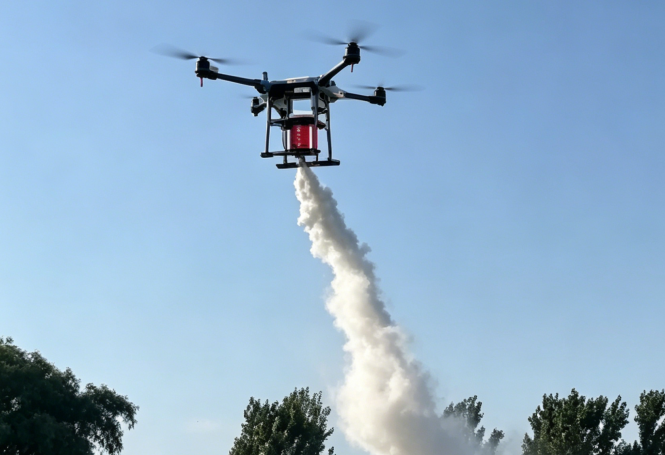
Firefighting drones integrate technologies such as thermal imaging, high-definition cameras, and remote control systems to enable rapid fire detection, real-time monitoring, and assisted suppression. They can operate in complex or hazardous environments, replacing manual tasks and providing accurate data for decision-making, significantly improving both efficiency and safety in rescue operations.
1. Fire Detection via Thermal Imaging Technology
With the help of infrared thermal imaging technology, firefighting drones can detect fire sources in cases of thick smoke or low visibility, determine zones with high temperatures, and assess the development of the fire.
It is particularly useful in forest fires and night rescues.
2. Real-Time Aerial Monitoring
Drones can transmit live footage back to the command center, allowing for full situational awareness and multi-angle observation of the fire scene. This helps teams develop faster and more effective response strategies.
Compared to manual reconnaissance, it is both more efficient and significantly safer.
3. Aerial Fire Suppression Capabilities
Some fire suppression drones are equipped with active firefighting functions, such as dropping fire-extinguishing bombs, spraying fire retardants, or breaking windows in high-rise buildings to combat fires.
They offer clear advantages in areas that are difficult or dangerous for personnel to access.
Application Scenarios of Firefighting Drones
The firefighting drones have been used widely in fire control situations since the advent of new technologies and innovations in the field. The application areas include wildfire prevention, firefighting in high-rise buildings, in hazardous industries, and other emergency rescue situations due to the efficiency and effectiveness they bring into use.
1. Forest Fire Detection
As soon as forests and other territories are at risk of becoming a victim of wildfire, firefighting drones are being used in high-frequency patrolling and detecting possible fire outbreaks and tracking their spreading.
Nowadays, firefighting drones are one of the most valuable tools in the system of modern forestry fire prevention systems.
2. Rescue in Urban Fires
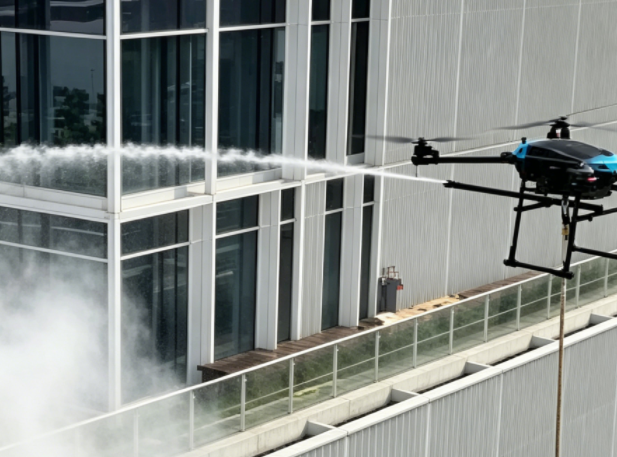
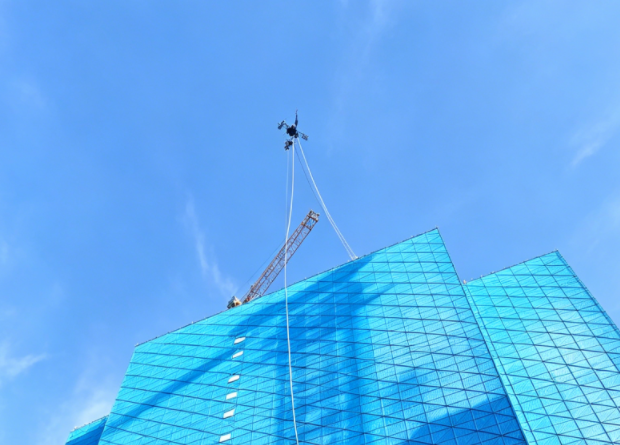
In the case of fires in skyscrapers, firefighting drones can be dispatched to examine the rooftop and exterior surfaces of buildings to assist in pinpointing the origin and extent of the blaze. Moreover, they may perform aerial firefighting and relay images from the site.
The use of aerial imagery is invaluable in terms of providing valuable information that will greatly enhance rescue efforts and increase their efficiency and safety.
3. Industrial Fire Response
Wherever there is a risk of fire, especially in industrial areas involving chemicals, oil refineries, and electricity generation plants, fire tends to come with the possibility of explosions and dangerous gases.
In such cases, firefighting drones are useful in performing surveillance on behalf of humans who may expose themselves to the risk.
4. Search & Rescue
The other common application of firefighting drones is search and rescue operation. The equipment comes in handy in situations where they can be deployed to search for survivors by using infrared detection cameras.
Core Advantages of Using Firefighting Drones
The application of firefighting drones in emergency rescue services has brought about a new paradigm through their intelligent and remote-controlled approach. Apart from increasing efficiency in firefighting activities, they provide benefits in terms of safety, cost management, and decision-making assistance.
Improved Safety
Firefighting drones can replace or assist firefighters in entering high-temperature, smoke-filled, toxic, or even explosive environments for reconnaissance and operations. This greatly reduces direct human exposure to dangerous conditions, which is especially important in complex fire scenes and industrial accidents, effectively lowering the risk of injuries and fatalities.
Faster Response Speed
Drones are capable of being used much faster compared to conventional firefighting machines because they are capable of reaching the fire site fast enough to retrieve information. Thanks to their immediate takeoff and feedback features, control centers will get the chance to evaluate the situation and use their rescue resources in the most effective manner, thus ensuring golden rescue time.
Lower Operating Costs
Compared to the conventional firefighting aircraft like helicopters, firefighting drones cost far less not only at the beginning stage but also during the operation process due to less expensive purchases, lower maintenance expenses, manpower, and less fuel consumption.
More Precise Fire Information
With the assistance of HD cameras and thermal-imaging sensors, firefighting drones are capable of providing multi-dimensional fire data, such as fire source positioning, heat distribution, and propagation pattern. Precise fire information contributes to making decisions by commanders and helps develop effective fire extinguishing plans.
Limitations of Firefighting Drones
Despite having many benefits, there are also a number of technical and natural restrictions related to the use of firefighting drones that need to be considered depending on specific situations.
Limited Flight Time
A typical firefighting drone will take only about 20 to 60 minutes before its battery needs recharging again. Therefore, such firefighting is impossible for long periods of time, and usually, more than one drone is needed to cope with the situation.
Limited Payload Capacity
Drones cannot carry many fire-extinguishing agents or fire bombs because of physical and energy reasons. This fact means that it would not be possible for a drone to completely replace regular firefighting equipment for suppression of large fires.
Airspace Regulations
Flying drones is governed by certain air regulations, as the use of these devices is often restricted in certain environments such as urban settings, near airports, and other restricted areas, potentially hindering emergency operations.
Weather Sensitivity
Adverse weather conditions such as strong winds, heavy rain, dense smoke, or extreme temperatures can negatively affect drone stability and performance, and may even prevent them from operating effectively.
Therefore, in practical applications, it is essential to select and combine appropriate firefighting equipment based on the type of fire, environmental conditions, and mission requirements.
Best Drones for Fire Departments: VastArrive B100P Drone
If you are looking for the best firefighting drone for fire department, among professional drones for firefighting solutions, the VastArrive B100P firefighting drone is designed for fire departments and industrial applications. It supports high-pressure fire suppression and precise remote delivery, enabling rapid response in early-stage fires and helping prevent fire spread.
Firefighting System Configuration
High-Pressure Spray System
Equipped with a 40mm fire hose, suitable for fast fire suppression in high-rise buildings and industrial environments.
Remote Dropping System
Supports precise delivery of water-based extinguishers and dry powder fire extinguishing devices, enabling targeted aerial firefighting.
Key Technical Parameters
- Maximum takeoff weight: 110kg
- Maximum payload capacity: 50kg
- Maximum flight distance: 10km
- Maximum flight speed: 13.8m/s
- Maximum flight altitude: ≤200m
- Fire hose compatibility: 25mm / 40mm
Emergency Communication Function
Optional high-decibel loudspeaker system for evacuation instructions and on-site emergency communication.
Application Value
VastArrive B100P firefighting drone is suitable for factories, warehouses, and urban high-rise fire scenarios. It offers fast response, high payload capacity, and precise fire suppression capabilities, making it a powerful complement to traditional firefighting methods.
Is Investing in Firefighting Drones Worth It?
Considering the present level of technology advancement and applications, the firefighting drones have significant investment potential, particularly in view of rising requirements for emergency response.
For firefighters, forest management organizations, and risky industries like oil and chemicals, firefighting drone (firefighting drones) has proven to be vital in improving the response capability and minimizing risk in hazardous locations.
Moreover, they can reduce operational costs over the years as compared to conventional technologies, such as helicopters, in emergency situations.
In coming years, when costs will further drop and technology will advance significantly, their application will increase significantly.
FAQs about Firefighting Drone
Can drones be used for firefighting?
Yes. Firefighting drones can be used to detect, monitor, and in some cases directly suppress fires, especially in hard-to-reach or high-risk areas.
What is a firefighting drone?
A firefighting drone is an unmanned aerial vehicle (UAV) equipped with cameras, sensors, or fire suppression systems to assist in fire detection, emergency response, and firefighting operations.
How much does a firefighting drone cost?
The cost varies depending on capability. Basic models may start around $5,000, while advanced professional firefighting drones can cost $20,000 to over $100,000.