
Using Industrial Drones to Inspect Power Lines After Storm Damage

A storm can cause destruction to electricity infrastructure in mere minutes, but locating and assessing such damage may take far longer. Fallen trees, broken insulators, damaged conductors, tilted poles, and difficult-to-access locations have made manual inspections both time-consuming and risky.
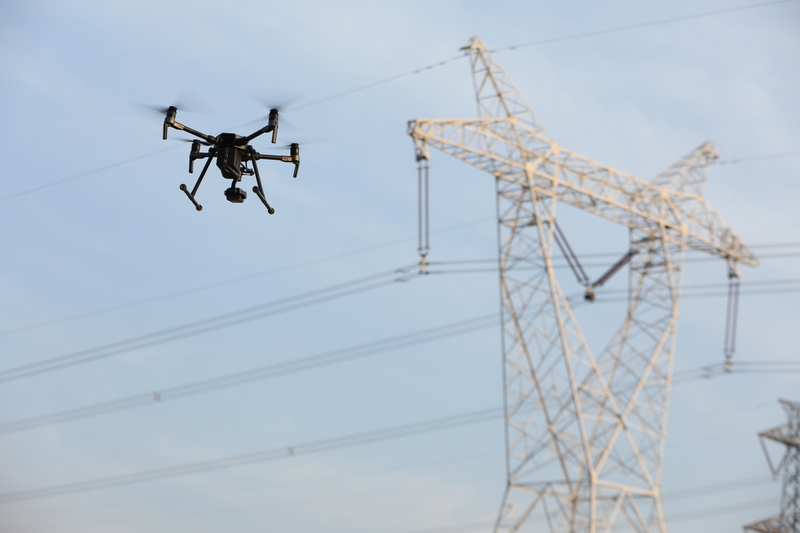
This is where the use of drone inspections for power lines proves invaluable for utility companies. Modern industrial drones fitted with cameras, thermal imaging sensors, and AI analysis software allow utilities to assess their electrical grids in a short time safely.
Table of Contents
Why Traditional Power Line Inspection Becomes Difficult After Storms
After storms, hurricanes, snow storms, or high-wind events, utilities are faced with a variety of challenges:
- The roads could be blocked by fallen trees.
- The areas that are inundated become unaccessible for vehicles.
- Forested or mountainous transmission routes are hard to access.
- The damage to power lines can pose dangers for inspection teams.
- Large areas of outage require quick evaluation.
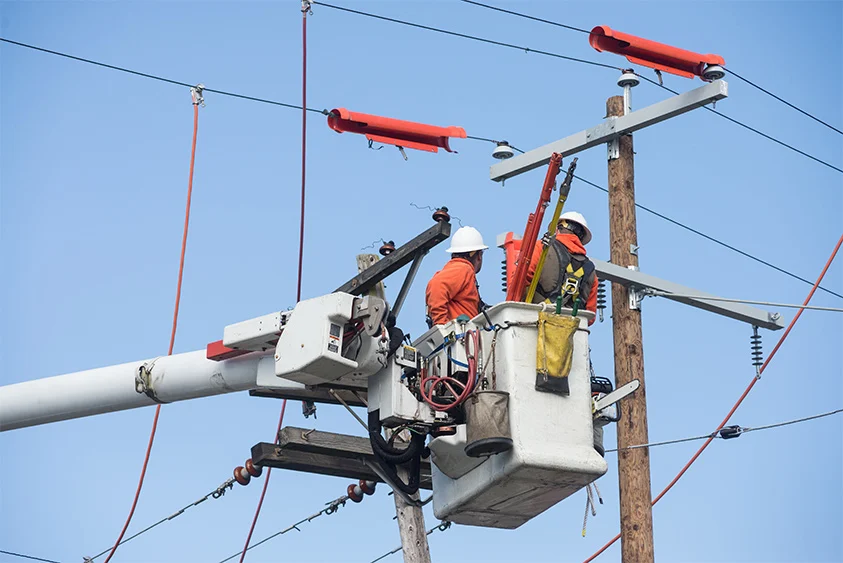
Typically, the crews monitor power lines with a helicopter, truck or even on foot. Although effective, these techniques usually require substantial personnel and may slow the restoration process.
Contrary to that the other way around, the drone-powered inspection team can be deployed in minutes and obtain actionable data without putting workers in proximity to energized devices or unstable buildings.
What Storm Damage Should Inspectors Look For?
One of the most commonly-held myths about drones is the notion that they just take aerial pictures. In reality, skilled utility inspectors use a precise checklist.
Broken Conductors
Conductors can be damaged by high winds. to snap or break off.
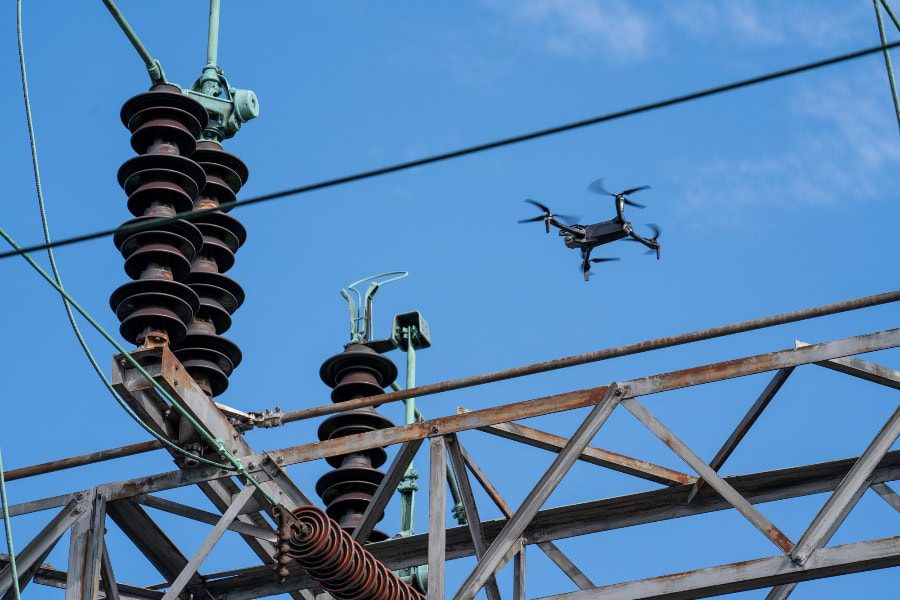
Inspectors usually will look for:
- Visible conductor breaks
- Sagging lines
- Detached hardware
- Phase-to-phase contact risks
Zoom cameras mounted to Industrial drones can spot these problems from a secure distance.
Damaged Insulators
Insulators are one of the most vulnerable parts during storms.
Common signs are:
- Cracks
- Sections missing
- Flashover marks
- Contamination due to saltwater or other debris
High-resolution optical cameras enable inspectors to identify the presence of defects that might be difficult to observe from the ground.
Leaning or Damaged Utility Poles
Strong winds can cause damage to pole stability, even if the pole is not in danger of collapse.
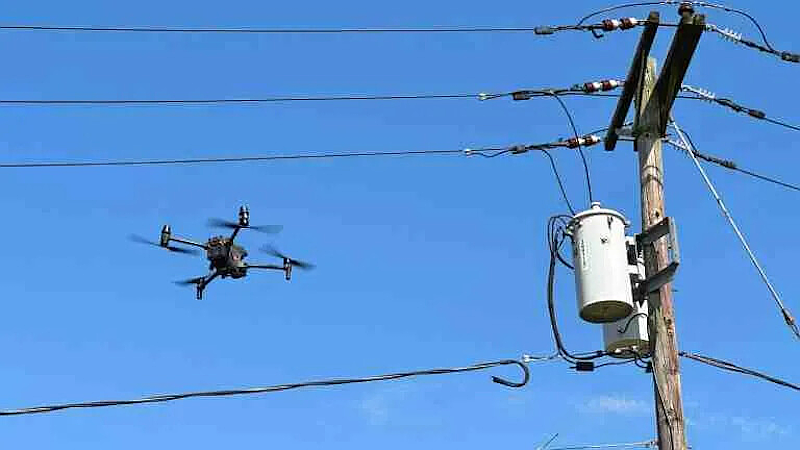
Inspectors evaluate:
- Pole alignment
- Foundation movement
- Cracks in the structural structure
- Crossarm deformation
The early detection of these issues can help utilities avoid the possibility of secondary problems.
Vegetation Encroachment
Trees are often brought to the surface of conductors.
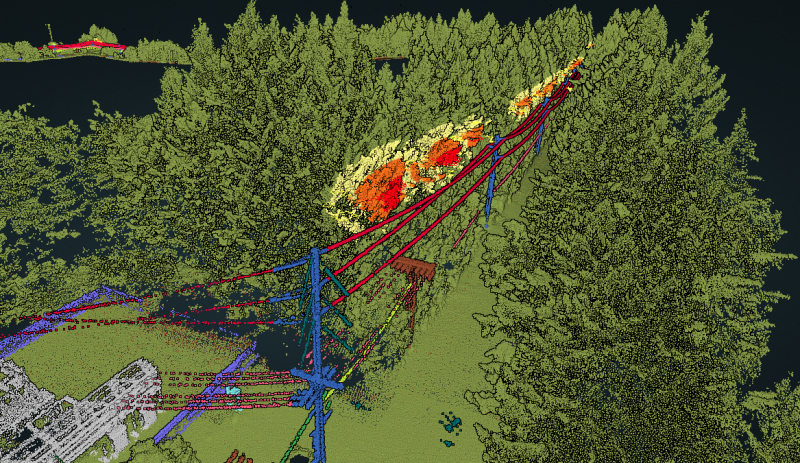
Drone teams examine:
- Fallen branches
- Trees strike
- Future contact points for potential future contacts
- Obstructions to the right-of-way
This information will help management teams prioritize clearing operations.
Thermal Anomalies
The extent of the damage is not always obvious.
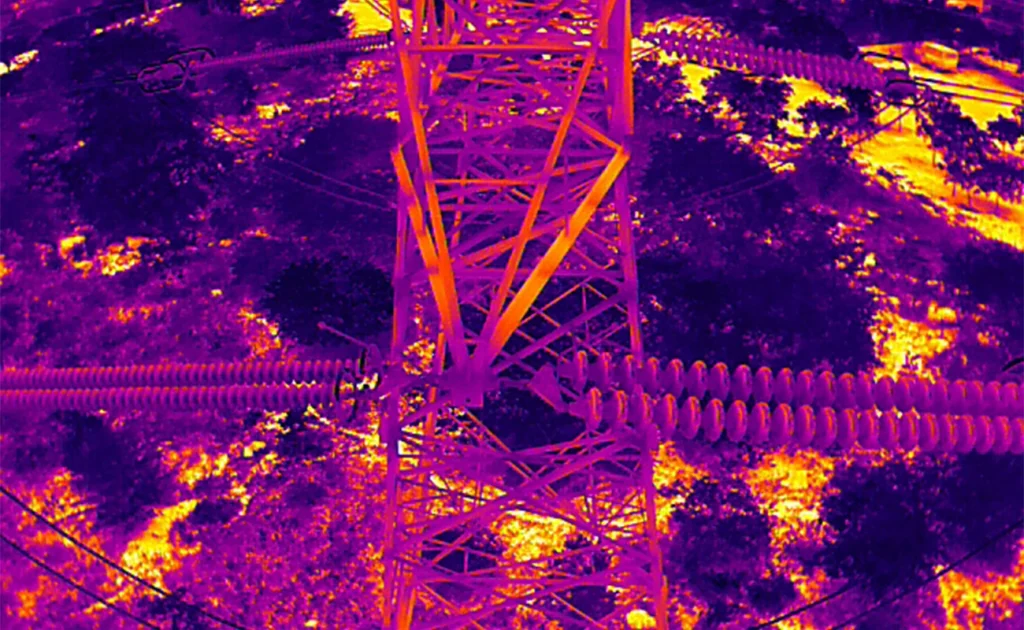
Cameras that use thermal imaging can recognize:
- Connectors that are overheated
- Loose fittings
- High-resistance joints
- Stress points in the equipment
These hotspots could indicate unnoticed failures that could trigger the system to shut down in the future.
Step-by-Step Drone Powerline Inspection Workflow After a Storm
The most efficient inspections follow an organized process instead of simply flying over power lines.
Step 1: Prioritize Critical Circuits
Before deployment, utilities look over their outage map as well as SCADA data.
Priority is normally assigned to:
- Transmission lines
- Main feeder circuits
- Critical routes for infrastructure
- Some areas are reporting extensive outages
This will ensure that inspection resources are aimed at areas where restoration is most likely to have the biggest impact.
Step 2: Create Flight Plans
Operators define:
- Altitude at which a flight takes off
- Inspection distance
- Waypoints
- Emergency landing sites
In transmission lines, the flights usually keep a safe distance from conductors and ensure sufficient image resolution.
Modern industrial drones are capable of automating routes and repeat tasks with high accuracy.
Step 3: Conduct Visual Inspection
The pilots are flying parallel power line corridor, while collecting:
- 4K images
- Zoom photos
- Video footage
- Geotagged defects records
This stage is focused on identifying structural issues that are obvious.
Step 4: Perform Thermal Scanning
The thermal inspection process is usually conducted following or shortly after an examination of the visual.
Operators look at:
- Temperatures at which transformers operate
- Hotspots for Connectors
- The switchgear is not working properly.
- Substation Equipment conditions
The use of thermal data can help utilities identify issues that are not visible to cameras.
Step 5: Generate Inspection Reports
Once the data has been collected, it is processed to produce reports that can be used for action.
Common reports include:
| Inspection Item | Status | Priority |
| Broken conductor | Critical | Immediate |
| Leaning pole | High | All hours of the day |
| Vegetation contact | Medium | Scheduled |
| Hotspot for thermal energy | High | Immediate |
| Wear and tear on hardware | Low | Monitoring |
This method lets repair teams focus on the most risky assets first.
How Industrial Drones Improve Restoration Speed
Utilities increasingly assess performance using restoration time instead of inspection time by itself.
A properly executed Drone powerline examination program offers:
Faster Damage Assessment
Large transmission lines can be examined by hours rather than days.
Improved Crew Safety
Personnel avoid:
- The terrain is inundated
- Stable structures are not stable.
- Energized equipment exposure
- Climbing operations that are difficult
Better Data Quality
Industrial drones collect:
- High-resolution imagery
- Data on thermal properties
- GPS coordinates
- Historical records of comparison
This allows more precise repairs to be made.
Reduced Operational Costs
In contrast to helicopter patrols drones generally require:
- Lower fuel costs
- Smaller teams
- Less maintenance
- More frequent deployment capability
Essential Drone Features for Post-Storm Power Line Inspection
Some drones are not suitable for inspections of utility.
When deciding on Industrial drones to use to power line applications the utility companies usually consider:
High-Zoom Optical Cameras
It is necessary to identify:
- Insulators with cracks
- Loose fittings
- The corrosion of hardware
- Thermal Imaging Payloads
Critical for detecting electrical abnormalities.
Long Flight Endurance
The longer flight durations increase the the coverage of the corridor and decrease battery replacements.
Wind Resistance
Post-storm conditions usually have residual winds that can challenge the stability of flight.
AI-Assisted Defect Detection
Modern software can detect:
- Insulators that are damaged
- Vegetation intrusion
- Corrosion
- Thermal anomalies
This cuts down the time spent on data analysis substantially.
Real-World Scenario: Inspecting a Storm-Damaged Distribution Line
Take into consideration a service that can be used in an area in rural areas following a storm that is severe.
Without drones:
- Two inspection crews work 6-8 hours driving, and walking along the route.
- Fallen trees block several access roads.
- The exact location of the damage remains a mystery in the early stages of restoration.
Industrial drones are a part of the:
- A drone team is launched within 30 minutes.
- Twenty kilometers of line can be checked in a single cycle.
- Images and thermal images identify three poles damaged and a broken conductor.
- Repair teams receive their GPS-tagged defect locations prior to their deployment.
This means that restoration planning can begin in a matter of minutes, which reduces time to restore service and increasing reliability.
Conclusion
With the rising incidences of weather changes, utilities will require faster means to inspect their services. Using the professional drone power line inspection service can enable the detection of faults and facilitate the repair of faulty parts to restore power. Industrial drones have now become indispensable in the modern era.