
Cleaning Drone Regulations in Malaysia: CAAM, ATF and Import Requirements

Importing an industrial cleaning drone into Malaysia involves more than arranging international shipping. Before placing an order, buyers should review the applicable CAAM operational requirements, SIRIM and MCMC considerations, import procedures, and lithium battery transport documentation.
For Malaysian companies sourcing a cleaning drone from China, the supplier’s role is to provide accurate product specifications and export documents, while local operational approvals should be confirmed with the relevant Malaysian authorities before deployment.
Table of Contents
Check the Intended Operation Before Importing
The regulatory requirements for a cleaning drone depend partly on how and where the equipment will be operated.
Before importing, buyers should define the planned application, such as:
- High-rise facade cleaning
- Glass and curtain wall cleaning
- Industrial facility cleaning
- Warehouse and factory exterior cleaning
- Solar panel cleaning
The operating environment should also be considered, including:
- Maximum working height
- Distance from the operator
- Proximity to people and buildings
- Site location
- Drone weight and configuration
- Water hose and cleaning system setup
- Planned flight profile
This information is important because the import of a cleaning drone and authorization to operate it are separate matters.
For equipment suppliers, providing complete technical specifications before shipment helps Malaysian buyers evaluate the applicable local requirements at the procurement stage.
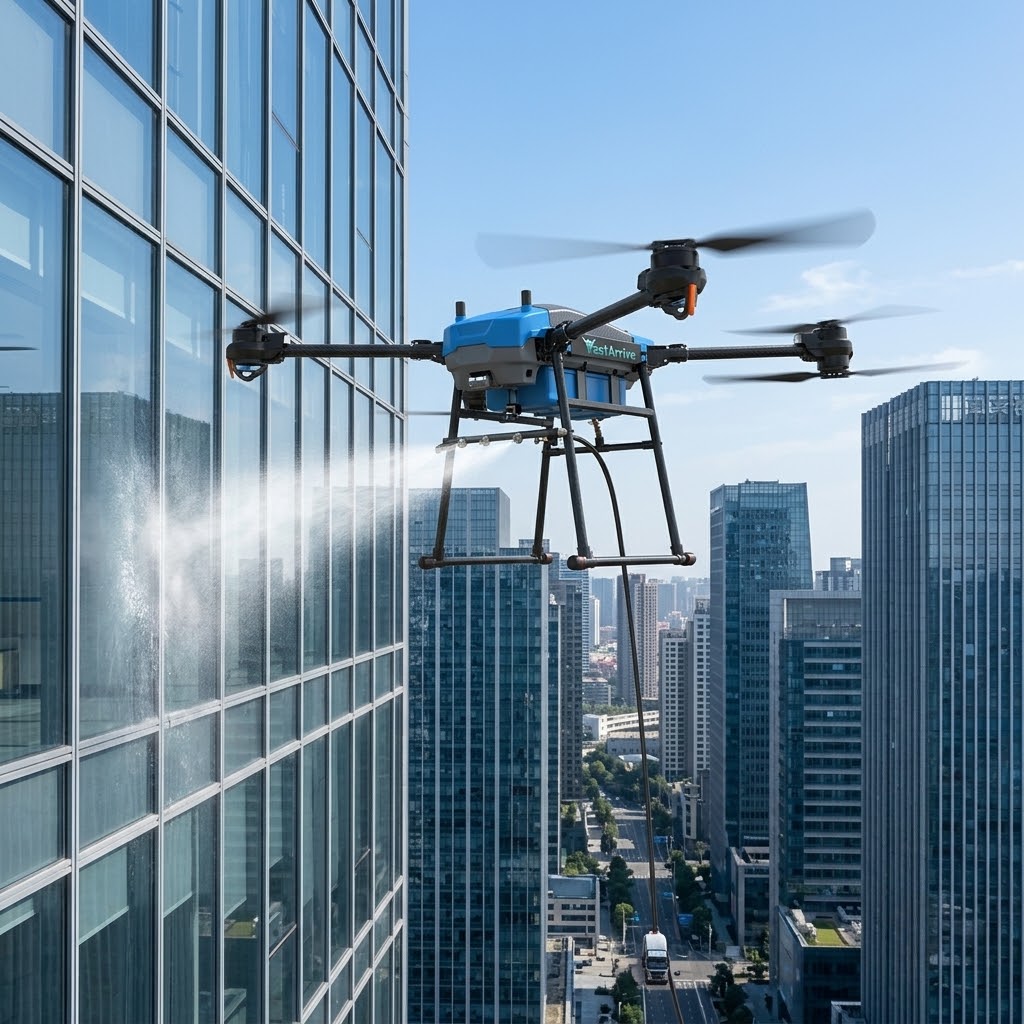
CAAM Requirements Should Be Confirmed Before Deployment
Drone operations in Malaysia fall under the regulatory oversight of the Civil Aviation Authority of Malaysia (CAAM).
CAAM’s UAS framework includes different authorization pathways depending on the operation and associated risk. These include the Standard Authorisation to Fly (ATF) and, for certain operations involving additional operational risks, Special UAS Project approval.
A cleaning drone should not automatically be assessed using requirements designed for agricultural drone operations. Building cleaning, industrial cleaning and solar cleaning involve different payloads, operating environments and mission profiles.
For Malaysian buyers, the key question is therefore:
Which CAAM authorization pathway applies to the planned cleaning operation?
Before purchasing, it is advisable to confirm the intended operation with CAAM or a qualified local regulatory specialist.
ATF Is an Operational Requirement, Not an Import Certificate
The Standard Authorisation to Fly, or ATF, is relevant to applicable UAS operations under CAAM’s published framework.
CAAM’s application requirements include information such as:
- UAS specifications
- Remote pilot details
- Risk assessment
- Flight planning
- Personnel involved in the operation
CAAM’s Standard ATF application materials also reference SIRIM approval information for the UAS.
For an overseas cleaning drone supplier, this creates a practical requirement:
The equipment specifications provided to the buyer must be sufficiently detailed for local regulatory review.
A supplier should therefore be prepared to provide information such as:
- Drone model and configuration
- Weight and dimensions
- Communication system specifications
- Operating frequency information
- Battery specifications
- Flight performance data
- Safety system information
- Payload and cleaning system specifications
CAAM currently advises applicants to submit Standard ATF applications at least 14 working days before the proposed activity. Buyers should verify the latest requirements before planning commercial operations.
Review SIRIM and MCMC Requirements for the Equipment
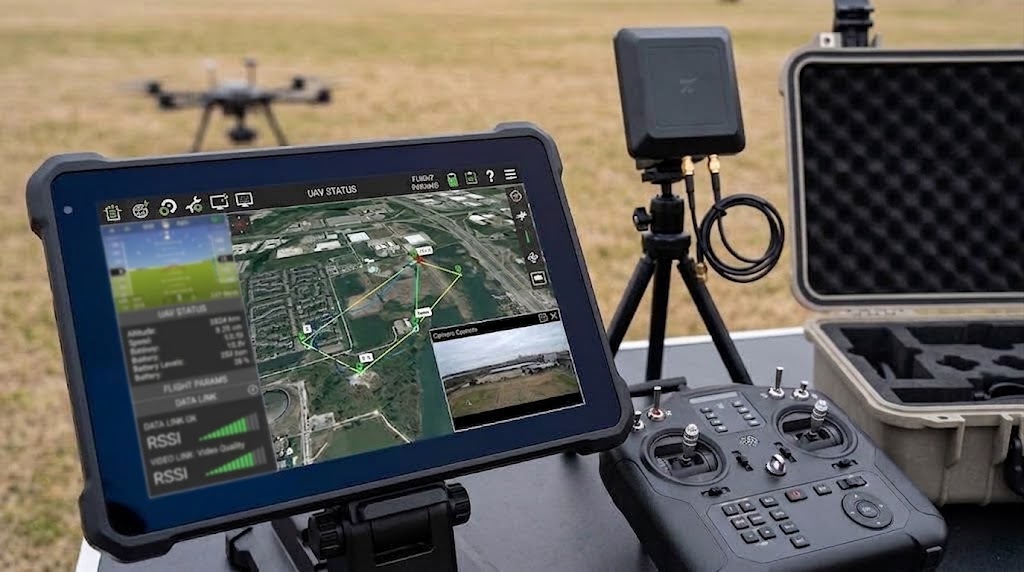
Industrial cleaning drones use multiple electronic and wireless communication components, including remote controllers, telemetry systems, video transmission and other radio equipment.
As a result, Malaysian buyers may need to review applicable requirements involving SIRIM and MCMC, in addition to CAAM.
MCMC’s published guidance on UAS radio-spectrum use addresses UAS communication equipment and refers to technical information such as equipment specifications, antenna details and relevant conformity documentation.
Before exporting a cleaning drone to Malaysia, a supplier should be able to provide, where applicable:
- Radio-frequency specifications
- Remote-controller specifications
- Communication module information
- Antenna information
- Product technical documentation
- Available conformity documentation
CE or FCC documents may be useful as supporting technical documentation, but they should not automatically be treated as substitutes for Malaysian regulatory requirements.
Prepare Import and Customs Documents Before Shipment
Import compliance should be checked before the equipment leaves China.
The Royal Malaysian Customs Department requires importers to determine whether imported goods are subject to applicable restrictions or prohibitions.
For a commercial cleaning drone shipment, the supplier can typically prepare export documents such as:
- Commercial Invoice
- Packing List
- Product specification sheet
- Certificate of Origin, where applicable
- Air Waybill or Bill of Lading
- Other documents required for the agreed shipping arrangement
The final import requirements may vary depending on the product classification, equipment configuration and Malaysian importer.
For this reason, buyers should confirm customs requirements before shipment rather than waiting until the cargo arrives.
Lithium Battery Documentation Should Be Confirmed Early
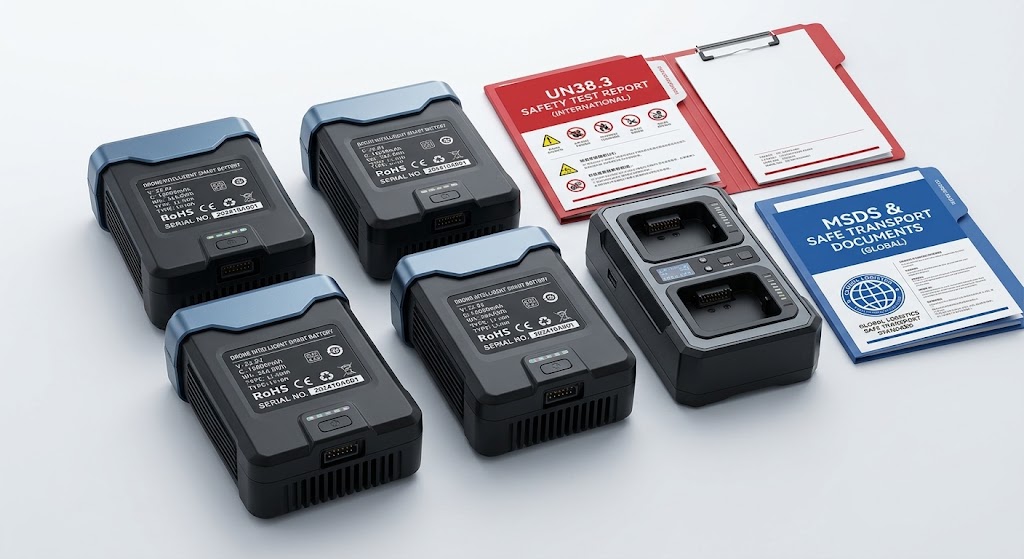
Industrial cleaning drones may use high-capacity lithium batteries, which can affect both packaging and international transportation arrangements.
Before arranging air or sea freight, Malaysian buyers should confirm that the supplier can provide relevant battery documentation, including:
- Battery specifications
- UN38.3
- SDS/MSDS
- Battery packing information
- Dangerous-goods transport information, where applicable
The available shipping options may depend on the battery configuration and applicable transport requirements.
As a cleaning drone exporter, VastArrive can support buyers by preparing the relevant product and battery documentation required for shipment planning.
Final Takeaway
For Malaysian companies importing an industrial cleaning drone, regulatory planning should begin before the equipment is shipped from China.
The main areas to review are:
CAAM operational requirements → SIRIM/MCMC equipment considerations → import procedures → battery transport documentation → site-specific operational preparation
As a China-based industrial cleaning drone manufacturer and exporter, VastArrive can provide product specifications, battery documentation and commercial export documents to support international shipment and the buyer’s pre-import preparation.
However, Malaysian buyers should confirm the latest operational, import and equipment requirements with the relevant local authorities or qualified regulatory professionals before commercial deployment.