VA-W280 Drone Supports Rapid Water Rescue
Project Overview
During a water rescue drill in Shaanxi Province, the VA-W280 demonstrated its ability to support rapid emergency response in complex water environments.
The drill involved locating and rescuing an injured person in a turbulent river, where waves and difficult water conditions created significant challenges for conventional visual observation.
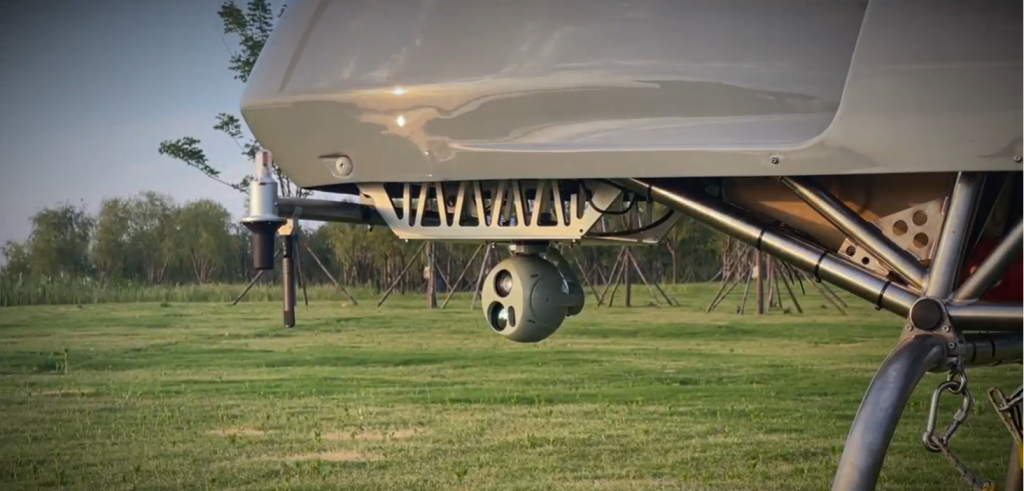
Equipped with an optronic pod, the VA-W280 overcame visual limitations and quickly located the simulated drowning victim on the river surface.
The drone transmitted the victim’s location coordinates to the rescue team, providing critical information for the subsequent rescue operation.
Working in coordination with a maritime patrol boat, the VA-W280 supported the rapid transfer of the injured person to shore for medical treatment.
The entire rescue operation was completed in approximately 7 minutes, demonstrating the potential of drone-assisted emergency response for complex water rescue scenarios.
The Challenge
Turbulent Water Conditions
The rescue drill took place on a turbulent river surface. Moving water and surface disturbances can make it difficult for rescue personnel to visually locate a person in distress.
Limited Visual Detection
Conventional observation from the riverbank or patrol boat can be affected by distance, water movement, and visibility conditions. Rapidly identifying the victim’s exact location is critical for an effective rescue response.
Time-Critical Emergency Response
Water rescue operations are highly time-sensitive. Once a person is identified in the water, rescue teams need to determine their location and initiate recovery as quickly as possible.
Complex Rescue Environment
The rescue team needed to coordinate aerial observation with waterborne rescue resources. This required reliable communication between the drone and the maritime patrol boat.
The VA-W280 Rescue Solution
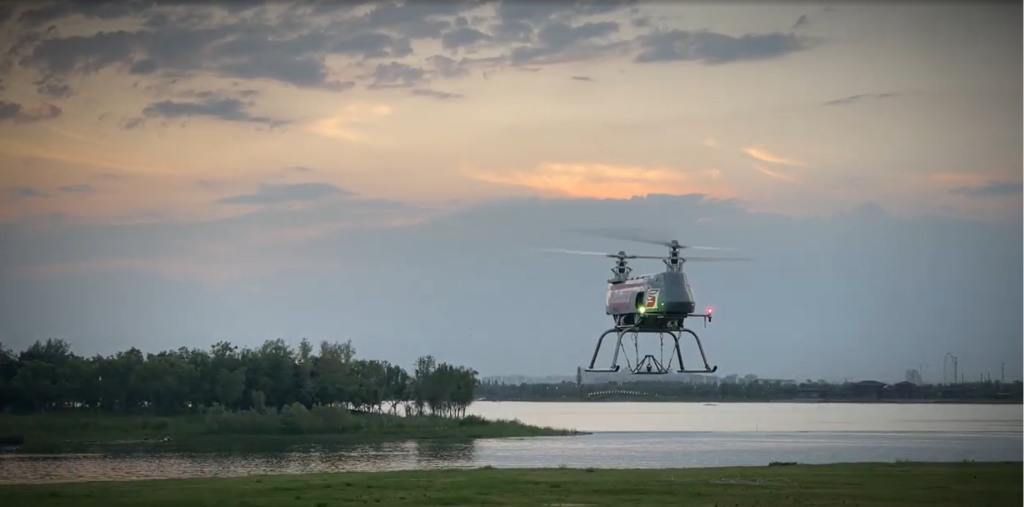
The rescue team deployed the VA-W280 equipped with an optronic pod to provide aerial visual support during the emergency drill.
The drone served as an aerial observation and coordination platform.
The rescue workflow was:
Drone Deployment
↓
Aerial Search
↓
Victim Detection
↓
Real-Time Location Transmission
↓
Patrol Boat Coordination
↓
Victim Transfer to Shore
↓
Medical Treatment
This allowed the drone to quickly identify the target from the air while the patrol boat focused on physical rescue and transportation.
How the Rescue Operation Worked
1. Deploy the VA-W280
The VA-W280 was deployed to support the water rescue drill.
Its aerial position provided a broader observation perspective than ground-level personnel.
2. Conduct Aerial Search
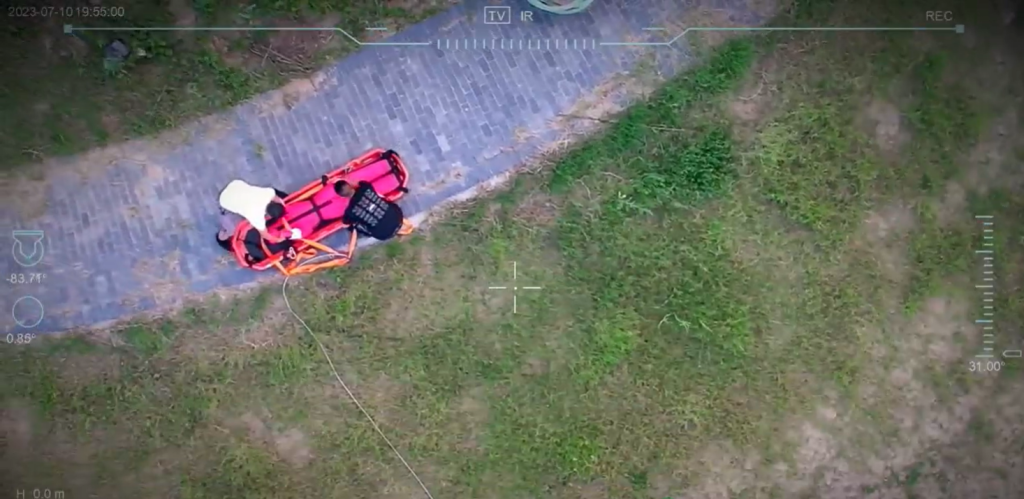
The drone used its optronic pod to scan the turbulent river surface and search for the simulated drowning victim.
3. Locate the Victim
The optronic system enabled the drone to identify the victim despite the challenging water conditions.
4. Transmit Location Coordinates
Once the victim was located, the relevant position information was provided to the rescue team. This helped the patrol boat quickly determine the target’s location.
5. Coordinate with the Patrol Boat
The VA-W280 worked together with the maritime patrol boat. The drone provided aerial observation and location support, while the patrol boat carried out the physical rescue operation.
6. Transport the Injured Person to Shore
After the victim was recovered, the rescue team transported the injured person to shore for prompt medical treatment.
7. Complete the Rescue in 7 Minutes
The entire rescue operation was completed in approximately 7 minutes.
Key Technologies
VA-W280
The VA-W280 served as the aerial platform for rapid observation and rescue coordination during the water rescue drill.
Optronic Pod
The onboard optronic pod provided enhanced visual observation capabilities, helping the drone identify the simulated drowning victim on the turbulent river surface.
Real-Time Location Support
The drone provided location information to the rescue team, helping ground and waterborne responders quickly determine where to conduct the rescue.
Air-Water Coordination
The drone and maritime patrol boat worked as a coordinated rescue team. The UAV focused on aerial detection and location support, while the patrol boat handled the physical recovery and transportation.
Project Results
7-Minute Rescue Operation
The entire rescue operation was completed in approximately 7 minutes, demonstrating rapid coordination between aerial detection and waterborne rescue.
Real-Time Victim Detection
The VA-W280 successfully located the simulated drowning victim in real time despite turbulent water conditions.
Faster Rescue Positioning
Real-time location information helped the rescue team identify the victim’s position and coordinate the patrol boat more efficiently.
Improved Water Rescue Awareness
The aerial perspective provided rescue personnel with an additional observation layer that complemented traditional waterborne rescue resources.
Effective Air-Water Collaboration
The combination of UAV aerial monitoring and patrol boat rescue created a coordinated response workflow.