Project Overview
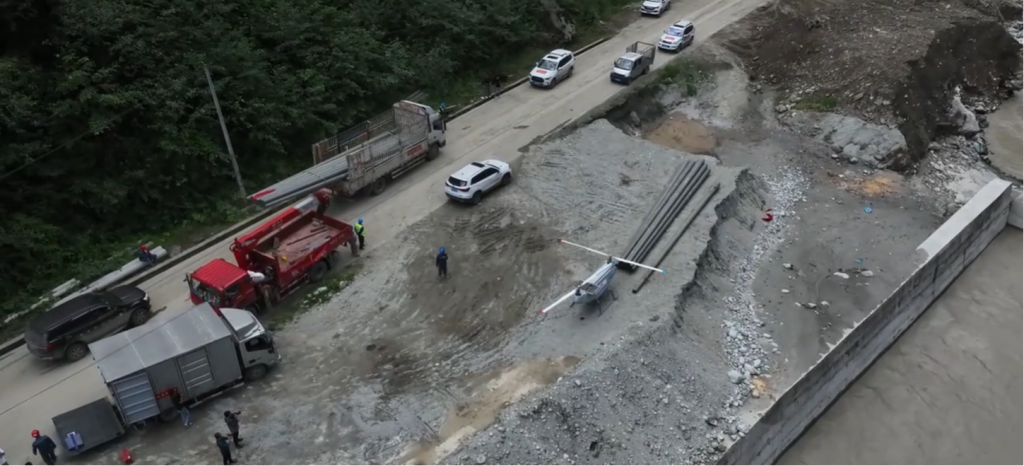
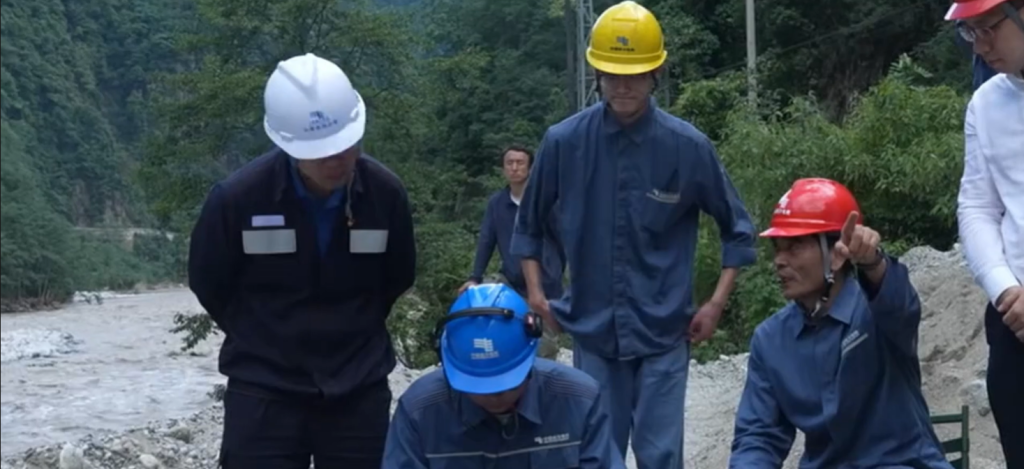
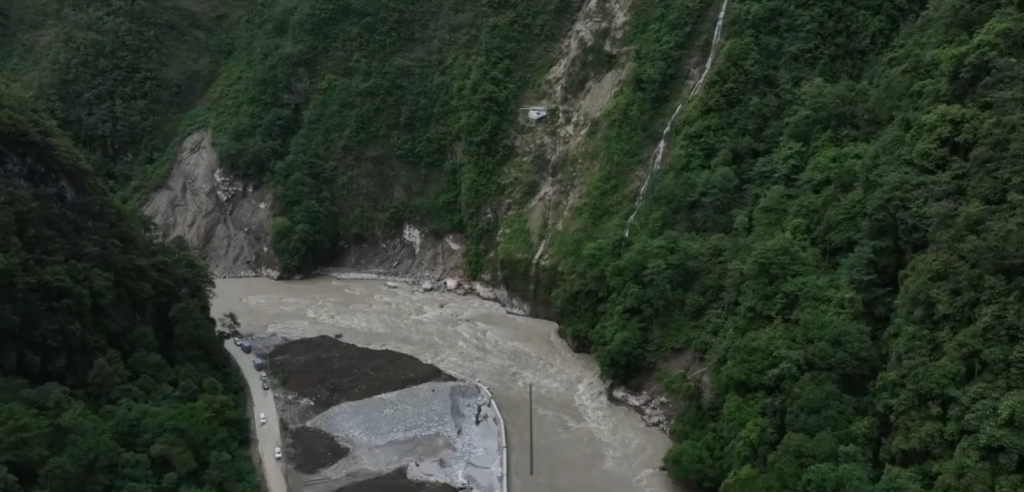
During flood and mudslide disaster relief operations in Dulongjiang, emergency teams faced significant challenges in transporting heavy infrastructure materials through a disaster-affected area.
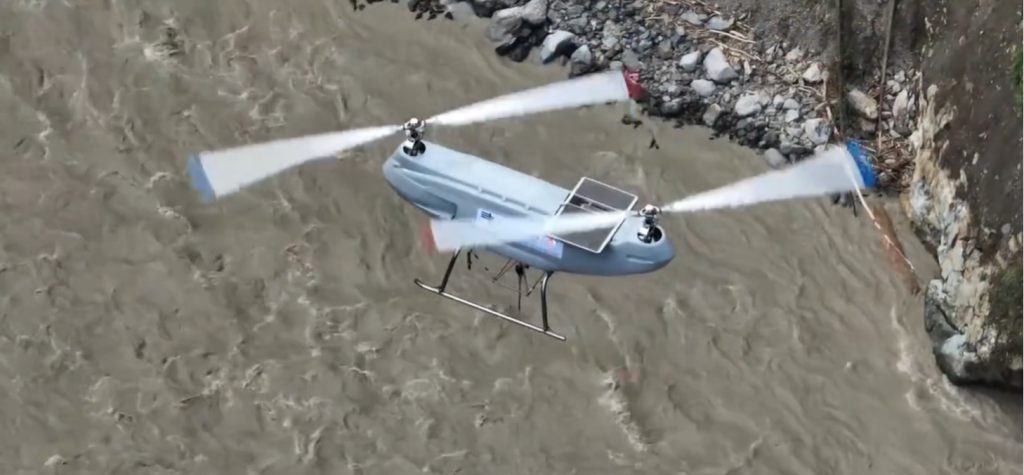
On June 8, a 300-kilogram heavy-load drone was deployed to support relief operations.
During the operation, the drone successfully lifted and transported a 160-kilogram electric pole from the disaster site to a designated location approximately 800 meters away.
The aerial transportation capability allowed the heavy material to bypass difficult ground conditions caused by flooding and mudslides, providing an efficient logistics solution for emergency infrastructure restoration.
The operation demonstrated the potential of heavy-lift UAVs to support rapid material transportation, emergency infrastructure recovery, and disaster relief operations in areas where conventional transportation is difficult.
The Challenge
Flood and Mudslide Conditions
The disaster area was affected by flooding and mudslides, creating difficult conditions for conventional transportation and emergency response.
Heavy Infrastructure Materials
Disaster recovery often requires the rapid transportation of heavy infrastructure components, such as electric poles and other power restoration materials. Moving these materials manually is difficult and requires significant manpower and equipment.
Limited Ground Access
Floods and mudslides can damage or block roads, making conventional vehicles difficult to deploy to affected areas. This can delay the delivery of essential materials needed for infrastructure recovery.
Time-Critical Relief Operations
Restoring damaged infrastructure is often a time-sensitive task. Emergency teams need transportation solutions that can operate even when normal ground logistics routes are disrupted.
The Heavy-Lift UAV Solution
A 300-kilogram heavy-load drone was deployed to provide aerial transportation support during the disaster relief operation.
The UAV transported a 160-kilogram electric pole over a distance of approximately 800 meters.
The operational workflow was:
Electric Pole Preparation
↓
UAV Payload Attachment
↓
Heavy-Lift Take-Off
↓
800 m Aerial Transportation
↓
Precise Delivery
↓
Emergency Infrastructure Restoration
By moving the electric pole through the air, the UAV avoided the need to transport the heavy component across difficult ground conditions.
How the Operation Worked
1. Prepare the Electric Pole
The 160-kilogram electric pole was prepared for aerial transportation and securely attached to the heavy-load UAV.
2. Lift the Payload
The 300-kilogram heavy-load drone gradually lifted the electric pole from the disaster relief site.
3. Conduct Aerial Transportation
The drone transported the heavy payload approximately 800 meters through the disaster-affected area.
4. Maintain Flight Stability
The UAV maintained controlled flight while carrying the heavy electric pole, allowing the payload to be transported safely toward the designated location.
5. Precise Delivery
The electric pole was delivered to the designated location, where it could be used for subsequent emergency infrastructure restoration.
Key Technologies
Heavy-Lift UAV
The UAV provides a high-payload aerial transportation capability for moving heavy materials in areas where conventional logistics are restricted.
300 kg Payload Class
With a payload capacity of approximately 300 kilograms, the drone can support transportation tasks involving heavy infrastructure components.
Aerial Logistics
Aerial transportation allows heavy materials to bypass blocked roads, flooded areas, and other ground transportation obstacles.
Precise Delivery
The UAV can transport heavy payloads directly to designated locations, helping reduce unnecessary ground handling.
Disaster Response Deployment
Heavy-load UAVs can provide flexible transportation support during emergency situations where conventional infrastructure has been damaged.
Project Results
160 kg Payload Successfully Transported
The heavy-load drone successfully lifted and transported a 160-kilogram electric pole.
800 m Aerial Delivery
The pole was transported approximately 800 meters from the disaster relief site to the designated location.
Reduced Dependence on Ground Transportation
The aerial delivery avoided the need to move the heavy pole through difficult flood- and mudslide-affected terrain.
Support for Emergency Infrastructure Recovery
The transportation mission provided logistical support for restoring damaged power infrastructure.
Demonstrated Heavy-Lift Disaster Response Capability
The operation demonstrated how heavy-load UAVs can be used to transport substantial infrastructure materials during disaster relief operations.