How Drone Logistics and Aerial Inspection Improved Construction Efficiency While Reducing Ground Impact
Project Overview
A power grid infrastructure project in the Gansu Plateau faced significant construction and transportation challenges due to complex mountainous terrain.
Traditional construction methods often require materials, equipment, and personnel to travel through difficult terrain, making transportation to remote tower sites time-consuming and potentially requiring additional road construction.
To improve construction efficiency while minimizing environmental impact, the project introduced a drone-based aerial transportation and inspection system.
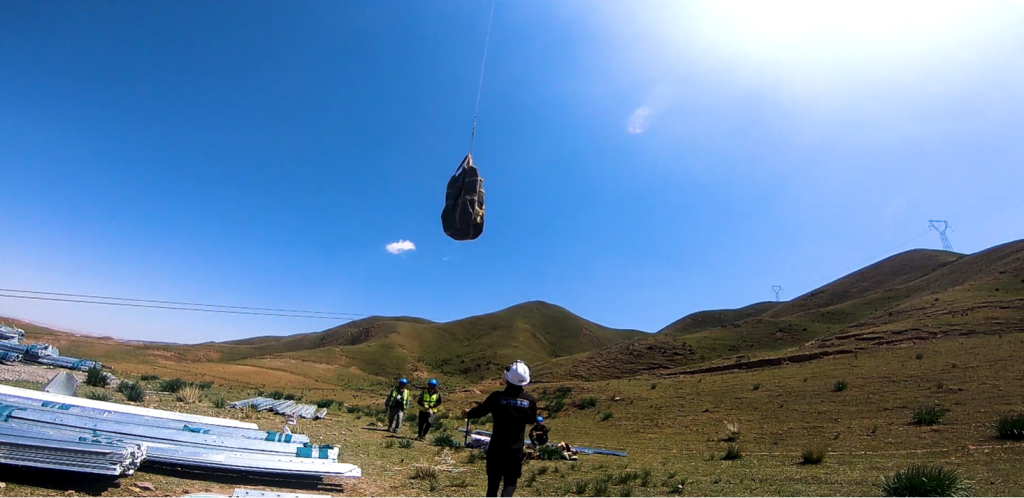
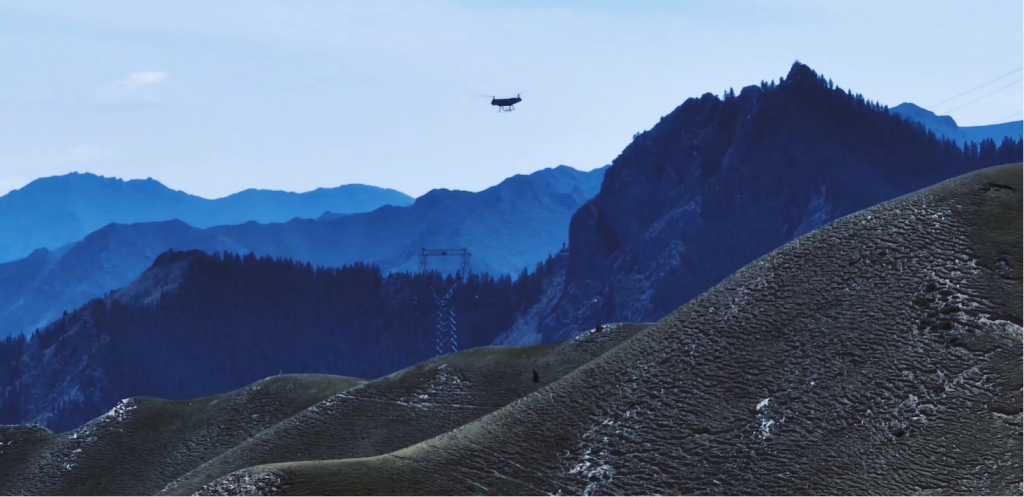
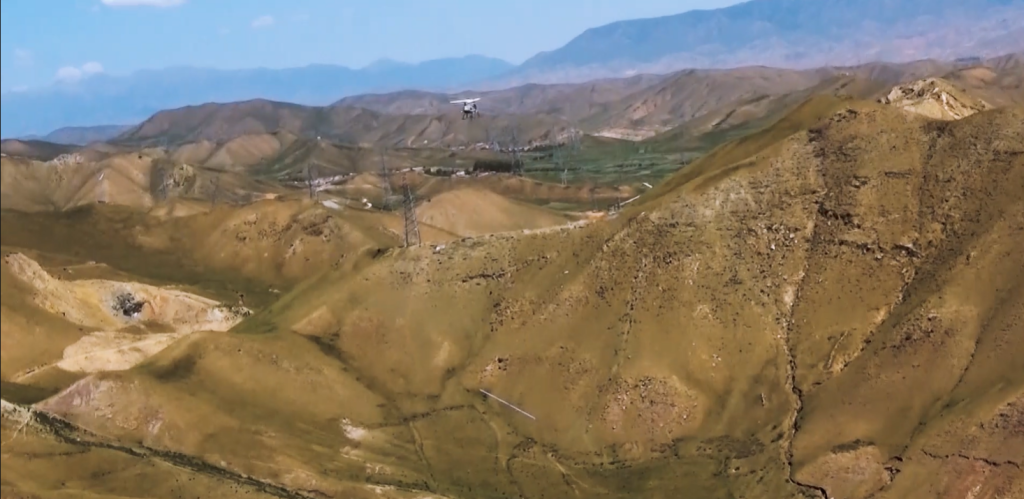
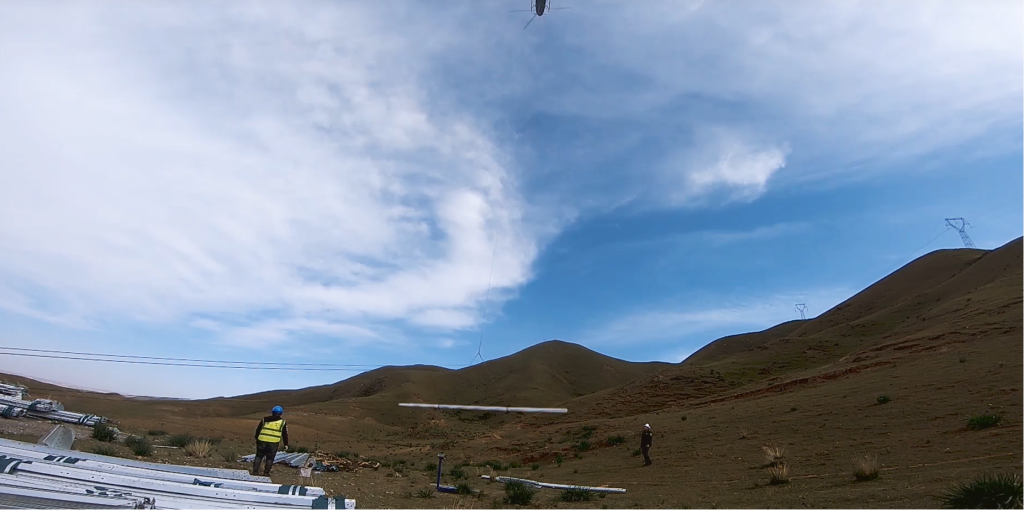
Drones were used to transport materials across complex terrain, continuously deliver supplies, and precisely deploy guide ropes for power line construction.
At the same time, drones equipped with high-definition imaging systems conducted aerial inspections and identified potential faults in real time.
The project established a new construction model:
Assembly at the Foot of the Mountain → Aerial Delivery → Construction on the Mountain
This integrated approach supported operations across the power transmission, transformation, and distribution process while helping achieve a low-impact construction model characterized by zero road construction and zero vegetation destruction.
The project achieved approximately 4× higher transportation efficiency for single-tower material delivery and 5× higher defect detection efficiency.
The Challenge
Complex Plateau Terrain
The project was located in the Gansu Plateau, where mountainous terrain and difficult ground conditions created challenges for power grid construction. Transporting materials and equipment to remote tower locations was particularly difficult.
Difficult Material Transportation
Power transmission tower construction requires the transportation of large quantities of materials to individual construction sites. Traditional ground transportation can be slow and highly dependent on existing roads and terrain conditions.
Limited Access to Remote Tower Sites
Some construction locations are difficult to reach using conventional vehicles. Building temporary access roads can increase both project costs and environmental disturbance.
Guide Rope Deployment
Power line construction requires the deployment of guide ropes across complex terrain. Traditional manual deployment can require significant personnel and time.
Need for Construction Inspection
Construction teams also need to identify potential defects and problems during the project. Ground-based inspection can be time-consuming when construction areas are geographically dispersed.
Environmental Protection Requirements
The project required construction methods that minimized disturbance to the plateau environment. Avoiding unnecessary road construction and vegetation damage was therefore an important project objective.
The Drone-Based Construction Solution
The project introduced an integrated drone transportation and aerial inspection system.
The solution combined:
- Aerial material transportation
- Guide rope deployment
- High-definition aerial inspection
- Real-time fault detection
- Ground-based assembly
- Mountain construction operations
The core transportation model was:
Assembly at the Foot of the Mountain
↓
Aerial Delivery by Drone
↓
Construction at the Mountain Site
Instead of extending roads to every remote construction site, materials could be assembled at accessible locations and transported through the air. This reduced dependence on ground transportation and helped minimize the need for new access roads.
How the Drone Construction Workflow Works
1. Assemble Materials at the Foot of the Mountain
Construction materials are gathered and prepared at accessible locations near the base of the mountain. This creates a centralized staging point for subsequent aerial transportation.
2. Load Materials onto the Drone
The required materials are prepared according to the transportation mission and loaded onto the drone.
3. Deliver Materials by Air
The drone transports construction materials directly to designated mountain construction sites. This allows materials to bypass difficult ground routes and terrain obstacles.
4. Deploy Guide Ropes
Drones are also used to precisely deploy guide ropes across complex terrain. This reduces the need for manual transportation and deployment over difficult ground conditions.
5. Conduct Aerial Inspection
Drones equipped with high-definition imaging systems inspect transmission infrastructure and construction areas.
6. Detect Potential Faults
The aerial inspection system identifies potential defects or abnormalities in real time, allowing construction teams to respond more quickly.
7. Coordinate Ground Construction
Ground teams receive the required materials and use the aerial inspection information to continue construction and maintenance activities. This creates a coordinated air-ground construction workflow.
Key Technologies
Heavy-Lift Drone Transportation
Drones provide an aerial transportation option for moving construction materials to remote mountain sites.
This reduces dependence on ground routes and improves access to difficult locations.
Precision Guide Rope Deployment
Drone-assisted guide rope deployment enables ropes to be positioned across complex terrain with greater flexibility and precision.
High-Definition Aerial Inspection
High-definition imaging systems provide detailed visual information for monitoring transmission infrastructure and construction conditions.
Real-Time Fault Detection
Aerial inspection allows potential defects and abnormalities to be identified during construction and inspection operations.
Air-Ground Collaboration
The system integrates aerial transportation and inspection with ground-based assembly and construction.
Project Results
4× Higher Material Transportation Efficiency
The drone-based transportation model increased the efficiency of delivering materials to individual tower sites by approximately 4×.
5× Higher Defect Detection Efficiency
Drone-based high-definition aerial inspection improved defect detection efficiency by approximately 5×.
Zero New Road Construction
The aerial transportation model supported construction without requiring new access roads to be built for remote tower sites.
Zero Vegetation Destruction
By reducing the need for ground access and temporary road construction, the project helped minimize disturbance to existing vegetation.
Faster Access to Mountain Construction Sites
Drone transportation enabled materials to be delivered directly through the air, reducing dependence on difficult mountain routes.
Continuous Aerial Support
Drones could support both transportation and inspection operations, creating an integrated aerial service throughout the construction process.