How Long Does A Battery Last on A Drone?

When you’re preparing to purchase a drone, one of the first questions that comes to mind is: how long does a battery last on a drone?
Although the question seems simple, the answer is not a fixed number. A drone’s battery life depends on multiple factors, including the drone model, battery capacity, flight style, payload weight, and environmental temperature.
In this article, we will comprehensively explore the real-world battery performance of drones, from consumer-grade to industrial-grade drones, and from single-flight duration to overall battery lifespan.
Quick Answer: How Long Does a Drone Battery Last?
If we provide a general reference range, for pure electric drones, it can be understood as follows:
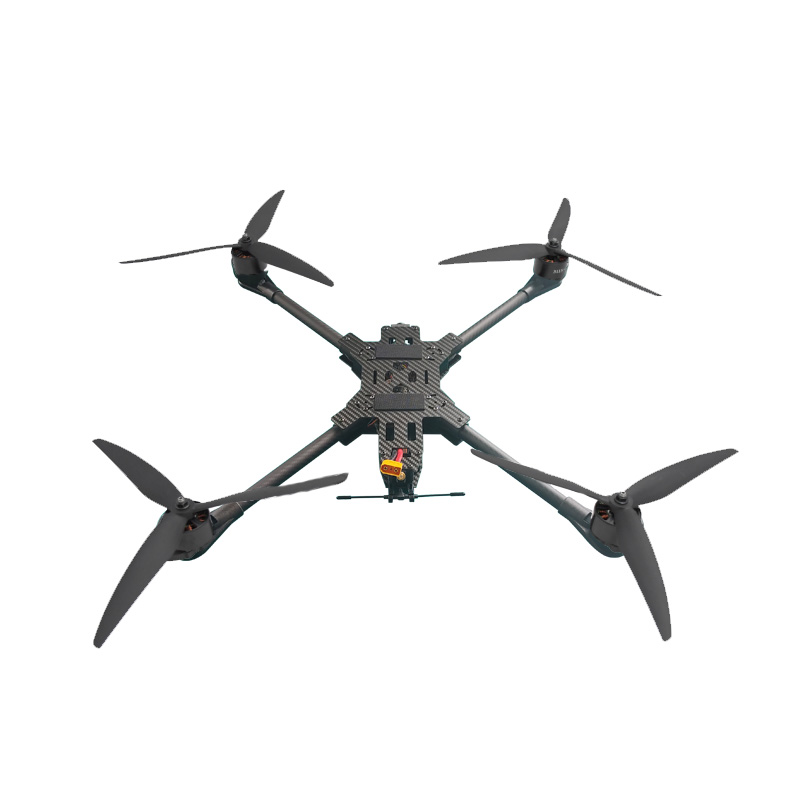
- Consumer multirotor drones: approximately 20–35 minutes
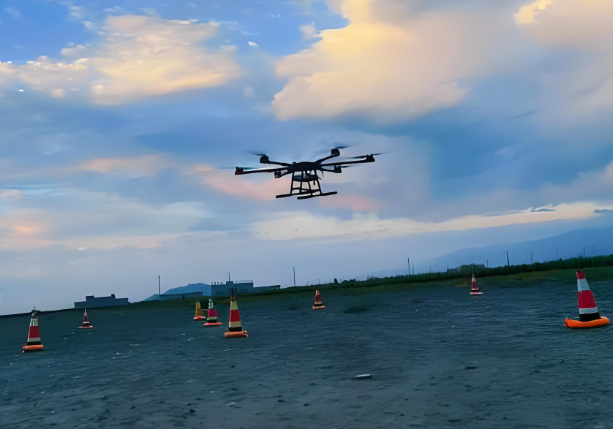
- Industrial multirotor drones: approximately 30–60 minutes
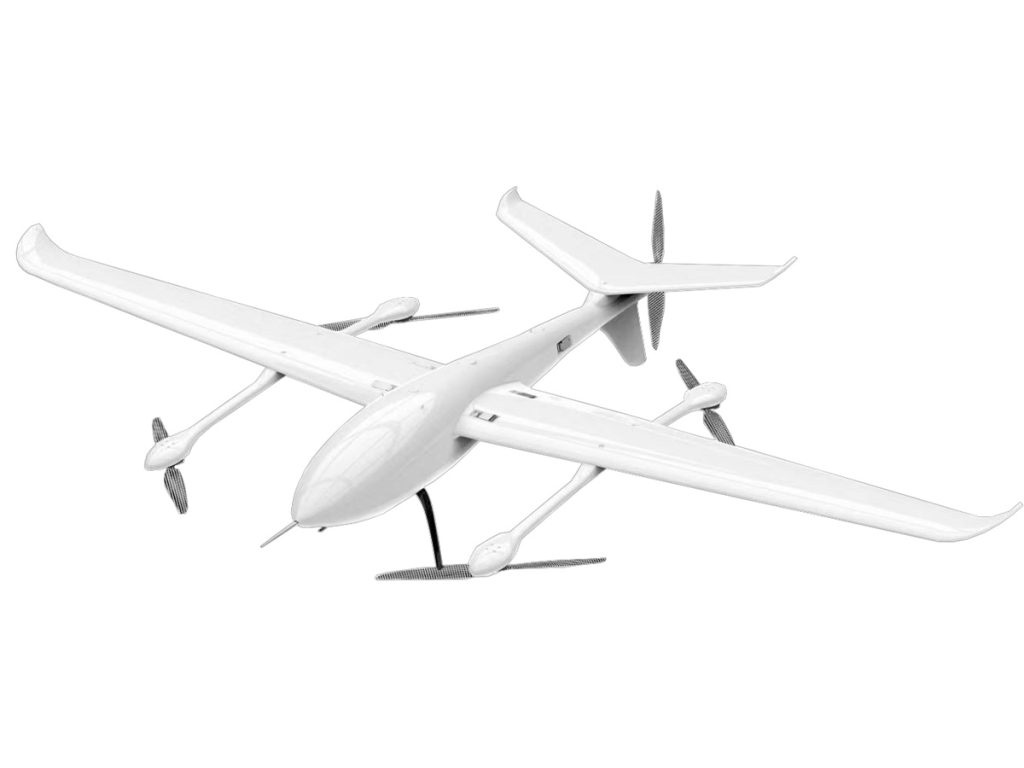
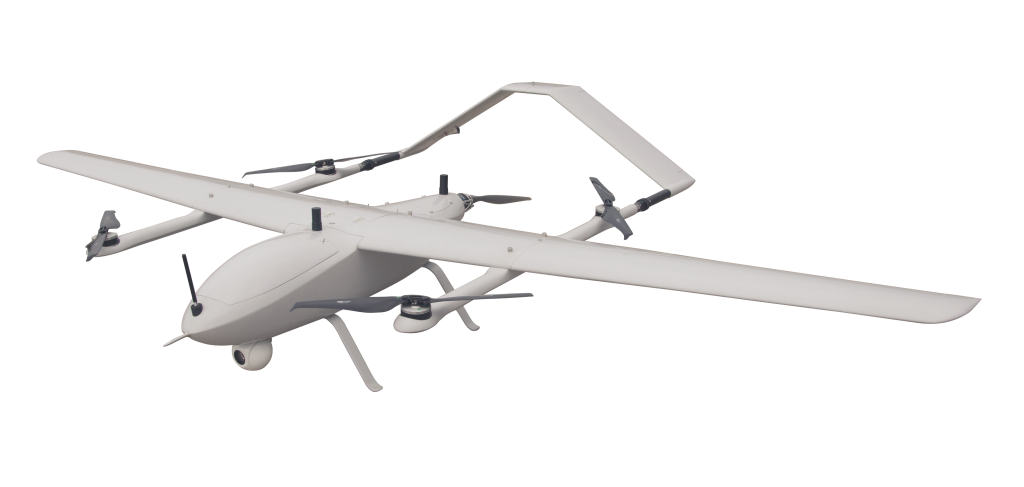
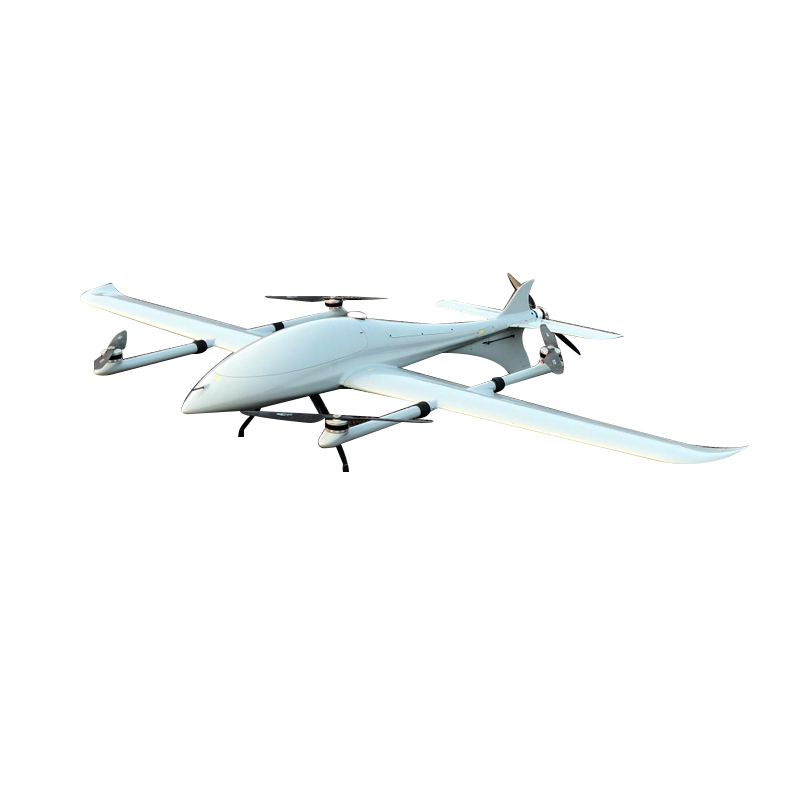
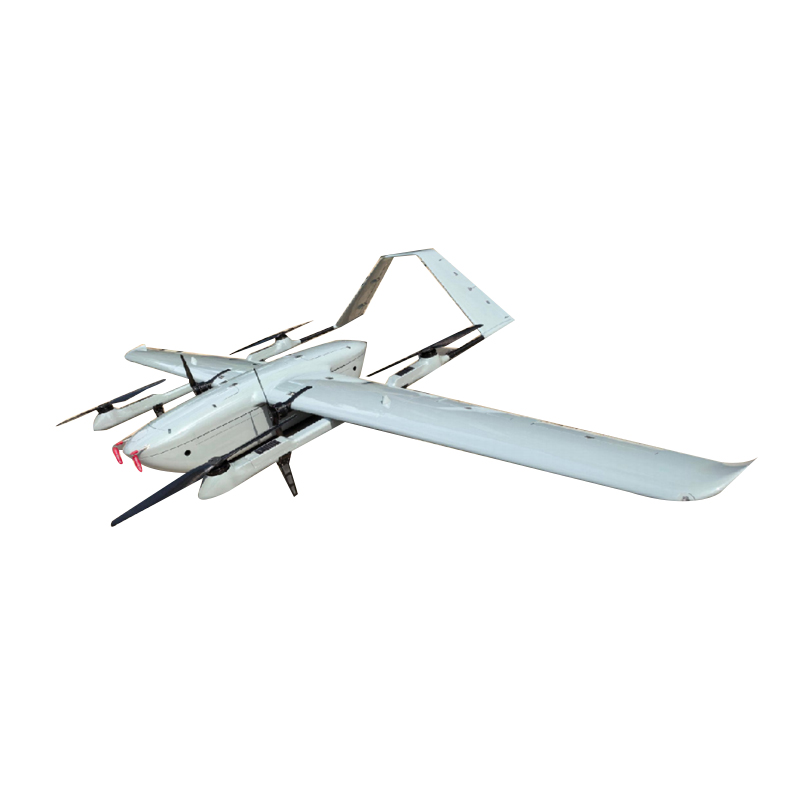
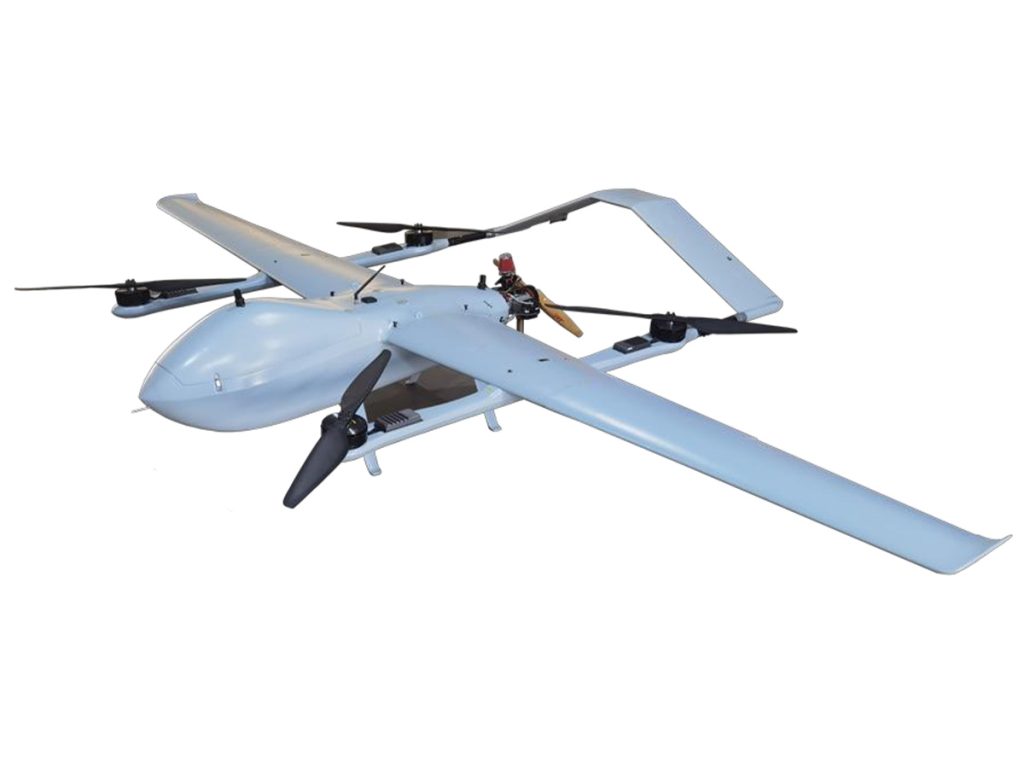
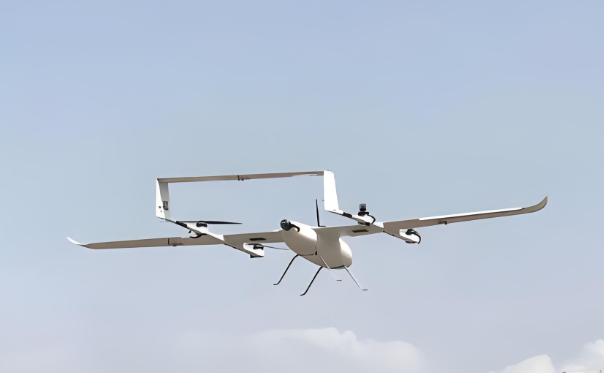
- Industrial fixed-wing drones: approximately 1–3 hours
how long does a drone battery last
It is essential to note that the actual flight time is always 10-25% lower than the advertised specifications by the manufacturer. This is because the actual flight times are often conducted in perfect conditions, such as no wind, standard payload, standard cruise speeds, and standard battery temperatures, among others. In the real world, the conditions can be much more demanding.
For example, models like the DJI Mini series are advertised with a flight time of around 30 minutes. In practical use, if there are stronger winds, frequent acceleration and deceleration, or extended hovering for filming, the real flight time typically falls between 22–28 minutes.
Therefore, when someone asks, “how long does a battery last on a drone?” the most accurate answer is it depends on the type of drone, as well as the specific operating environment and flight behavior.
Battery Endurance Comparison of Different Types of Drones
Dissimilar complexities in build, power system, or usage make battery usage widely vary for drones. The purpose of this battery comparison is to demonstrate notable differences between consumer drones, industrial multirotor drones, and fixed-wing drones.
Consumer Drones
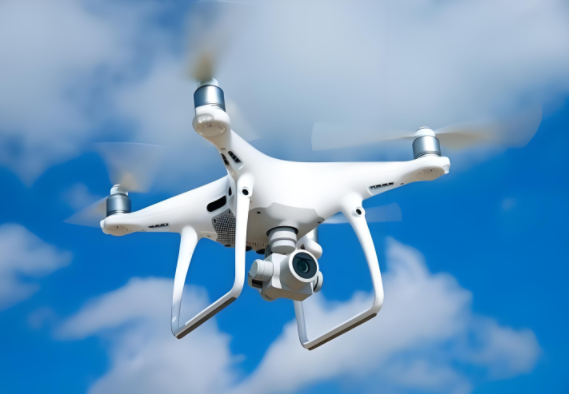
Consumer drones are especially designed for personal photoshoots and multimedia production, hence focusing primarily on portability, ease-of-operation, and imaging capabilities. One highlight of such drones would be light-weighted frames that would make them rather portable, whereas the drones are powered on by a single large-capacity lithium battery. These drones are used mainly for aerial photography.
Average flight time: approximately 25–34 minutes
Consumer drones could be used for carrying out quick aerial photography, travel footage, and vlogging. Also, small in size, low battery capacities, and extensive hovering often result in variations or reductions in flight times according to one’s intention and varying flying conditions.
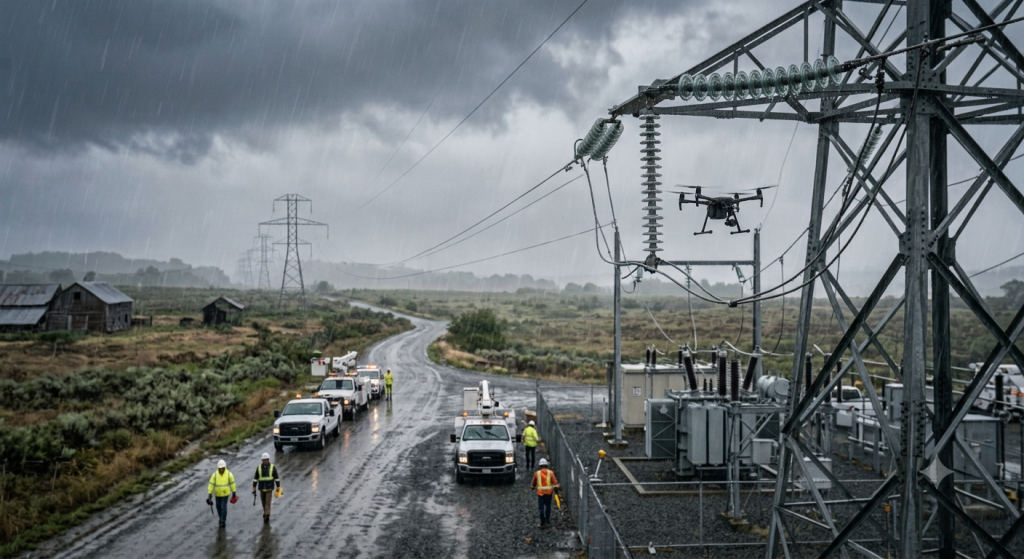
Industrial Multirotor Drones
Industrial fixed-wing drones generate lift through their wings and use this to fly instead of constantly hovering, and this makes them far more energy-efficient and capable of significantly longer flight times. Fixed-wing drones are highly efficient in flight and consume little energy, making them useful for operations that take place over long distances.
In practice, they are used most frequently for large area inspections, agricultural mapping, pipeline monitoring, coastal surveillance, and border patrol. Designed for prolonged operations, fixed-wing drones must land sooner than they vertically take off.
Typical flight time: 35–55 minutes
It is important to note that when carrying additional payloads, flight time may decrease, sometimes by 15%–30%.
Industrial Fixed-Wing Drones
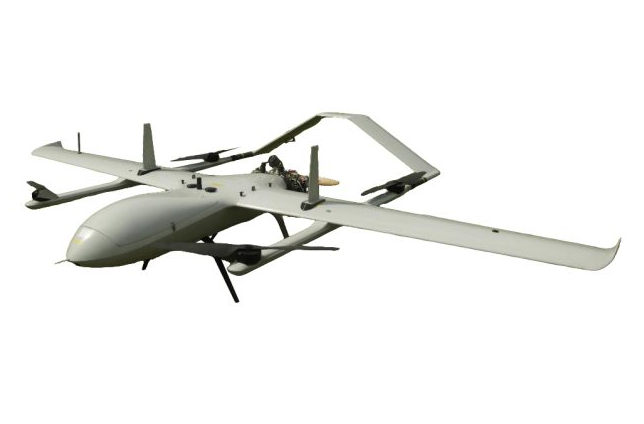
Fixed-wing industrial drones elevate using their wings rather than hovering perpetually, which makes them highly energy efficient and with enormously longer flight durations in comparison. They are very efficient in the air with minimal energy use and are suitable for long-distance missions.
Fixed-wing drones are frequently used for large-area inspections, agricultural mapping, pipeline inspections, coastal surveillance, and border police coverage. The propulsion system they have does not allow hovering and needs relatively perfect takeoff and landing areas (with the exception of hybrid vertical takeoff and landing applications).
Flight time: 1–3 hours (for pure electric models)
Summary Table
| Drone Type | Features | Average Flight Time | Typical Applications |
| Consumer Multirotor | Lightweight, single battery, high energy density, designed for recreational aerial photography | 25–34 minutes | Short aerial shoots, travel filming, vlogging |
| Industrial Multirotor | Dual-battery redundancy, hot-swappable, strong wind resistance, supports multiple payloads | 35–55 minutes | Surveying, power line inspection, agricultural spraying, security patrol |
| Fixed-Wing Drone | Efficient aerodynamic design, low energy consumption, long endurance | 1–3 hours | Large-area inspections, agricultural mapping, pipeline monitoring, border patrol |
Key Factors Affecting Drone Battery Endurance
A drone’s battery endurance is not a fixed value—it is influenced by multiple factors, including the battery itself, flight style, payload, and environmental conditions. Understanding these factors can help more accurately estimate a drone’s actual flight time.
Battery Capacity (mAh / Wh)
Battery capacity directly determines the theoretical flight time. A larger capacity stores more energy, allowing for longer flights. However, higher-capacity batteries usually add weight, which can affect takeoff performance and maneuverability. When designing a drone or choosing a battery, it is important to balance flight time with the overall weight of the aircraft.
Voltage System (4S / 6S / 12S)
The voltage system for a drone influences the output power and efficiency of a drone’s motors. High-voltage systems (such as 6S or 12S) usually give higher power efficiency, making a good choice for most industrial drones which have long-duration or high-payload missions.
On the other hand, a lower-voltage system (like 4S) is more popular among consumer drones designed for lightweight considerations and shorter flights. Therefore, voltage choice does not only affect the endurance of the drone, but also performance and stability.
Flight Style
The way a drone is flown can have an enormous impact on the battery’s energy. Hovering burns more power than moving forward smoothly in an individual direction, while the additional climb/descent also increases energy usage. Refined cruising is, therefore, the most energy-efficient flight mode.
For complete surveys or examinations, flight planning based on maintaining operational speed at all times represents an even better prospect of significantly improving flight endurance.
Payload Weight
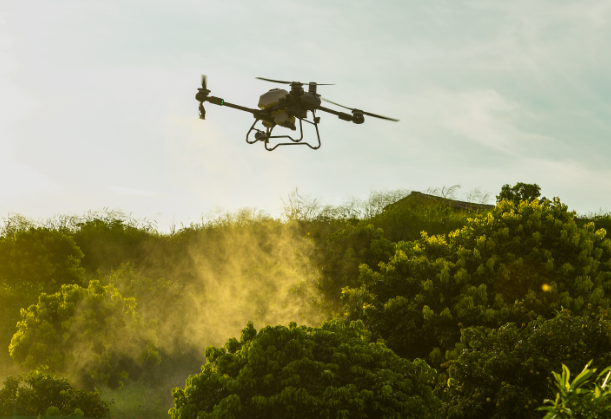
The payload a drone carries can greatly affect its flight time. Common payloads include gimbaled cameras, thermal imaging devices, LiDAR sensors, and agricultural spraying systems. Additional weight requires the motors to work harder to maintain flight, which increases energy consumption and reduces endurance. Task planning should always consider how payload weight affects flight duration.
Environmental Temperature
Temperature has a lot of impact on battery performances. In theory, lower temperatures reduce the efficiency of lithium discharge hence decreasing flight time; high temperatures cause accelerated battery aging and decreased lifespan.
The perfect drone operating temperature range would fall from 15°C to 25°C. Insulation or active air cooling becomes important when flying in extreme cold or hot conditions, just to ensure the optimum performance and safety of the flight.
How to Extend Drone Battery Life?
Extending your drone’s battery life not only increases single-flight endurance but also prolongs the overall lifespan of the battery. Here are several practical methods.
1. Avoid Fully Discharging
Lithium batteries should not be drained completely. Fully discharging a battery for long periods can damage its internal chemical structure, reducing both flight time and lifespan. It is recommended to return or land the drone when the battery level reaches around 20%–30% to protect battery health.
2. Maintain Proper Temperature
Battery performance decreases in cold temperatures, so preheating the battery before flying in cold environments helps ensure it reaches the optimal operating temperature. Similarly, high temperatures can accelerate battery aging, so avoid using batteries that are exposed to direct sunlight or excessive heat. Maintaining proper temperature helps extend battery life.
3. Use the Original Charger
Using the manufacturer’s original charger provides stable voltage and current, preventing overcharging, overvoltage, or incompatible charging conditions. Proper charging is essential for protecting the battery and extending its lifespan.
4. Store with Appropriate Charge
For long-term storage, keep the battery charge around 50%–60% rather than fully charging or completely draining it. This minimizes damage from self-discharge and ensures the battery is in optimal condition for the next use.
5. Cycle the Battery Regularly
Batteries left unused for long periods can experience capacity loss and reduced charge/discharge performance. Even if the drone is not being used, periodically cycling the battery helps maintain its activity and ensures stable performance.
What’s the Difference Between Flight Time and Battery Lifespan?
Many drone users often confuse single-flight time with battery lifespan. In fact, these are two distinct concepts.
Flight Time
The flight time is the duration in hours, and the drone can perform its function by air with just one full charge. The drone type influences a few things, for instance, the battery capacity, the weight of its accessories, the environment, and so on. By far, the time that any battery can spend in the air is the true-to life gauge of any battery. It is especially important for day-to-day flying-activity scheduling.
Battery Longevity
The battery life of a drone comprises the full swing in repeated charge-recharge cycles that ensure the maintenance of the battery’s performance. This capacity of the battery decreases with the number of charge-recharge cycles, and with the decrease in the efficiency below 80% of the original efficiency, the performance is also stated to deteriorate, in that multiple recharges are needed just to sustain minimal flying time.
Typical Lifespan by Drone Type
- Consumer drone batteries: About 200–300 cycles
- Industrial drone batteries: About 300–500 cycles
Regardless of whether a battery is still serviceable, its running time gets reduced with an increase in the number of cycles. Therefore, when using a drone, it is important to have due regard not only of the length of time the drone can fly within a session but also to pay attention to the health and cycle count of the batteries, which determines the proper timing for forward planning of replacements or maintenance.
Looking for a Drone That Has a Longer Flight Life?
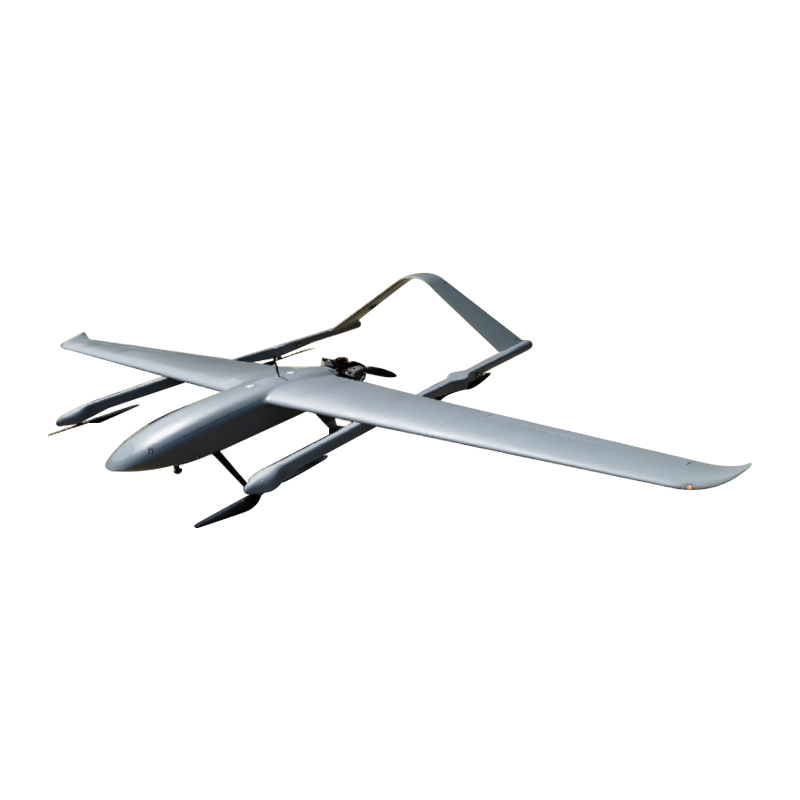
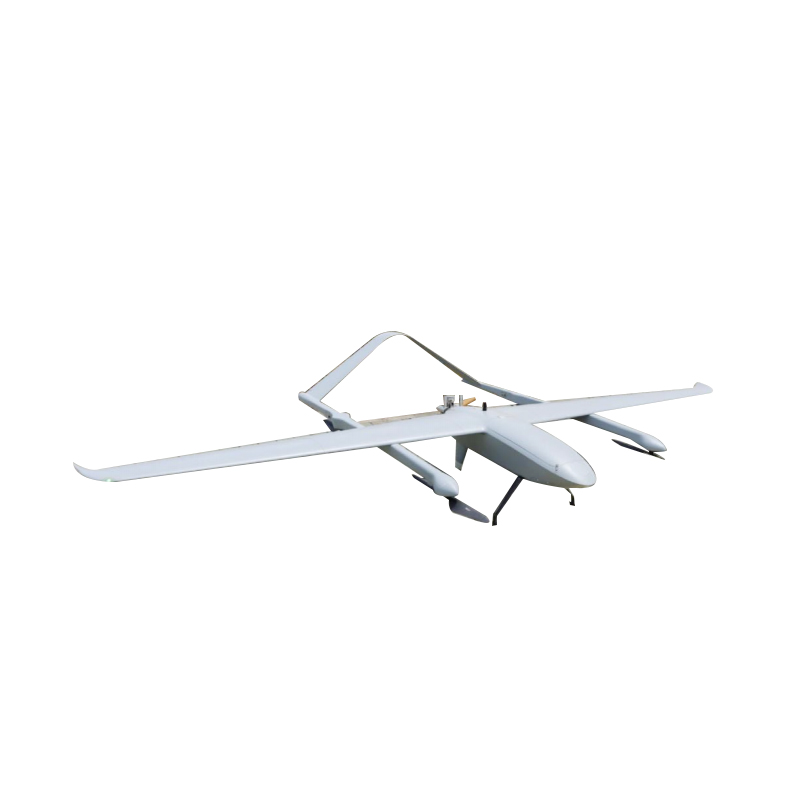
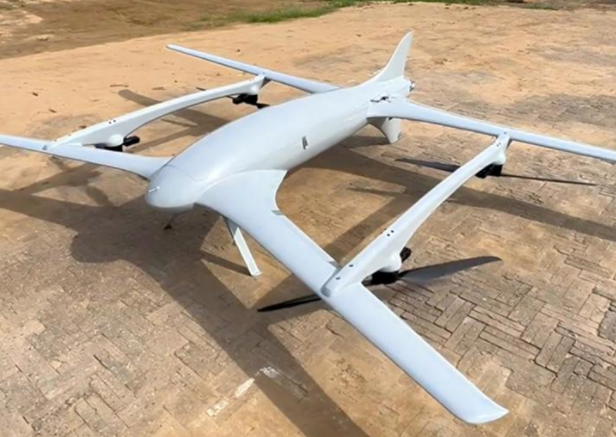
Commercial long-endurance drones can fly for about 3–3.5 hours thanks to the masts, with VastArrive electric fixed-wing drones known to typically last that long. These drones are particularly effective for industrial tasks like inspections, surveys, and agriculture. Their flight time is sufficient for a day-to-day kind of job, while their efficiency in confounding situations is impeccable.
For cases in which one must extend their mission duration, hybrid drones offer a more expansive option. Hybrid drones bring together electrical and combustion energy, facilitating some flights of 10 hours straight. They are therefore better intended for long-range patrol missions, border monitoring, inspection of pipelines, or mass aerial spraying that may require continuous flight for an even longer period.
Hybrid drones are also capable of switching modes between fuel and electric power, maximizing energy efficiency and rendering long-endurance missions cost-effective and reliable.
Final Thoughts
Going back to the original question: How long does drone battery last?
Though the answer is not as specific, modifying the design of an item will give a substantial increase in real world flight time. Enhancing rechargeable batteries’ capacity, aircraft integrity & flight patterns, and as well as the issue of battery care are all significant.
For smooth operations and improved uniform flight times, both VastArrive electric fixed-wing drones and hybrid drones are great choices. As far as endurance goes, for medium-range or long flight; these drones can satisfy the demands of various industrial and professional purposes.
Related Products