How Drone Roof Cleaning Makes High-Rise Building Cleaning Safer and Easier?

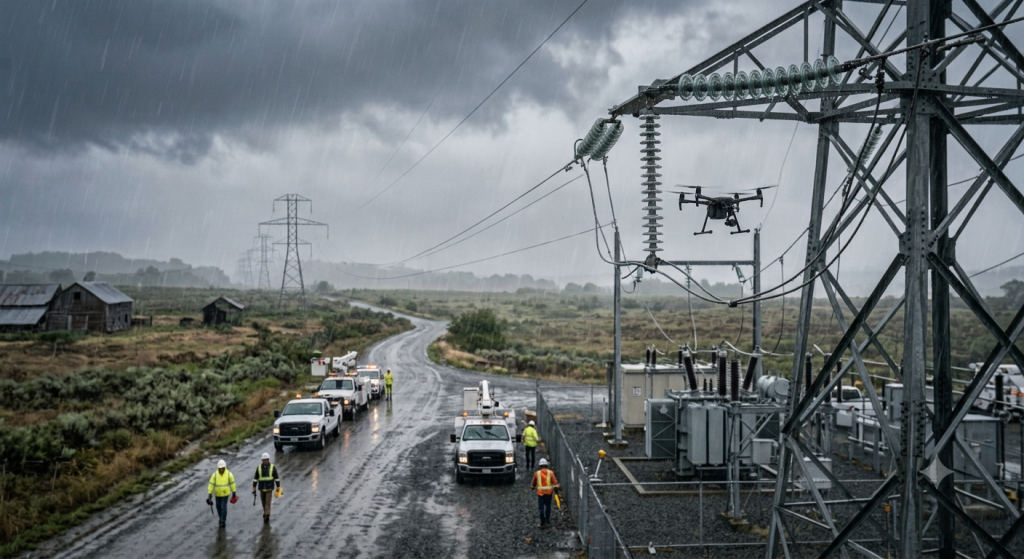
In the field of building maintenance, drone roof cleaning is rapidly emerging as an innovative and highly efficient solution. Compared to traditional manual cleaning methods, drones not only enhance safety but also significantly improve operational efficiency, especially for high-rise buildings and large roof areas.
If you are looking for a safer and more cost-effective way to clean roofs, drone cleaning may be exactly what you need. Let’s explore it further in this article.
What is Drone Roof Cleaning?
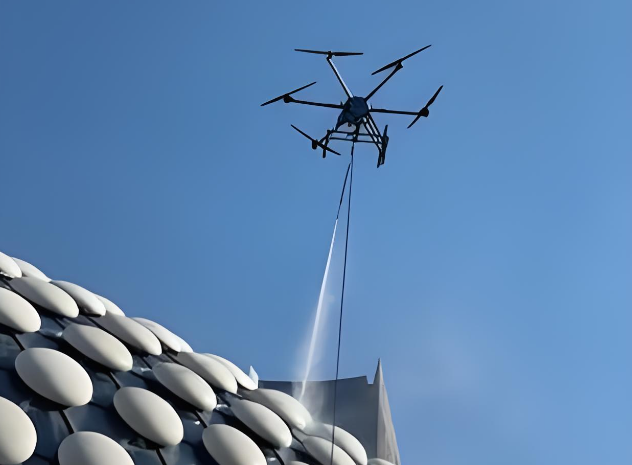
Drone roof cleaning means an advanced roof cleaning technique in which drones that have a spraying system mounted on them are used for roof cleaning purposes. It generally consists of low pressure cleaning (soft washing) along with environment friendly cleaning products to get rid of various impurities like moss, algae, dust, pollutants, and stains like bird droppings.
Such a method is ideally suited for all types of applications ranging from residential, commercial, industrial roofs to solar panels as well.
How Does Drone Roof Cleaning Work?
Roof drone cleaning commonly follows a standard process for the process to ensure ultimate efficient results and operational safety. Generally described, the drone is deployed parallel to one or another or both sides of the roofline, and then, after the wind speed control is ascertained, the downward flow of the water is created as per the procedure. These include:
Roof Inspection
A drone inspection starts the process with the collection of high-quality images or video footage of the roof in order to understand the extent of its contamination and damage to create an optimal cleaning plan.
Equipment Setup
The drone is fitted with a spraying system and environmentally friendly cleaning solutions according to the findings of the inspection. All other necessary parameters such as flight paths and pressures are pre-programmed into the device.
Drone Cleaning
The drone is handled by an operator standing on the ground to ensure that the spray is fine and even onto the rooftop. This method mostly makes use of low pressure cleaning (soft washing) for proper removal of moss, algae, and dirt as well as markings with no damages to the materials of the structure.
Final Check
In case of cleaning, the drone will be dispatched again to carry out the study of the cleaned state of the roof to confirm that all marked regions have been actually cleaned. In case any of the marked areas were not cleaned, the drone is used to fly back for a second go at spot cleaning; or hovered over the damaged area to allow minimal spot cleaning to take place for the best final finish together with the other previously cleaned segments.
Advantages of Drone Roof Cleaning
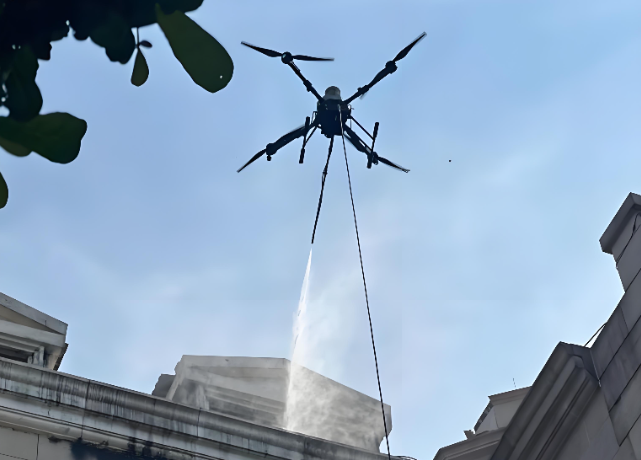
With growing attention being paid to safety, efficiency, and sustainability in the building maintenance sector, drone roof cleaning slowly becomes evident in its distinct advantages. The subsequent section highlights the primary benefits of Drone Roof Cleaning in various perspectives:
Enhanced Safety
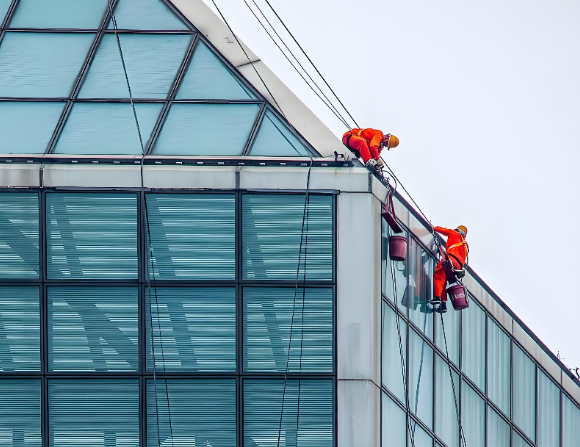
Traditional method of cleaning the roof always requires climbing to the height or setting up scaffolding, which is very risky as far as health and safety of workers are concerned. In case of drone cleaning, however, there is no risk at all, as all procedures can be performed remotely.
High Efficiency
These UAVs are highly flexible, so that one can easily clean an enormous surface during a short amount of time. Comparing with traditional cleaning methods, a drone cleaning process will enable saving much time, especially considering that we speak about industrial facilities.
Greater Cost-Effectiveness
By reducing the need for manual labor, scaffolding, and related safety equipment, drone roof cleaning offers clear cost advantages. Although the initial investment in equipment may be higher, it proves to be more economical in the long run due to improved efficiency and reduced operational costs.
More Environmentally Friendly
Drone cleaning typically uses low-pressure washing (soft washing) combined with biodegradable cleaning agents. This approach effectively removes contaminants while minimizing environmental impact. Additionally, the gentle cleaning method helps protect roofing materials and extend their lifespan.
Drone Roof Cleaning vs Traditional Roof Cleaning
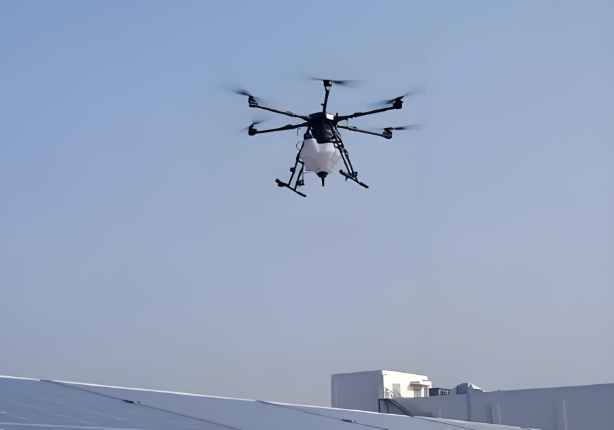
In the field of building maintenance, drone roof cleaning and traditional manual cleaning methods show significant differences across several key aspects. With the advancement of technology, drone-based solutions are increasingly becoming a more efficient and safer alternative.
| Comparison Factor | Drone Cleaning | Traditional Cleaning |
| Safety | High | Medium/Low |
| Working Speed | Fast | Slower |
| Labor Cost | Lower | Higher |
| Risk of Roof Damage | Low | Higher |
With regard to safety, the process is conducted from the ground by remote control, eliminating the possibility of working at heights, thus making it safer than conventional cleaning. In the case of conventional cleaning, the work may involve working at heights, either through scaffolding or climbing.
Efficiency is another point where the two methods differ. While drones can clean vast spaces within minimal time, the traditional method may involve significant time and human resources.
As for cost effectiveness, despite the high capital cost involved in deploying drones, the maintenance and operating costs are relatively lower in comparison to traditional methods.
When it comes to the condition of roofs after cleaning, the drones’ cleaning process involves low pressure spraying, thus minimizing chances of damage to the roofs.
Drone roof cleaning demonstrates clear advantages across multiple dimensions and is gradually transforming the traditional building cleaning industry.
Is Drone Roof Cleaning Safe?
Many users often wonder whether drone roof cleaning could potentially damage the roof.
Actually, drone roof cleaning is a secure cleaning method carried out by a professional group of cleaners. While regular roof cleaning is performed using high-pressure washing, drone roof cleaning utilizes low-pressure washing methods, along with an eco-friendly agent to clean the roofs safely.
What’s more, drones have the capacity to ensure the spraying angles and area are accurate so that the process becomes less stressful for materials that are being washed. Thereby, fewer water impacts occur as compared to other types of roof washing.
Moreover, as no personnel needs to walk around on roofs, there is less stress put on structures from walking. It is another aspect that enhances the safety of this cleaning method.
Consequently, if the drones are used to wash roofs, one can be sure that both roof longevity and safety will increase significantly.
What Scenarios Are Suitable for Drone Roof Cleaning?
Roof cleaning with drones is now a common practice in many situations where conventional cleaning methods may be impractical, too costly, or even dangerous. With the benefits offered by the technique in terms of efficiency and convenience, drone roof cleaning has become quite popular among building maintenance services.
High-Rise Apartments and Villas
With buildings like high-rise apartments and villas having complicated roofs, conventional cleaning methods involve the use of scaffolding or high-level activities that could pose dangers and cost a lot. Drones are able to clean without putting anyone at risk since the cleaning takes place in mid-air.
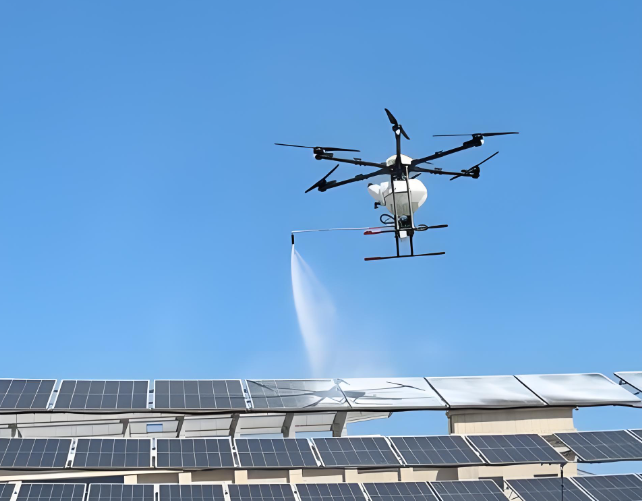
Solar Power Stations (Photovoltaic Panel Cleaning)
Solar panels require a high level of cleanliness to maintain energy efficiency. Dust and dirt can directly reduce power generation performance. Drone cleaning for solar panel provides gentle, low-pressure washing that effectively cleans panels without damaging their surface, making it an ideal solution for solar farms.
Commercial Complexes
Large commercial buildings such as shopping malls and office towers usually have extensive roof areas. Manual cleaning can be time-consuming and disruptive. Drone cleaning allows for fast coverage of large surfaces, making it ideal for regular maintenance with minimal impact on business operations.
Industrial Plants and Warehouses
In industrial plants, there is a tendency for buildings to have very tall and high rooftops, which makes manual maintenance rather difficult and expensive. With drone cleaning services, maintenance can be conducted without disturbing industrial processes, thereby enhancing the efficiency of the process.
Hard-to-Reach Roof Structures
For roofs with steep slopes, complex designs, or hazardous areas, manual cleaning is often impractical. Drones can easily access these difficult zones and ensure complete and thorough cleaning coverage.
VastArrive Cleaning Drone for Roof Cleaning
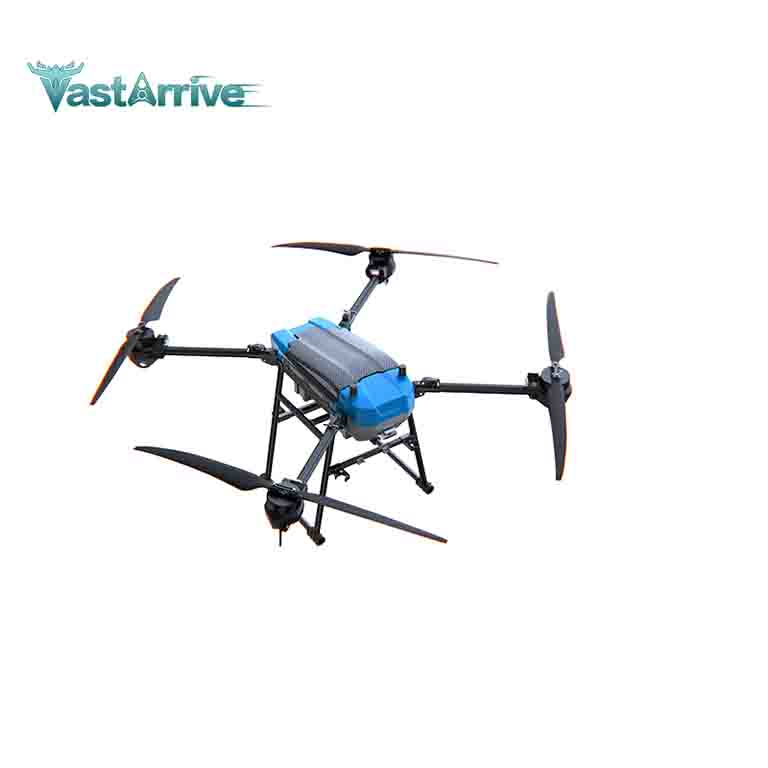
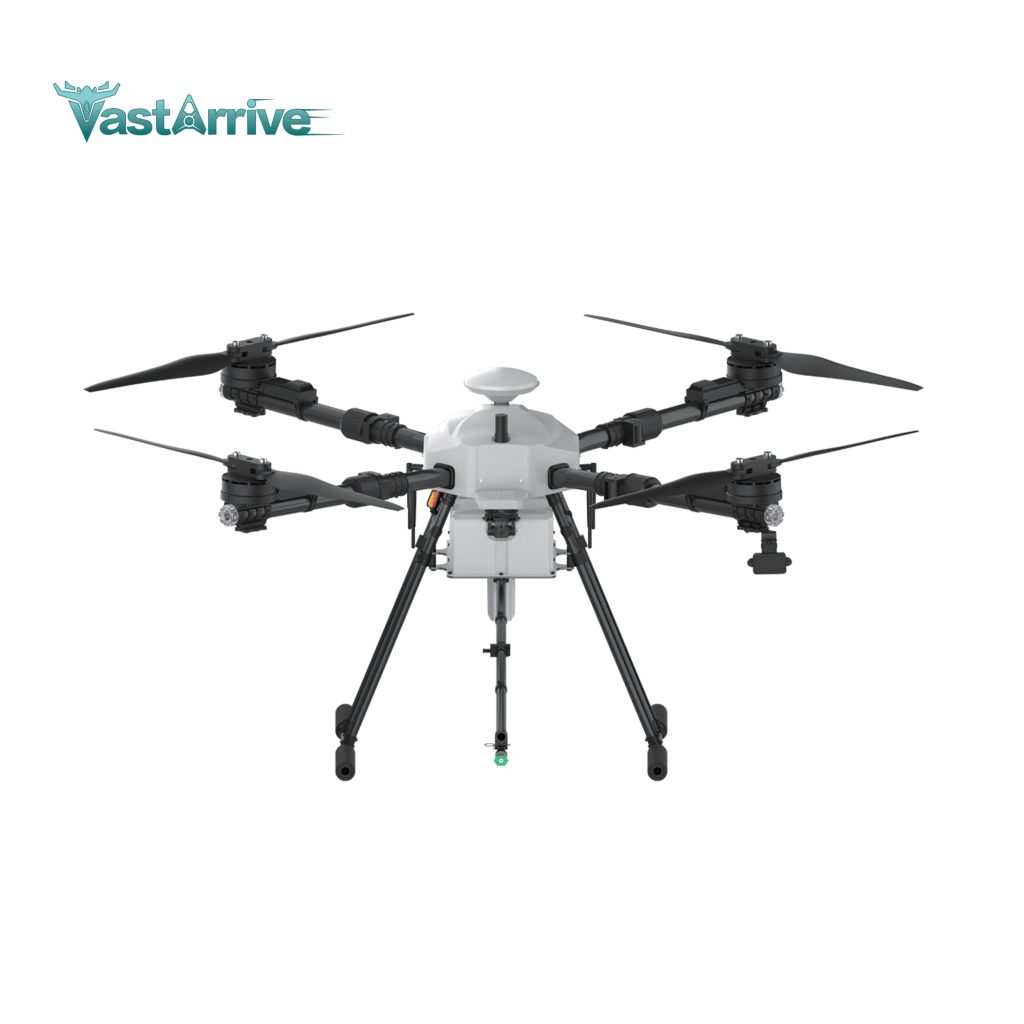
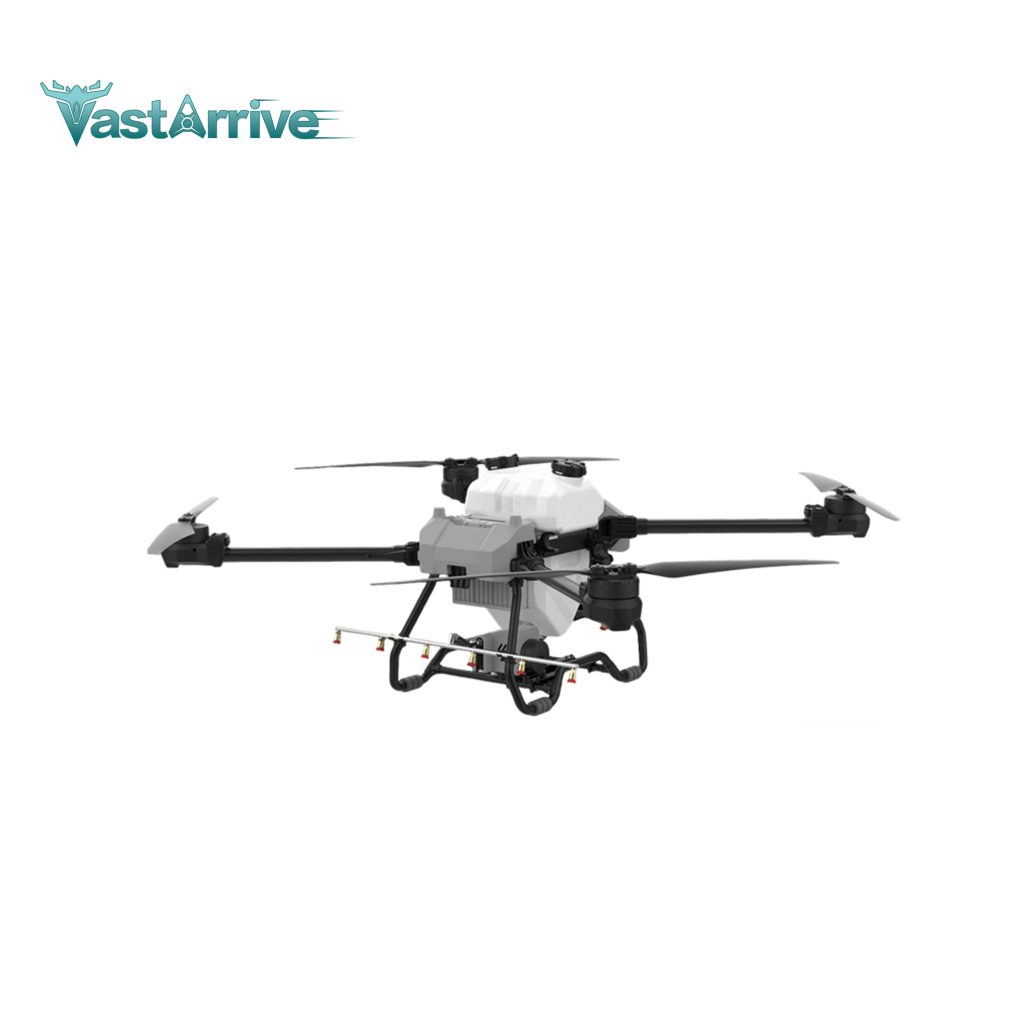
As a professional drone supplier, VastArrive provides a wide variety of cleaning drones that are suitable for building cleaning in high altitude. Such products have a broad application scope, ranging from rooftops, glass curtain walls, to solar panels.
The VastArrive cleaning drone is equipped with advanced flight control devices with adjustable high and low pressure spraying systems, making remote ground operation possible for safety reasons and high efficiency in cleaning work.
Compared with conventional technologies like climbing up or hanging platform, VastArrive cleaning drone dramatically decreases the hazards caused by high-altitude work. The system also enhances the efficiency of cleaning and expands its scope of work.
What’s more, the system can flexibly control the spraying angle and flying route in response to different building structures.
If you are looking for a reliable cleaning drone, VastArrive is a trusted choice you can depend on.
FAQs about Drone Roof Cleaning
1. Is drone roof cleaning worth it?
Yes, especially for large or high-risk roofs. Drone cleaning offers significant advantages in safety and efficiency compared to traditional methods.
2. Can all roofs be cleaned with drones?
Most roof types are suitable for drone cleaning, but it still depends on the material and structure, which need to be evaluated case by case.
3. How long does a cleaning take?
It usually takes anywhere from 30 minutes to several hours, depending on the roof size and level of contamination.
4. How much does drone roof cleaning cost?
The price usually depends on the roof size and complexity. Residential roofs generally range from $150–$600, while commercial or industrial projects are typically $500–$1,500+, depending on the specific conditions.
Related Products