How Are Drones Used in Search and Rescue?

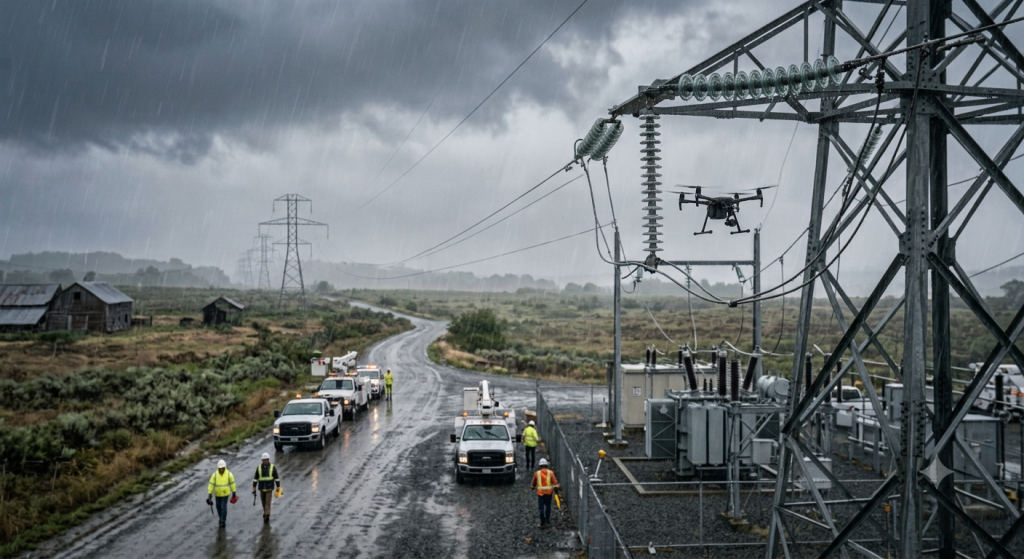
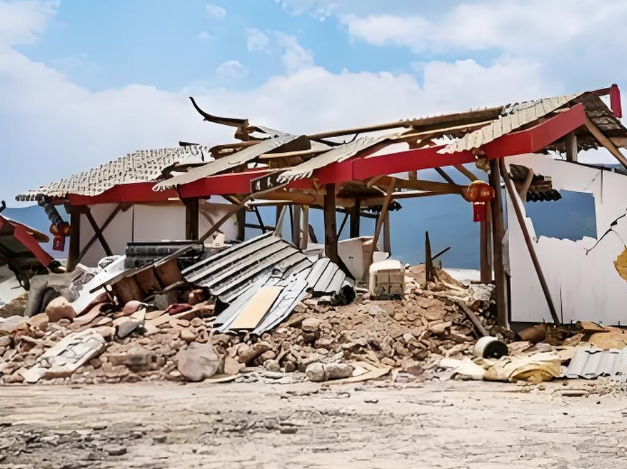
In modern Search and Rescue (SAR) operations, time often means life. Whether it is a missing person in mountainous terrain, a maritime distress situation, or the aftermath of natural disasters such as earthquakes and floods, traditional rescue methods face challenges, including low efficiency, high risk, and heavy manpower demands.
With the rapid advancement of drone technology, unmanned aerial vehicles (UAVs) are increasingly becoming a critical tool in search and rescue missions. So how are drones used in search and rescue? What roles do they play in real-world rescue scenarios? In this article, we will provide a systematic analysis from multiple perspectives, including application scenarios, technical foundations, and their advantages and limitations.
What is Search and Rescue (SAR)?
Search and rescue (SAR) is the activities that are carried out following the loss of a person, accident, or sudden disaster. The activities are aimed at searching for, rescuing, and finding people using professional techniques.
SAR activities include the search for missing persons in the mountain, forest, or wilderness; search operations following a vessel distress call or a person falling overboard; natural disasters such as earthquakes, floods, and typhoons; collapse of cities; industrial accidents; and many other activities.
Traditional search and rescue activities include manual searches, ground vehicle searches, and helicopter searches. Nevertheless, the activities are limited by the terrain, weather, safety, and the high cost of deployment.
Why Are Drones Becoming Increasingly Important in Search and Rescue?
Drones have rapidly gained in importance as search and rescue tools due to their many technical and operational advantages that address some of the limitations inherent in traditional SAR methods.
Rapid Deployment:
Drones require minimal preparation before being launched within minutes – something which is critical in SAR missions where survival may depend on an immediate response timeframe of hours or even minutes.
Aerial Perspective and Wide-area Coverage:
The perspective from which drones can cover vast and intricate areas such as mountains, forests, and shores from an aerial point of view can be very helpful in spotting visual cues, movements, heat, and signs of distress, which might not be possible from a ground perspective.
Reduced Risk to Rescue Personnel:
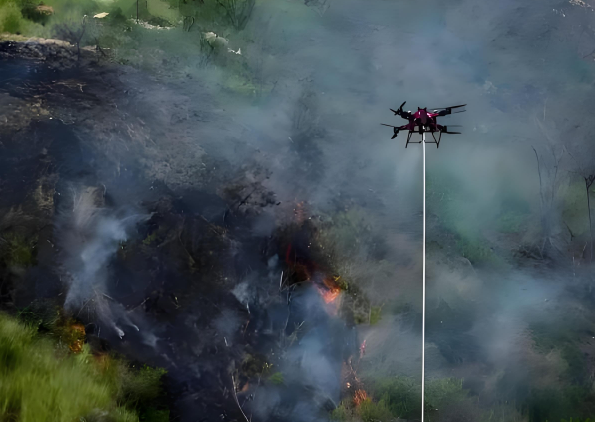
In situations where drones can be used to investigate unstable structures, flooded areas, and areas where fires have broken out, this can be very helpful in providing information without risking human lives immediately.
Cost-efficient Operations:
In comparison to other aircraft, such as helicopters or manned aircraft, drones are much less expensive to operate and maintain, making them more suitable for regular patrolling missions, extended search missions, and multiple drone missions without adding to their operating costs.
Given these benefits, drones are no longer relegated to being mere ancillaries for modern-day SAR missions, as they have rapidly become one of the main means for improving efficiency, safety, and decision-making for a wide array of rescue missions.
How Are Drones Used in Search and Rescue Operations?
Drones perform a variety of functions in modern SAR operations, extending well beyond simple observation from the air. Their adaptability and technological capabilities enable drones to contribute to SAR operations over the entire course of a rescue mission. Let’s consider how drones are used in SAR operations.
Aerial Search and Large-Scale Area Scanning
Quick acquisition of aerial footage-mainly this is very basic but perhaps the most common among the ways drones can be employed in searching and monitoring operations.
The drone could follow a predefined course, giving a forest, desert, mountainous terrain, or wildland area reconnaissance with the use of photography and video recording.
Drones cover dramatically wider areas of land faster than they could be searched by ground troops. This allows those in command to make a full and current overview of the search area and to quickly recognize zones likely to be of interest, aiding in prioritizing search efforts in a timely manner.
Locating Survivors with Thermal Imaging
Drones with thermal cameras are very useful when used at night or when visibility is low. This is because, unlike other cameras, a thermal imaging camera will be able to locate survivors even when it is dark, smoky, foggy, snowing, or when the structure is in ruins since the body temperature of a person is higher than that of the surroundings. In cases such as searching for missing hikers in the mountains, nighttime rescues, and searching for survivors after a calamity, thermal imaging drones have become indispensable tools.
Post-Disaster Assessment and Scene Modeling
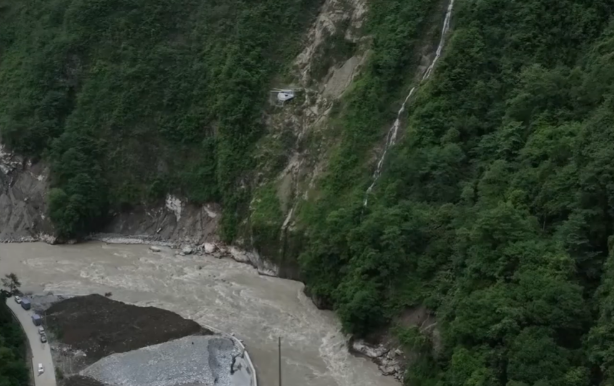
After disasters such as earthquakes, floods, or typhoons, drones are widely used for rapid damage assessment. They can help rescue teams:
- Evaluate damage to roads, bridges, and buildings
- Quickly generate maps and 3D models of affected areas
- Identify potential secondary hazards, such as landslides or structural collapse
This data supports more informed decision-making at rescue command centers, enabling better resource allocation and safer, more efficient rescue route planning.
Delivery of Emergency Supplies
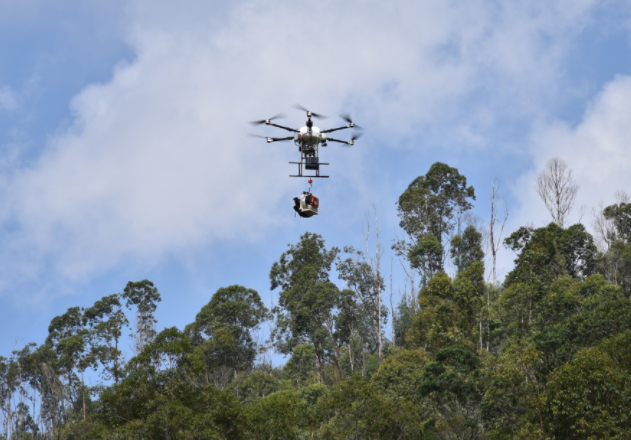
In certain SAR missions, drones can act as “first responders” by delivering critical supplies before ground teams arrive.
By carrying lightweight payloads, drones can transport:
- Medical supplies and first-aid kits
- Communication devices
- Life rings, flotation devices, or ropes
This feature is especially useful in flood situations, maritime rescue, or in areas where the road is inaccessible.
Real-Time Communication and Angeled Command
Drones can transfer real-time video feeds back to the control station, thus carrying information at the moment to the decision maker.
Moreover, image-recognition abilities through the AI can do good to detect any prospective objective more trustworthy. This can, in turn, allow more precise detection.
Therefore, the more the transmission gets integrated through real-time communication, the better they make the search and rescue operations work.
Common Types of Drones Used in Search and Rescue Operations
Different SAR missions place different demands on drone performance, flight characteristics, and payload capacity. As a result, multiple types of drones are commonly used, each suited to specific rescue scenarios.
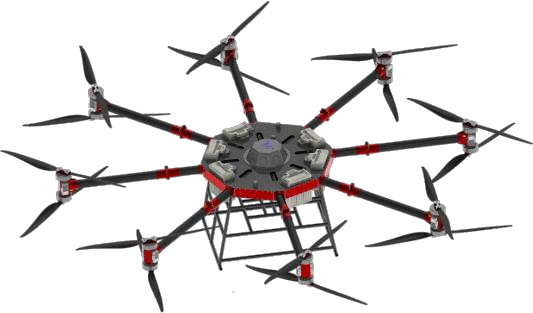
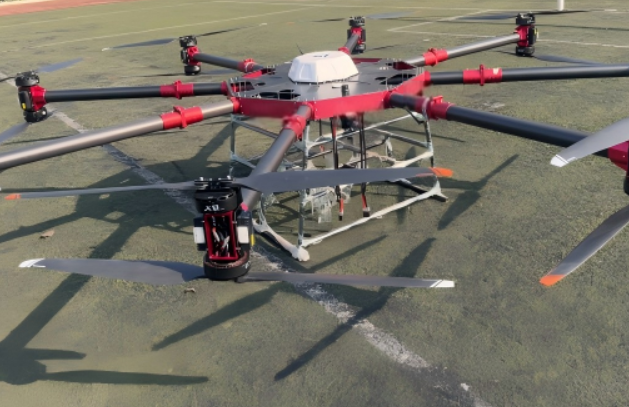
Multirotor Drones
Multirotor drones are the most widely used type in SAR operations due to their excellent maneuverability and precise control.
They can take off and land vertically, hover in place, and operate safely in confined or complex environments.
These drones are especially suitable for close-range, detailed searches, such as inspecting collapsed buildings, scanning forested areas, or operating in urban disaster zones. Their ability to hover makes them ideal for tasks like thermal imaging, visual confirmation of targets, and precise delivery of small emergency supplies.
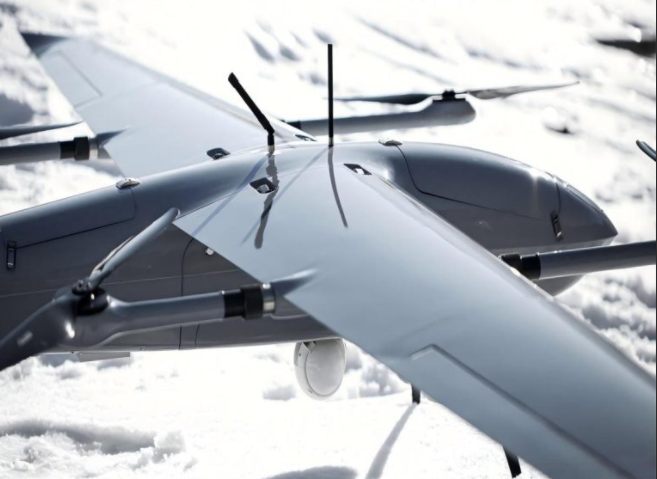
Fixed-Wing Drones
Fixed-wing drones are designed for long endurance and high efficiency over large distances.
They can stay airborne for extended periods and cover vast areas in a single flight, making them well suited for large-scale patrols and wide-area searches.
In SAR missions involving deserts, coastlines, open seas, or remote wilderness areas, fixed-wing drones are often used for initial reconnaissance and area mapping. However, they typically require runways or launch and recovery systems and lack hovering capability, which limits their use in close-range operations.
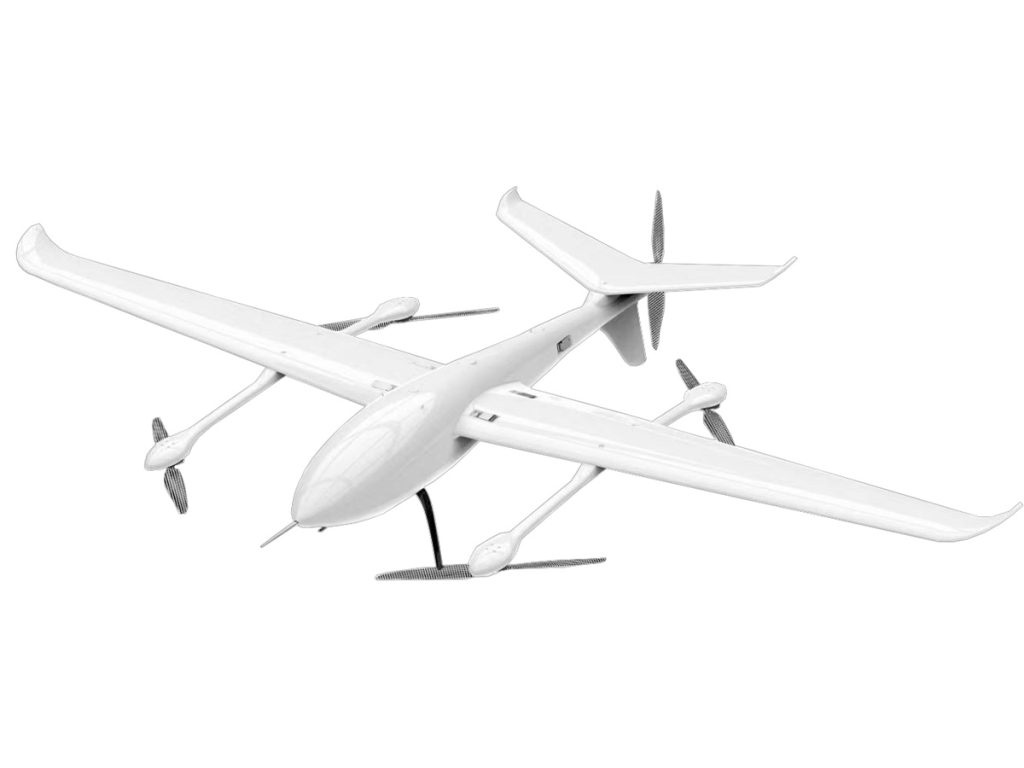
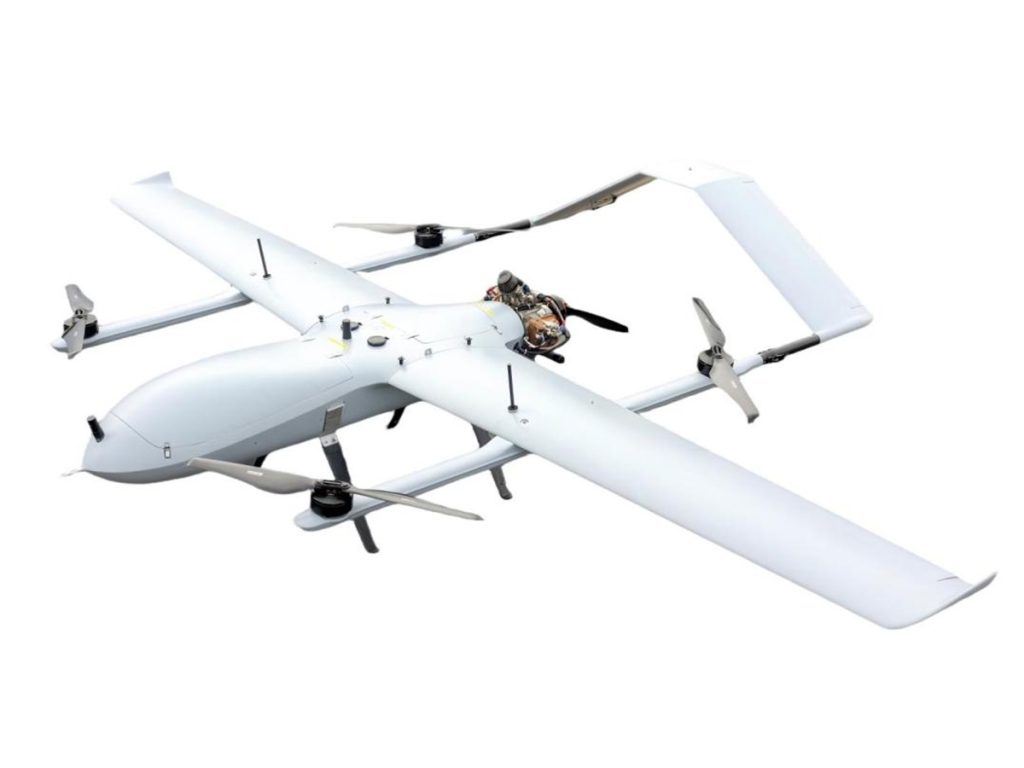
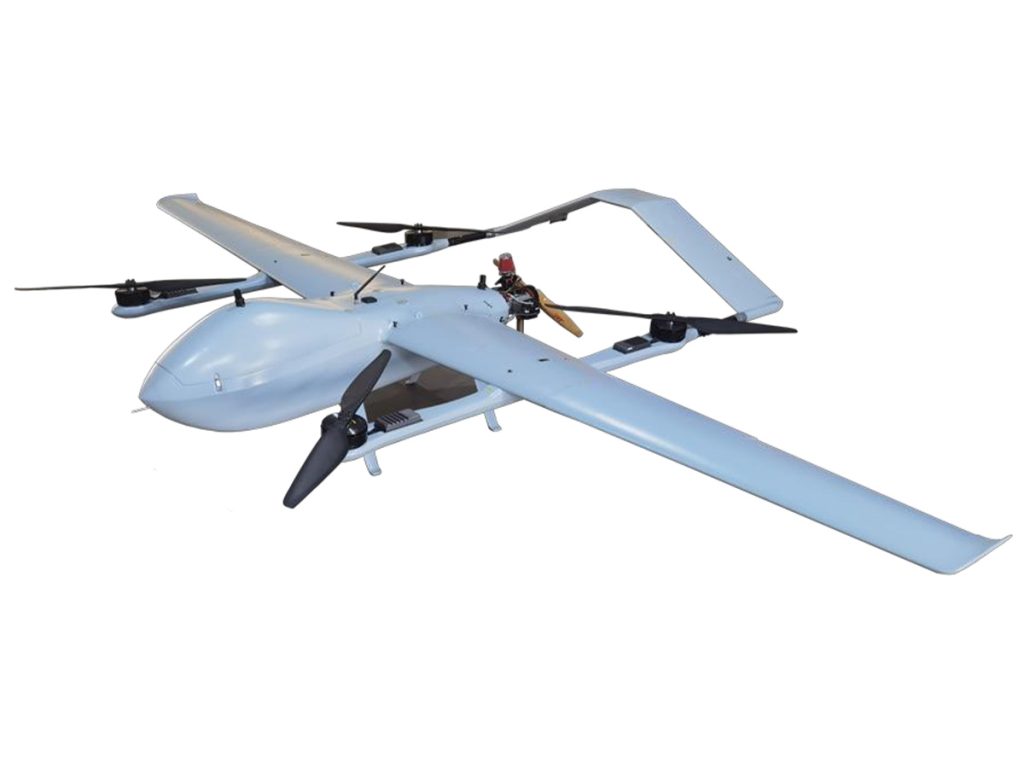
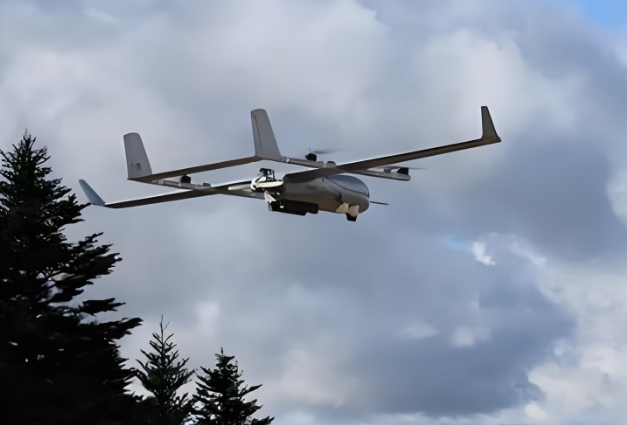
Hybrid VTOL Drones
Hybrid VTOL drones are those drones which are the combination of both fixed-wing and multi-rotor drones.
VTOL drones are capable of vertical take-off and landing like other multi-rotor drones, but they are also capable of fixed-wing flight.
VTOL drones are highly adaptable to different environments, especially those which are complex and dynamic, such as mountainous areas, disaster areas where space may be limited, and situations where the need for scanning and inspecting arises.
The selection of the type of drone on the basis of the objectives of the mission, the terrain, and other constraints is an important factor for improving the overall efficiency of the SAR operation.
Key Technologies Behind Search and Rescue Drones
It becomes quite clear that modern SAR drones have so many other applications other than just flying cameras. These turn-key multifunctional systems include a number of advanced technologies to enhance the perception, decision-making, and operational efficiency of SAR operations in complex rescue environments.
Thermal Imaging and Low-Light Cameras
Thanks to a thermal imaging/IR camera, drones are enabled to detect the human body temperature and hereby rescue field operatives from the surrounding environment, bearing the need to do visual search operations including cases of disasters and smoke, dense vegetations, snow-covered landscapes, or vehicles affected/covered with structural material at night.
Low-light and night-vision cameras, on the other hand, assist in providing crucial detail to visually monitor dark conditions; hence, a rescue team can be more confident about an intended target and understand the operational situation.
High-Precision GPS / RTK Positioning
Very precise positioning is necessary for all SAR operations. Through global positioning systems holding an RTK capability, the drones are at least capable of obtaining centimeter-level accuracies.
Afterward, such coordinates are plotted with exemplary precision on the maps to pinpoint survivors’ exact whereabouts and facilitate flight path planning and search operation mapping anytime and with multiple drones, for providing guidance to the ground rescuers to the exact position on the field.
AI-Based Target Recognition and Image Analysis
A significant role has been played by artificial intelligence in search and rescue missions. Its algorithms can analyze live video and images to detect humans, in body shape, movement patterns, objects for rescuing, or vehicles automatically.
Due to the reduction in manual visual inspections, AI-analyzed video could help operators navigate through a huge floral of data, enabling the minimization of human-error possibilities, and ensuring sound dispatch during important life-saving choice times.
Long-Range Wireless Communication Systems
Communication is an essential factor in a remote area or a disaster site. The SAR drones are designed to have long-range wireless communication systems that can transmit real-time video, thermal images, and other necessary data to the command center.
In some cases, drones can also serve as communication relays to extend the network and facilitate coordination between rescue teams when the ground communication networks are destroyed.
Terrain Modeling and Data Fusion Technologies
The drones are capable of collecting data from several sources and creating a 2D map and a 3D model of the terrain of the rescue site.
The drones can also fuse the collected data with other data available from other sources, such as satellite images and existing maps. This helps the rescue teams to have a better understanding of the terrain.
With the help of these technologies, the drones are not only capable of “seeing” the scene of the rescue operation, but also of “understanding” the scene.
Limitations and Challenges of Drones in Search and Rescue Operations
Despite their significant advantages, drones also face several practical limitations and challenges in real-world SAR applications. Understanding these constraints is essential for using them effectively and realistically.
Limited Battery Endurance
Most SAR drones rely on batteries, which limits their flight time and operational range.
Extended search missions may require multiple battery swaps or additional drones, increasing logistical complexity. In large-scale or long-duration operations, battery endurance can become a critical bottleneck, especially in remote areas where recharging facilities are unavailable.
Impact of Harsh Weather Conditions
Weather remains one of the biggest challenges for drone operations. Strong winds, heavy rain, snow, fog, and extreme temperatures can affect flight stability, sensor performance, and overall safety.
In severe conditions, drones may be grounded entirely, reducing their availability precisely when rescue efforts are most urgent.
Airspace Regulations and Legal Restrictions
Drone operations are subject to aviation regulations that vary by country and region.
Restrictions on flight altitude, line-of-sight requirements, no-fly zones, and special permissions can limit rapid deployment during emergency situations. While some regions offer emergency exemptions, regulatory compliance still requires coordination and planning.
Requirements for Skills of Operators and Training
For doing SAR drone technique one must have a lean and skillful operator. A pilot is not just under training to fly the drone, he must not directly interpret thermal imagery or mega-manage data streams, but, he must then also act intuitively with the ground rescue team. Training in each area needs to cover every varied application for which drones are considered suitable, and, the use of these SAR drones depends only on the skilled application and practice of the operator himself.
Thereafter, a lack of revaluation not only results in that they prove useless, but it could endanger the lives and assets of the people they should ideally be helping. Hence, it is not possible for hope to be just from drones replacing ground personnel, boats, choppers, etc.; rather, an indispensable and categorically handy tool becomes one more time for every minuscule operation of everything new rescue and aid.
Which Search and Rescue Drone Can You Rely On?
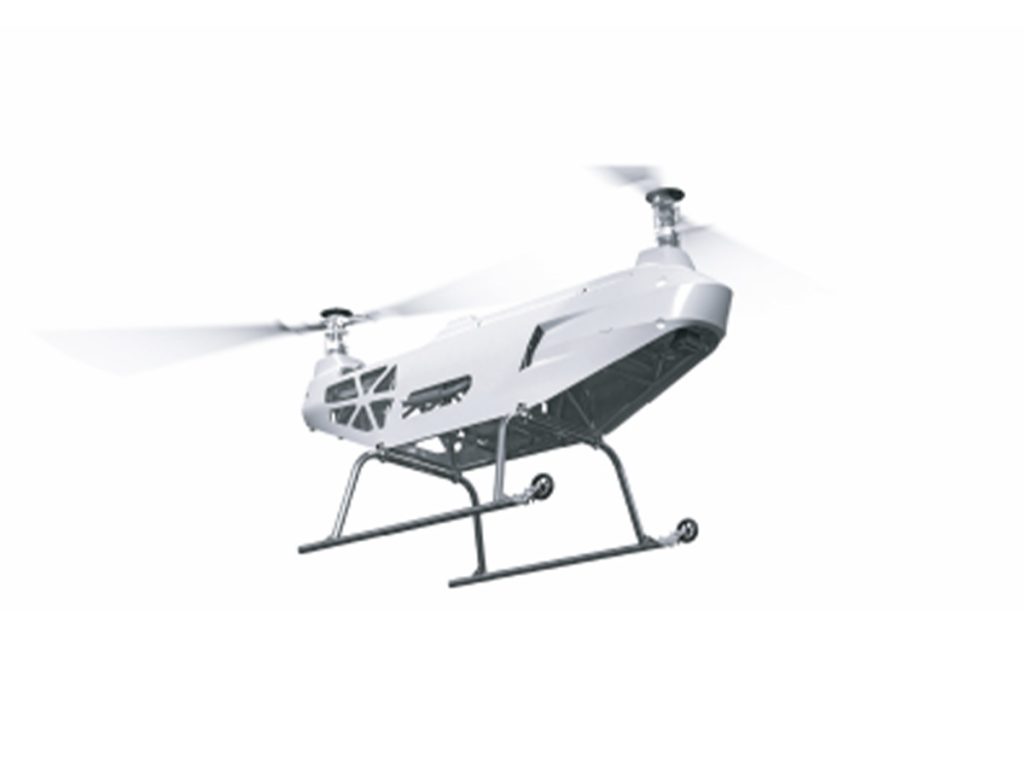
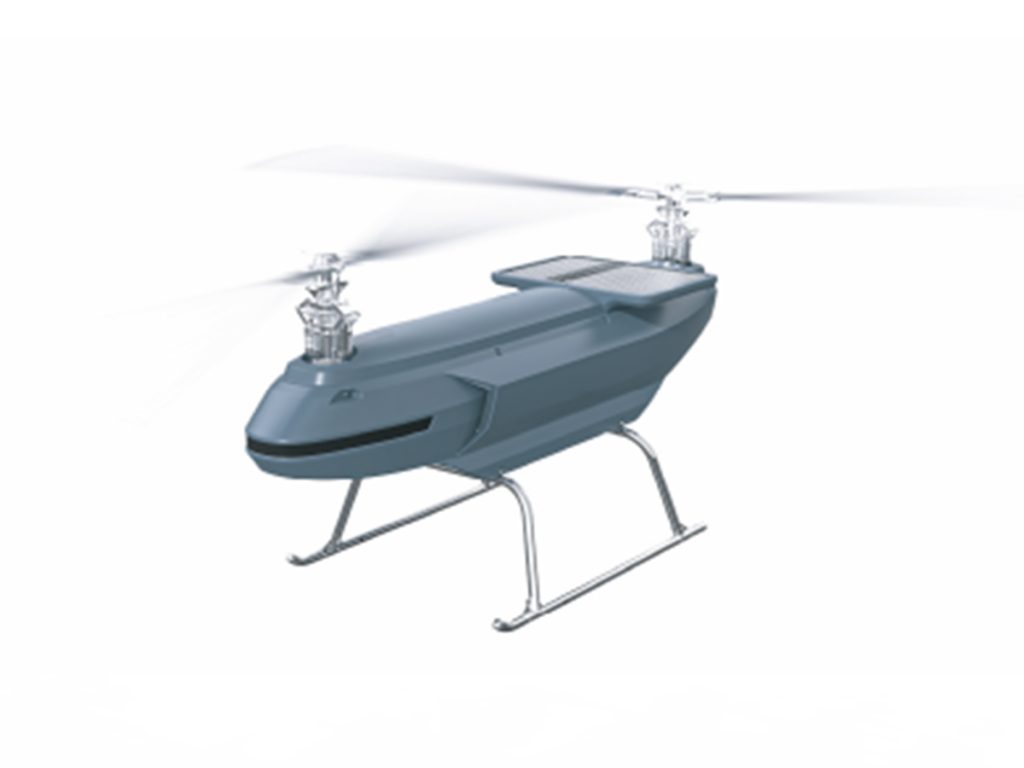
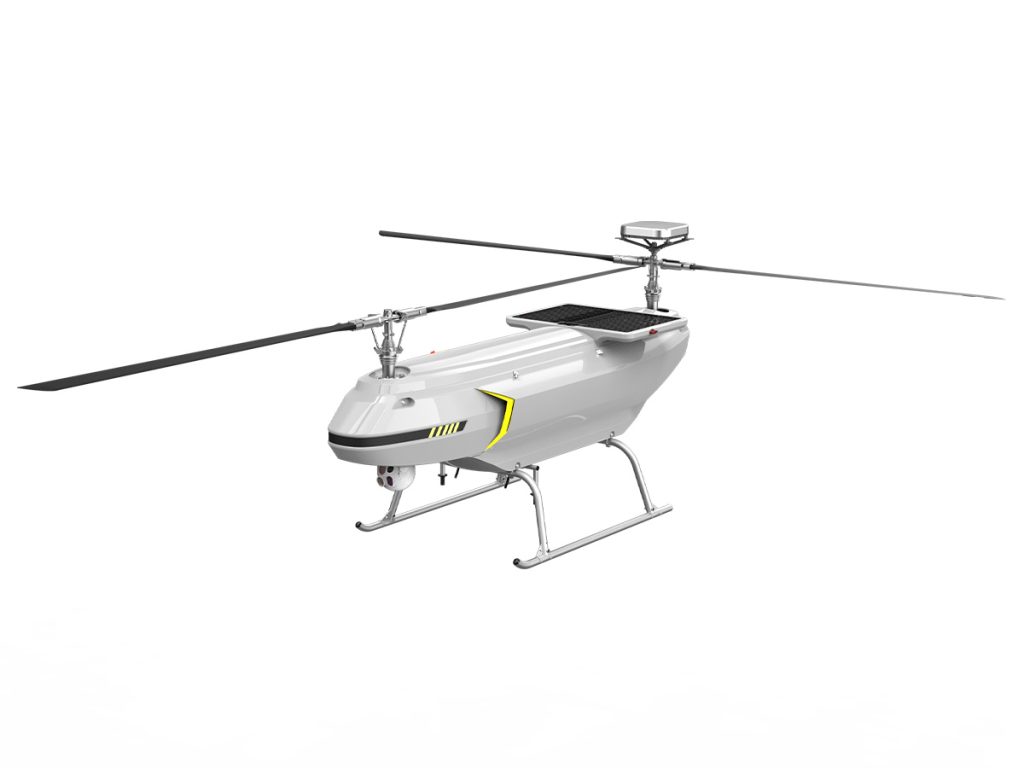
After understanding how drones are used in search and rescue operations, you may wonder: with so many drones on the market, which one can you truly rely on? VastArrive search and rescue drones are a trusted choice.
VastArrive provides UAVs specifically tailored for search and rescue missions. Their quick response time of eight minutes or less makes them best suited for emergency responses. Their real-time data transmission from command centers helps ensure that rescue operations are carried out with precision and speed. Additionally, these drones can carry up to 40 kg to 100 kg of supplies efficiently to satisfy the requirements of search and rescue as well as material delivery.
Drones can provide temporary communication networks in environments affected by power outages, blocked roads or disrupted internet service to aid command and coordination efforts. Furthermore, these drones feature public announcement systems, lighting capabilities and localized fire-fighting capabilities that enhance overall efficiency at rescue sites.
VastArrive has amassed extensive experience in performing various rescue operations. For example, during landslides, VastArrive drones quickly located trapped individuals; during flood and heavy rain rescues they successfully delivered urgent supplies and medical equipment; emergency patient transport was accomplished successfully with VastArrive drones providing reliable aerial support to rescue teams. VastArrive offers reliable search and rescue drones that you can rely on.
In Conclusion
In the modern world, drones have significantly changed the face of search and rescue operations, making them efficient and safe. Drones have become an indispensable component in search and rescue operations due to their use in rapid search and assessment, as well as delivering emergency supplies.
Technological advancements combined with real-world experience mean drones will play an even larger role in increasing response times, supporting decision-making processes, protecting lives, and increasing rescue response effectiveness.
Professional manufacturers such as VastArrive are committed to harnessing their immense potential into lifesaving solutions that make every rescue operation more effective and reliable than before.
Related Products