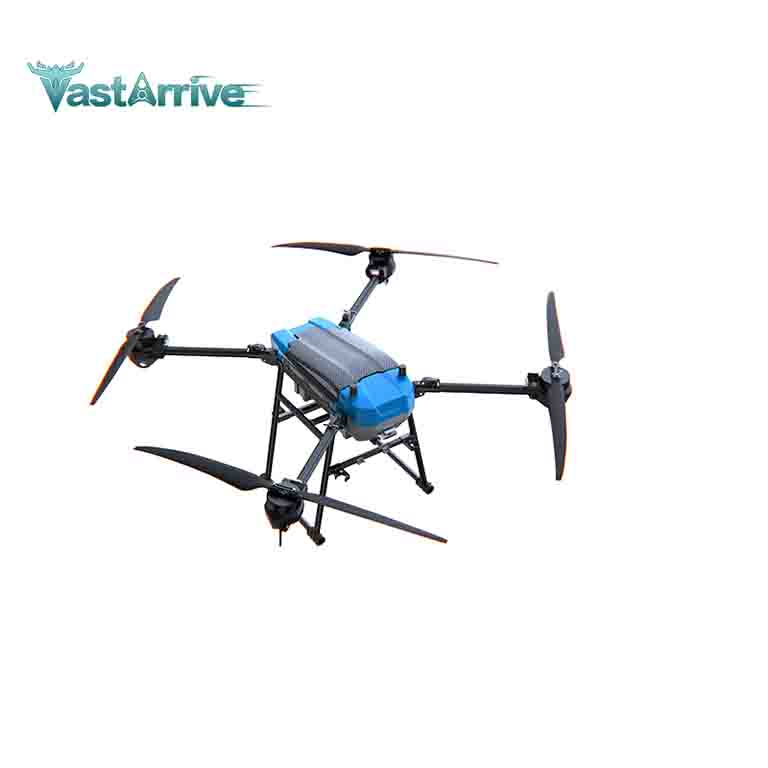
Cargo Drone Delivery: How UAV Logistics Is Transforming Supply Chains?

With the continuous advancement of technology, the logistics industry is undergoing an unprecedented transformation. Amid this trend, cargo drones have emerged as a key force driving innovation in modern logistics. So, how exactly are cargo drones changing the way we transport goods? And how can we choose the right drone for our needs? In this article, you’ll find the answers. Let’s dive in!
What is a Cargo Drone?
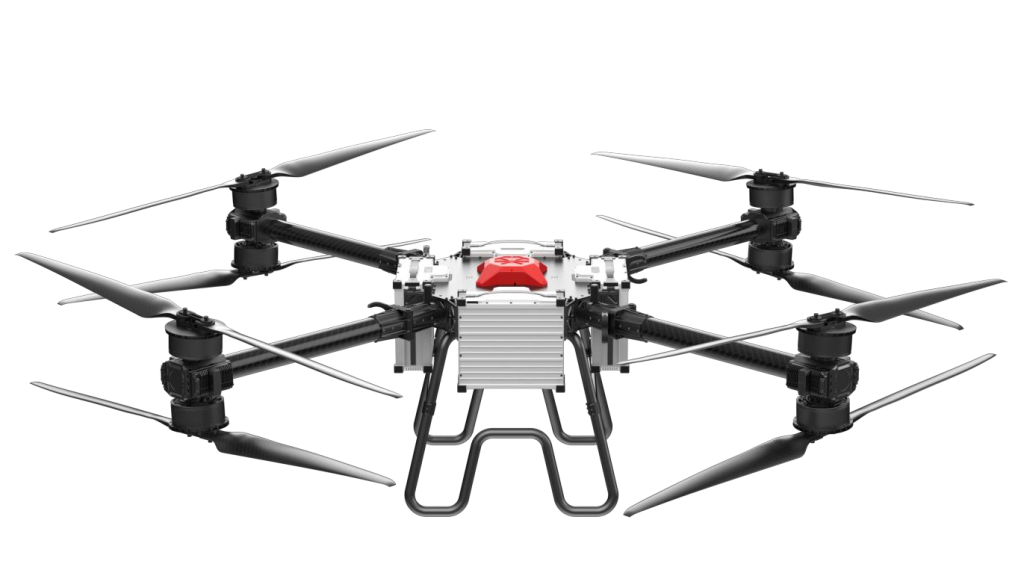
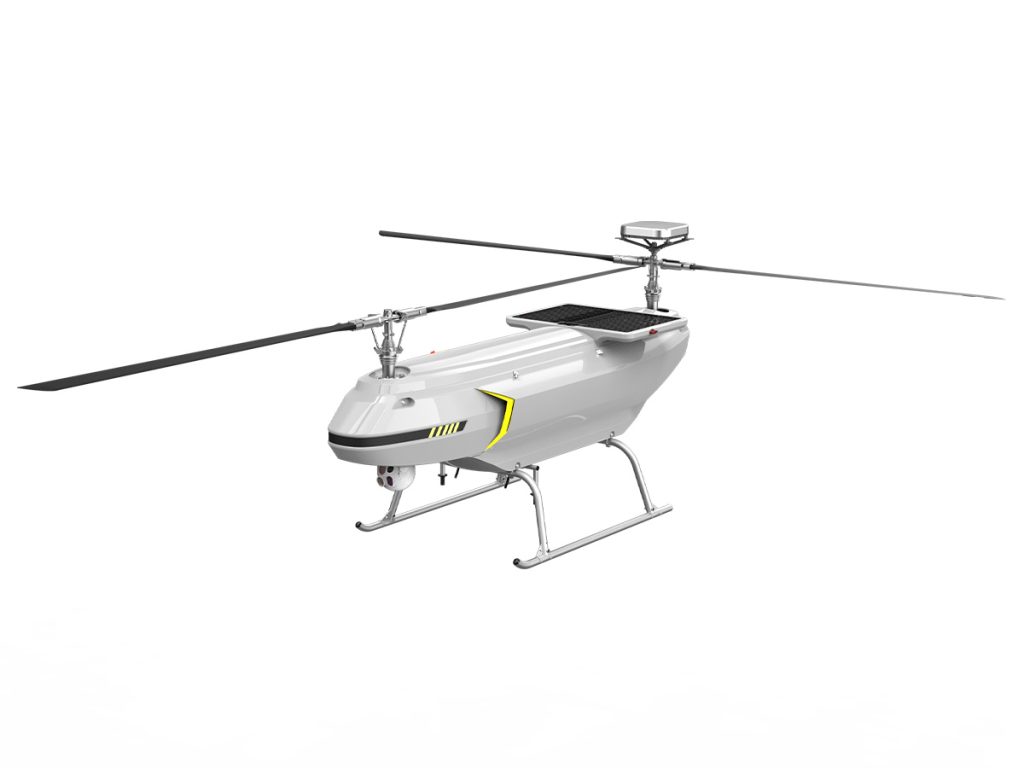
A cargo drone refers to a type of drone designed explicitly for transporting goods. Different from a regular drone, a cargo drone bases its distinguishing character on its payload carrying capacity and sustained patrol ability. Cargo drone delivery does not rely on roads, meaning it is very cost-effective and remarkably efficient compared to traditional methods of transporting goods.
The main features of cargo drones include:
- Autonomous flight or remote control
- High-precision navigation systems
- Specialized cargo compartments
- Applications across healthcare, logistics, industry, emergency rescue, and military sectors
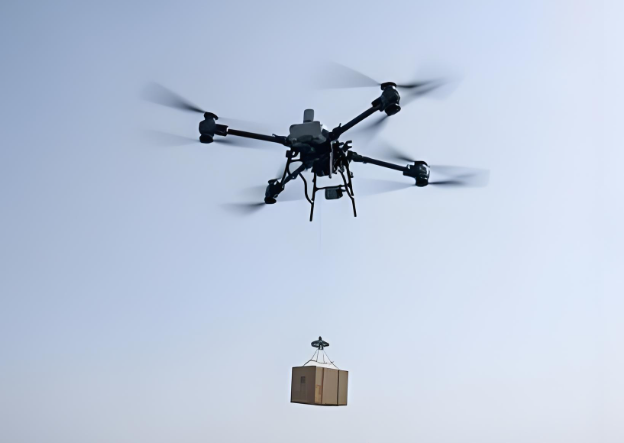
How Do Cargo Drones Work?
The operation of cargo drones relies on several core technologies, each directly affecting transportation efficiency and safety.
Flight Control System
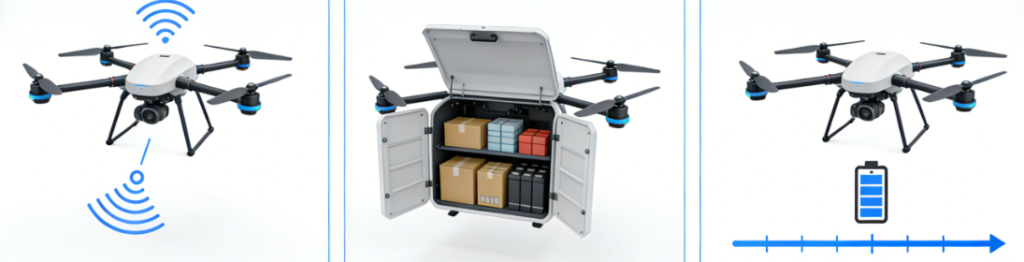
Cargo drones are fitted with sophisticated GPS navigation and obstacle avoidance technologies, allowing them to fly autonomously in challenging natural or urban environments. The flight control system can alter flight paths based on predefined routes, guaranteeing the safe and timely delivery of the goods.
Payload System
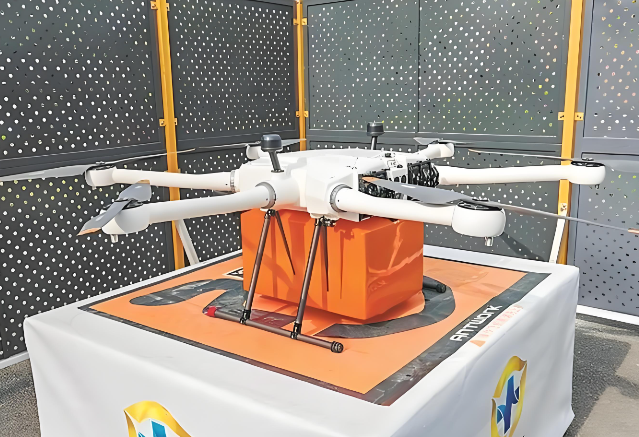
Drone cargo holds are flexible spaces with either built-in or suspended capabilities that cater to a wide range of cargo sizes, weights, and types. Some high-end drones are also equipped with intelligent temperature control or shock-absorbing systems to prevent susceptible or delicate items from being damaged during transit.
Power and Range
Most cargo drones are powered either by batteries or hybrid power systems. Flight range is an important indicator of utility and efficiency; thus far, most market-available drones have been able to operate over tens of kilometers, while excellent craft, however, are able to bear more than a hundred kilometers. This is best for the delivery service of long distances.
Key Advantages of Cargo Drones
Cargo drones are transforming traditional logistics, offering multiple significant advantages:
Fast Delivery
Cargo drones operate independently of road traffic, enabling direct aerial delivery. This is especially beneficial for remote areas, congested cities, or urgent delivery needs. Compared with traditional ground transport, drones can greatly reduce delivery times and improve overall logistics efficiency.
Cost Reduction
Drones minimize the need for human labor and fuel-powered vehicles. This reduces costs. Additionally, drones fly automatically and have intelligent routes. This optimizes the usage of resources and transportation.
Access to Remote Areas
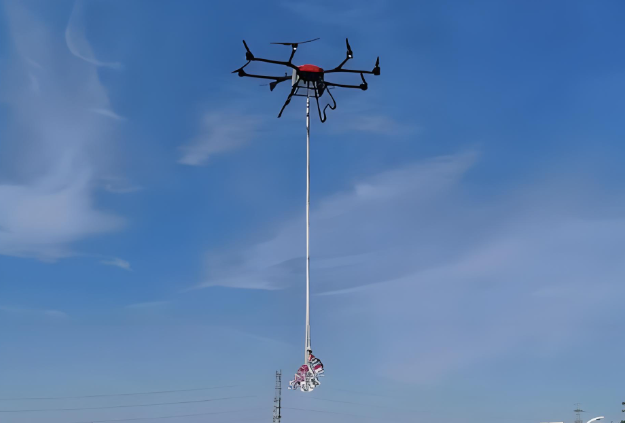
Drones can easily reach the mountains, islands, and disaster areas. This means that it is now possible to deliver medical supplies and daily necessities to these areas. This increases the reach of the logistics network.
Eco-Friendly and Energy Efficient
Most cargo drones are powered by electricity, reducing carbon emissions and environmental impact. Their low-noise operation also helps minimize disturbance in urban areas, making drones a key component of sustainable, green logistics.
Applications of Cargo Drones
The applications of cargo drones are rapidly expanding, covering multiple industries and scenarios:
Logistics and E-commerce Delivery
E-drones, being efficient providers of “last-mile” delivery, are particularly useful in express-courier services, food, and fresh-produce delivery. The drone can fly right from the warehouse to the customer, ensuring rapid delivery, reducing labor and traffic congestion.
Medical Supplies Transportation
Vaccine, blood, medicine, and the like can reach areas in a secure and timely fashion, at emergency sites and remote areas, using drones. Such transportation elevates the efficiency of medical intervention and disaster relief.
Industrial Transport
In situations of high demand, such as the mining industry, oil fields, and construction sites, cargo drones can now succeed in delivering tools, spare parts, and materials just as immediately and crack their success operations with manual handling.
Emergency Response
Cargo drones present unique advantages in special situations like natural disasters or emergency rescue. They can bypass ground traffic restrictions and deliver supplies very precisely to dangerous and hard-to-traverse areas, offering much-needed supportive supplies for the rescue and relief operations.
Challenges Faced by Cargo Drones
Although cargo drones have broad development prospects, they still face several challenges in practical applications:
Regulatory Restrictions
Different territories across continents could have at least slightly different airspace-regulation laws. Often, very strict altitude, route, and operating-hour restrictions may become legally binding in various regional spaces-the kind of restrictions that might deeply worry commercial engineers needing to scale-up operations for droneworking success.
Payload Limitations
The payload capacity of cargo drones is currently limited, allowing for the carrying of merely light to moderate-weight goods, while heavy or over-dimensioned cargo goes unattended by drone application. This situation inherently limits the scope within which drones can operate.
Flight Range and Endurance
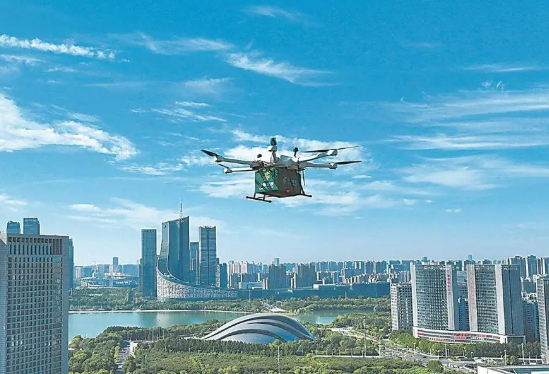
The flying distance and endurance of a drone are governed by battery capacity and power systems. To extend the capabilities to long-distance deliveries or high-frequency operations, endurance would need additional enhancements. A solution could be the mid-route energy saving, or battery swapping and recharging.
Weather Impact
It might be that varying environmental conditions, like particularly strong wind, heavy precipitation, snowfall, and low temperature, pose a safety consideration for flight. It’s now imperative for even 5G-enabled drones to change their flight plans or cancel flight missions, just to ensure the safety of aircraft and cargo.
How to Choose the Right Cargo Drone?
When selecting a cargo drone, it’s essential to consider several key factors to ensure the drone meets your transportation needs and application scenarios:
Payload Capacity
The payload of the drone will decide the type and quantity of the goods it will carry. A drone designed for carrying cargo in tons should be chosen as it can cater to the gross weight and volume of the cargo, avoiding overloading the drone or reducing its efficiency.
Flight Range
The flight range defines the delivery within the drone. Oftentimes, a more extensive fly range will be beneficial for long-distance deliveries or cross-local deliveries. It reduces the number of stops owing to battery problems mid-route, hence increasing the efficiency of transportation.
Battery Life
Battery life is significant for the consistent flight of a drone, operation, etc. While selecting a drone, one has to look for the right battery capacity and endurance, depending on the flying frequency and range of delivery missions.
Material Durability
A drone can be trusted to work properly in harsh environments only where the system is sufficiently well built, wind resistance capacity is excellent, and the materials are hard-wearing. Durability borne of quality materials and structure inevitably enhances longevity, with minimum maintenance costs.
Customization
One drone may provide custom cargo space, temperature control, sensor plotting, and others, modified specifically for healthcare or industrial logistics needs, accordingly increasing waste management and safety.
VastArrive Cargo Drone – Your Reliable Cargo UAV Brand
VastArrive Cargo Drone delivers high-performance, reliable cargo drone solutions for global logistics. Combining advanced technology with premium craftsmanship, our drones enable efficient, cost-effective, and intelligent aerial transport.
Key Features
High Payload Capacity: Supports 50kg–300kg loads, suitable for deliveries and industrial transport.
Long Range & Stable Flight: Efficient power systems and intelligent flight control ensure safe, stable long-distance flights.
Fast & Efficient: Flying straight-line routes and avoiding obstacles, VastArrive drones cut delivery times from days to hours, improving efficiency by over 50%.
Cost Optimization: Lower operational costs, reduce labor reliance, and achieve a cargo loss rate of only 0.01%.
Strict Quality Control: Each drone undergoes rigorous testing to ensure long-term reliability.
Wide Applications: Ideal for logistics, e-commerce, medical transport, industrial use, and emergency rescue, including last-mile urban deliveries and disaster response.
Final Thoughts
The cargo drone has transformed the logistics and transportation industries. It is empowered to provide medical supplies to far-reaching regions, enabling urban e-commerce logistics very meticulously. Cargo drones are believed to have come with a clear-cut, efficient, and environment-friendly end-quote model for many years. While the inside works of this cargo drone improve and as regulations get better bit by bit, multi-application possibilities seem to come to the fore. VastArrive offers a variety of models to deliver goods and services according to the specific needs of various transport modes, if you are seeking a trustworthy option in cargo drone aircraft.
Related Products