How to Clean Glass Windows in High Rise Building?

In the modern “urban forest,” shimmering glass curtain walls serve as a building’s architectural signature. However, as skyscrapers continue to reach new heights, cleaning these surfaces is no longer a simple household chore. Instead, it has evolved into a high-altitude operation that integrates precision engineering, rigorous safety standards, and specialized chemical expertise.
Today, we will provide an in-depth analysis on how to clean glass windows in high rise building. Let’s get started!
Why High-Rise Glass Cleaning Cannot Be “Good Enough”?
Window cleaning might come across as some flimsy ”cosmetic thing.” But the fact is that high-rise glass exteriors are directly accountable for both the life expectancy and operating costs of buildings and therefore, high-rise building glass maintenance is never to be taken for granted.
Acid Rain and Chemical Corrosion
High-rise buildings are the first line of defense against atmospheric pollution. If acidic substances in rainwater remain on the glass surface for extended periods, they react chemically with the silicate components. This erosion goes beyond surface dirt; it roughens the texture and strips the glass of its luster, eventually leading to irreversible permanent fogging (etching). At that stage, total replacement is often the only solution.
Stubborn Mineral Deposits (Water Spots)
When rainwater or poor-quality cleaning water evaporates, calcium and magnesium ions precipitate and accumulate, forming hard water spots. These mineral scales grip the glass like “barnacles.” If not treated promptly, standard water rinsing cannot remove them; professional acidic or neutral agents are required to chemically break down the bond.
Lighting Performance and Energy Inefficiency
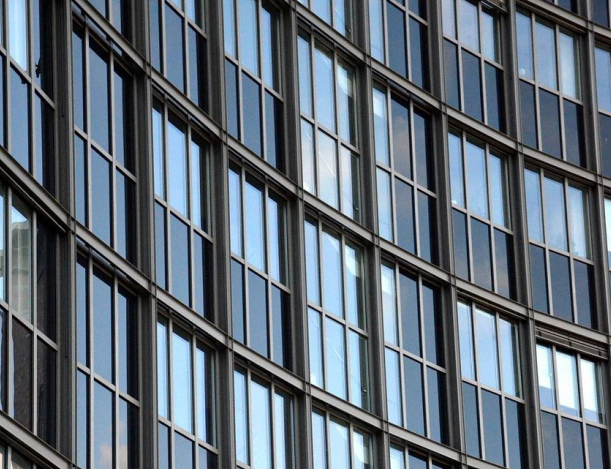
A thick layer of dust buildup causes it to act like a pair of “sunglasses” for the whole building, reducing light transmission significantly, leading to insufficient natural light indoors, and compels the occupants to overrely on artificial lights. Again, dark-colored dust absorbs more heat; hence, it changes the thermal conductivity of the glass, but secretly also drives up air conditioning expenses over summer.
Structural Safety Hazards
High-rise glass is typically seated within aluminum alloy frames. Long-term accumulation of dust and water ingress can cause sealing gaskets to age and become brittle, or clog drainage holes. This not only leads to indoor leaks but, in severe cases, can cause glass panels to loosen, creating a significant risk of falling objects from heights.
4 Ways to Clean Glass Windows in High Rise Building
As modern architectural design increasingly pursues aesthetic facades, high-rise glass cleaning has evolved from a simple “manual labor” task to a multi-dimensional, technology-intensive operation. The industry currently relies on four main professional cleaning methods:
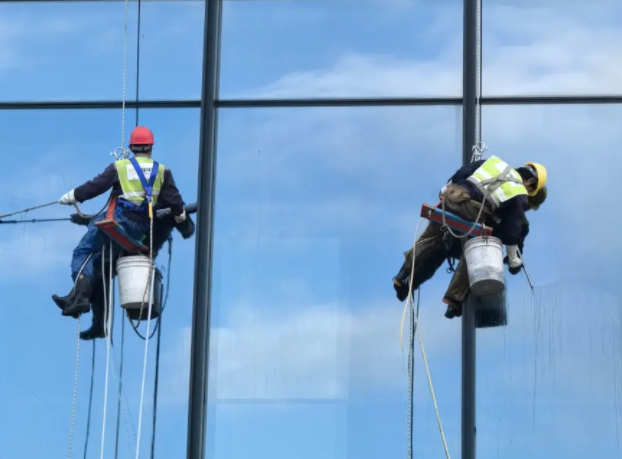
Way 1. Rope Access / Abseiling
Known popularly as the “Spider-Man” method, workers descend from the rooftop using two independent safety ropes (a working rope and a safety line) and control their vertical movement via a seat board and friction device.
The greatest advantage of this method is flexibility, it allows workers to reach every corner of the building like climbing a spider web. For irregular-shaped structures (e.g., spherical or twisted facades), deep window recesses, or narrow gaps, the Spider-Man can perform precise cleaning without large machinery. Setup is fast, with minimal disruption to pedestrians or traffic below.
Suitable Scenarios: Medium- to high-rise buildings with complex structures, older buildings without BMU (Building Maintenance Unit) or pre-installed track systems.
Industry Threshold & Risk:
High-risk occupation; operators must hold IRATA (International Rope Access Trade Association) certification or domestic high-altitude work permits
Operations are highly weather-dependent; wind speed and rainfall directly affect safety
Way 2. BMU / Cradle
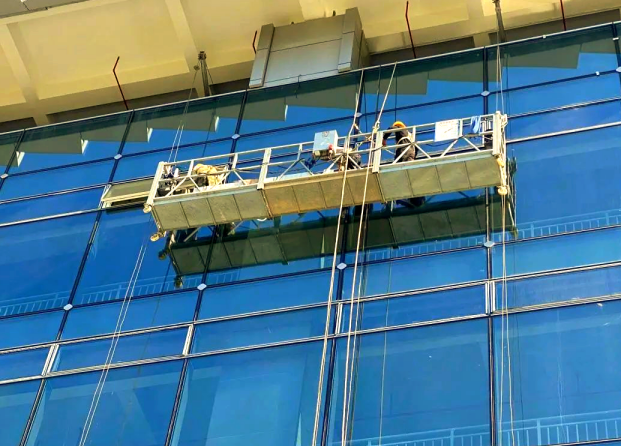
The cradle (Building Maintenance Unit) is either a permanent maintenance unit built into the building or a temporary platform installed on rooftop tracks. Workers operate as if standing on solid ground.
The cradle provides a stable horizontal workspace. Workers can carry large water tanks, high-pressure washers, and even multiple personnel simultaneously, making it highly efficient with lower psychological stress. It is particularly suitable for cleaning large, flat glass curtain walls.
Suitable Scenarios: Ultra-high-rise skyscrapers, buildings designed with complex rooftop track systems to allow full facade coverage.
Limitations:
High maintenance cost: cables, motors, and tracks require regular inspection by the Special Equipment Inspection Authority
Limited coverage for recessed areas or protruding sunshades
Way 3. Water-Fed Poles
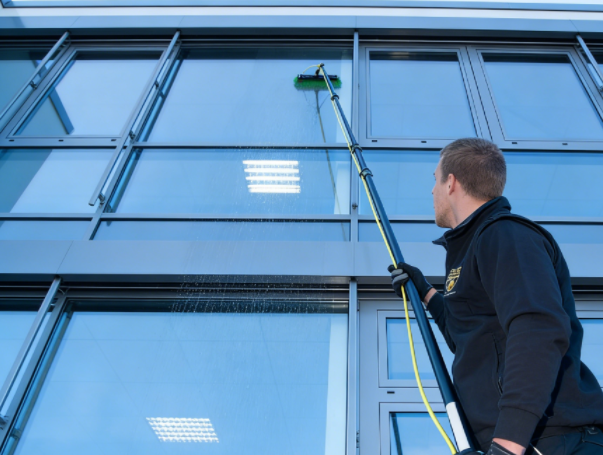
A “ground-level” high-tech method, operators use carbon-fiber telescopic poles to reach windows up to 20 meters (roughly six stories) high without leaving the ground.
The key lies in water quality. The system filters out all minerals from tap water to produce deionized water. After spraying and brushing, no manual squeegee is required; water naturally evaporates without leaving streaks. Compared with traditional methods, it is safer, more convenient, and cost-effective.
Suitable Scenarios: Commercial podiums, boutique hotels, medium- to low-rise office or residential buildings
Core Advantages:
Workers remain on the ground, completely eliminating high-altitude fall risk
No need for high-altitude work insurance or complex permits
Economical, efficient, and safe for medium- and low-rise buildings
Way 4. Drone Cleaning — The Industry Trend
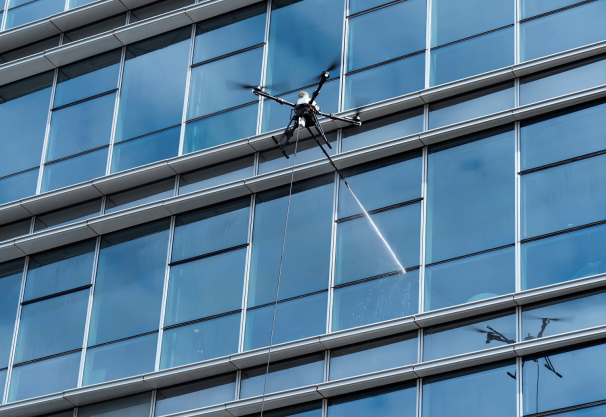
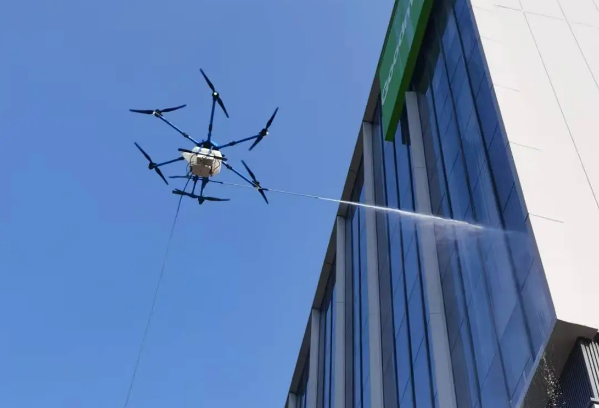
With technological advancement, drones are increasingly used for high-rise glass cleaning. They operate with tethered power and cleaning solution supply systems for extended work durations.
Extremely Safe: Operators control drones from the ground, fully isolated from high-altitude hazards
High-Pressure Efficiency: Drones can mount high-pressure nozzles exceeding 100 bar, quickly removing dust
Digital Added Value: Equipped with infrared or high-resolution cameras, drones can detect glass cracks, frame leaks, and even analyze building energy efficiency
Suitable Scenarios: Hard-to-reach high-rise areas, buildings with high safety requirements and modern office buildings require simultaneous digital inspection and maintenance
| Cleaning Method | Safety | Work Efficiency | Cost | Suitable Floors / Building Types | Operational Complexity | Remarks |
| Rope Access / “Spider-Man” | Medium-low; high fall risk | Medium-high; precise for complex areas | Medium; mainly training and safety equipment | Medium- to high-rise, complex or irregular structures, older buildings | High; requires professional rope skills and certification | Highly flexible; ideal for recessed windows and narrow gaps |
| BMU / Cradle | High; relatively stable but mechanical failure possible | High; suitable for large, flat facades | High; installation and maintenance costs are high | Ultra-high-rise skyscrapers, modern office buildings | Medium; requires cradle operation skills | Stable; limited coverage for recessed or protruding areas |
| Water-Fed Poles | Very high; worker stays on the ground | Medium; limited by pole length | Low; equipment is inexpensive and simple to maintain | Medium- to low-rise buildings, commercial podiums, boutique hotels | Low; easy to operate | Not suitable for very high floors; safe and efficient for daily cleaning |
| Drone Cleaning | Very high; operator on ground, away from high-altitude risk | Medium-high; high-pressure spray fast, less effective for stubborn stains | Medium-high; equipment and maintenance costs are significant | Hard-to-reach high-rise areas, special buildings | Medium-high; requires drone piloting and monitoring skills | Can include infrared inspection, energy efficiency analysis, and other digital functions |
Why Cleaning Drone is the Best Choice for Cleaning High Rise Building Glass?
Compared to traditional manual methods, using drone to clean windows for high buildings not only eliminate high-altitude risks but also significantly boost cleaning throughput and adapt to diverse architectural structures.
1. Unmatched Safety Standards
The most compelling advantage of drone cleaning is its inherent safety. Operators remain on the ground, completely removing the human element from high-risk zones and virtually eliminating the risk of falls or accidents. Even in challenging wind conditions or complex structural environments, drones maintain stable operations, ensuring a “zero-incident” safety profile.
2. Significant Efficiency Gains
Drones can cover vast surface areas in a fraction of the time required by manual labor. By utilizing autonomous path planning, they prevent redundant overlapping and ensure every inch is cleaned systematically. This rapid deployment reduces total project timelines and significantly lowers long-term maintenance overhead.
3. Intelligence-Driven Operations
Modern cleaning drones are equipped with high-definition cameras, precision spray systems, and intelligent navigation. They can autonomously identify heavily soiled areas and execute targeted cleaning. This smart approach not only guarantees a streak-free finish but also optimizes the use of water and eco-friendly detergents, making the process truly sustainable.
4. Flexible Adaptations in Architecture
Because they are able to navigate the complex designs quickly, drones find access in some corners and crevices, which are unattainable by traditional cradles or rope technicians. Drones can do these with difficulty places such as high-difficulties zones, be it concaved curves or overhung ledges, which make them the genus of newest milestones.
5. Industry Adoption & Case Studies
High-rising offices, shelters of luxury residences and possibly everything that rises in the sky for commercial purposes accompanied with a drone cleaner is apparently silently pacing into becoming an industry standard for property maintenance. What drones provide property managers with is a sophisticated solution based on data that is a powerful mix of performance maintenance and stringent upholding of safety and environmental laws.
VastArrive Cleaning Drones: Make High Rise Building Glass Cleaning Easier
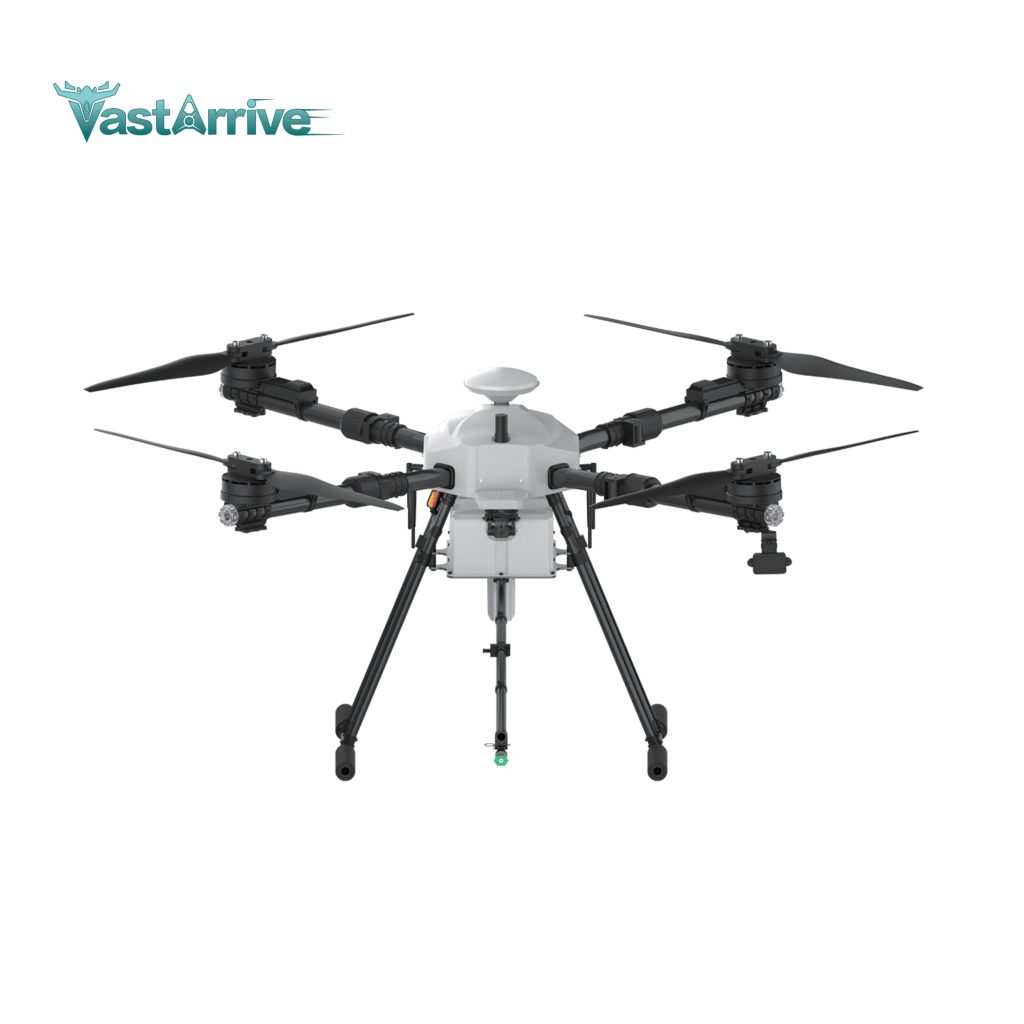
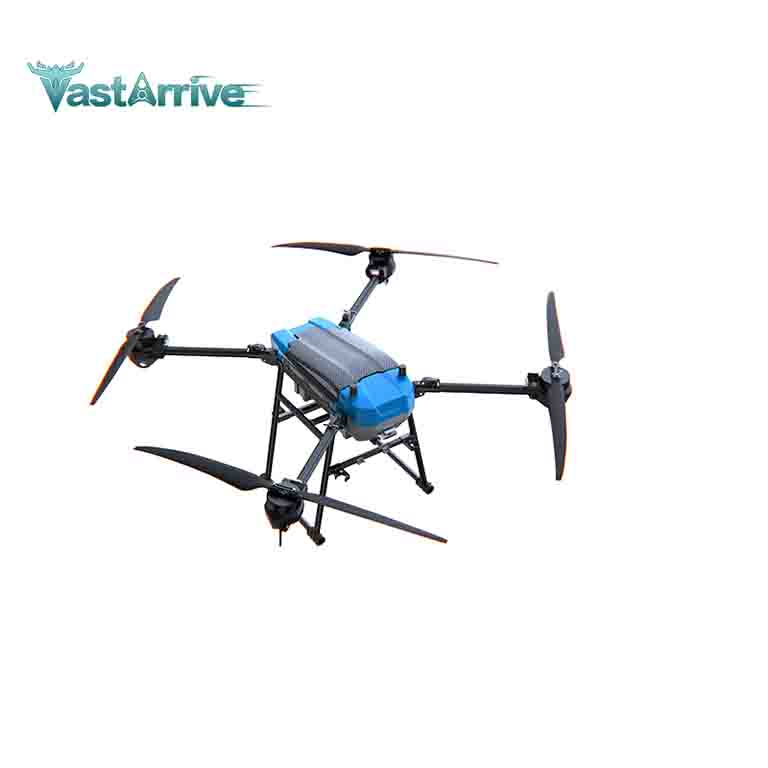
To address the challenges of safety and efficiency in high-rise building glass and exterior wall cleaning, VastArrive has developed high-performance cleaning drones. Designed specifically for high-altitude operations, these drones combine safety, efficiency, intelligence, and multi-scenario adaptability.
Whether for office towers, commercial skyscrapers, solar panels, wind turbines, or irregularly shaped buildings, VastArrive cleaning drones provide professional and highly efficient cleaning solutions.
High-Efficiency Cleaning
VastArrive drones can achieve high-pressure rapid cleaning of up to 1000m² per hour and support continuous water supply. The water tank is located on the ground, making refilling quick and convenient. High-pressure cleaning significantly reduces the time required for large-area exterior walls and greatly improves work efficiency.
Intelligent Operation
Equipped with intelligent route planning, the drones can autonomously operate according to different cleaning scenarios. They can accurately handle glass facades, exterior walls, or solar panels, greatly improving operational flexibility and efficiency.
Modular Design
VastArrive drones support two different mounting options with adjustable angle and swing nozzles. They come with four tool-free quick-install spray heads, allowing users to switch between different angles freely to achieve the best cleaning results for various stains and surfaces.
Safe and Stable
These drones completely replace manual high-altitude work, eliminating the risks associated with working at heights. Dual RTK configuration provides real-time centimeter-level positioning data, ensuring precise and reliable cleaning of the target area.
Multi-Scenario Applicability
VastArrive drones are suitable for a wide range of high-altitude cleaning scenarios, including building exteriors, irregularly shaped buildings, solar panels, tall towers, wind turbines, and road signs, offering convenient, efficient, and flexible cleaning solutions.
Summary
When the work came to high-building glass and facade cleaning techniques it is very significant yet very challenging as it needs proper attentiveness in terms of security, efficacy, and productivity. Traditional methods such as rope access work and cradles have their places, but those approaches bring in great risks and restrictions. Of late, great sanctification is received by drones in the cleaning sector after having gone ahead of some stage and rendering the whole affair less hazardous, shortened time frames, and minimum ecological effects.
Related Products