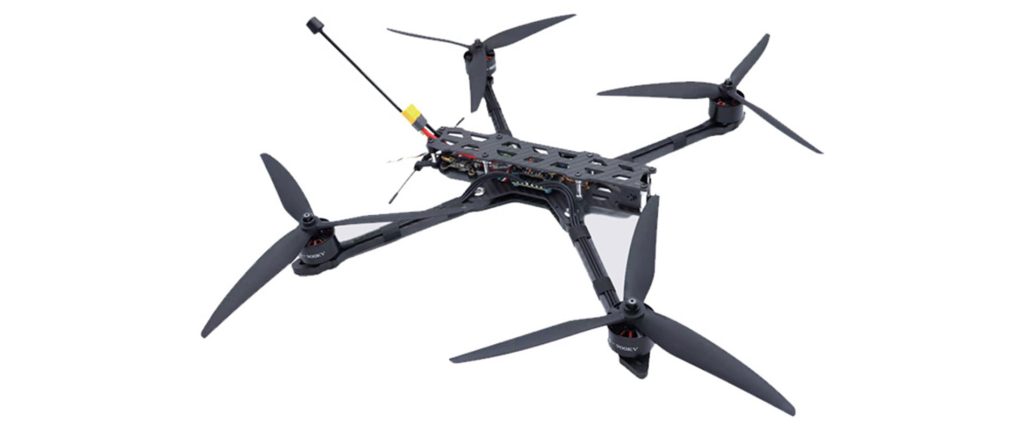
Can You Fly A Drone in Snow? Tips for Drones

Flying a drone in a snow-covered landscape, whether to capture dramatic aerial footage of snowy plains, forests, and cityscapes, or to carry out professional tasks such as inspections and surveying in winter conditions, places higher demands on flight performance and equipment stability. However, many pilots ask a crucial question: Can you fly a drone in snow?
The answer is: Yes, you can, but the risks increase significantly, and thorough preparation is essential.
In this article, we will examine the feasibility of flying in snowy conditions from multiple perspectives and provide a systematic overview of the safety strategies you need to operate confidently and responsibly in winter environments.
Is It Legal to Fly a Drone in Snow?
Using the United States as an example, the Federal Aviation Administration (FAA) does not explicitly prohibit flying drones in snowy conditions. However, regulations emphasize the following requirements:
- Pilots must maintain Visual Line of Sight (VLOS) at all times
- They must not operate in weather conditions that could endanger aviation safety
- They must ensure the aircraft remains safe and fully controllable
This means that while the law does not ban flying in snow, the pilot assumes full responsibility for assessing and managing the risks.
If weather conditions lead to loss of control, a crash, or injury to others, the pilot may still face legal liability, even if flying in snow itself is not specifically prohibited.
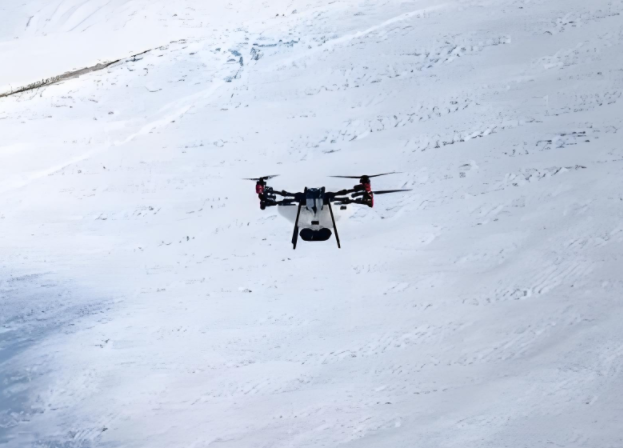
Technical Analysis of Drones Flying in Snow
The main risks of flying in snowy conditions come from low temperatures, reduced battery performance, snow accumulation, and icing, and different types of drones handle these risks very differently. Below is an analysis focusing on consumer drones:
1. Consumer Drones (Recreational / Aerial Photography)
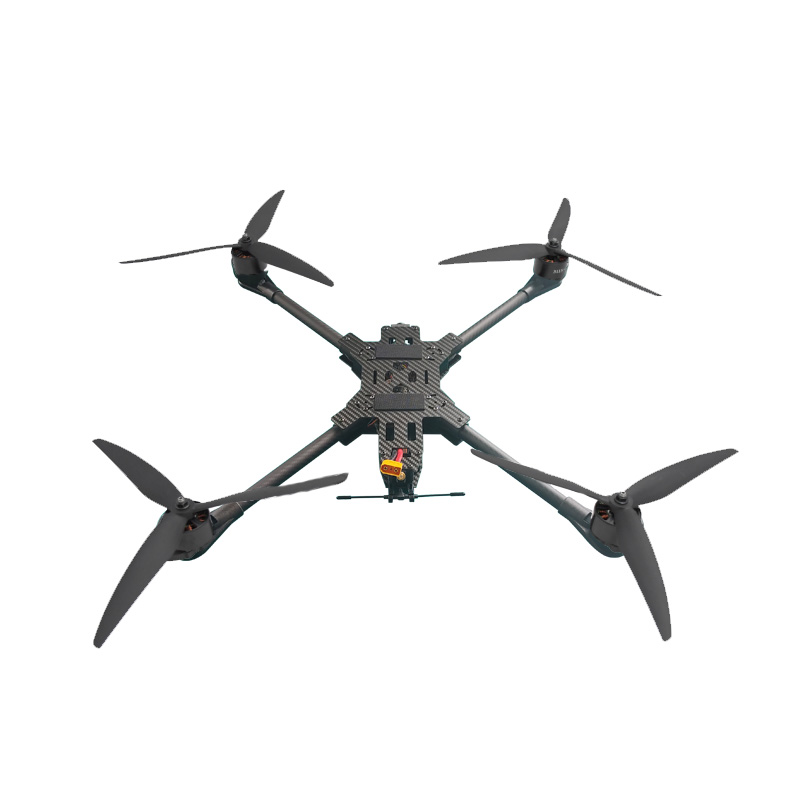
The consumer drones or aerial photography drones, such as the DJI series and Parrot designs, apart from being beautifully designed and cot picking the elegant technology inserted in them, the rest of their features consist of the fact, that they are compact, portable, and easy to operate, albeit with greater risks associated with snowy weather:
Significant impact of low temperatures on batteries
Most consumer drones use removable lithium batteries. Fuel cells are applicable after 0°C, albeit their efficiency fades somewhat, resulting in an approximate 20-40% reduction in flight time.
As the mercury drops to freezing, the batteries may order a low-battery RTH or return-to-home instruction to force a landing; if flown out to any dense cold rainfall over the seas and thrown off by a battery that is almost expended, it would undoubtedly meet the tragic fate of mission failure.
Risks from snow accumulation and melting
Consumer drones are usually not waterproof. Snow can accumulate on the body, propellers, arms, or sensors during flight. When returning indoors, melting snow can seep into the ESC, mainboard, or gimbal motors, potentially causing short circuits or component damage.
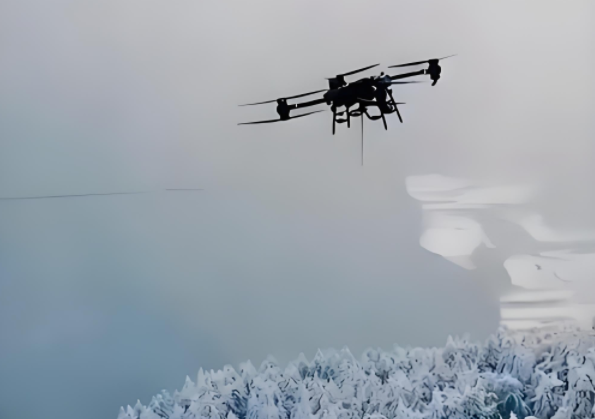
Icing risk
When operating under cold or moist conditions, thin ice may accumulate in forms of small propellers or other drive components. Any icing will alter the distribution of weight, leading to vibration and becoming a hindrance to the aircraft control system, eventually resulting in loss of control with effects of a deadly nature.
Higher difficulty for inexperienced pilots
A decrease in contrast can be caused by snow, as well as a decrease in visibility. Snow and ice may interfere with sensors and machine-vision-based systems. The operation is more problematic in these conditions.
2. Industrial Drones (Inspection, Agriculture, Search & Rescue)
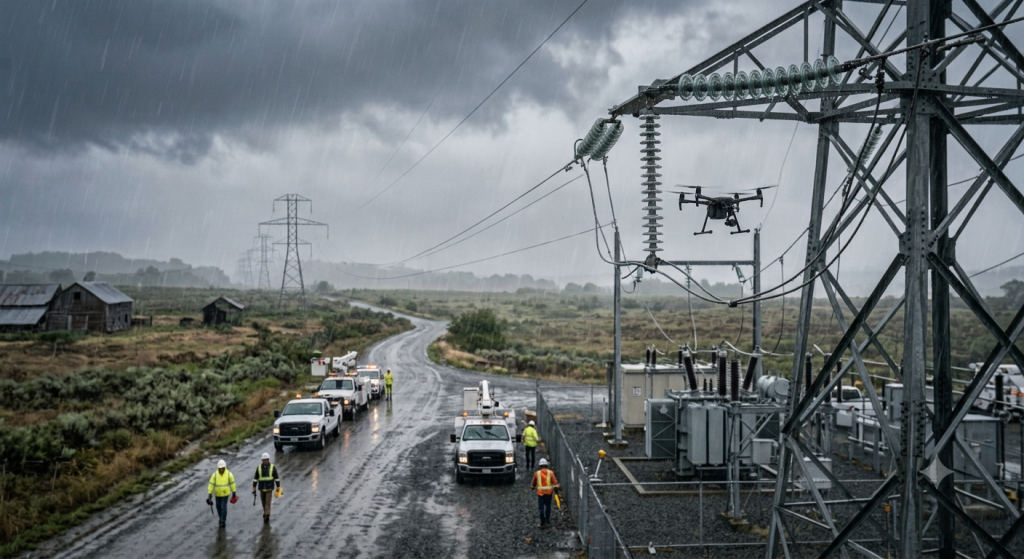
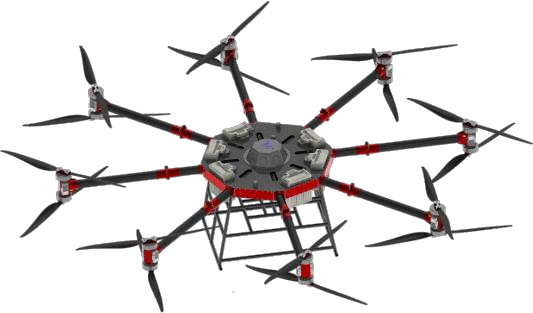
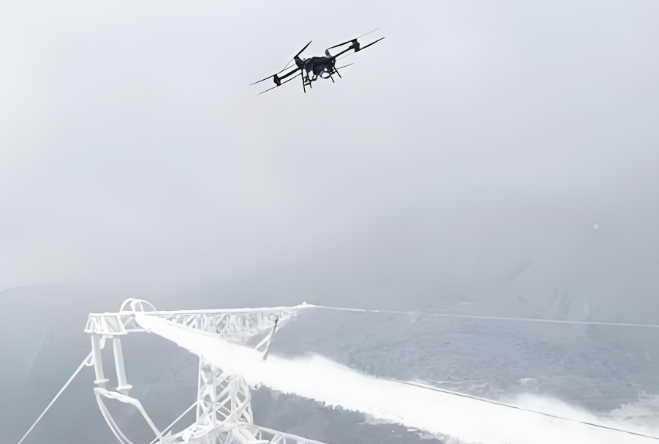
The primate use of industrial drones is for electrical line inspection, agricultural spraying, search and rescue operations, and outdoorsurveying. Compared to general-purpose drones, these are far more reliable and safer when they are in the air in the snow:
Waterproof design
In general, industrial drones come with good sealing, whereby their IP ratings may be spirituous enough, for instance IPX4, to guarantee that the machines being used as overhead vehicles fly safely and decently even in the scenario of snow, rain, or waves. This is to protect major plastic parts from getting easily damaged (the damage may induce significant drop in the flight trait of said vitamins and proteins).
Low-temperature battery management
Industrial drones often feature cold-resistant battery systems. Some models include built-in battery heating or thermal control, maintaining stable power output in low temperatures. This ensures that even near or below 0°C, flight times remain reliable, unlike consumer drones where performance drops significantly.
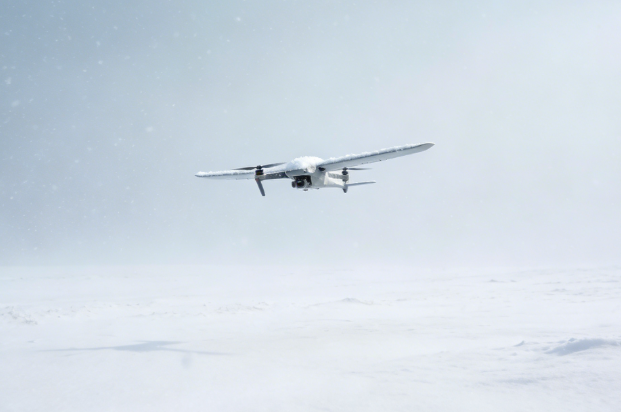
Enhanced wind and icing resistance
The propellers, arms, and gimbal systems of industrial drones are built with stronger materials and aerodynamic designs, capable of handling light icing and moderate wind disturbances. Their robust flight control systems are calibrated to maintain stability in harsh environments.
High payload capacity
Not only can industrial drones carry various sensors, cameras, or surveying equipment, making them particularly useful for inspection, agricultural, or search-and-rescue missions in snowy conditions, flying and collecting data efficiently without any pause being significant.
Such industrial drones are more expensive, larger, safer to deploy in snow, resistant to all weather conditions, and more significantly, they are safer means for professional and commercial applications. On the other hand, consumer drones are simply designed for short recreational flights or aerial photography and carry a host of dangers when flying in snowy conditions hence demanding increased precautionary steps to be taken.
Safety Guidelines for Flying in Snow
Flying in snowy conditions significantly increases both the difficulty and risk of drone operation. For consumer drones, pilots can follow these detailed safety strategies:
1. Consumer Drone Operational Strategies
Keep Batteries Warm
Cold temperatures in winter can significantly reduce battery performance, affecting flight time and power output. Before flight, keep batteries warm by carrying them in a pocket close to your body or using a battery insulation bag. If the drone supports battery preheating, activate this function beforehand. Taking off with a cold battery can lead to shortened flight time or failed return-to-home.
Shorten Flight Time
Battery depletion in low temperatures is often faster than expected. It is recommended to initiate return-to-home when approximately 30% of battery remains. Avoid long-distance flights or prolonged hovering. Shortening flight time helps reduce the risk of battery-related emergencies.
Use a Takeoff/Landing Pad
Direct takeoff and landing on the snow can allow the snow to get into the motors, bottom sensors, or the gimbal system, which can affect the power output, positioning accuracy, and camera quality. However, the portable takeoff/landing pad is useful in isolating the drone from the snow.
Avoid Heavy Snow or Blizzards
Light snowfall may be manageable with proper precautions, but flying in heavy snow, wet snow, or wind-driven snow should be strictly avoided. Heavy snow can reduce visibility and increase the risk of icing, vibration, and flight control errors.
Post-Flight Drying and Care
After flying, place the drone in a bag, seal and acclimate it within both the environment and the room temperature. This will help prevent snow or condensation from reaching the electronics. Clean the airframe, propellers, and gimbal-free. This will prevent any internal moisture damage.
By taking these measures, consumer drones may very likely fly in snowy conditions while staying safe for batteries and electronics and allowing the successful finalization of filming or flight tasks.
2. Industrial Drone Operational Strategies
Drones are widely used in the industrial sector for inspection, seeding, search and rescue, and land surveying. However, although they are quite powerful compared to consumer drones, an industry expert can still consider some safety measures worth considering so as to ensure that the drone does not potentially becomes the now problem or cause damage to the drone.
The key is to keep flying safe and operational that there are very few glitches in snow, ice, or light melting areas in order to avoid perfect water ingress. These strategies entail:
Ensure the IP Rating and Protection Measures
Before accepting to fly the drone in a snowy area, ensure the drone is rated as waterproof and dustproof and that critical electronic parts are thoroughly protected. This is a guarantee that will guarantee safe flying operations in snow, rain, and ice because of protecting it from water ingress and damage of electronic components.
Preheat Batteries and Systems
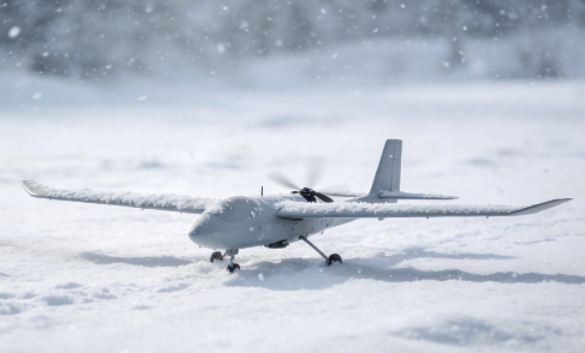
Even though industrial drones may feature cold-resistant batteries, powered heating equipment on board, etc., it is still recommended to warm and preheat batteries and key systems before taking off. This ensures reliable startup and power delivery for use at low temperatures, minimizing the risk of sudden battery drops or flight control faults.
Plan Flights Carefully
When in the snow, minimize staying out in the open in intense cold or during heavy snowfall. For long-distance or complex missions, use the automatic return-home function to ensure that the drone will have a safe return when reaching battery limits or intolerable environmental conditions.
Regularly Inspect Critical Components
Before and after flight, check key components for any snow or ice accumulation:
- Propellers: Ensure they are free of snow or ice
- Gimbal and Camera: Check for frost or snow coverage
- Sensors: Verify that vision or navigation sensors are not obstructed
- ESC (Electronic Speed Controller): Confirm no water intrusion or abnormal readings
Drones serving in an industrial setting have higher snow conditions’ tolerance. But operators must be cautious, ensuring they abide by the principles of safety in operations: pre-flight checks, gear-up measures, and a flight plan. In conclusion, the snow drones are required to carry out comprehensive flight tests, which guide real-world decision-making, with little iron filing and maintaining the quality of data or efficacy of the task.
Key Considerations for Drones Flying in Snow
Flying drones in snowy conditions presents unique challenges and risks compared to normal weather. To ensure safety, pilots should pay special attention to the following aspects:
Low temperatures primarily affect batteries
Cold winter weather will adversely impact the discharge efficiency of lithium-ion batteries due to voltage drop and internal battery resistance. To prevent any of these issues, the batteries should be warmed prior to the flight by reducing the flying durations.
Moisture is the greatest threat
Increased snow accumulation on the airframe, propellers, and sensors, and streaming melting snow post-flight, soon turns into water, patiently waiting to invade the ESC, mainboard, or gimbal motors, hence granting short circuits or equipment damage. Waterproofing and immediate post-flight drying are heavily emphasized.
Shorten flight time to reduce exposure to risks
Snowy conditions often reduce visibility, interfere with sensors, and increase the risk of icing or flight control errors. Shorter flights and limiting exposure to heavy snow or blizzard conditions help maintain safety. Using automatic return-to-home functions can further reduce risk.
Beginners should avoid flying in snow
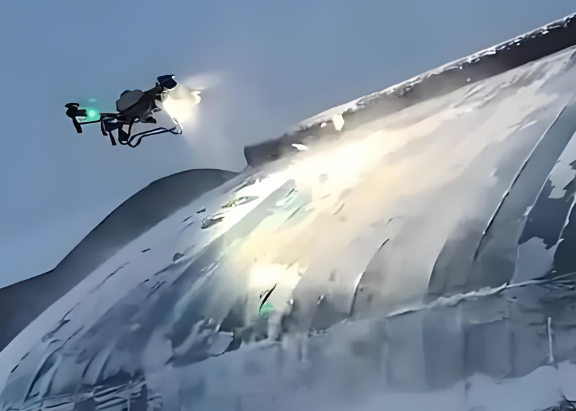
Cold conditions involve much snow, thereby challenging visual perception, sensing capability, and flight stability. Very high-risk situations arise with inexperienced pilots flying in bad weather, which should tell them to become proficient first in good weather.
Flying in snow is evident to be the best test on the performance of the flown drone and pilot. After the next precautions are followed almost religiously, safety is guaranteed, and the mission stands a good chance of being successful.
Final Vertical
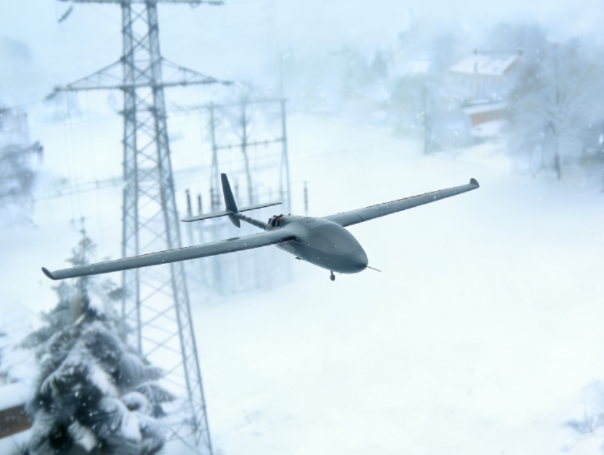
Drones can fly in snow; it is a matter of maximizing performance for different aircraft. For consumer drones, snow landscapes or other recreational activities can be captured best in shorter flight durations, which allow keeping batteries warm, and need to prevent snow or water from entering the airframe, otherwise, to damage and cause flight failures.
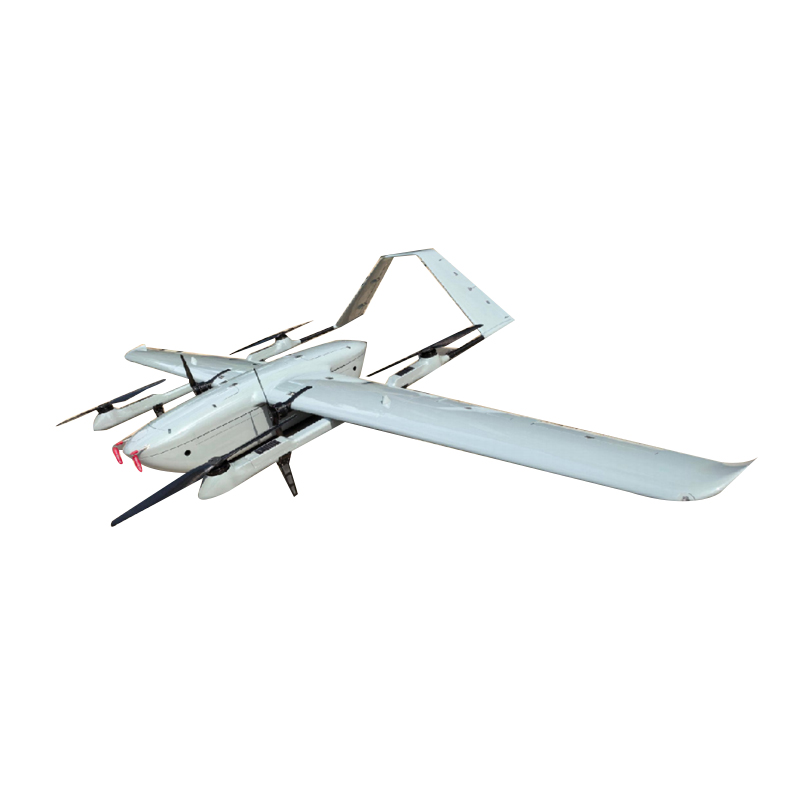
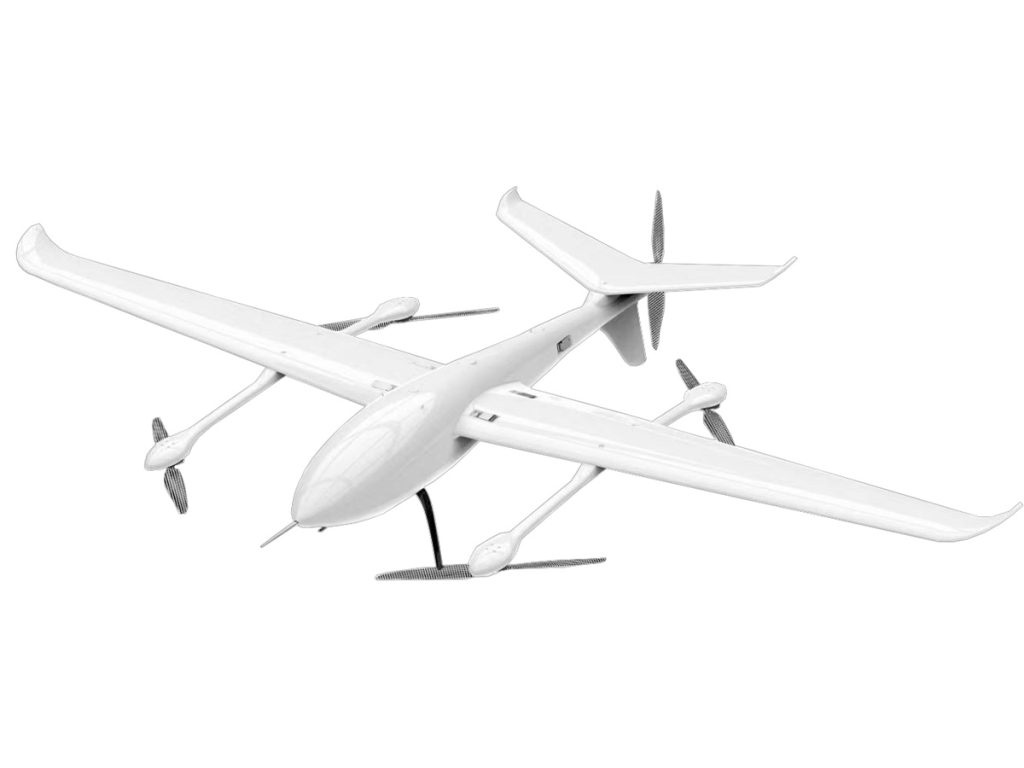
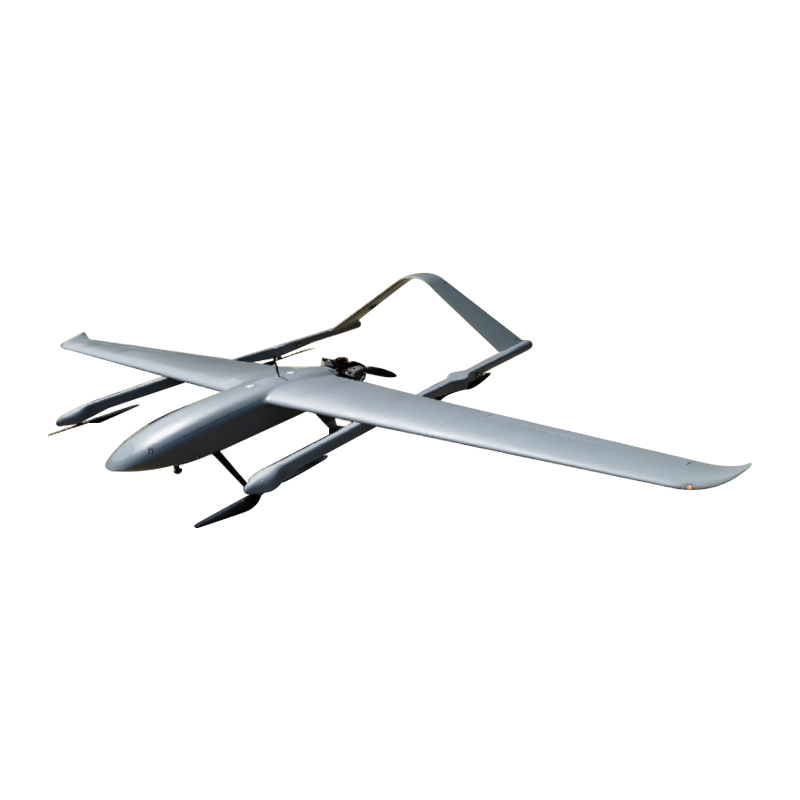
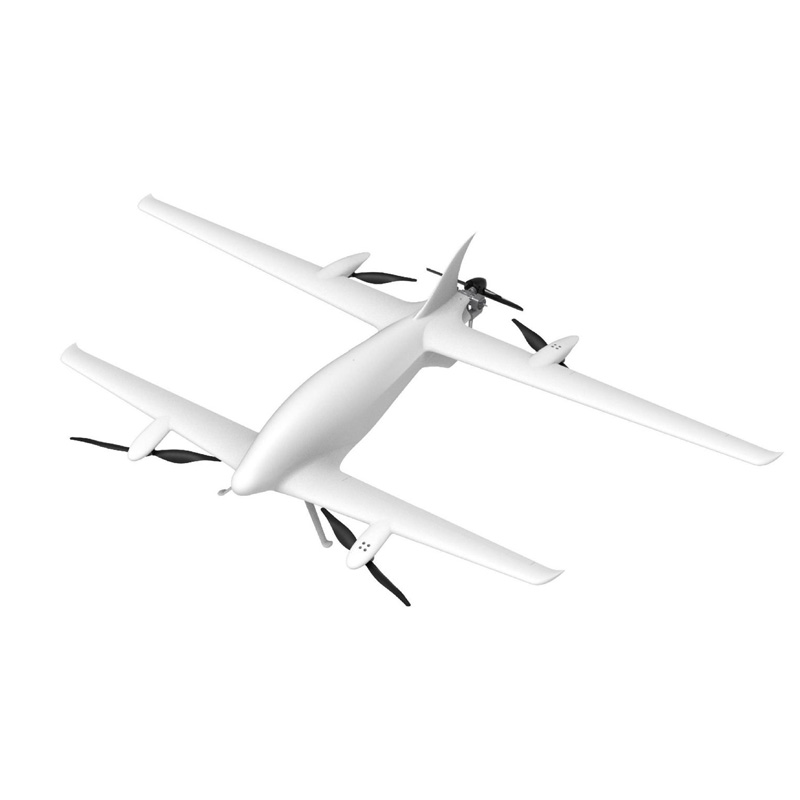
Industrial drones like those manufactured by VastArrive would be ideal: they have waterproof bodies, cold-resistant batteries, and iceization designs that help them to work professionally on inspections, agricultural surveys, and search and rescue missions. Furthermore, these drones can adapt well to low winter temperatures down to -25 °C, allowing them to perform their missions safely in harsh conditions.
Safety always comes first, no matter what kind of drone you fly. As a drone pilot flying in snow on a UAV, one should understand full well the drone’s capabilities and limitations as well as the possible risks he or she may encounter whilst flying, and take certain serious precautions and plan very attentively to ensure safe flights and ultimately survival.
FAQs about Drones Fly in Snow
What’s the lowest temperature you can fly a drone at?
The lowest operating temperature for a drone is dependent on the particular model and battery system used. Most consumer drones are suitable for 0°C to 40°C, flying below 0°C is dangerous as battery discharge efficiency suffers which may trigger early return home or even forced landing.
Some industrial and professional models come with cold-resistant batteries and onboard heating and can function in lower temperatures of around -10°C to -25°C, but again, flight times must be shortened and necessary protection ought to be in place to maintain safety.
Can snow directly damage a drone?
Snow itself usually does not cause damage, but melted snow can seep into the electronic components of consumer drones and cause malfunctions.
For industrial drones, they can be equipped with protective designs and generally withstand light snow and minor icing.
Can batteries be damaged in winter?
For consumer drones, prolonged exposure to low temperatures may shorten battery lifespan. Industrial drones can use cold-resistant battery systems that allow stable operation in low temperatures.
Can drones fly at -10°C?
For consumer drones is a high risk; not recommended. But for industrial drones, they can operate, but the mission duration should be shortened, and protective measures should be taken.
Related Products