
Drone Inspection of Fuel Storage Tanks: Key Safety Considerations
The visual inspection of fuel storage tanks may include elevated surfaces, intricate piping systems, and regions in which flammable fumes can be present. The use of drone inspection can facilitate the gathering of visual information from inaccessible areas, thus limiting the requirement for humans to access specific inspection points. Nevertheless, the safe operation of an industrial inspection drone is conditional on various factors.
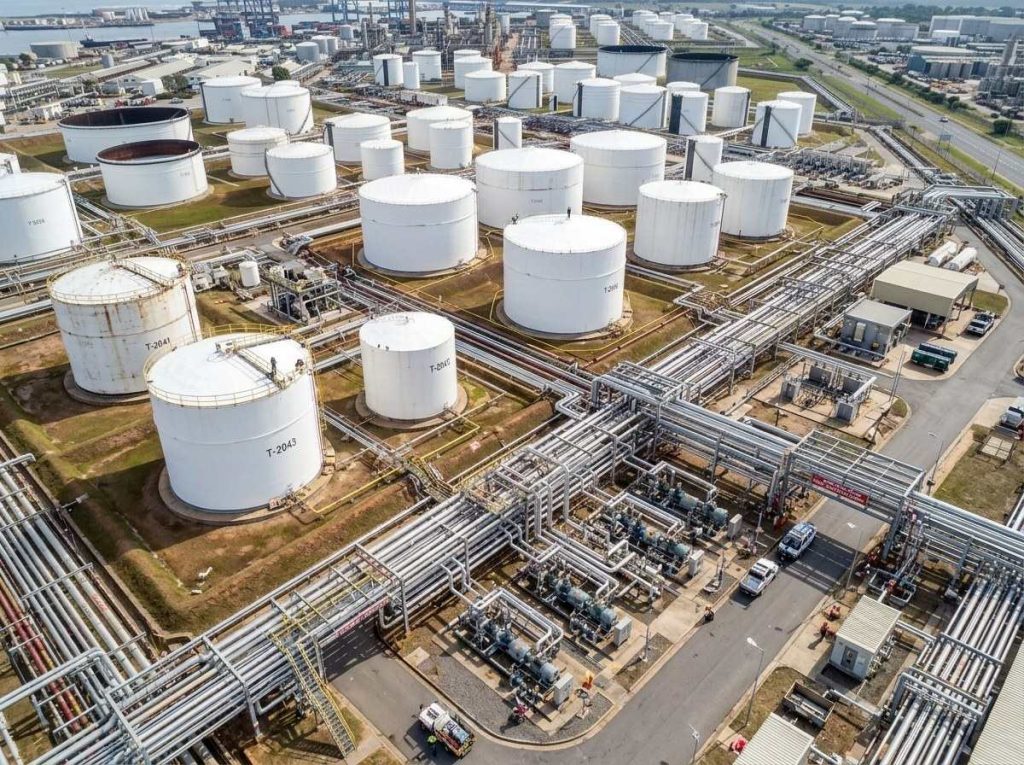
Table of Contents
Assess Site Hazards Before Flight
Tank roofs, vents, loading points, pumps, and pipe racks need consideration in flight planning. They may act as obstacles while fueling and vapor emission may be additional factors when inspecting the fuel tanks via the drones.
Talk to the site operations and the HSE personnel before proceeding with the task to learn more about the restricted areas, the condition of the site, and places where takeoff and landing are possible. You need to halt the mission and analyze the situation if there are any changes on-site.
Verify Hazardous-Area Requirements
All drones cannot be used for hazardous environments just because they have inspection sensors and are industrial drones. There are specific guidelines that need to be followed by the drone before it operates in a hazardous environment due to its classification. Ensure that you do the hazardous area classification and operating conditions assessment before selecting the airplane.
In case there are any requirements for the ATEX or IECEx certificate, ensure that all equipment in operation is included. Just one certificate for one component does not mean that all the components are certified.
In case when you cannot fly your airplane in the area, choose other ways of inspection.
Match the Drone to the Inspection Task
The selection of the aircraft will depend on the kind of inspection data needed, the payload, the flight range, and the site configuration. The important criteria include imaging capability, sensors, flight duration with the particular payload, positioning accuracy, communication, and clearance from obstacles. These factors also determine whether a fuel tank inspection drone is suitable for the planned task.
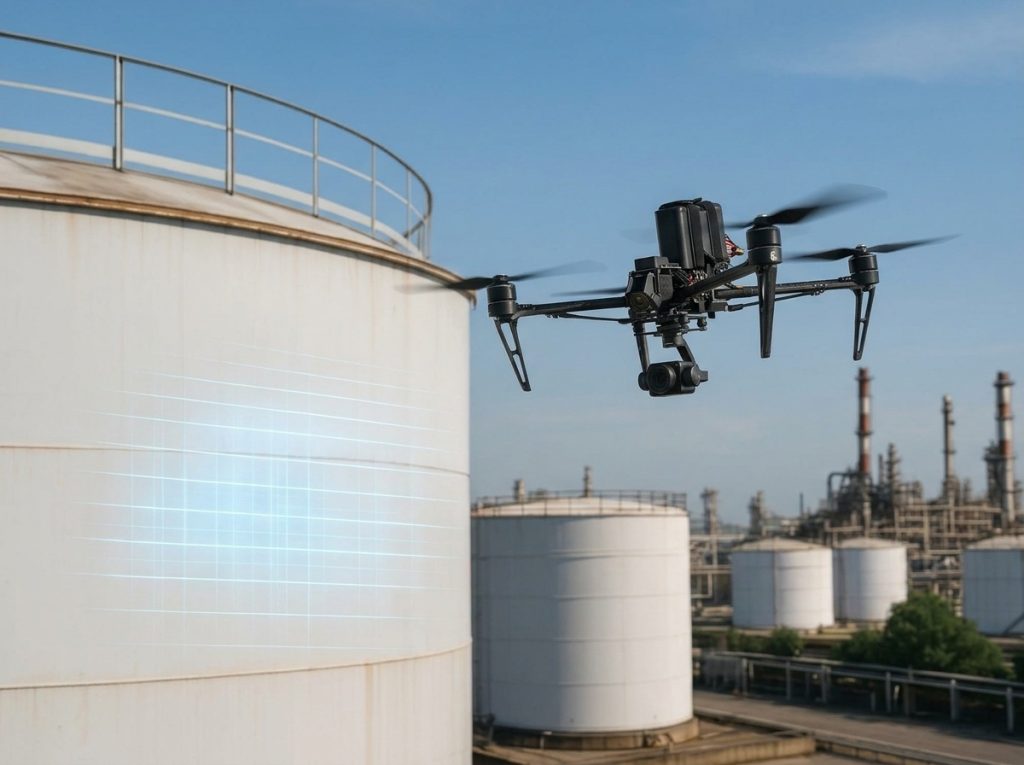
VastArrive offers industrial drone platforms with different payload capacities and configurable equipment options.
The VA-FPVD13 is a 13-inch-frame drone with a listed net weight of 1,980 g and a stated flight time of 15–35 minutes. Depending on the selected configuration, it can accommodate options such as an FPV night-vision camera and other inspection sensors. This platform may be considered for suitable visual observation and data-collection tasks, subject to verification of the final configuration.
In cases where higher payload capacity is needed, the VA-W280 is a heavy-lift tandem UAV weighing 280 kg with a mission payload capability from 70 to 100 kg. The duration of the flight, as indicated by the manufacturer, depends on the amount of the payload and is about four hours when the payload is 70 kg, and one hour when the payload is 100 kg.
The presented examples demonstrate the impact of mission requirements on the choice of aircraft. The choice should consider the required equipment and operational conditions. None of the selected models should be considered adequate for use in hazardous area operations without necessary verification and approvals.
Understand the Difference Between Visual Inspection and NDT
Drones inspection can provide information about any visible signs of corrosion, coating deterioration, deformations, and other surface defects. Temperature changes detected using thermal imaging might need further analysis, based on the inspection system and sensor used.
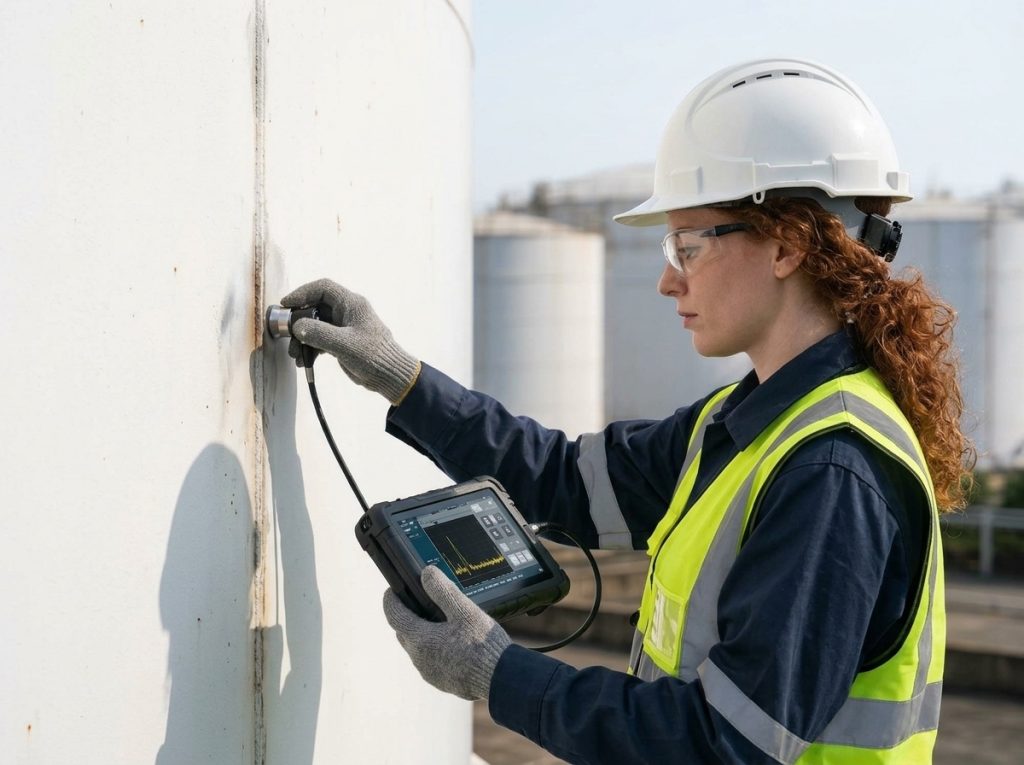
However, for more complicated procedures, such as measuring tank-wall thickness, the required nondestructive testing (NDT) equipment should be considered. According to ASNT, specialized drone systems can make contact with aboveground storage tank shells to perform ultrasonic thickness testing (UT). Such ultrasonic thickness testing requires specialized equipment rather than regular cameras alone.
This difference is crucial because visual inspection cannot establish the actual remaining wall thickness, and a thermal signature alone cannot verify the existence of a fuel leak. Drone inspection for tank integrity assessment should therefore be matched to the specific data required.
Plan the Flight Path and Recovery Procedure
The route should cover take-off, inspection, flight back, and finally landing. Observe tank walls, roofs, vents, pipes, cable racks and other obstructions, keeping enough distance as per the verified capabilities of the drone.
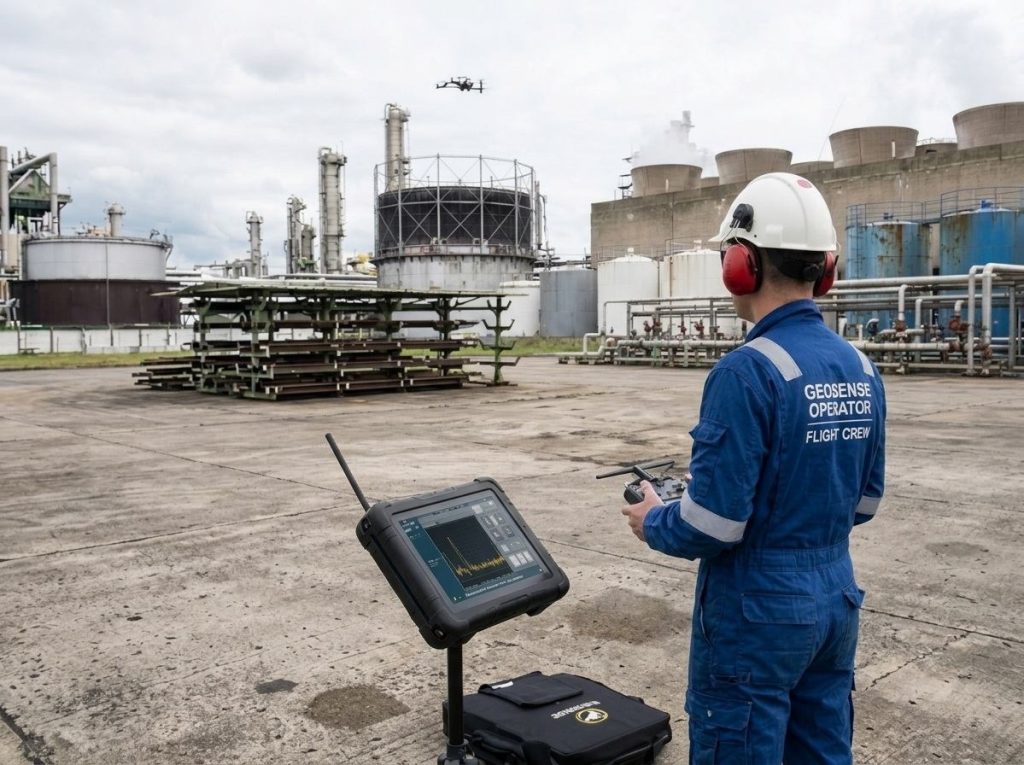
Take care to consider the effective range rather than the range indicated by the manufacturer. Factors such as payload, wind velocity, communication range, requirement of returning to home, power storage, etc., could contribute to the effective range.
Before take-off, define how the flight is to be managed in cases of emergencies like failure of communication link, navigation problems, change in weather condition, etc. Assessment of auto-return capability should be considered in relation to the landscape.
After completing the inspection, the obtained image and data collected through sensors will be useful as well as the log of the flight. It is helpful for the maintenance team to compare inspection results among different tanks and facilities.
Conclusion
Safe drone inspection of fuel storage facilities involves decisions related to site hazards, restricted areas, platform selection, and inspection procedures. The platform should be selected according to the task and its verified capabilities, rather than flight duration or payload capacity alone. Hazardous area drone operations require separate assessment of equipment suitability and site restrictions.
VastArrive offers a range of industrial drones with varying payloads and equipment configurations for customers. Customers who want to perform any special inspections can talk to the team regarding the specific job and operating conditions to choose an appropriate platform.