
How to Select Firefighting Drones Based on Actual Needs

Emergency responding agencies have been investing in drones at a greater rate than they have ever. But, many companies commit the same error when purchasing: they look at specifications prior to establishing operational requirements.
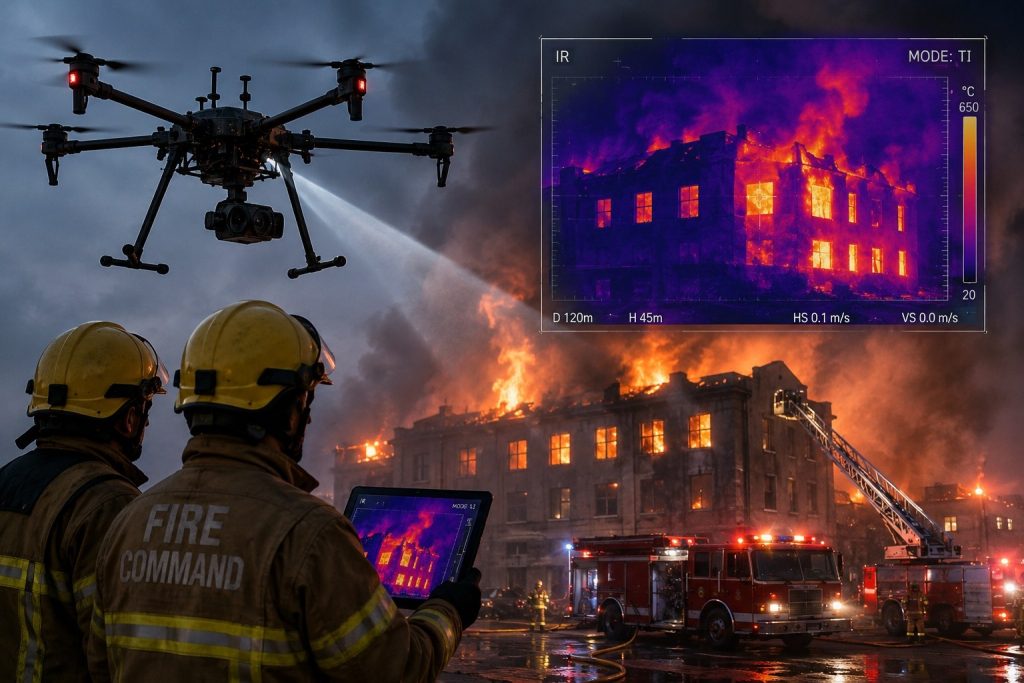
A firefighting drone shouldn’t be chosen simply because it has the longest flight time or has the most modern camera. It is recommended to select it due to the fact that it will help your team respond to emergencies faster and more securely, collect vital information more quickly, and enhance the decision-making process during emergencies.
If you are an municipality-wide fire service, forest management agency or the industrial response group and an airfield fire rescue team the best drone for you depends on the kind of events you deal with every day.
Table of Contents
Start with the Mission, Not the Drone
Before evaluating products, you should start by asking one simple inquiry:
What is the issue we are trying to resolve?
Many procurements for public use begin with identifying operational weaknesses instead of specifications for equipment.
For instance:
- Municipal fire departments usually require aerial visibility during fires in structures.
- The wildfire agencies require early fire detection as well as hotspot monitoring over vast areas.
- Industrial fire brigades need to be safe for inspection of dangerous environments.
- Rescue teams at airports require quick alertness to the situation during air accidents.
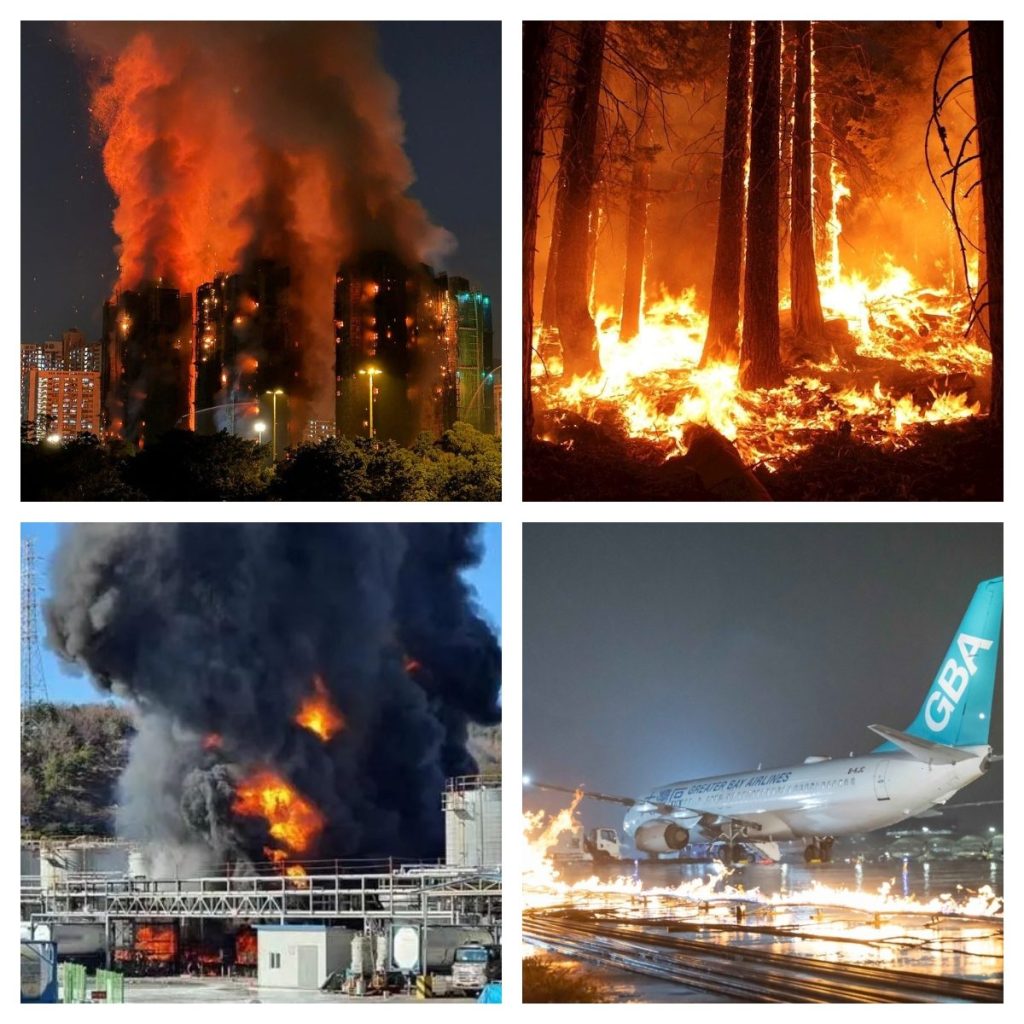
The solution to these operational challenges will determine the drone model you buy.
Thermal Imaging Should Be a Priority
If there’s a feature frequently appearing in the requirements for purchasing firefighting drones It is thermal imaging.
When a fire is raging visible cameras show what the darkness and smoke allow the operators to observe. Thermal cameras can reveal concealed hotspots, fire spreading patterns as well as roof heat accumulation or trapped victims, which might not be apparent to ground personnel.
Many procurement documents for government contracts specify high-end thermal sensors, as incident commanders depend on thermal information to make strategic decision-making. Modern fire service drones often use thermal imaging for:
- Hotspot detection
- Wildfire monitoring
- Search and rescue
- Structural fire overhaul
- Night operations
When you are evaluating a drone for firefighting be sure to look at the thermal accuracy, thermal resolution as well as radiometric measurements capabilities, rather than solely focusing on the camera’s megapixels.
Consider How Fast the Drone Can Be Deployed
In firefighting, response time matters.
A drone that requires a lot of set-up could be of little use in a situation that is rapidly changing.
Contact suppliers:
- How fast can the drone take off?
- What number of operators is needed?
- It is possible to deploy it direct from the fire equipment or a command vehicle?
- How long will a the replacement of a battery require?
Many successful fire departments incorporate drones in their initial response plan instead of using them as specialized equipment that is only used in major emergencies.
Match Flight Performance to Your Operating Environment
Different fire missions require different flight characteristics.
For urban firefighting operations, control stability, hover stability, and agility is often greater than endurance. Commanders of incidents require detailed views of rooftops, floor, as well exposure hazards.
To monitor wildfires endurance is a top priority. Forestry agencies typically require drones that cover vast areas, while also tracking hotspots, and identifying hotspots. development.
In comparing different systems concentrate on:
- Mission duration
- Area of coverage
- Wind resistance
- Communication distance
- Resilience under difficult conditions
The ideal drone for a city’s fire department might not be the ideal solution for wildfires.
Evaluate Real-Time Command Support
Modern firefighting relies increasingly on the availability of real-time data.
A drone must not just gather data, but also provide relevant information to incident commanders.
Find systems that can are compatible with:
- Live streaming of live video
- Data sharing for thermal applications
- Documentation of incidents and mapping
- Multi-user viewing
- Command center integration
Firefighters on the ground typically only have a narrow view of the situation. Drones provide an aerial view required to assess the changing situation and efficiently allocate resources.
Focus on Firefighter Safety
One of the main reasons to invest in drones to fight fires is the fact that they can reduce the dangers to firefighters.
Drones can inspect:
- Stable structures are not stable.
- Hazardous material incidents
- Chemical storage facilities
- Fuel tank fires
- Zones at risk of collapse
Instead of sending people in uncharted terrain incident commanders should first employ drones to evaluate dangers and determine the safest route to take.
In many organizations, improving the safety of firefighters is an major factor in purchasing than any other technical specifications.
Don’t Ignore Training and Long-Term Costs
A drone for fighting fires is more than just a hardware purchase.
A number of public safety agencies have reported that maintenance, pilot training of batteries, subscriptions to software and operational procedures are essential to long-term performance.
Before purchasing, ask:
- What kind of training is included?
- How often is it necessary to update software?
- What are the requirements for maintenance?
- How fast can spare parts be shipped?
- How long is expected life of the service?
The lowest price for purchase may not mean the lowest overall cost.
Final Thoughts
The most effective firefighter drone isn’t necessarily the most sophisticated model available out there. It’s the one which helps your team recognize dangers earlier, increase awareness of the situation, assist in supporting incident commanders, and guard firefighters from dangers in hazardous environments.
Before comparing specifications, determine the operational needs of your organization, determine the most frequent types of incidents and then focus on features that will directly improve the outcomes of emergency response.
If a fire breaks out the success of the fire is not always determined by the drone. It’s measured by how well that drone aids the individuals taking crucial decisions on the ground.