Multi-Purpose Drones: Features, Applications, and Buying Tips

With the rapid development of drone technology, multi-purpose drones are increasingly becoming essential tools across industries such as industrial operations, agriculture, and security. Compared to traditional single-purpose drones, they offer greater flexibility and adaptability, enabling them to perform a wide range of complex tasks.
So, what exactly is a multi-purpose drone? What are its application scenarios? And how do you choose the most suitable model? This article will provide a comprehensive overview. Let’s take a closer look!
Part 1. What is a Multi-Purpose Drone?
A multi-purpose drone is a drone system designed with multiple functions. It typically achieves multi-task operations through modular design or by swapping different payloads, enabling it to perform tasks such as inspection, cleaning, mapping, spraying, and security surveillance.
Compared to traditional drones, the key features of a multi-purpose drone include:
- Versatility: One drone can be used across multiple industries and applications
- Interchangeable payloads: Supports different equipment such as cameras, spraying systems, and cleaning devices
- Higher level of intelligence: Equipped with advanced features like autonomous flight and AI-based recognition
Simply put, it is not just a “flying tool,” but an “aerial work platform.”
Part 2. Key Features of Multi-Purpose Drones
To meet the needs of different industries and complex tasks, modern multi-purpose drones have been continuously upgraded in both design and performance. They typically offer the following key features:
1. Modular Design
Multi-purpose drones are usually built with a modular structure, allowing users to quickly switch functional modules based on different tasks, greatly improving flexibility and efficiency. For example:
- High-definition cameras (for inspection, security monitoring, mapping, etc.)
- Spraying systems (for agricultural protection, disinfection, etc.)
- Cleaning devices (for high-rise buildings, solar panels, etc.)
This “plug-and-play” design helps reduce equipment costs and enables one drone to serve multiple purposes.
2. Multiple Payload Capacity
Drones possess substantial payload capabilities which enable them to transport various equipment according to their operational requirements. Certain models can simultaneously carry multiple payloads which enables their use across different sectors including agriculture (crop spraying and seeding) and industrial operations (equipment inspection and pipeline monitoring) and security (real-time surveillance and emergency response).
Higher systems capacity enables organizations to operate their business operations more efficiently while extending their operational reach.
3. Intelligent Flight System
Modern multi-purpose drones are equipped with advanced flight control systems that significantly reduce manual operation while improving accuracy and safety. Key features include:
Automatic route planning: Generates optimal flight paths based on task areas
Obstacle avoidance: Detects and avoids obstacles in real time using sensors
AI target recognition: Uses artificial intelligence to identify targets such as crop conditions or equipment issues
These intelligent features allow drones to perform efficiently even in complex environments.
4. Long Endurance
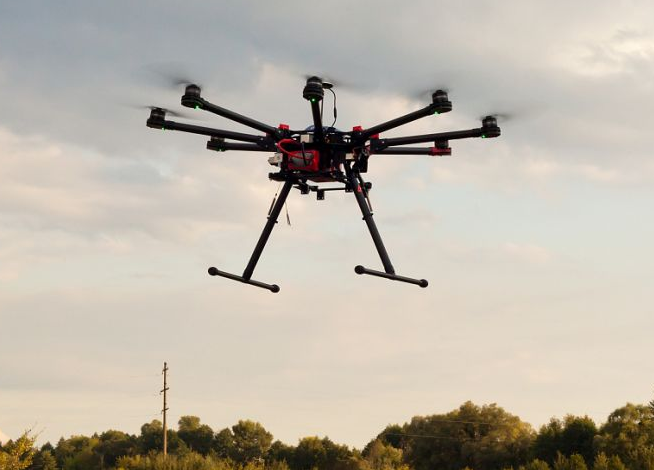
Multi-purpose drones are typically equipped with high-performance batteries or support battery swapping systems, enabling longer flight times for large-scale operations. Examples include:
- Large-area agricultural spraying
- Power line inspections
- Large industrial facility monitoring
Some high-end models also support fast charging or quick battery replacement to ensure continuous operation.
5. High Stability
In real-world applications, drones often operate in challenging environments such as high altitudes, strong winds, or confined spaces. Multi-purpose drones are designed with: Strong wind resistance (e.g., multi-rotor stabilization systems), precise hovering capabilities, and advanced flight control algorithms
These features ensure stable operation under complex conditions, improving both safety and data accuracy.
Part 3. Application Scenarios of Multi-Purpose Drones
With their strong adaptability and multi-tasking capabilities, multi-purpose drones are now widely used across various industries. From industrial operations to agriculture, and from urban management to emergency response, they have become essential tools for improving efficiency and reducing costs.
1. Industrial Inspection
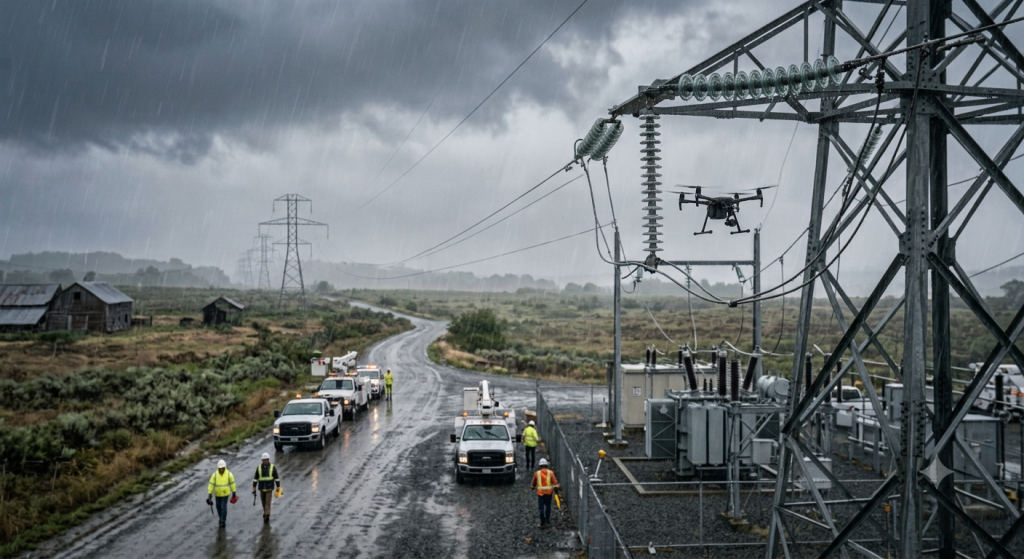
The industrial sector uses multi-purpose drones for infrastructure inspections which include power lines and wind turbines and oil and gas pipelines. Drones equipped with high-definition cameras and thermal imaging sensors can deliver operational equipment status assessments while simultaneously detecting possible equipment problems during their flights.
The main benefit of the system exists because it enables operators to substitute human workers who operate in dangerous areas with machines that conduct inspections at high altitudes. The system improves inspection efficiency while it boosts data accuracy through its ability to substitute human workers with machines.
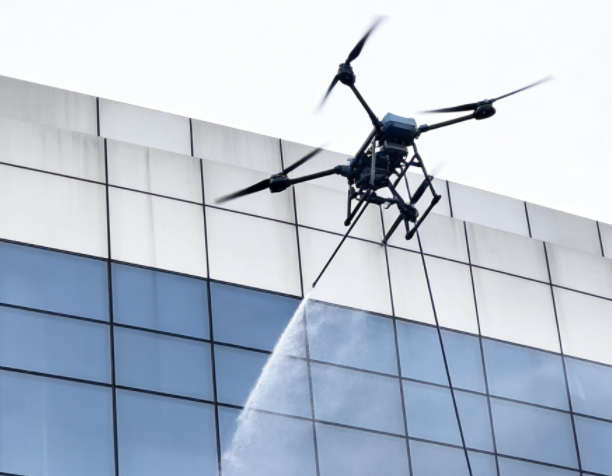
2. High-Rise Building Cleaning
The rising demand for high-rise buildings in cities leads to more frequent use of drones for cleaning work. The multi-functional drones enable operational capabilities which include cleaning glass curtain walls and maintaining commercial building exteriors and cleaning solar panels.
Drones complete large-scale tasks at a faster rate than traditional manual cleaning methods while also decreasing safety hazards from working at height and reducing permanent labor expenses.
3. Agricultural Applications
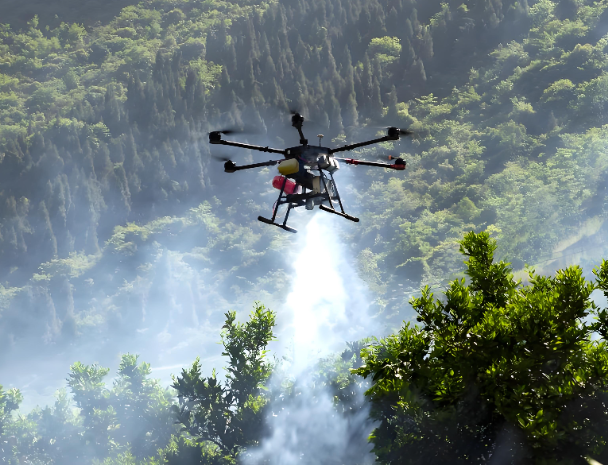
Agriculture has adopted multi-purpose drones as essential tools for smart farming applications. The equipment enables users to conduct precise pesticide and fertilizer spraying and to assess plant health through multispectral and infrared sensor technology. The system provides farm management teams with better resource allocation by using data analysis to improve their operational processes.
The system enables organizations to achieve better operational results by decreasing resource consumption which leads to more sustainable agricultural operations that use data for decision-making.
4. Security and Surveillance
The use of multi-purpose drones in public safety and emergency management operations serves as their essential function. The systems function as security patrols in cities and border protection operations and disaster response missions.
Drones use live video feeds and advanced recognition systems to evaluate situations without delay which improves their monitoring capacity and emergency response efficiency.
The development of multi-purpose drones has progressed from their original single-purpose design to become versatile aerial platforms which provide benefits to multiple business sectors.
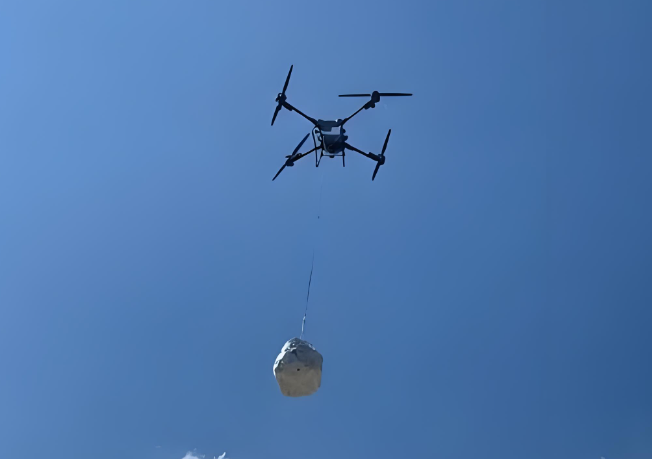
5. Logistics and Transportation
The logistics field is experiencing a revolution through its adoption of multi-purpose drones which are replacing conventional delivery methods. The system operates through its capability to deliver packages and transport medical supplies during emergencies to areas that are difficult to access.
Drones provide an aerial delivery system which creates direct flight connections between two points that enables faster delivery times while enhancing overall logistics performance through its specialized benefits.
Part 4. Advantages of Using Multi-Purpose Drones
Compared to traditional equipment and single-purpose drones, multi-purpose drones offer significant advantages in efficiency, safety, and cost control, making them increasingly important across various industries.
Cost Reduction
Multi-purpose drones follow a “one drone, multiple uses” approach, allowing a single device to replace several specialized tools. This helps reduce initial equipment investment. At the same time, having fewer devices also lowers maintenance, storage, and management costs.
In addition, their modular design enables users to switch functional components instead of purchasing entirely new systems, making the overall investment more economical and efficient.
Improved Safety
The dangerous conditions of high-altitude operations and heavily polluted areas and hazardous sites which include power inspections and chemical plants and disaster zones create safety hazards through traditional manual work. Human workers face replacement by multi-purpose drones who can operate in these hazardous environments.
Drones achieve operational safety improvements by using their remote control and autonomous flight functions which decrease worker injury hazards.
Increased Efficiency
Multi-purpose drones show their complete operational capabilities through their combined autonomous flight system and route planning feature and intelligent recognition technology. Drones achieve faster performance than traditional inspection and spraying and cleaning methods when they execute large-scale tasks.
Their ability to be quickly deployed and operate continuously also contributes to a more efficient and streamlined workflow.
High Flexibility
The main benefit of multi-purpose drones shows itself through their ability to perform various tasks in different environments. The drone system enables users to fast switch between different payloads while they can select different operational modes to handle multiple mission requirements.
The equipment gains increased functionality through its capacity to switch between industrial inspection and security surveillance or between agricultural spraying and mapping operations.
Part 5. How to Choose the Right Multi-Purpose Drone?
If you are considering purchasing a multi-purpose drone, it’s important to evaluate your actual needs and balance performance, functionality, and long-term operating costs. Here are the key factors to consider:
1. Application Scenario
First, clearly define the primary use of the drone, such as cleaning, inspection, agriculture, or transportation. Different scenarios require different configurations. For example, cleaning tasks demand higher payload capacity and stability, while inspection tasks rely more on high-quality imaging and data collection.
Therefore, it’s essential to match the drone’s capabilities with your specific application needs.
2. Flight Time
Flight endurance serves as a crucial aspect that determines work productivity. Extended flight durations enable pilots to operate their aircraft across wider areas while decreasing the frequency of battery replacements and work interruptions.
The best option for efficiency improvements requires users to select aircraft models which either provide extended flight times or enable rapid battery replacement.
3. Payload Capacity
Different tasks require different payload capacities, so it’s important to select a drone that meets your specific requirements. For instance, cleaning equipment is typically heavier and requires higher payload capacity, while cameras and inspection tools are relatively lightweight.
Choosing the right payload capacity ensures optimal performance and helps extend the lifespan of the equipment.
4. Intelligent Features
The level of intelligence in modern multi-purpose drones directly affects ease of use and operational results. It is advisable to prioritize drones equipped with features such as autonomous flight, route planning, AI recognition, and obstacle avoidance systems.
These capabilities not only improve accuracy but also reduce operational risks and enhance overall safety.
5. Brand and Service
The primary factors that determine product reliability include brand trustworthiness and customer support after purchase. The selection of a reputable manufacturer who has established technology track record will result in superior product quality and stable performance. The evaluation process should include an assessment of the provider’s capabilities for delivering technical support and customer service and their capacity to provide spare parts.
The implementation of an effective service system will decrease possible problems and sustain ongoing reliable operations.
Part 6. Best Multi-Purpose Drone – VastArrive B100P Multi-Purpose Heavy Drone
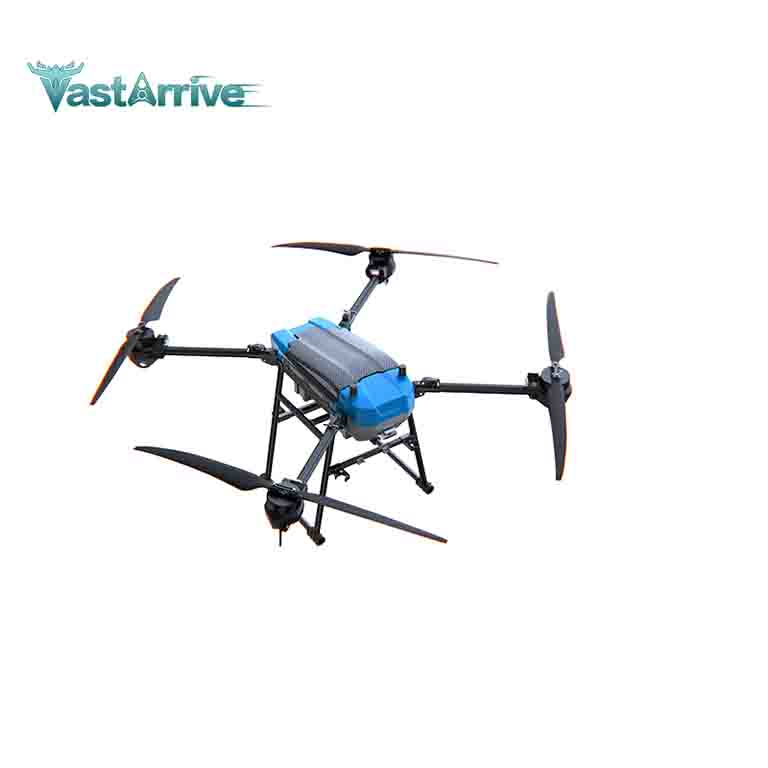
Among the many multi-purpose drone products on the market, it is crucial to choose a model that is stable, fully featured, and suitable for multiple scenarios. VastArrive B100P Multi-Purpose Heavy Drone is an industrial-grade, heavy-lift multi-purpose drone specifically designed for complex operational scenarios.
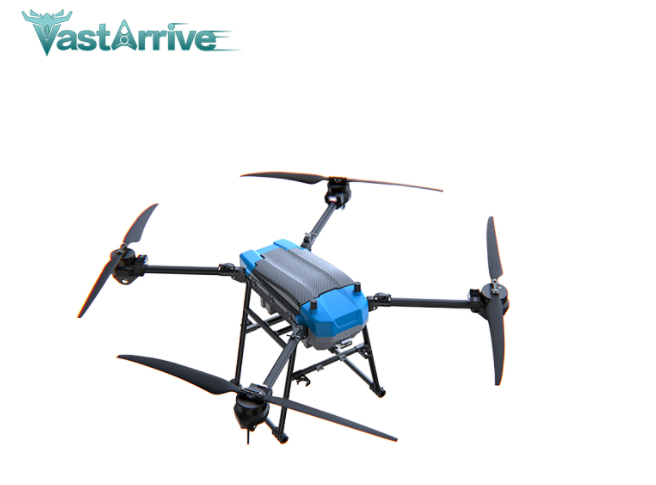
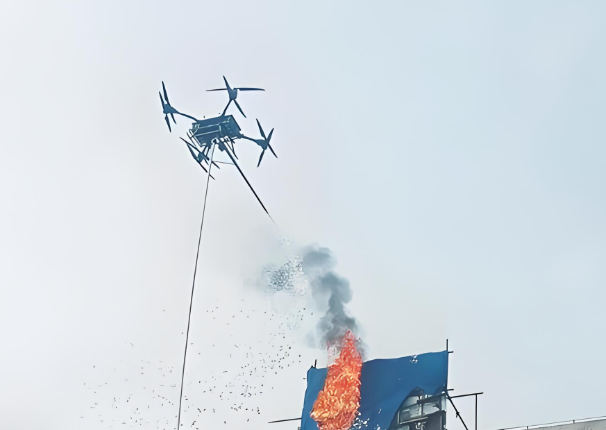
It supports a wide range of tasks, including cleaning, high-altitude firefighting, agricultural spraying, and cargo transport, offering true multi-functionality. Its modular design allows for quick swapping of operational equipment to adapt to different missions.
The B100P is equipped with a high-performance power system, foldable lower arms, and an integrated AG6 flight control system, ensuring stable flight and precise operation. Its long-endurance battery supports extended work sessions. Whether for high-rise building cleaning or remote cargo delivery, the B100P improves efficiency, reduces human risk, and serves as a reliable multi-purpose drone solution for enterprises and industrial users.
In Summary
The ongoing progress of drone technology leads to the development of multi-purpose drones, which change existing operational methods. The solutions they provide, which combine efficiency with safety, enable businesses to operate their work processes through flexible intelligence.
VastArrive Drone functions as a smart investment because it allows businesses to maintain their competitive advantages in their respective markets.
Related Products