Topographic Survey Drones

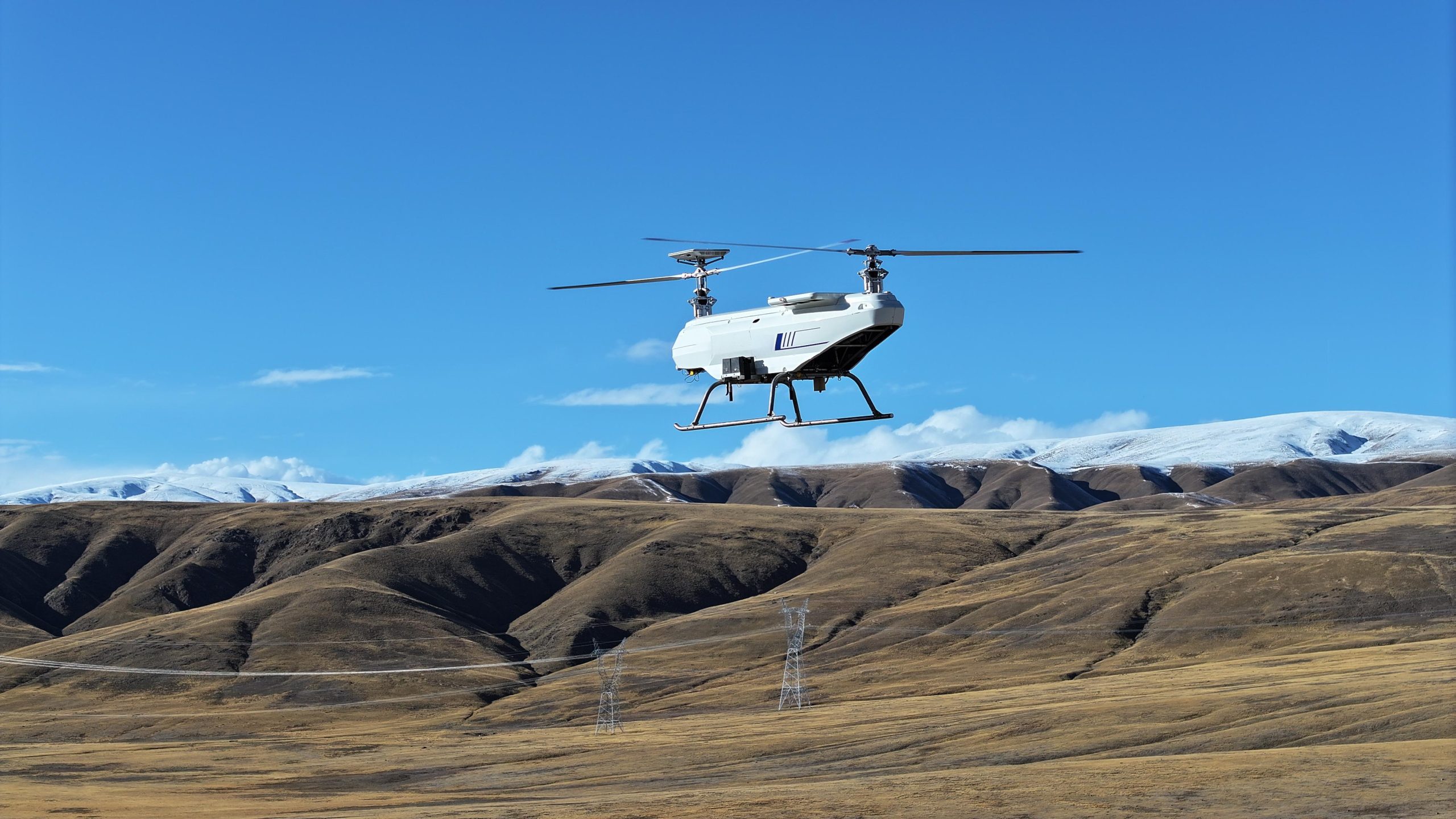
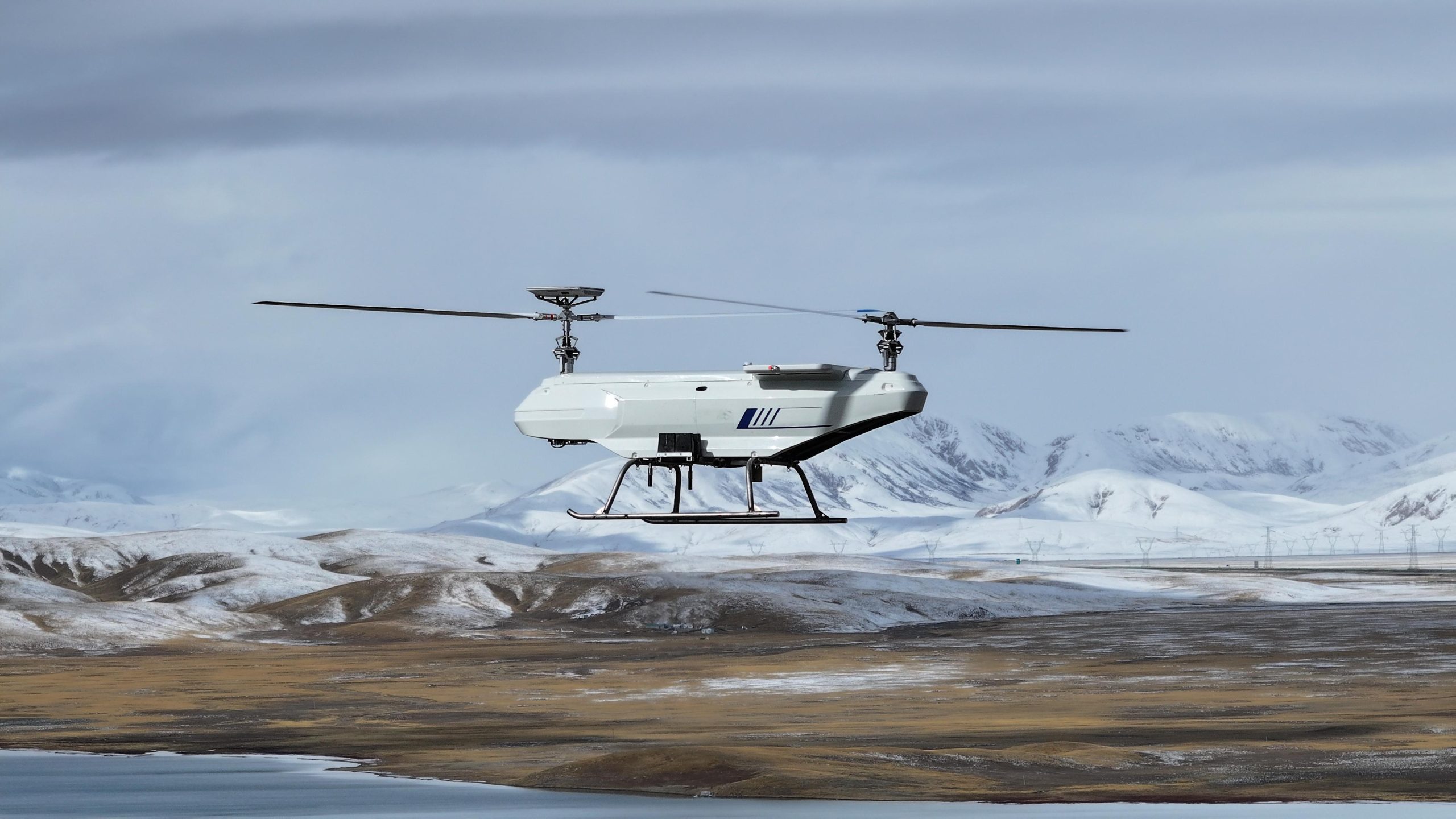
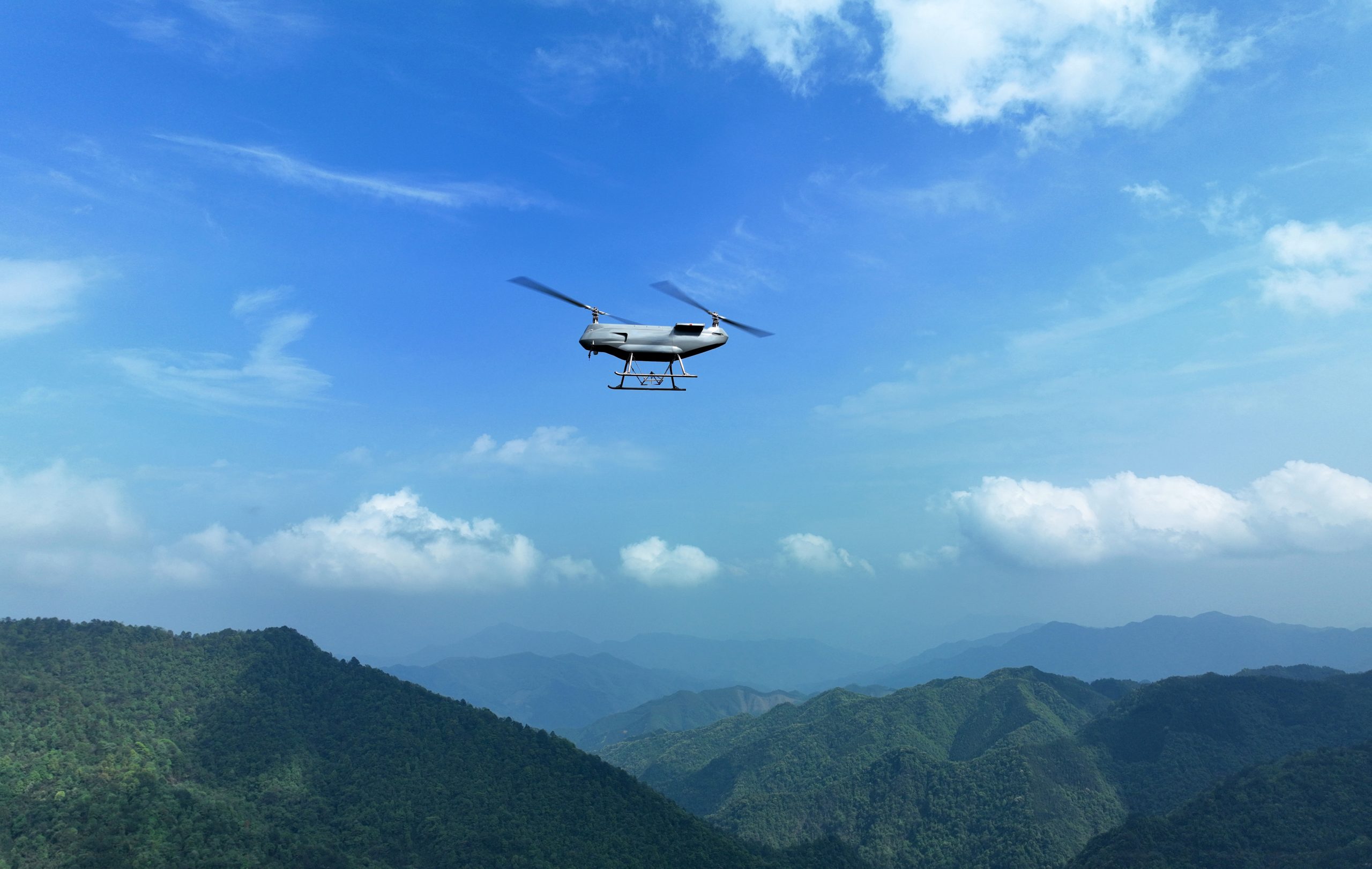
Terrain surveying drones can easily reach some places that are difficult or dangerous for humans to access, greatly improving exploration efficiency, shortening the exploration cycle, reducing exploration costs, and reducing manpower input. They are widely used in many fields such as urban planning, land surveying, mine monitoring, river and coastline mapping, disaster assessment and rescue.

VastArrive Provide Strong Data Support in Topographic Survey

Drones capture detailed information such as the three-dimensional shape, texture, and height of the ground, and transmit it to a ground station or cloud server for further processing and analysis to generate high-precision topographic maps, three-dimensional models, and other results.

Mineral Exploration & Sample Transportation

Accurately grasp the topographical changes and volume calculations of the mining area, and regularly check the excavation progress and soil accumulation.

Geological Disaster Monitoring & Assessment

Inspect potential landslide and debris flow sites to provide early warnings; Acquire images of disaster areas to calculate the disaster area and impact range.

Topographic Mapping & Analysis

Rapidly acquire large-area terrain data, generate high-precision data models, and provide scientific basis for multiple fields.

Urban Planning & Construction

Provides accurate 3D city models to help planners better design roads, buildings, and green spaces.

Get the Drone That Meets Your Topographic Survey Needs

Key Features of VastArrive Drones for Topographic Survey

High-precision Data & High-resolution Images

Drones can carry high-precision sensors to accurately capture the three-dimensional coordinate information of the terrain, realize high-precision terrain data collection and take clear terrain photos for the production of high-precision terrain maps, 3D models, etc., providing strong support for terrain analysis and planning.

High Efficiency & Flexibility

Compared with traditional terrain exploration methods, drones can be quickly deployed to hard-to-reach or dangerous areas, such as mountains, swamps or disaster areas, and complete large-scale terrain exploration tasks in a short time. At the same time, they can carry multiple sensors to provide more comprehensive terrain information and meet different exploration needs.

Automation & Intelligence

With the development of artificial intelligence and automation technologies, the automation and intelligence levels of UAV terrain surveying are constantly improving. UAVs can autonomously plan survey routes, avoid obstacles, and land, greatly reducing the workload of survey personnel and improving the accuracy and safety of surveys.

Cost-effectiveness

Compared to traditional terrain exploration methods, UAV terrain exploration is much more cost-effective. It does not require a large investment of manpower, resources, and time, while providing high-quality terrain data, demonstrating a significant cost-effectiveness advantage.

More Drone Solutions from VastArrive

VastArrive drones cover multiple industries, meeting diverse needs and unlocking new possibilities.

FAQs about Drone Topographic Survey

Please contact us immediately to confirm your drone application scenarios and requirements. We will customize a drone application solution to meet your needs:

  •  Inquiry & Quotation
  •  Check Buyer Information
  •  Sign Contract & Arrange Deposit
  •  Apply for Export License
  •  Produce & Testing
  •  Balance Payment & Shipping
  •  Receiving & Training
  •  After-sales & Technical support
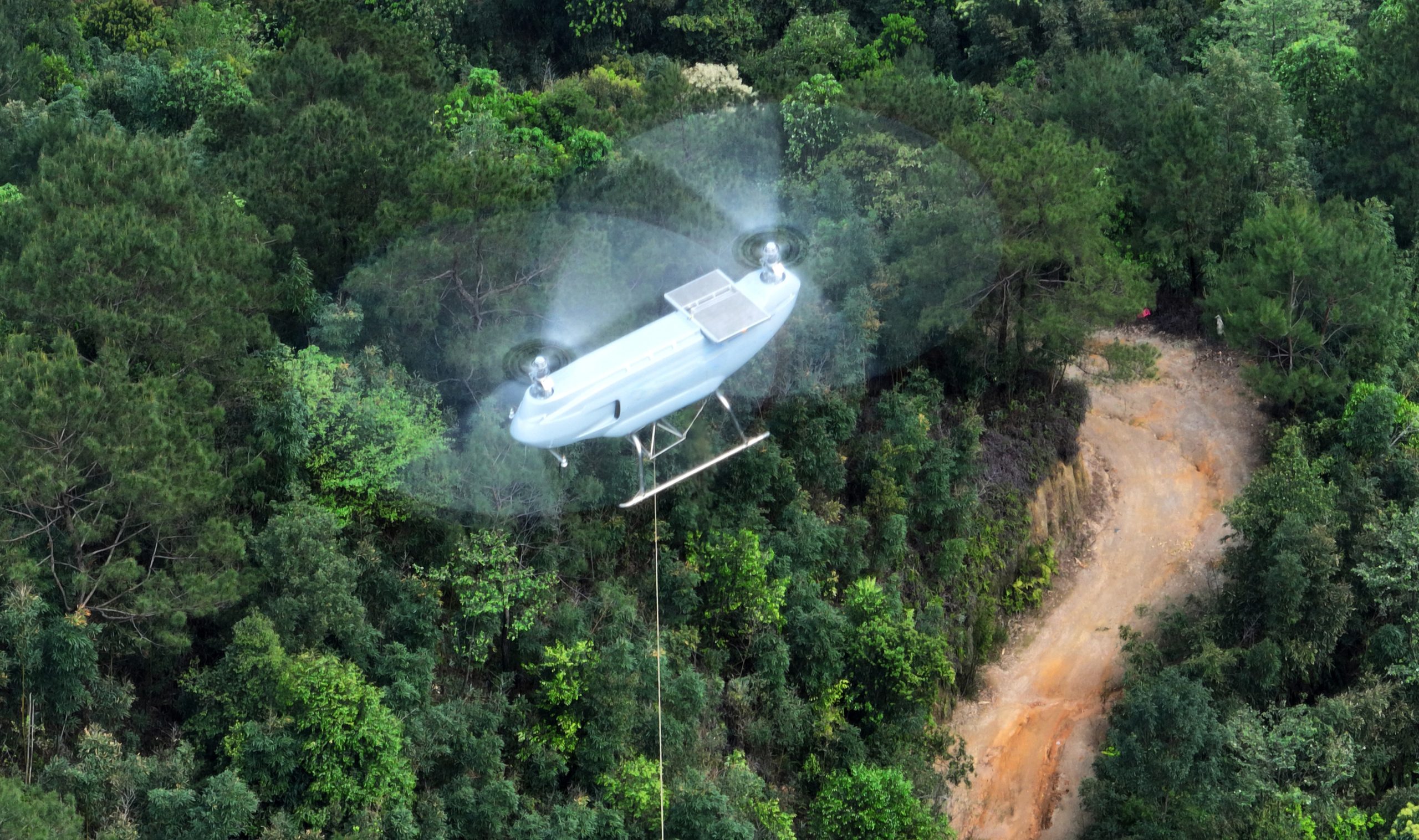
  1. Coverage of Complex Areas: Drones can take off and land vertically and hover, reaching deep into areas inaccessible to humans, such as steep cliffs and deep forests, enabling rapid scanning of all terrains.
  2. Rapid Response and Efficient Operation: In response to sudden disasters (such as earthquakes and landslides), drones can quickly arrive at the scene, transmit data in real time, and generate high-precision models to support rescue decision-making. Traditional manual surveying requires point-by-point data collection, while drones can acquire regional data in one go through aerial photography, increasing efficiency by tens of times.
  3. High-Precision Data Acquisition: Equipped with LiDAR, multispectral cameras, and other equipment, drones can generate digital elevation models (DEMs) and orthophotos with centimeter-level accuracy, reducing human error.
  4. Ensuring Personnel Safety: In dangerous areas (such as landslide areas and mining areas), drones can replace manual surveying, avoiding exposure of personnel to extreme environments or geological hazards.
  1. Environmental Site Survey: Conduct a site survey one day in advance to accurately identify interference sources (such as high-voltage lines and signal towers), dynamic obstacles (such as large vehicles), and low-altitude hazards (such as tall trees), and highlight “visual trap” areas.
  2. Airspace Compliance Verification: Confirm that flight routes avoid no-fly zones/height-restricted zones, and prepare drone licenses and airspace permits in advance for inspection.
  3. Triple Verification of Meteorological Conditions: Verify wind speeds against weather forecasts, using weather radar (such as Windy), and a small anemometer.
  4. In-depth Equipment Inspection:This includes checking the propeller (visual inspection + bending test), battery (charge >90%, contacts free of oxidation), gimbal (no abnormal vibration during power-on self-test), and obstacle avoidance sensors (lens clean, calibration compliant).
  5. Refined Takeoff Point Selection:Choose a hard, flat surface (cement is best), with a 5-meter clearance radius, away from crowds or fences, and avoid takeoffs and landings near slopes, sandy areas, or high-voltage power lines.
  6. Maintain Visibility of Critical Modules:Ensure the drone is always within the line of sight to avoid signal loss or collision risks due to obstruction.

Optoelectronic Payloads

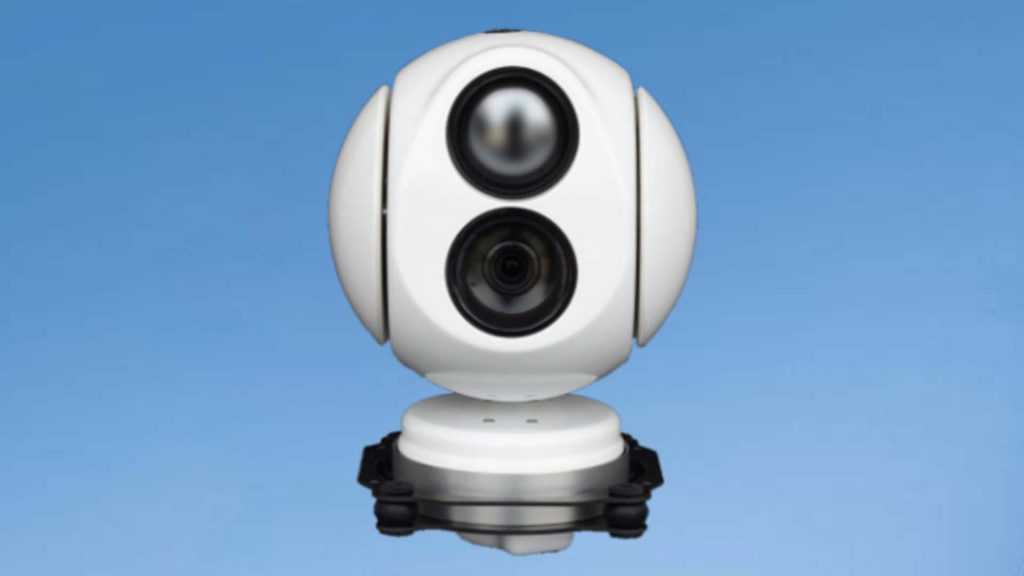
  • Visible light cameras: Applications include infrastructure inspection (e.g., detecting cracks in power lines and bridge corrosion) and urban planning (generating high-precision 3D models using a five-lens tilting camera).
  • Infrared thermal imagers: Commonly used in industrial inspections (e.g., locating transformers and overheating hazards in transmission lines) and fire emergencies (locating fire sources and detecting thermal signals of trapped personnel at fire scenes).
  • Ultraviolet imagers: Primarily used for detecting deterioration of power grid insulators, reducing the risk of manual climbing.

Radar and Laser Payloads

  • LiDAR: Suitable for topographic mapping and obstacle detection.
  • Synthetic Aperture Radar (SAR): Primarily used for geological hazard assessment and locating signs of life in rubble after disasters.

Environmental Monitoring Payloads

  • Gas detectors: Suitable for industrial leak detection and environmental compliance monitoring.
  • Multispectral/hyperspectral sensors: Widely used in agricultural management (monitoring crop growth and early warning of pests and diseases) and mineral exploration (identifying mineral distribution through spectral reflectance characteristics).

Operational Payloads (Active Operations)

  • Transportation and Dropping Devices: Such as cargo pods and automatic droppers, supporting precise delivery, suitable for medical emergency (delivering medicines to disaster areas) and power construction (heavy-duty drone-assisted transport of tower materials).
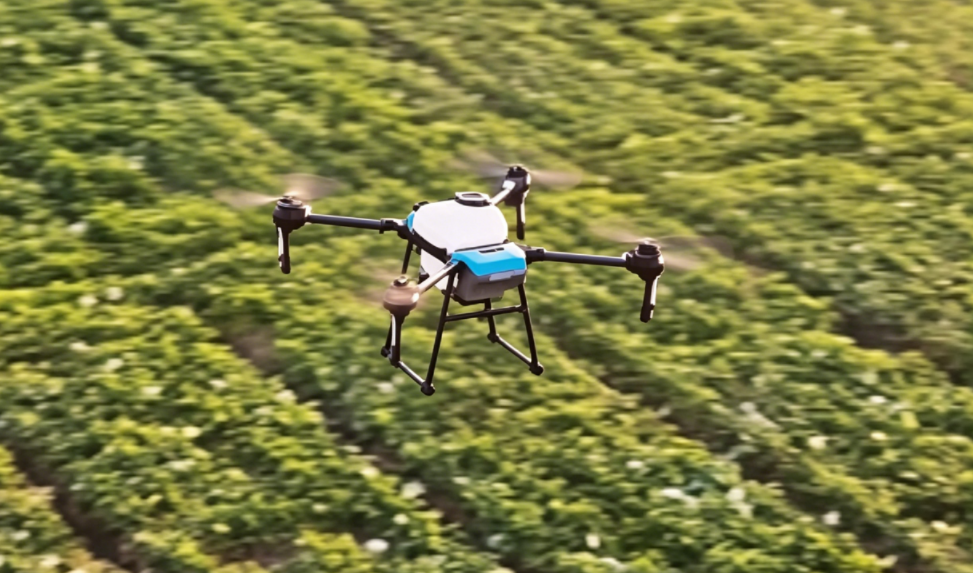
  • Specialized Operation Equipment: Including loudspeakers, searchlights, agricultural sprayers, etc., adaptable to rapid deployment in multiple scenarios.

Safety Protection Devices

  • Emergency Parachute: In the event of an accidental drone crash, it detects the descent speed in real time and automatically deploys the parachute to slow the descent and reduce impact.
  • Collision Avoidance Module: Reduces the risk of collisions during flight through technologies such as obstacle avoidance radar.

Contact for More Informations

Focus on quickly responding to your needs and customizing exclusive services from a professional perspective

Please tell us your detailed needs for drones, and our experts will contact you to answer your questions.

+86 17708348540

+86 17708348540

[email protected]

Vast Arrive

Homepage: www.vastarrive.com; www.drawell.cn.