How to Use Drones for Crop Spraying?

With the current rapid development of precision agriculture and intelligent farming equipment, how to use drones for crop spraying is also becoming an essential part of crop spraying activities. Drones are changing the way crop spraying is done since farming is in a new era of intelligence.
Compared with the conventional approaches, drone spraying has proved more efficient and safe for the worker as well as more environmentally friendly, which will help create a more sustainable agriculture system.
What is Drone Crop Spraying?
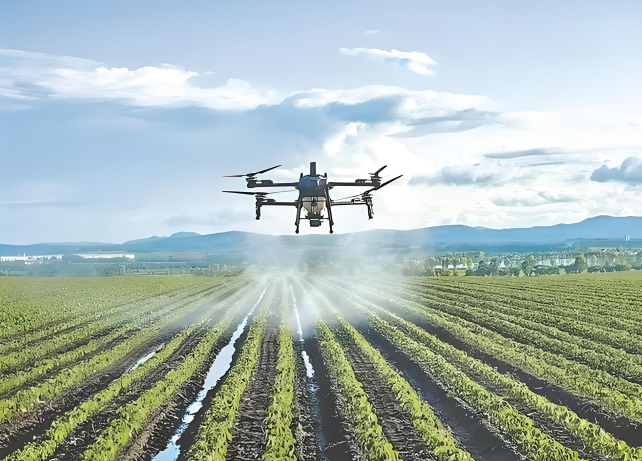
Drone crop spraying is the use of agricultural drones that have been equipped with crop-spraying technologies in order to apply pesticides, foliar fertilizers, or nutrient solutions to crops in a controlled way.
By maintaining pre-fixed flight routes, altitudes, and spray rates, the drones have the ability to fly in a stable manner at low heights in order to precisely cover crops.
Compared with classical spray technologies, the advantages of agricultural spray drones are the following:
- Aerial operation: avoids trampling or damaging crops
- High level of automation: reduces dependence on manual labor
- Flexible spraying plans: can be adjusted according to the growth stage of the crops
Why Are Drones Increasingly Chosen for Crop Spraying?
Today in agriculture, the application of drones for crop spraying goes beyond being a “new technology” since the efficiency that it brings has tremendous value. Laboratory testing has demonstrated that water usage for crop protection can be drastically reduced by the application of these drones.
For instance, tests conducted in Asia have demonstrated that for a similar area covered, the water used by a drone spray is at most a tenth of that used by a human spray while still being effective. Such a liquid-efficient mechanism makes a drone perfect for areas with scarce water resources or areas that require frequent sprays.
On the other hand, the adoption of technology in precision agriculture has also ensured the increased adoption of drone spraying technology. The U.S. Department of Agriculture reported a rise in the adoption of precision agriculture technology in the U.S., indicating a positive shift in the adoption of smart farming technology worldwide by about 2%, from 2021 to 2023, as indicated by the US Department of Agriculture statistics.
In addition, drones can also manage to keep their flight altitudes and spraying speeds steady, hence sprinkling most evenly. This not only reduces over-application and drift to minimize waste of the chemical but also brings better health to crops on the whole, hence making the value of practical use of drone spraying in modern agriculture more than obvious.
Which Crops Are Suitable for Drone Spraying?
Agricultural spraying drones are highly efficient, precise, and flexible, making them suitable for a wide range of crops, including field crops, cash crops, and orchard crops:
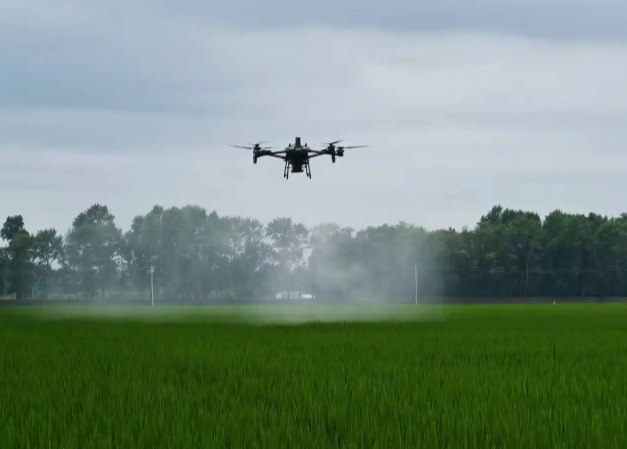
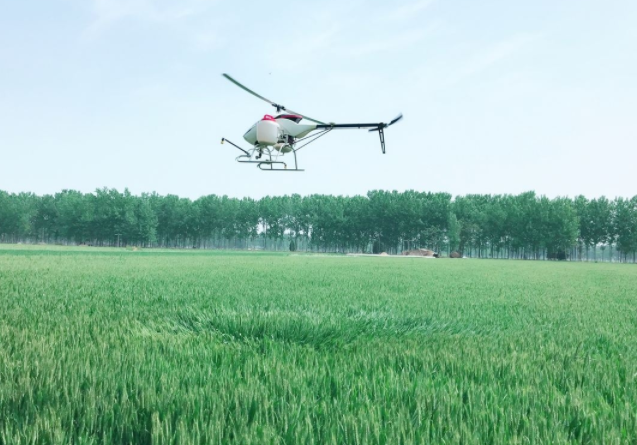
Field crops: like s rice, wheat, corn, soybeans, and rapeseed. Such crops are usually grown by covering a massive area with a dense population of plants. Hence, traditional methods of spraying pesticides are laborious for these plants. Drones can easily spray pesticides over such fields.
Cash crops: including cotton, sugarcane, and tobacco. These crops require high spraying precision and even chemical distribution. Drones can adjust flight altitude and spraying speed to accurately control the amount of chemicals applied, reducing input costs while improving pest and disease control efficiency.
Orchard crops: for example, citrus, apples, grapes, and tea plantations. These crops are widely variable in height with variable foliage density, which complicates any attempt by traditional spraying methods to reach inner leaves. Drones will thus fly at different altitudes and angles to reach a good coverage of tree canopies and leaves. This improves spraying efficiency while preventing pesticide drift and waste.
Also, since different crops are of varying height, density, and leaf characteristics, it is necessary to vary the flight altitude and spraying factors in accordance with the type and maturity level of the crop. This has been one of the most significant advantages of drone spraying over traditional spraying techniques.
How to Use Drones for Crop Spraying: Core Operational Process
In this section, we outline the standardized workflow for drone-based crop spraying, detailing each step from pre-flight preparation to post-operation inspection, ensuring safe, efficient, and precise application of pesticides, fertilizers, or nutrient solutions.
Step 1. Ground Evaluation and Flight Planning
It is necessary to precisely analyze the type of crops and crop maturity level and analyze the land topography and possible hindrances like trees, water pipes, or electric wires before spraying.
From this evaluation, a rational flight path as well as a spray pattern can be devised to get an even coverage without having any patches or wastage of chemicals. This is now possible by using advanced drones that can automatically plan a route with the help of GPS.
Step 2. Drone Preparation and Parameter Settings
Next, you should ensure all components of the drone’s spraying system, including nozzles, tanks, pumps, and batteries, are in good working condition.
Set spraying parameters according to crop requirements, such as flow rate, flight speed, and spraying altitude, to optimize coverage and deposition efficiency. Pre-flight system checks and calibration of the flight control system are crucial to maintain stable operation.
Step 3. Chemical Preparation and Loading
Prepare pesticides, fertilizers, or nutrient solutions according to the recommended concentration ratios. Mix thoroughly to prevent sedimentation or nozzle blockages. Proper preparation and loading are essential for consistent spraying performance and avoiding operational errors.
Step 4. Spraying Operation
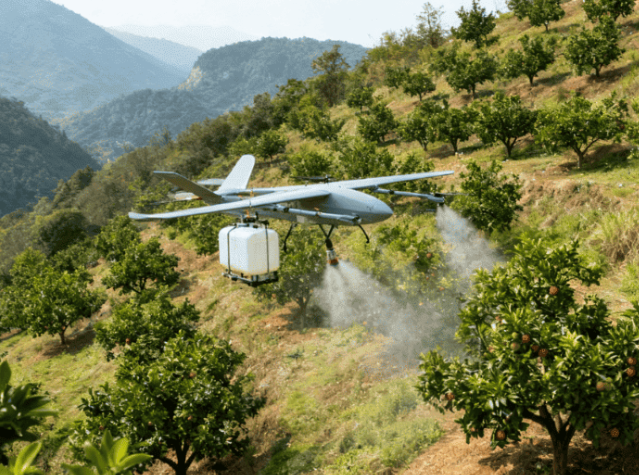
After preparation, you can control the drones to follow preset flight paths, allowing for automatic spraying, while manual intervention can be applied as needed. During spraying, pay attention to:
Weather conditions: wind speed, temperature, and humidity can significantly affect spray deposition and drift.
Flight stability and spray uniformity: maintaining a consistent altitude and speed ensures even coverage across all crop areas.
Step 5. Post-Spraying Inspection and Data Analysis
Following spraying, one should check the field for proper uniformity of coverage and coverage misses. Record key operational data, including spraying parameters, usage of chemicals, and flight paths. In precision agriculture, this data becomes of the highest importance for performance analysis and optimization of future strategies of spraying, which helps transition drone operations from experience-based to data-driven management.
Important Considerations in Selecting Agricultural Drones
Before spraying crops with drones, choosing the right agricultural drone is very important. Generally speaking, various factors such as area coverage, type of crop, terrain, and operation efficiency should be considered in making choices. The selection of an appropriate drone improves not only work efficiency but also contributes to lowering operating costs and labor.
Key factors to be considered include:
1. Coverage Area and Efficiency
Crops usually require coverage over a wide region; thus, operational efficiency becomes an important consideration.
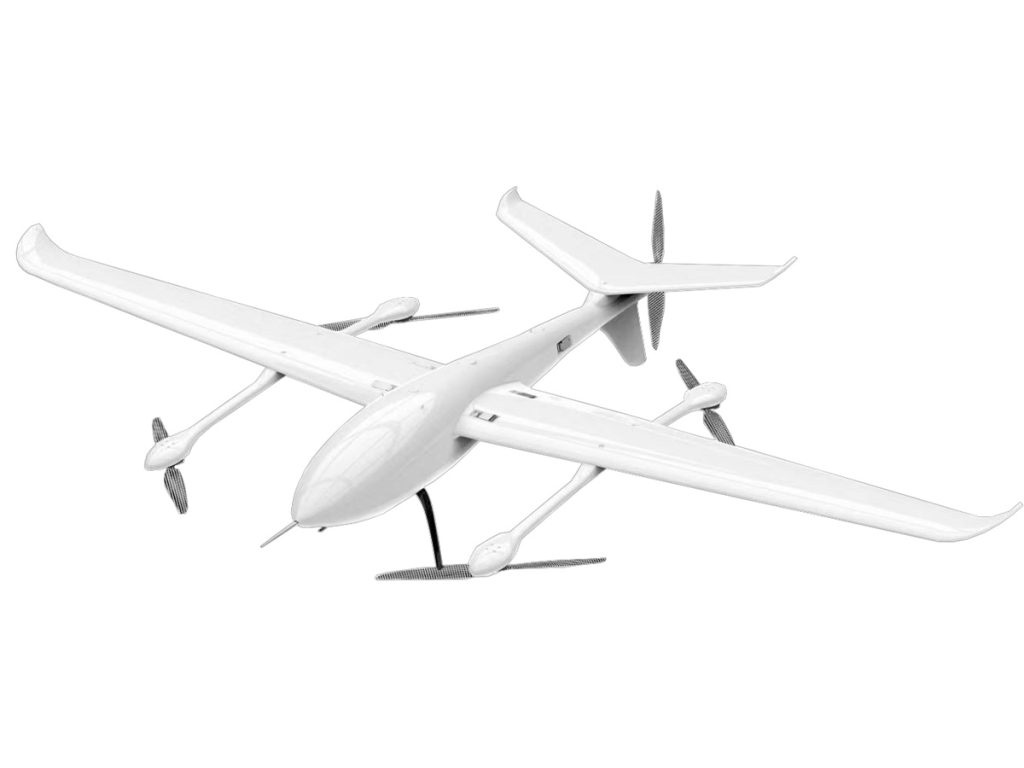
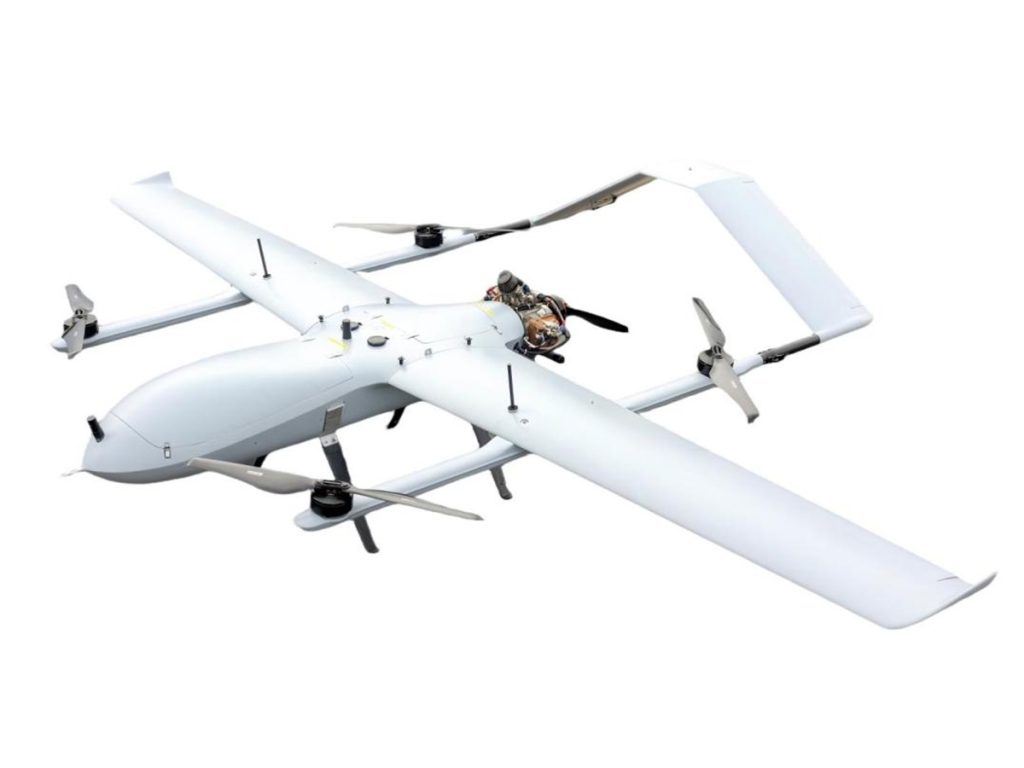
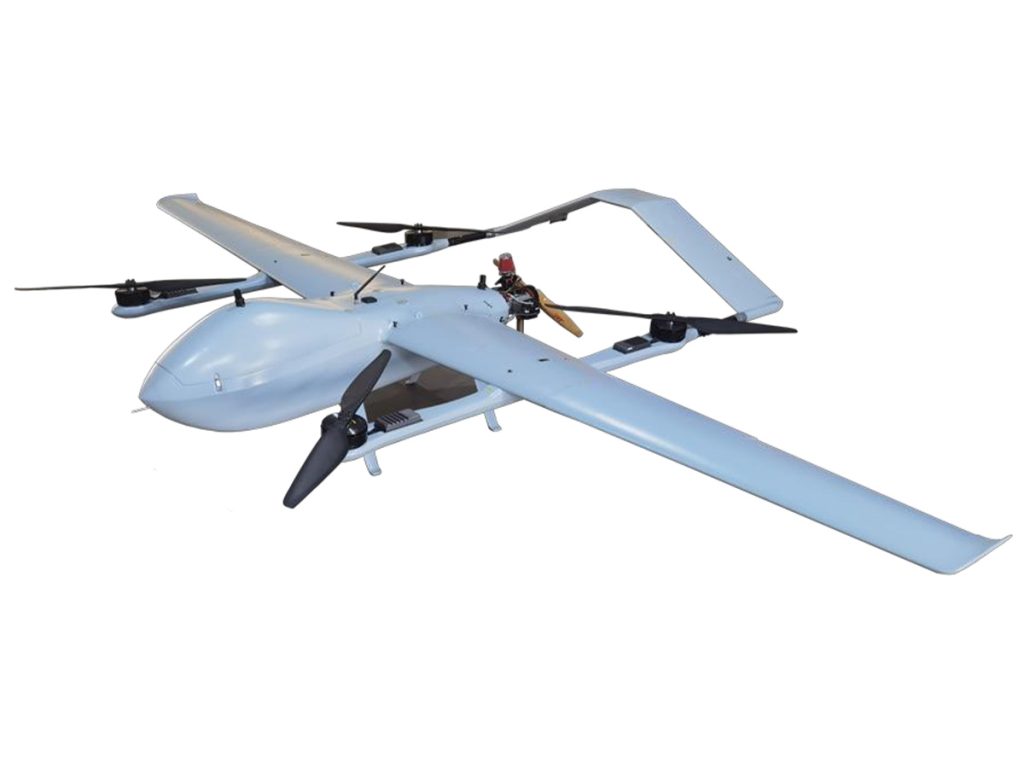
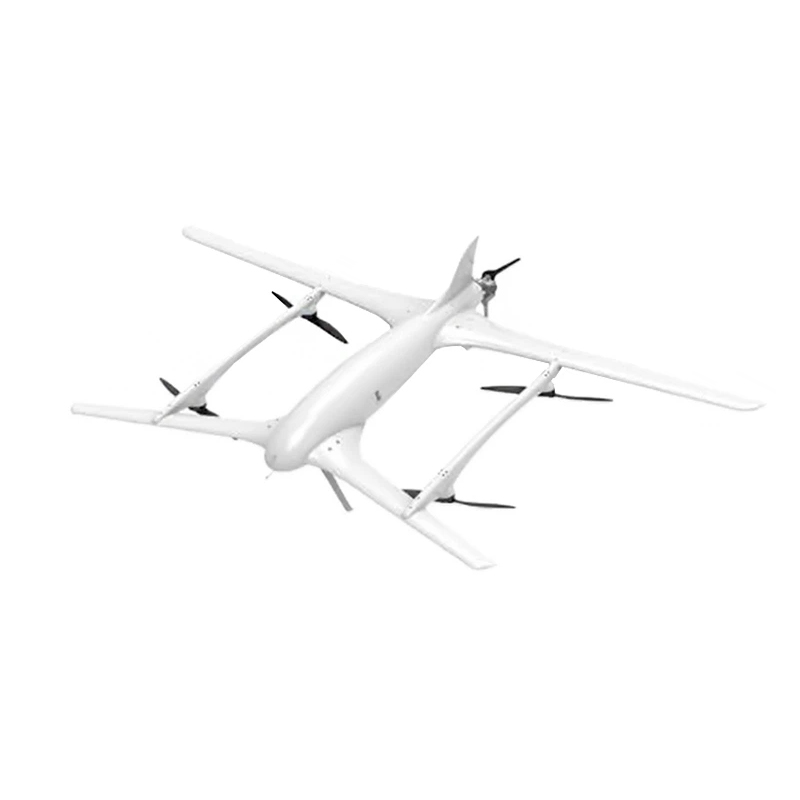
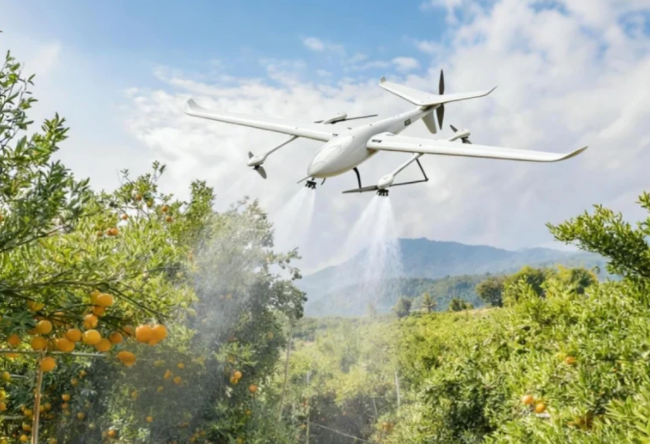
On the other hand, there are drone models that possess the capability of taking off and landing vertically without using a runway, as well as supporting high-speed cruising, which enables it to spray a wide region in a single mission, thus suitable for large orchards.
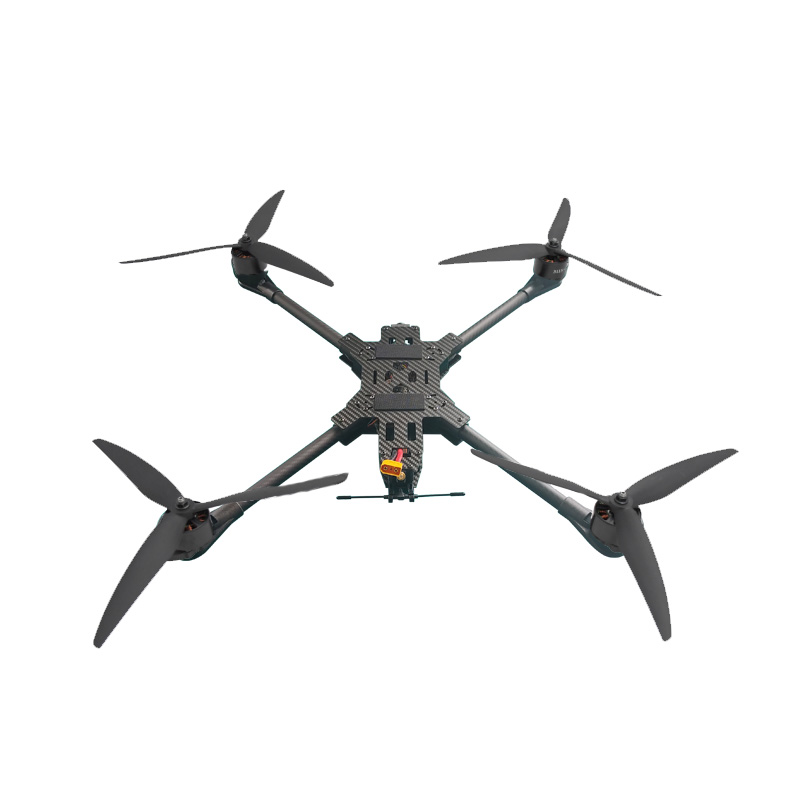
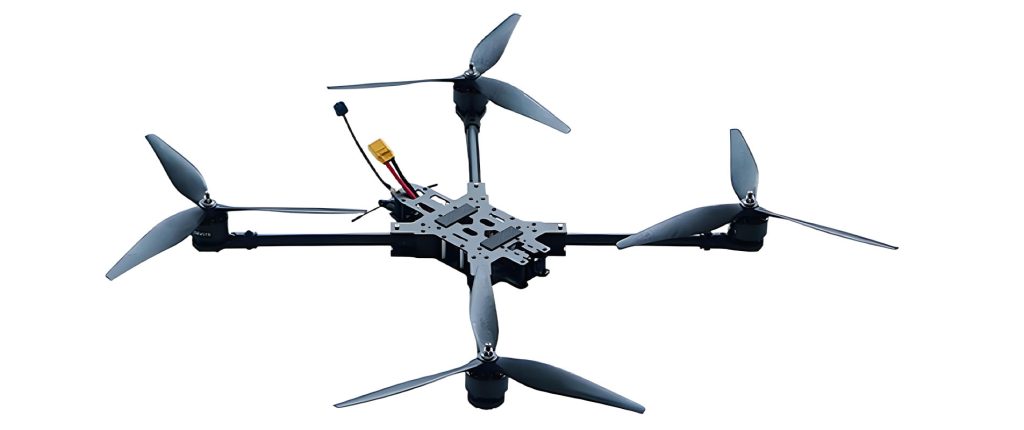
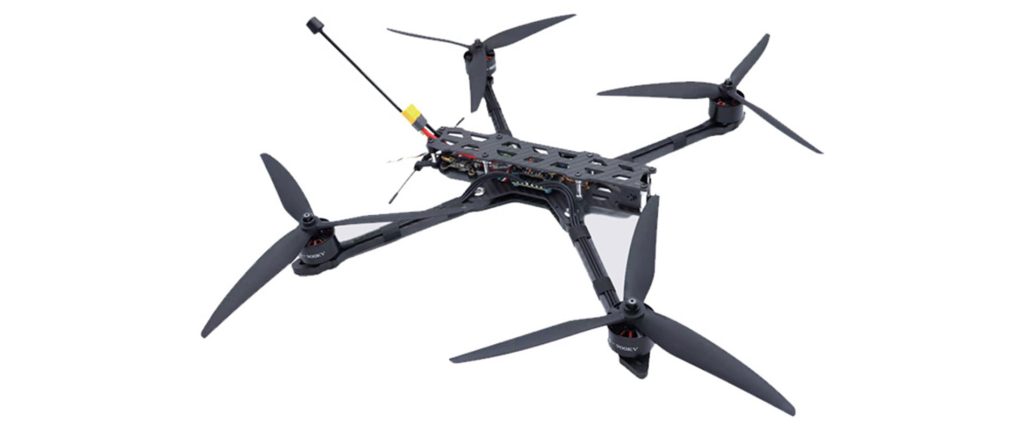
In small orchards, particularly hillside orchards, small multi-rotor drones are immensely useful as they can easily access all corners of the orchard.
2. Flight Stability and Spraying Accuracy
Regardless of the drone model, flight stability and a functional spraying system also influence the lotion distribution quality. GPS-supported drones with automatic flight planning and variable spray flow rate capabilities can prevent sky spots and drift. Higher stability enables effective spraying regardless of air currents and weather conditions, as well as prevents excessive lotion on the crops.
3. Terrain Adaptability
For example, in regions where the terrain is complex and there are dense crops like orchids, tea plantations, and even hill fields, the vertical take-off and landing feature becomes more paramount.
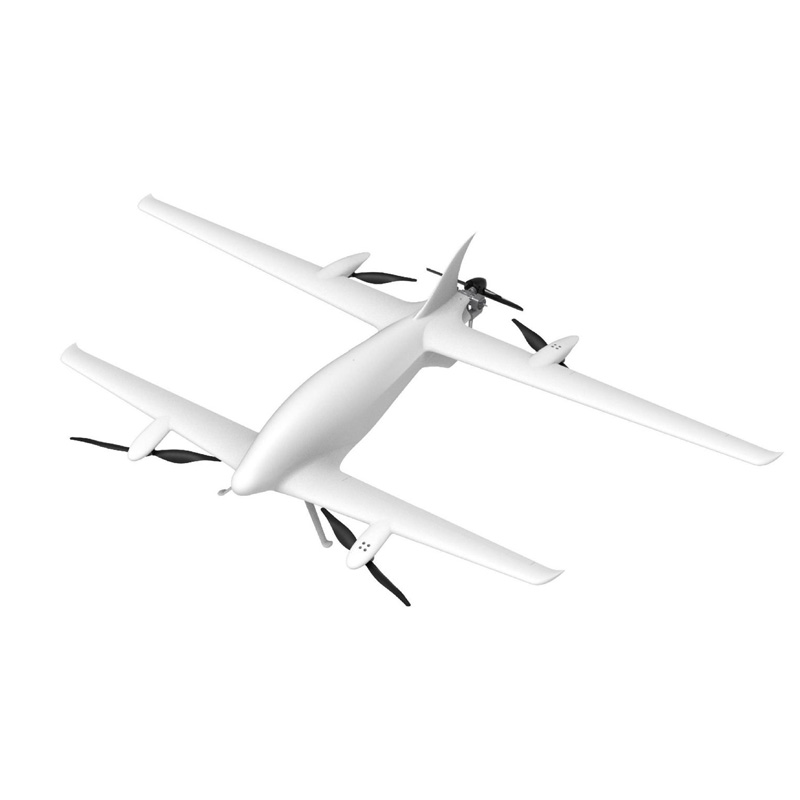
A VTOL fixed-wing drone possesses the best qualities of both fixed and rotary-wing aircraft since it favors the hovering aspect of a rotary wing and the flight capabilities of a fixed wing; hence, the superiority of such drones in such environments. For irregular fields, the drones possess the best take-off and hovering capabilities.
4. Battery Endurance and Continuous Operation
Battery life varies significantly between drone models. For large-area operations, it is important to select drones with long battery endurance or models that support rapid battery swaps to maintain continuous operation.
Longer battery life allows a single flight to cover more area, reducing downtime for charging or battery replacement and improving overall operational efficiency and cost-effectiveness.
5. Data Collection and Intelligent Analysis Capabilities
The drones applied in modern agriculture are used not only for spraying crops but also for gathering data using sensors. The drones that are equipped with crop observation capabilities, map creation capabilities, and AI capabilities are beneficial in providing data related to fertilization and crop observation and can greatly help in making proper decisions by managing operations through data. Therefore, crop production can also become even more efficient and precise.
Common Issues in Drone Crop Spraying
During actual crop spraying by drones, there can be some common problems that can have a direct effect on the efficiency of the spraying process. The problems include:
Drift Due to High-Speed Winds
During the process, when one is operating in strong winds as well as in regions of instability, the chemicals sprayed can go off-target, thus resulting in irregular coverage of the crops. To counter such issues, one should either consider undertaking the operation during the low-wind period or check the weather conditions before undertaking the process.
Improper nozzle selection
Different crops, leaf structures, and spraying objectives require specific droplet sizes and spray patterns. Choosing the wrong nozzle may result in uneven distribution, insufficient coverage, or excessive accumulation, reducing the effectiveness of pest and disease control. Operators should select nozzles based on crop type and chemical characteristics and regularly check for clogs or wear.
Flight Altitude Error
Low altitudes can physically damage plant leaves or fruit, whereas high altitudes can provoke drift and uneven distributions of chemicals. It can be assumed that the most appropriate flying heights for these crops can be estimated based on crop types, crop heights, or wind directions.
Inadequate planning of the mission and flight path
Inadequately planned flight trajectories may cause overlap or areas not covered, making it inefficient. The use of drones that have GPS guidance and automated trajectories to carry out spraying enhances efficiency since human error is negligible, and uniform spraying is achieved.
With standardized operating procedures, carefully planning flight paths, accumulating operational experience, and recording flight data, these issues can generally be avoided.
Is Investing in Crop Spraying Drone Technology a Sound Long-Term Investment Decision?
In terms of industry trends, there are several market research reports showing that as the precision agriculture technology advances, as well as the needs for crop management, crop-spraying drones are entering widespread usage. The drones not only increase their efficiency but also save on waste because of the controlled application of chemicals.
Drone spraying systems for large farmlands, agricultural service firms, or crop growers can prove to be a valuable investment for the future. As the cost of drones is likely to come down in the future, efficiency in drone flying is likely to increase, along with its intelligent analysis capabilities, making the above-referred benefits even more significant. Installing a strategically planned drone spraying system in the future can lead to enhanced yields, risks, and sustainable operations for the farm.
Summary
Just then, you may be able to conceptualize the usage of drones for crop spraying, which includes the topic, suitable crops, process, and benefits of agricultural drones.
Well-planned and executed drone spraying can provide an efficient solution by improving safety, optimizing resources, sustainability, and providing an improved crop protection strategy to the agriculture sector.
If you are interested in a drone that will meet the needs of your farmland or operation, there is advanced drone technology and a solution from VastArrive to ensure you get the precise spraying and competitive advantage needed for your agricultural production.
Related Products