Agricultural Drones Driving Cultural Farming Methods in Modern Agriculture 2026

By 2026, the global agricultural drone market has exceeded $4.4 billion and is maintaining a compound annual growth rate of 30%. Agriculture has undergone a major transformation from “experience-based planting” to “data-driven channel management.” The emergence of agricultural drones is now systematically restructuring agricultural cultivation practices.
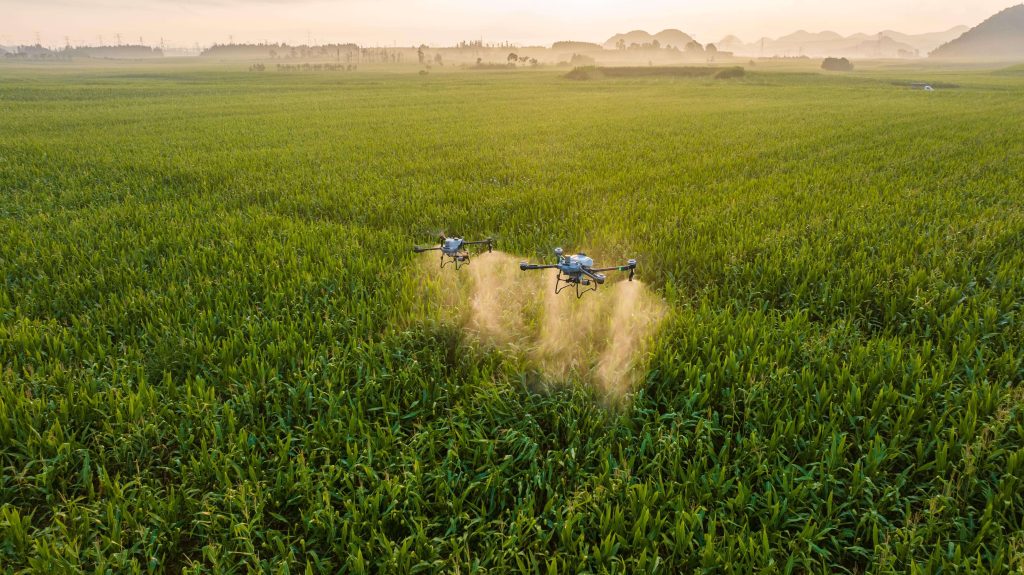
The Evolution of Cultural Farming Methods in Modern Agriculture
Traditional farming techniques include planting, intercropping, water management, and control of pests and diseases. In other words, it is the use of human intervention to control the farmland ecosystem in order to maximize crop yields. This method is highly experience-dependent, inefficient, and not scalable.
However, modern agriculture is different. The emergence of agricultural drones utilizes algorithms to precisely intervene in daily farming operations in both space and time. This is manifested in three core changes:
1. Spatial Dimension
With the help of drones and remote sensing technology, farmland is not considered an entirety but rather divided into multiple units. Through crop health maps, differentiated fertilization and precision spraying can be achieved, which can greatly improve the utilization efficiency of resources.
2. Temporal Dimension
Using multispectral monitoring technology, they can detect and address pest, disease, or crop stress issues at early stages, thereby replacing “Passive Remediation” with “Proactive Prevention” to avoid potential loss.
3. Ecological Dimension
Combining integrated pest management (IPM) and regenerative agriculture concepts, drones reduce chemical inputs through precise pesticide application while avoiding soil compaction problems caused by heavy machinery, driving agriculture towards a more environmentally friendly and sustainable direction.
This also means that “tillage practices” have evolved from a single operational process into a quantifiable, analyzable, and sustainably optimized agricultural system.
Achieving Comprehensive “Digitalization” Using Agricultural Drones
If modern farming practices are the “decision-making system,” then agricultural drones are the “execution terminal.”
They drive the digitalization of agriculture, primarily in three aspects:
1. Data Acquisition
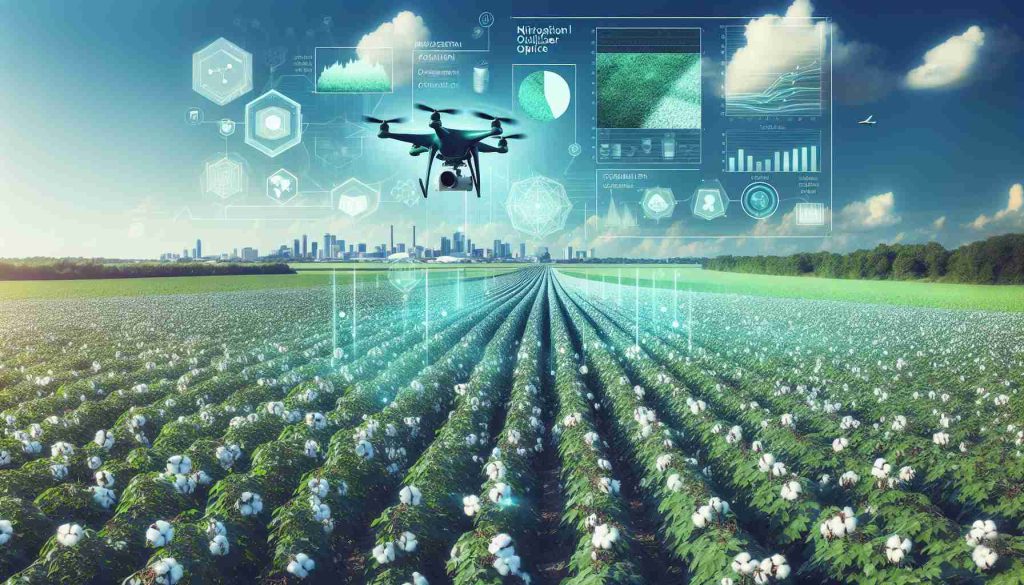
Agricultural drones, with the help of multispectral sensing and remote sensing technologies, can quickly scan the farmlands, quickly collecting the crop growth index, soil moisture content, nutrient distribution, as well as areas with potential pest and disease risks. With the help of agricultural drones, the process of collecting data can be completed within minutes, while the traditional process takes days; the farmlands’ status is thus changed from “experience-based judgment” to “visualized decision-making.”
2. Precision Operations
On the basis of the data collected by drones, more refined “prescription maps” can be created to direct differentiated agricultural operations. Drones can carry out zoned variable fertilization, precise spraying of pesticides, and precise sowing and re-seeding, which can avoid the wasting of resources. It has been observed that this precision operation mode can increase the utilization rate of resources by 15% to 20%, and it can greatly reduce the costs of input in agriculture.
3. Efficiency Restructuring
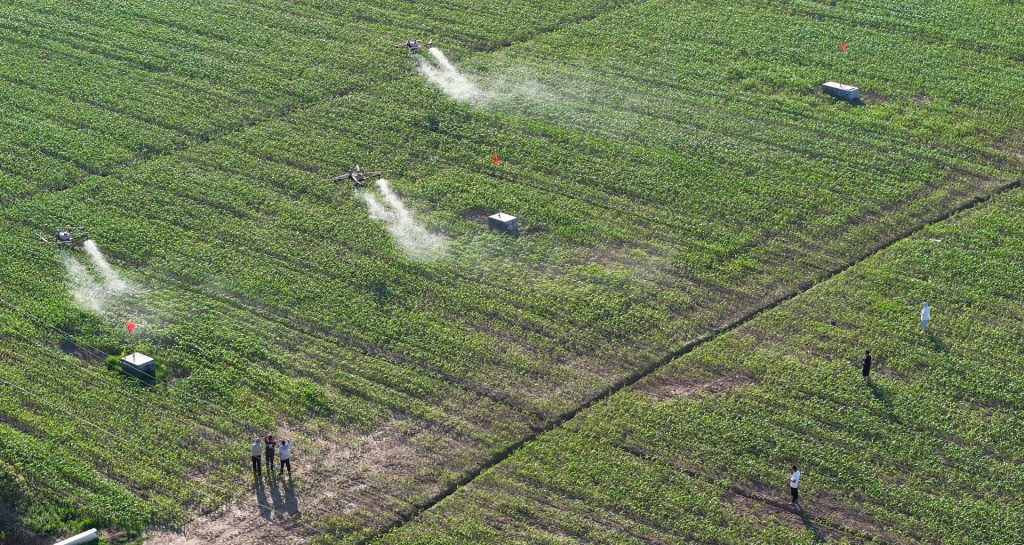
Agricultural drones are reshaping traditional operation modes, significantly reducing reliance on manual labor through automated flight and intelligent control. Overall, drones can improve operational efficiency by more than 60% and reduce labor costs by about 50%, while avoiding 3%–5% crop damage caused by ground machinery. Their efficiency and flexibility are particularly advantageous in complex terrains such as mountains and orchards.
VastArrive B100P Truly Brings Modern Agriculture to Fruition
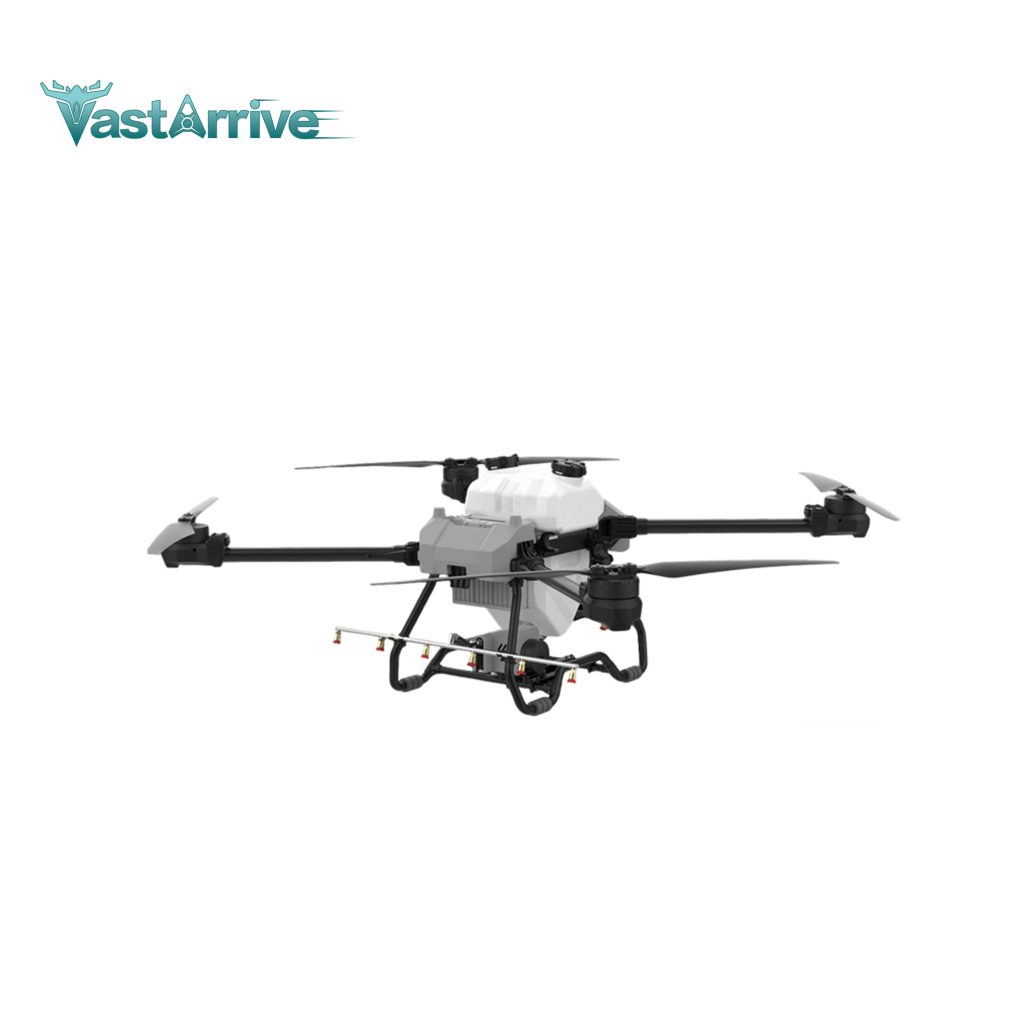
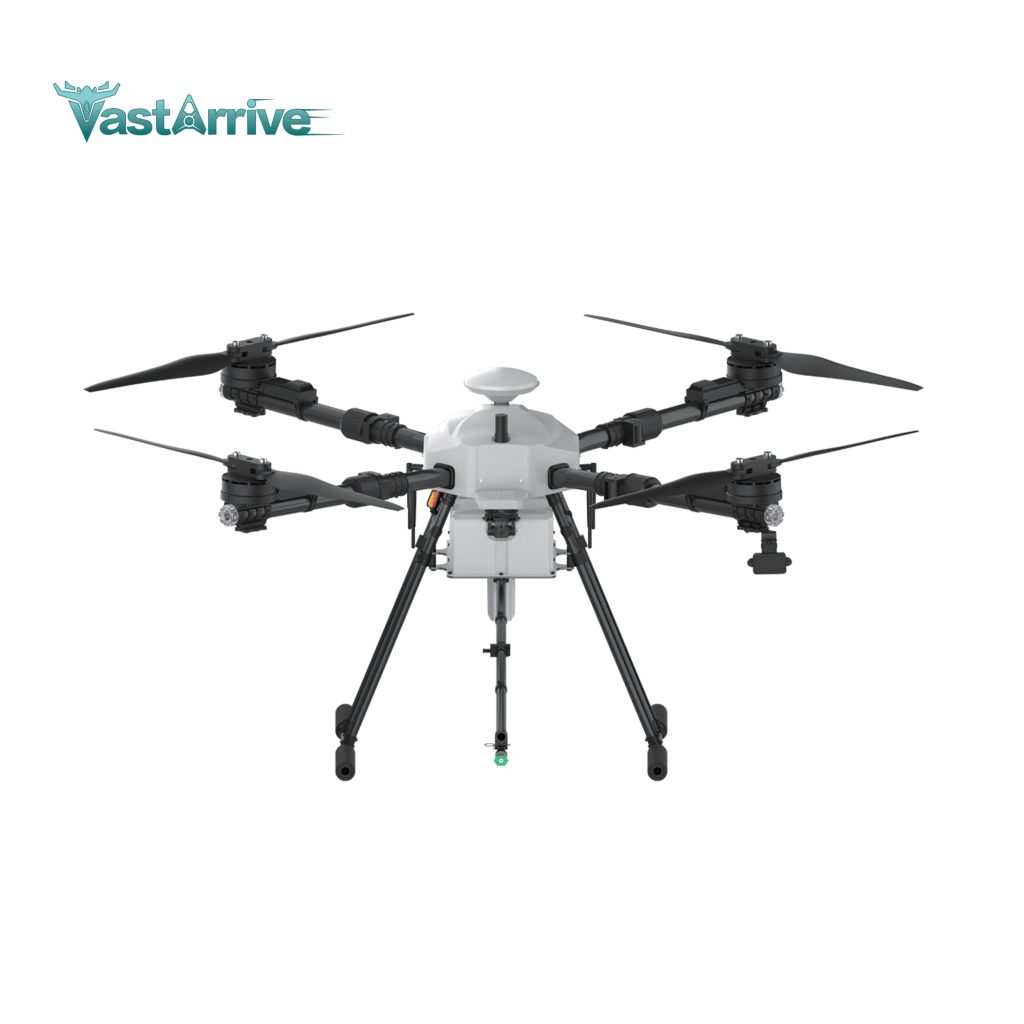
As a professional supplier of agricultural drones, VastArrive is committed to providing high-performance solutions for large-scale farms and aerial spraying service providers worldwide. The VastArrive B100P multi-purpose heavy-duty agricultural drone is a solution specifically designed for large-scale agriculture and aerial spraying service providers.
1. High Payload Capacity
The B100P boasts a rated payload of 50kg (maximum 52kg), significantly increasing the coverage area per operation and reducing takeoff and landing frequency. In practical applications, it is particularly suitable for high-intensity operations such as covering crop broadcasting, granular fertilizer application, and large-area farmland spraying, enabling large-scale agriculture to truly achieve a leap in efficiency.
2. High-Flow Spraying
Equipped with a 30L/min high-flow-rate spraying system and a maximum flight speed of 13.5 m/s, the B100P can achieve uniform coverage of high-density crop areas in a short time, ensuring good penetration of the pesticide solution, thereby improving control efficiency and operational consistency.
3. Strong Adaptability
Faced with uncertain climate and terrain conditions, the B100P features a level 5 wind resistance capability and a stable flight control system, enabling continuous operation in various complex environments. This avoids delays in agricultural production due to weather or terrain factors, ensuring the rhythm of agricultural production.
4. Digital Control
Through an intelligent flight control system and remote control platform, the B100P can achieve automatic flight path planning and precise execution, connecting with “prescription maps” to complete variable-rate operations. This transforms traditional farming practices from “theoretical optimization” to “executable digital processes.”
VastArrive is not only a hardware provider, but also your partner in your digital agricultural transformation. Selecting the B100P means selecting to harness the best of thousands of years of agricultural experience with the latest in aerospace technology to ensure your future is prosperous.
Selecting agricultural drones is not only an equipment upgrade for your agricultural business, but it is also a path to the future.
FAQ
Q1: Is the drone a more worthwhile investment than traditional agricultural machinery?
A: In large-scale farms, drones can typically recoup their costs within 1-2 planting cycles.
Q2: What agricultural scenarios is the B100P suitable for?
A: Suitable for various scenarios including field crops, orchards, hilly terrain, and agricultural input transportation.
Q3: Is a professional pilot required?
A: The modern system is highly automated; basic training is sufficient to operate it.
Q4: How does it help achieve pesticide reduction goals?
A: Through precise spraying and variable control, it significantly reduces pesticide waste and improves environmental compliance.
Related Products