Are Agricultural Drones Becoming a Standard Tool on Modern Farms?

In the past ten years, agricultural drones have moved from being experimental devices to being useful tools for the farming industry of the future.
The only problem, however, is whether drones are actually being used as part of the farming industry of the future. Based on a study cited by MSU Today, the agricultural drone industry is growing worldwide, with over 250,000 drones currently in use in China, while in the United States, the number of drones used for agricultural purposes increased from 1,000 units in early 2024 to 5,500 units by mid-2025.
The Impact and Benefits of Agricultural Drones in Modern Farming
Agricultural drones are changing the landscape of modern agriculture, offering farmers precise, efficient, and intelligent solutions. They not only increase the efficiency of crop management but also minimize labor costs and operational risks. According to The Conversation, the use of drones by farmers has the ability to save labor time while obtaining information on the fields, which is not easy to obtain.
Precision Crop Monitoring
With the use of multispectral and thermal imaging cameras, drones can be used to monitor crop conditions in real-time. Drones can be used to identify early signs of crop stress, pest infections, and nutrient deficiencies. This helps farmers to respond to any problems that may be occurring on the farm. Farmers can use the precise information received from drones to make quicker and better decisions, saving time on manual crop inspections.
Efficient and Targeted Spraying
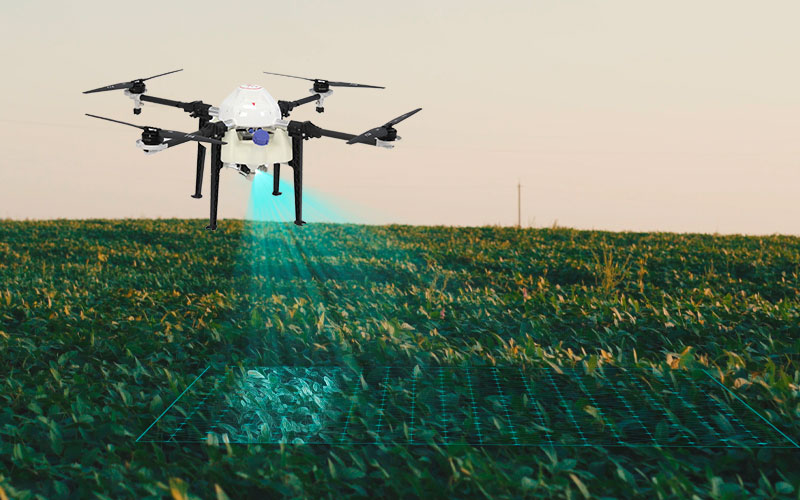
Drones provide precision in spraying activities, allowing for areas to be reached that could not be reached using traditional farming equipment. This not only helps in conserving chemicals and reducing harm to the environment, but it also makes farming activities much safer compared to traditional methods that often rely on manual handling, which is not only time-consuming but also dangerous. With drones, all parts of the crops will be covered, thus improving the efficacy of farm management activities.
Soil and Irrigation Analysis
Agricultural drones can provide high-resolution images of the soil and the fields, which can help farmers manage the soil and irrigation of the fields in a more scientific manner. By analyzing the moisture level of the soil and the differences in the terrain, farmers can optimize the fertilization and irrigation of the fields, which can provide more economic benefits to the farmers.
Applicability Across Crop Types
Drones are very flexible and work exceptionally well with high-value crops such as fruit, vegetables, vineyards, and rice paddies. Drones are also being used for large crops such as corn and soybeans, which will help with more precise farm management. Besides monitoring and spraying, drones are also being used for seeding, fertilizing, and growth analysis, thus giving the farmer an all-rounded intelligent support for his or her farm.
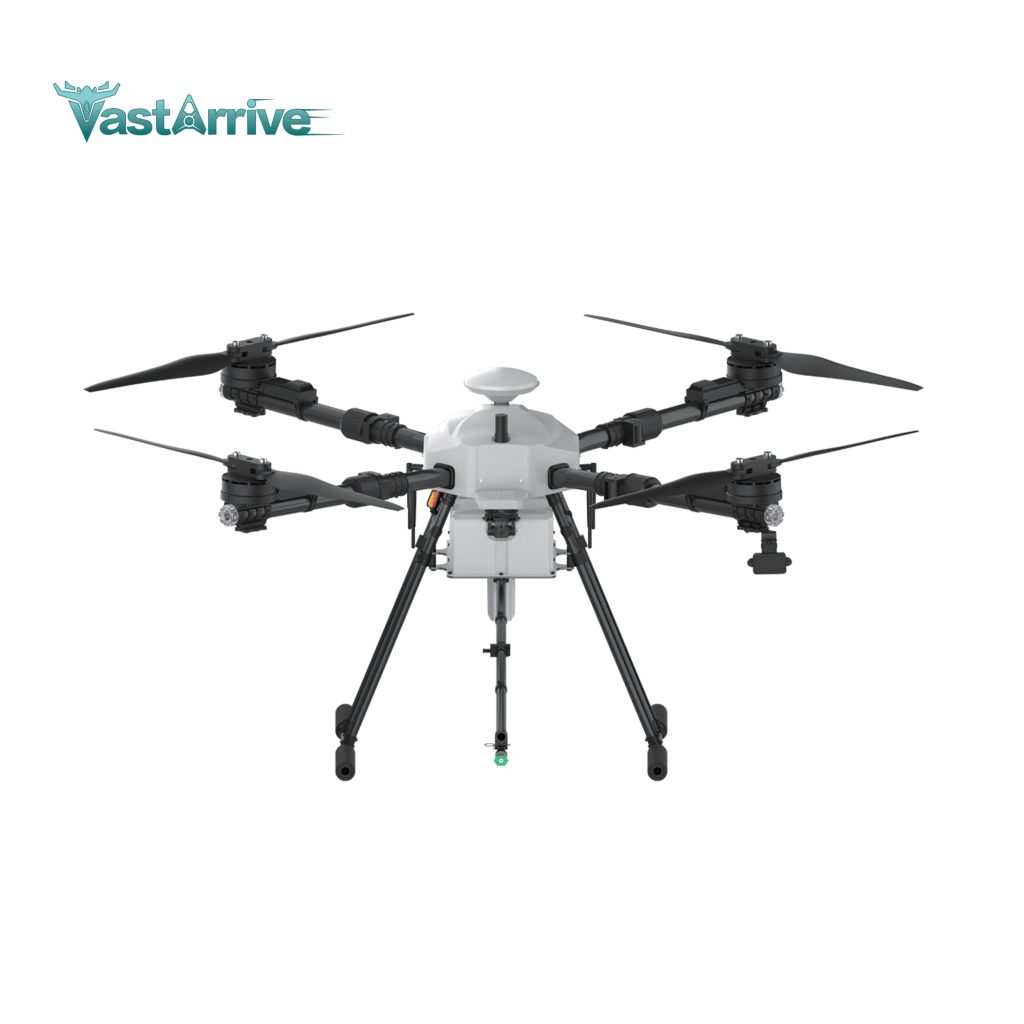
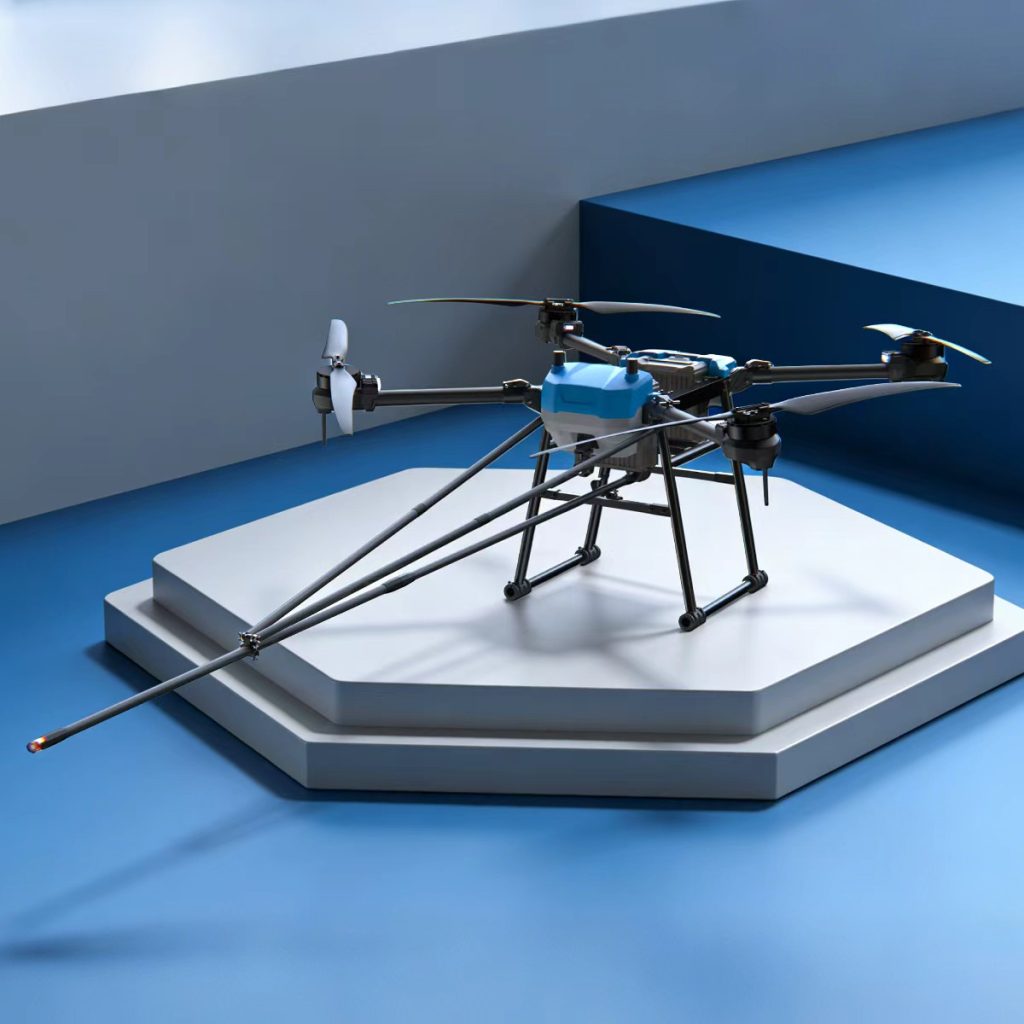
As VastArrive, our multi-purpose heavy drone B100P utilizes high-precision GPS, high-capacity batteries, and intelligent software to assist the farmer in managing his or her crops efficiently, even on complex terrain.
Challenges and Limitations
Although the advantages of agricultural drones are clear, there are some limitations to the use of agricultural drones, which can impact the adoption of the technology by farmers. Therefore, by understanding the limitations of the agricultural drones, farmers can better utilize the technology for better results.
High Initial Cost
The major cost of entry for the drone technology could also be considered a challenge, especially for smaller farms. This is because the sensors, the spraying module, and the software are quite expensive. However, as the technology advances and the scale of production increases, the cost of the technology is becoming cheaper, and this has given the farming sector the opportunity to invest in the technology and enjoy the long-term benefits associated with it.
Limited Flight Time and Coverage
In some instances, large fields might necessitate multiple flights or the use of more than a single drone to accomplish the task. The battery life and flight range of the drone might also pose a challenge, as the drone might only be able to cover a certain area within a single flight session, which might be a problem for large-scale farming operations. However, the emergence of the next generation of batteries and flight planning tools is enhancing the efficiency of drone operations, allowing the drones to cover large farming areas.
Regulatory and Airspace Restrictions
Deployment of drones is guided by airspace regulations and flight permits. Some regulations can restrict flight heights, flight times, and areas where drones can be flown, especially in residential areas. Knowing the regulations and securing flight permits is very important to ensure that drones are flown safely and legally.
Learning Curve for Operation and Data Interpretation
Operating these drones as well as analyzing the obtained information requires certain technical knowledge. However, it is important to note that due to various innovations in terms of software and automation tools, the learning curve is now much smoother, making it easier for many farmers to adopt this technology.
Various innovations such as automated flight planning tools, long battery life, as well as user-friendly software, are making agricultural drones not only feasible but also easy to use as well as highly efficient.
Global Adoption and Impact
Global trends indicate that the prevalence of drones in agriculture is more common in labor-intensive farming areas. Southeast Asia and China were among the first to adopt drones, and currently, Latin America and the United States have also started to embrace them. According to The Conversation, drones not only save farmers from hazardous activities but also provide new job opportunities for skilled labor.
Although the benefits of such efficiencies are obvious, it must also be noted that the evidence for the benefits of increased yield has yet to be established. Research is being conducted on the overall impact of drones on the economy and agriculture, particularly on the different types of farms.
Will Drones Really Become Standard Equipment?
Agricultural drones have not become common in every farm field yet, but their adoption is gaining momentum. With the advent of new technologies and reduced costs, drones are eventually becoming a common piece of equipment in every farm, just like tractors and irrigation systems.
Farmers who adopt drones will be at a competitive advantage in terms of better efficiency in managing their crops and reduced wastage. Using advanced agricultural drones by VastArrive will make this technology more accessible and efficient for every kind of farm to thrive in the new agricultural environment.
Related Products