Agricultural UAV in Action: Real-World Efficiency and Precision Comparisons

In the conventional farming process, the operations of planting, feeding, and applying pesticides are not only laborious but also highly reliant on human workers. For example, if a manual operation were to be carried out on a farm of several hectares, it might take the work of several individuals for the whole day or even longer to finish the job. Moreover, the quality and speed of the workers can be influenced by a number of things such as the weather, soil, and human effort. But the invention of agriculture UAV coupled with the technological advancements is really changing the picture and making the so-called “smart agriculture” a fact.
Core Advantages of Agricultural UAV
Improved Operational Efficiency
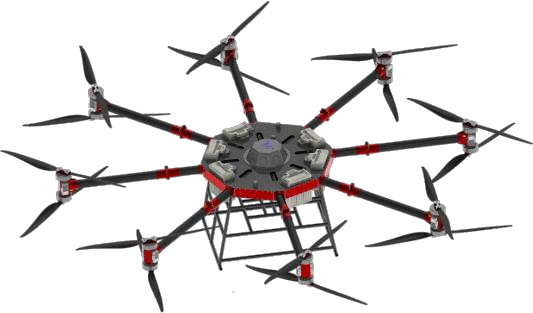
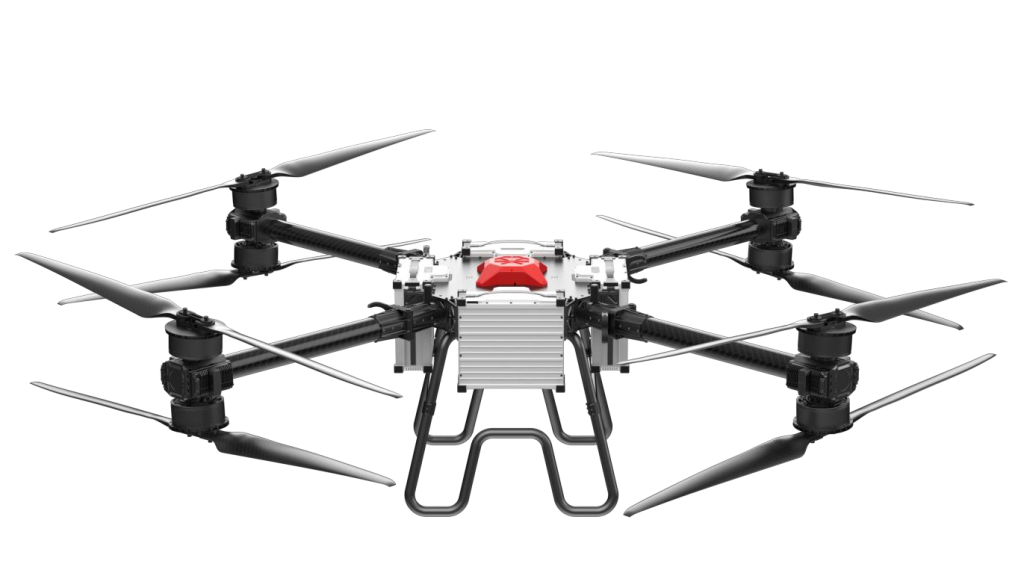
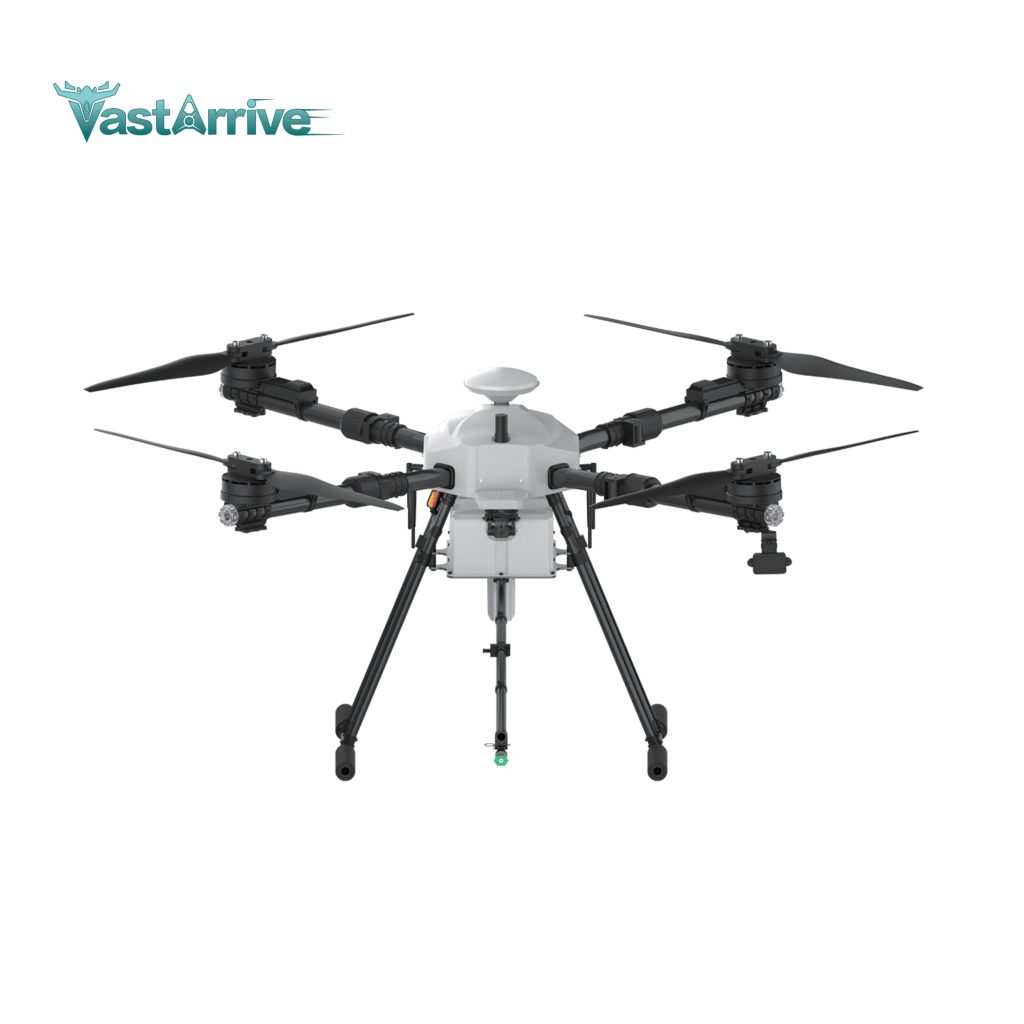
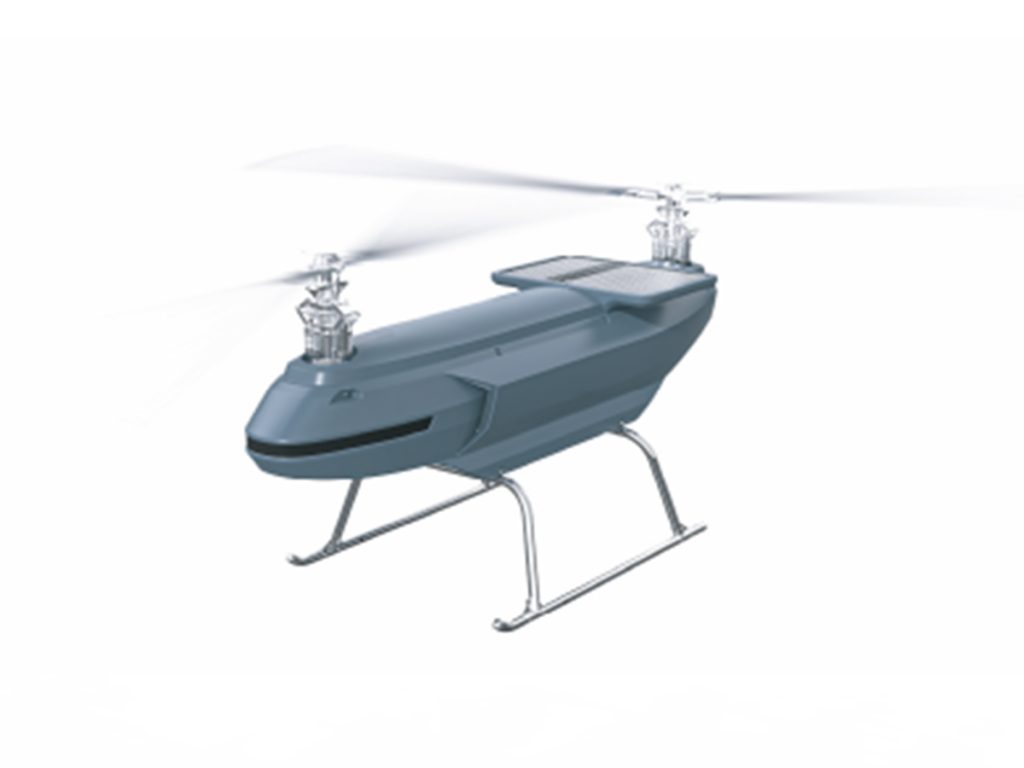
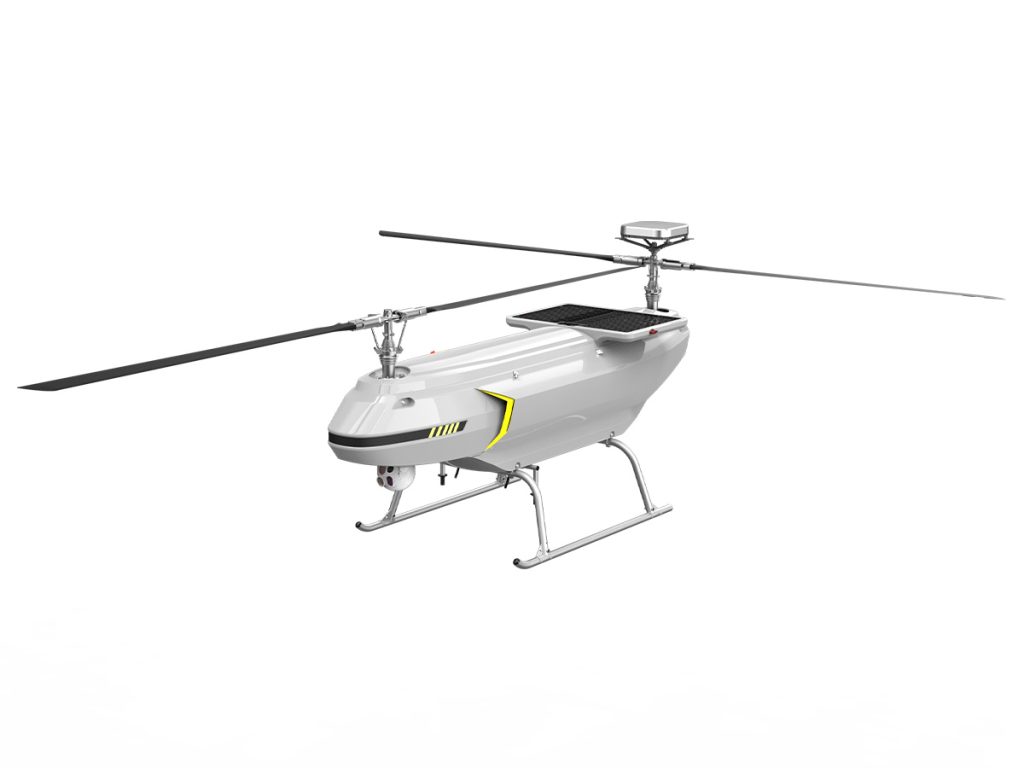
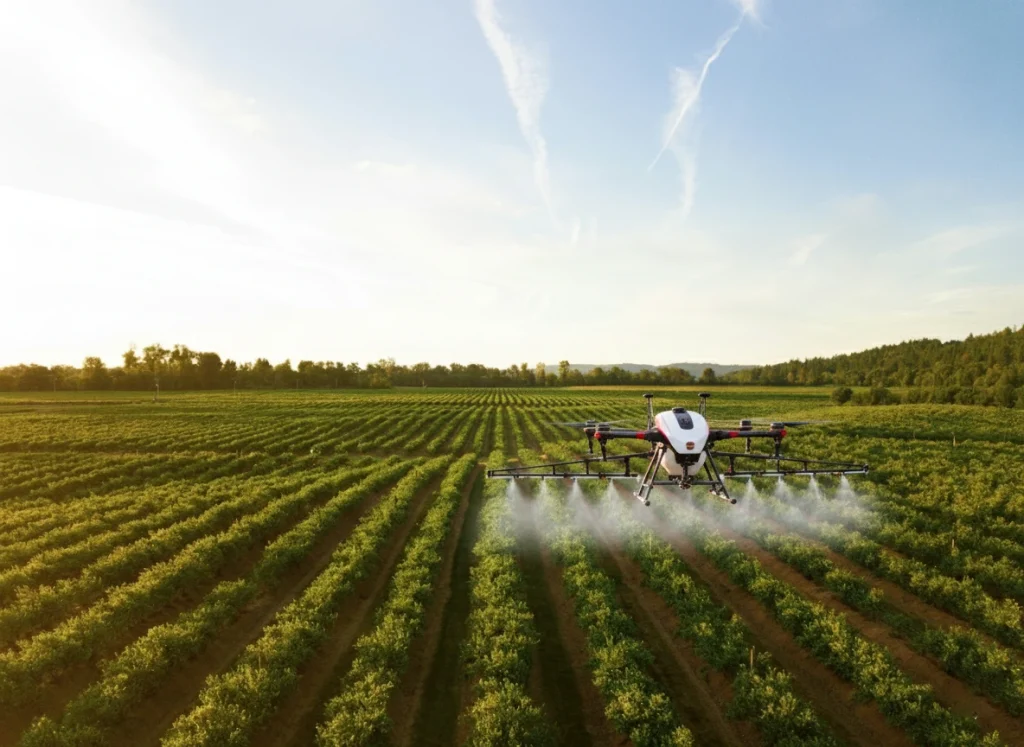
Agricultural UAVs have the capability to cover wide-ranging areas of farmland with great speed and also to work without interruption, unlike human labor. The efficiency of UAVs in comparison to traditional manual operations has been rated several times higher, sometimes even up to ten times. To illustrate, the VastArrive VA-H90Z model boasts a maximum payload capacity of 20 kg, a flying time of around 6 hours, and a speed of 120 km/h, thus allowing it to seed or spray several tens to hundreds of acres during one flight. Moreover, UAVs can also perform quickly in post-rain or high-humidity situations that are difficult for manual workers.
Reduced Labor Costs
The use of agricultural UAVs has a tremendous impact on human labor dependence. Generally, only 1-2 operators are needed for the drone to carry out huge-scale planting, fertilization, or spraying tasks, while manual working requires a lot of labor and time. Moreover, UAVs help to cut down the number of farmers who come in contact with pesticides and who work in high-temperature conditions, hence, safer and more comfortable conditions for the farmers.
Precision Agriculture and Resource Optimization
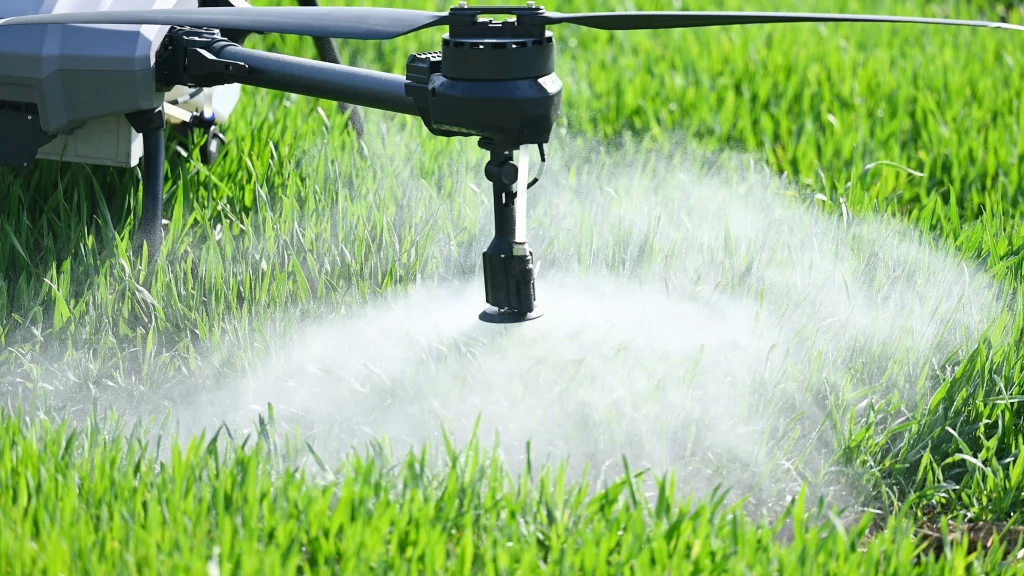
Agricultural drones utilize GPS, sensor technology, and automated flight planning to perform accurate seeding, fertilization, and spraying. UAVs can guarantee uniform coverage throughout the entire crop area by varying flight height, velocity, and spray rate, thus reducing the amount of resources wasted. Moreover, UAVs can continuously record crop condition parameters like leaf color and soil moisture and then alter their operations based on it, thus increasing both the production and health of the crops.
Data-Driven Management
Contemporary agricultural drones have the possibility to be fitted with high-definition cameras, multispectral sensing equipment, or devices that detect thermal radiation to facilitate the thorough observation of agricultural land. They produce health reports in visual form by gathering information about the growth of crops, risks of pests and diseases, and moisture content in the soil. The farmers and managers of the farms can use these informative visuals to take well-thought-out decisions, for instance, the best time to water, enrich the soil or apply pesticides. Gradually, managing the farm based on data not only increases the efficiency of operations but also reduces the costs of inputs and at the same time, the quantity of crops is increased.
Agricultural UAVs vs. Manual Farming: Real Efficiency Gains
| Task Type | Manual Efficiency | Agricultural UAV Efficiency (VA H90Z) | Advantage |
| Seeding | ~1–2 acres/hour | ~6–10 acres/hour | UAV is 3–5 times more efficient, covering large areas quickly with drone cover crop seeding |
| Pesticide Spraying | ~1 acre/3 hours | ~1 acre/10 minutes | UAV is 18+ times more efficient, providing uniform and precise agricultural drone spraying |
| Crop Health Monitoring | 1–2 acres/day | 20–50 acres/hour (with multispectral camera) | Greatly expands monitoring range and precision |
| Field Inspection (Patrol) | 2–3 hectares/day | 30–50 hectares/hour | UAV can rapidly cover large areas, saving significant labor |
The table provided above illustrates that agricultural UAVs are superior to manual labor in three major farming tasks – drone cover crop seeding, agricultural drone spraying, crop health monitoring, and field inspections, respectively. Besides lowering the labor costs remarkably, the UAVs also make it possible to carry out the operations with great accuracy and collect excellent quality data. This, in turn, will boost the productivity of agriculture as a whole, economy of resources, and smart farm management.
Economic and Environmental Benefits
Agricultural UAVs have a positive impact on the economy and the environment. The use of UAVs instead of manual labor, on the other hand, not only reduces the number of people needed to work on the farm but also brings in savings in terms of inputs, labor, water, and agrochemicals. Drone spraying has been shown in field studies to be able to cut down water usage by up to 90% and pesticide application by almost 50% when compared to conventional methods, all the while increasing the crop yields as well.
From an environmental standpoint, UAVs are major contributors to the reduction of carbon dioxide emissions and the writers/stores of chemicals, and, thus, more environmentally friendly farming is getting practice. For instance, drones replacing tractor-based spraying will cause a cut of about 5 kg per hectare in terms of CO2 emissions. The whole point of these efficiency gains is that they enable farmers to work over larger areas in shorter time, make the best use of the applied resources, and grow healthier crops – thus, a clear win-win situation of economic gains and ecological responsibility is created.
The End
The use of agricultural UAVs is no longer limited to boosting production efficiency only but also extends to minimizing the use of resources and labor. By carrying out precision seeding, fertilization, and spraying, the drones are making agriculture of the future more efficient, eco-friendly, and smart. The increased use of this highly efficient tool will undoubtedly make it a productivity partner in modern farming that cannot be done without.
Related Products