How Far Can A Drone Fly? Drone Range Explained

When you explore or consider buying a drone, one of the most common questions that comes to mind is: How far can a drone fly?
At first glance, this seems like a simple question. In reality, however, the answer depends on many factors, including battery performance, transmission technology, legal regulations, and the surrounding flight environment. There is often a significant difference between the theoretical maximum range and the safe, practical flying distance in real-world conditions.
As a professional drone manufacturer, we will analyze the maximum flight range of drones from multiple perspectives, helping you clearly understand how far a drone can actually fly.
Factors Affecting the Distance of Drone Flight
The distance of flight of a drone is never determined by a sole factor. Rather, it is the combined result of several factors. These factors include the battery, the battery’s power source, signal transmission methods, government regulations, and the external environment.
In the following text, we will discuss the basic factors affecting the distance of flight of drones from the perspectives of the drones’ own technology, their usage, and the external environment.
Factor 1. Battery Endurance: The Fundamental Limit of Flight Distance
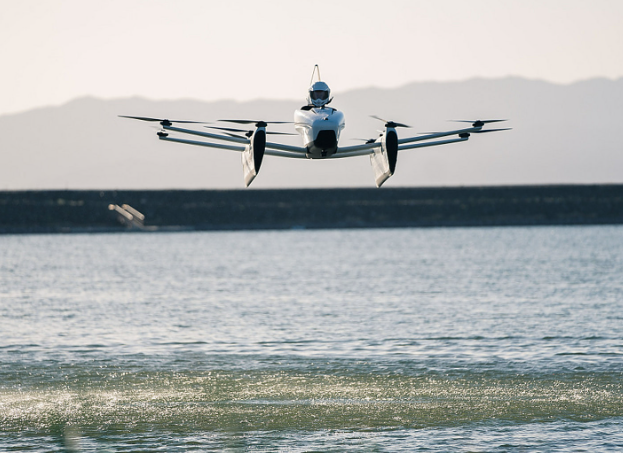
The capacity of the battery is the most fundamental factor affecting the distance of flight of a drone.
The majority of drones used by common consumers are equipped with lithium polymer (Li-Po) batteries or high-energy-density intelligent batteries. They usually enable drones to fly within a distance of 20 to 45 minutes.
The theoretical calculation formula is:
Maximum round-trip distance ≈ Flight speed × Available flight time ÷ 2
For example: The flight speed is 12 m/s, endurance time is 30 minutes (1,800 seconds)
The theoretical maximum one-way distance would be approximately 10.8 kilometers.
However, in real-world operations, you must reserve battery power for return-to-home power (usually at least 25%–30%), wind resistance margin, and emergency safety reserve
Therefore, the actual safe flight distance is typically only 60%–70% of the theoretical value.
In addition, the following factors also affect battery performance:
- Low temperatures reduce discharge efficiency
- Battery capacity degrades after repeated charge cycles
- High-throttle maneuvers (such as rapid acceleration) increase current consumption
For these reasons, the “advertised flight time” of a battery does not equal the “safe flight distance” in practice.
Factor 2. Power System and Aerodynamic Design
The efficiency of flight also depends not only on the battery capacity used but also on the efficiency of conversion of electrical power into flight.
The factors influencing flight efficiency include motor efficiency, propeller type and size, drone weight, airframe structure, etc.
Drones with multiple rotors have to constantly create thrust force for hovering. This causes the drone batteries to drain faster. On the other hand, fixed-wing drones can use the lift force of the wind to glide. This makes fixed-wing drones have flight ranges several times longer than those of multirotor drones.
For instance, consumer drones from firms like DJI usually employ brushless motors that are more efficient in terms of energy consumption during cruising. Nevertheless, despite such efficiencies, multi-rotor designs inherently have disadvantages concerning energy consumption during long-distance flight.
In simpler terms, an aircraft that is lighter with lower air resistance and properly matched power systems is capable of flying longer distances with higher endurance and lower energy consumption per unit distance.
Factor 3. Signal Transmission System: Determines “How Far You Can Control”
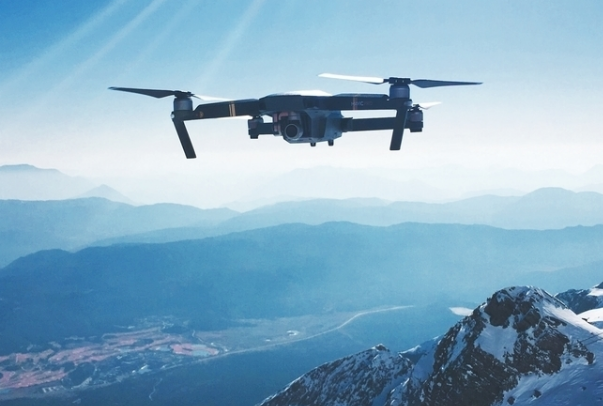
A drone’s flight distance is not only about “how far it can fly,” but also about “how far it can be controlled.” The signal transmission system is responsible for sending remote control commands, transmitting video feed, and providing telemetry data.
Ordinary WiFi-based transmission systems are prone to interference, have weak penetration, and typically maintain a stable range of only 1–2 kilometers. In contrast, high-end digital transmission systems, such as OcuSync, offer stronger anti-interference capabilities, longer transmission distances, and more stable signal quality.
However, it’s important to note that the officially advertised “20 km transmission range” is usually measured under ideal conditions: open areas with no obstacles, no electromagnetic interference, properly oriented antennas, and favorable weather. In urban environments, the actual stable transmission range may be only 30%–50% of the stated value.
Factor 4. Regulatory Restrictions: The Real-World Boundaries
Just because technology allows a drone to fly far doesn’t mean the law permits it.
In the United States, drone flights are regulated by the Federal Aviation Administration (FAA). One of the core rules is that operators must maintain Visual Line of Sight (VLOS). This means the drone must remain within the operator’s unaided sight and cannot rely solely on video feed for navigation.
Typically, the actual visual range is between 400 and 800 meters, depending on the size of the drone. To fly Beyond Visual Line of Sight (BVLOS), a special permit is required.
For most everyday users, regulatory limits often come into play well before reaching the technological maximum.
Factor 5. Payload Weight: The “Hidden Killer” of Flight Distance
Any additional payload increases energy consumption. Examples include:
- Mounted cameras
- Thermal imaging devices
- Spraying systems
- Sensor modules
The effects of added weight include higher motor load, increased current draw, and reduced flight time. In industrial drones, a 20% increase in payload can reduce flight distance by 25%–35%. This is also why agricultural drones used for crop spraying typically have shorter flight ranges.
Factor 6. Flight Speed and Flight Mode
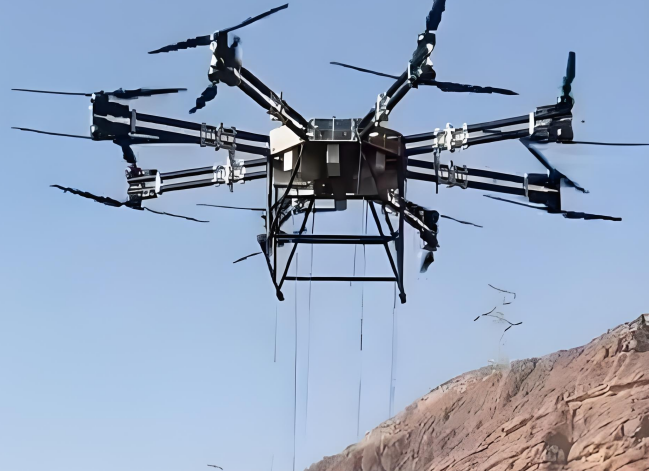
Flight speed directly affects air resistance, which increases roughly with the square of velocity. This means that a 50% increase in speed can lead to more than a 100% increase in aerodynamic drag.
Drones generally have an optimal cruising speed at which energy consumption per unit distance is minimized. Flying at maximum speed for extended periods rapidly depletes the battery, reducing the actual flight range.
Additionally, frequent acceleration and deceleration, sharp turns, and prolonged hovering all increase energy consumption. Maintaining smooth, steady cruising is therefore key to achieving the maximum flight distance.
Factor 7. Environmental Factors: Real-World Variables You Can’t Ignore
Even with sufficient drone performance, environmental conditions can significantly affect flight distance.
Wind Speed
Flying against the wind requires greater thrust, which increases current draw and reduces flight time. In strong wind conditions, flight distance can drop by over 30%.
Terrain Obstacles
Mountains, buildings, and trees can obstruct signal transmission, potentially causing the drone to lose connection and trigger an early return-to-home.
Electromagnetic Interference
High-voltage power lines, communication towers, and areas with dense WiFi networks can interfere with video transmission and control signals.
Temperature
Low temperatures reduce battery discharge efficiency and shorten flight time. In cold regions, flight distance may decrease by 15%–25%.
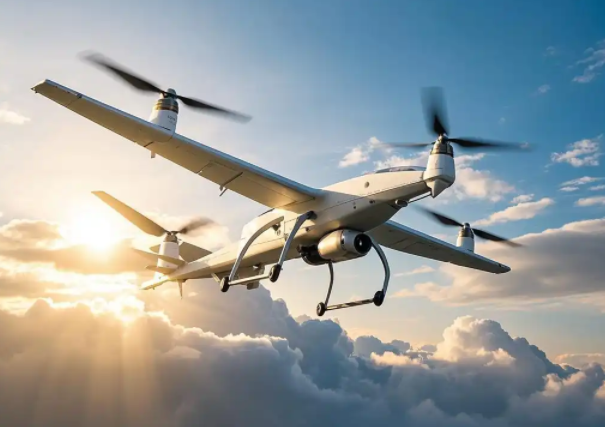
Typical Flight Distances of Different Types of Drones
The flight distances of different types of drones vary significantly, mainly depending on battery capacity, power system, aerodynamic design, mission type, and flight control. Understanding these differences helps in selecting the right drone for your needs.
1. Consumer Drones
Representative models include the DJI Mini series and DJI Air series.
- Official transmission range: 6–20 km
- Actual safe flight distance: 2–8 km
- Typical endurance: 20–40 minutes
The drones meant for consumers are portable and easy to use. They are usually good for aerial photography, casual flying, and surveying. The specifications are usually tested in ideal conditions. In the real world, the distance traveled will be influenced by wind, payload, and usage. In fact, the effective distance will be half or even less of the advertised distance.
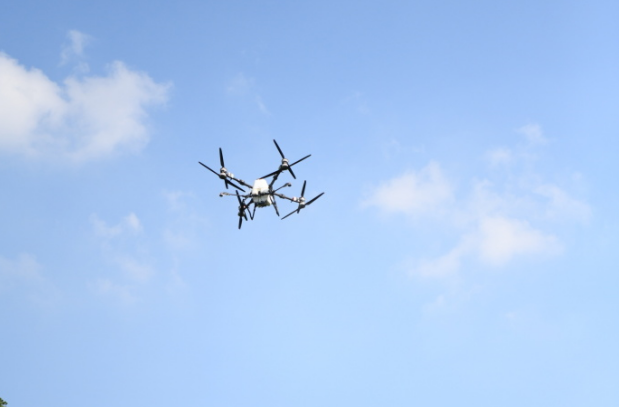
2. Professional Drones
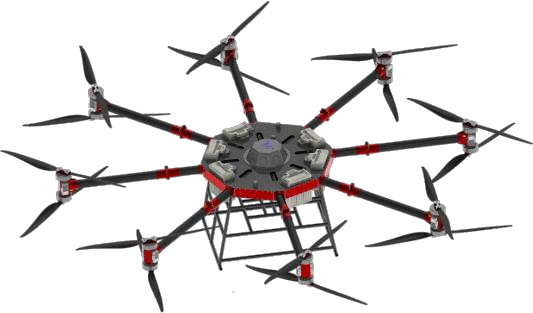
Professional drones, such as those used for industrial inspections, surveying, or agricultural applications, are typically equipped with high-capacity batteries, powerful motors, and enhanced transmission systems to ensure stable performance during long-duration and high-load missions.
- Transmission range: 15–30 km
- Actual operational distance: 5–15 km
- Endurance: 30–55 minutes
The focus of professional drones is task efficiency and reliability. They can operate stably in complex environments, such as construction site inspections, power line monitoring, or agricultural spraying. Their long endurance and high payload capacity significantly outperform consumer drones.
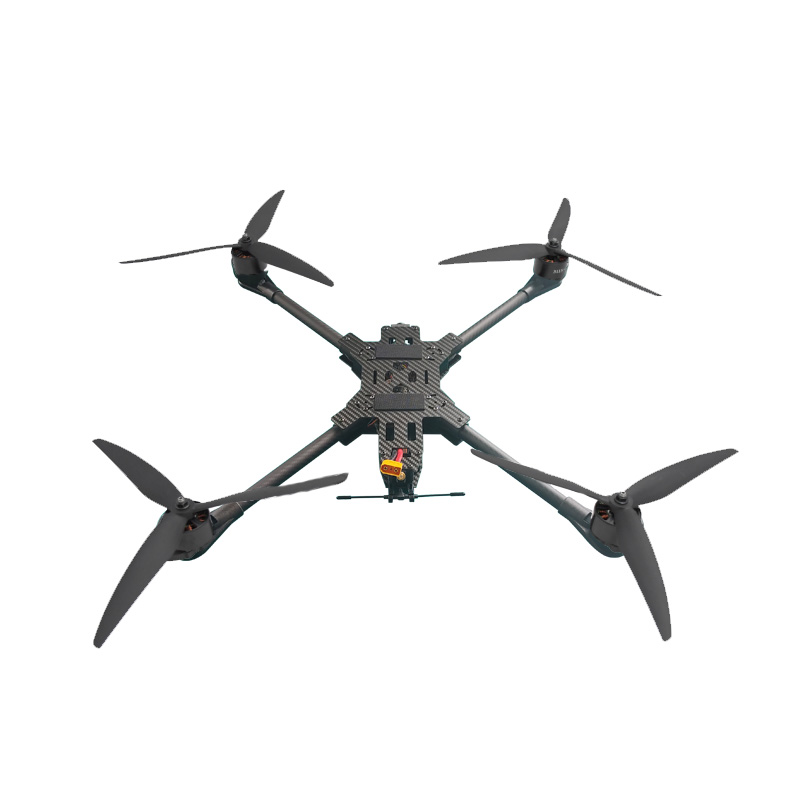
3. FPV Racing Drones
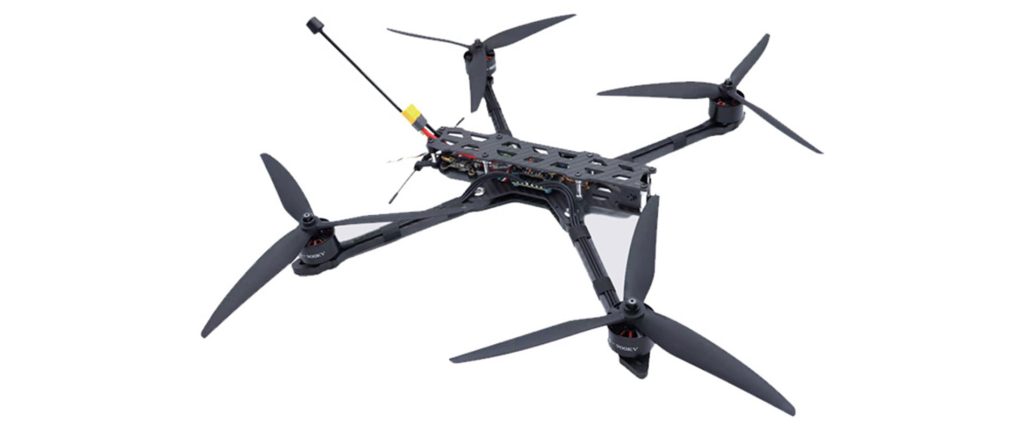
FPV drones are designed for speed and high maneuverability, emphasizing control responsiveness rather than long-distance endurance.
- Flight distance: 1–5 km
- Endurance: 5–15 minutes
High-speed flying and constant acceleration/deceleration cause faster battery drainage, leading to relatively shorter flight distances. FPV drones are designed to give the pilot the thrill of flying rather than the ability to traverse large distances.
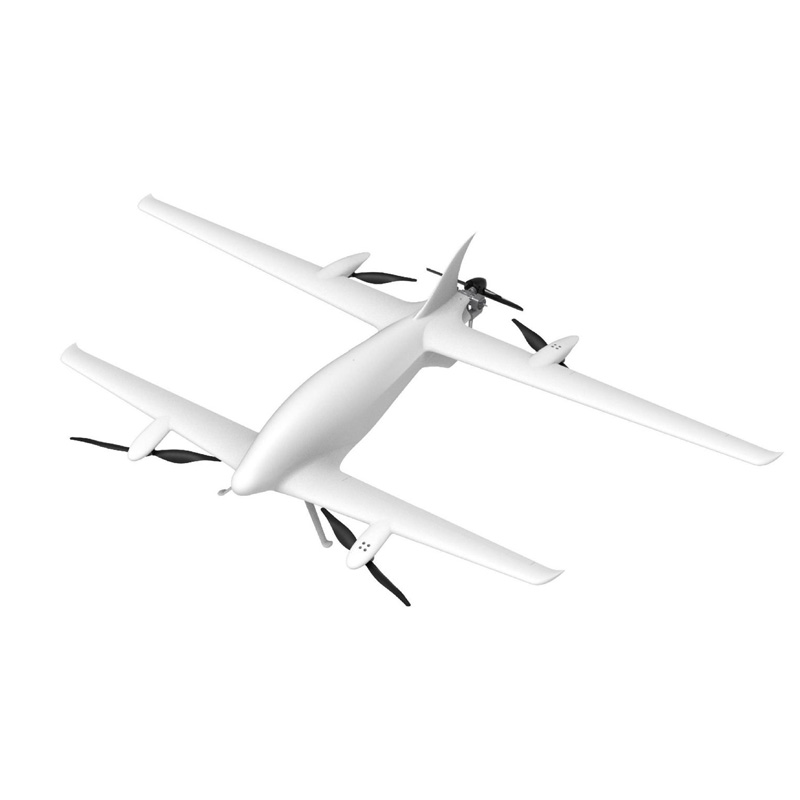
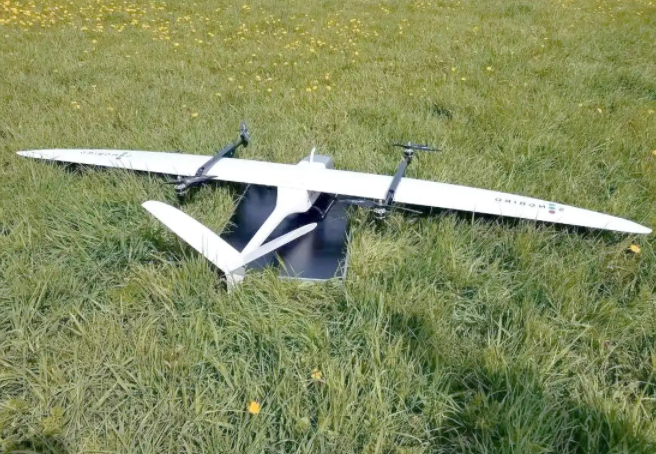
4. Industrial and Fixed-Wing Drones
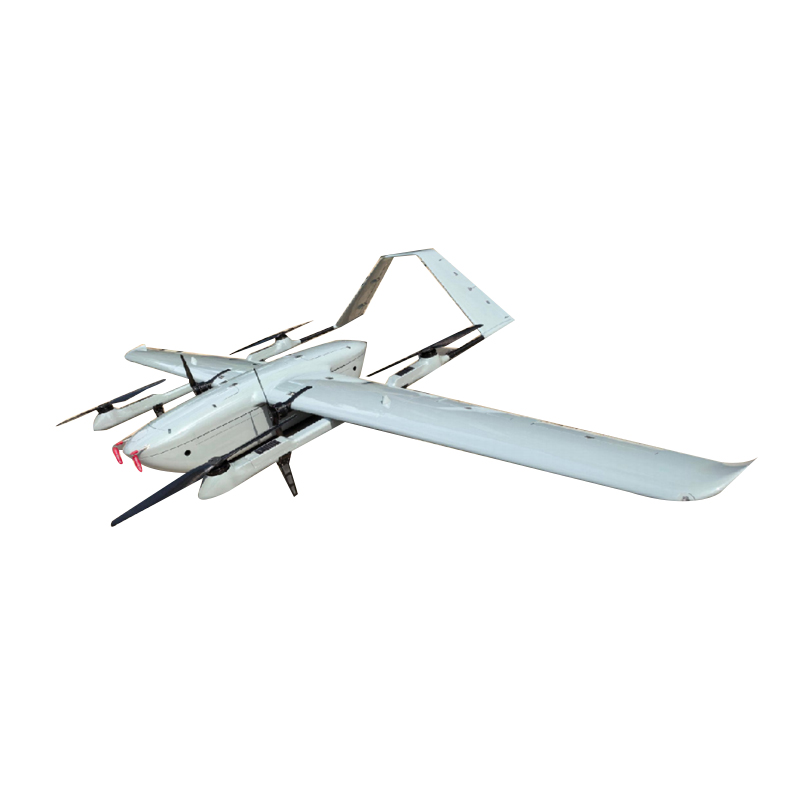
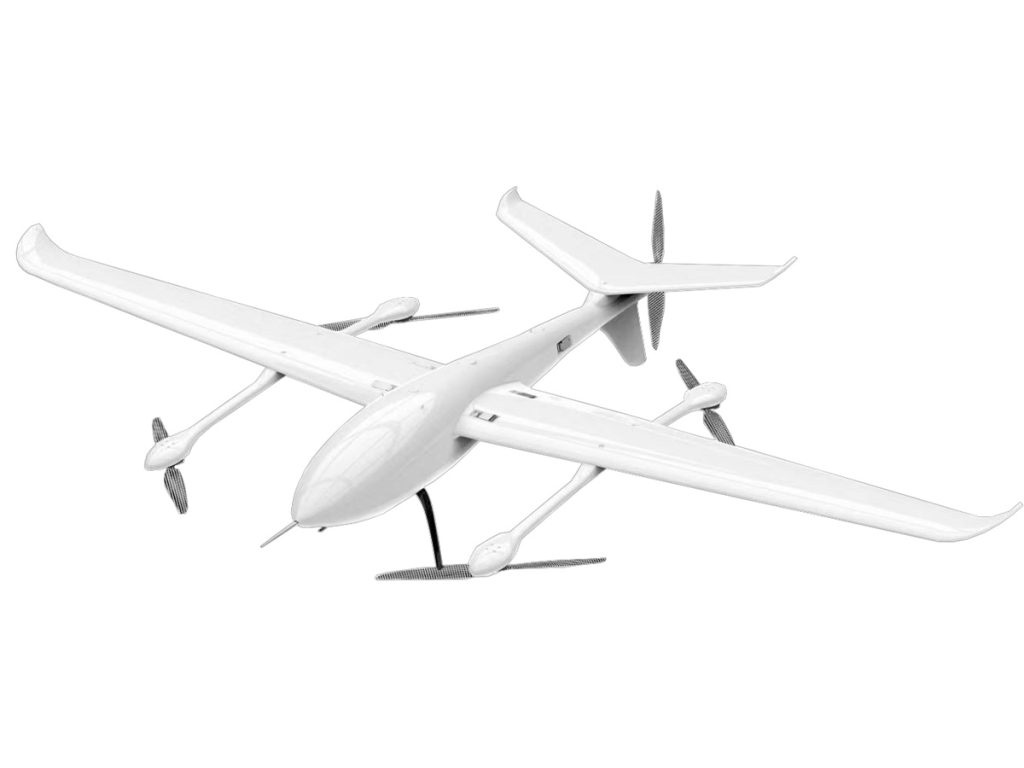
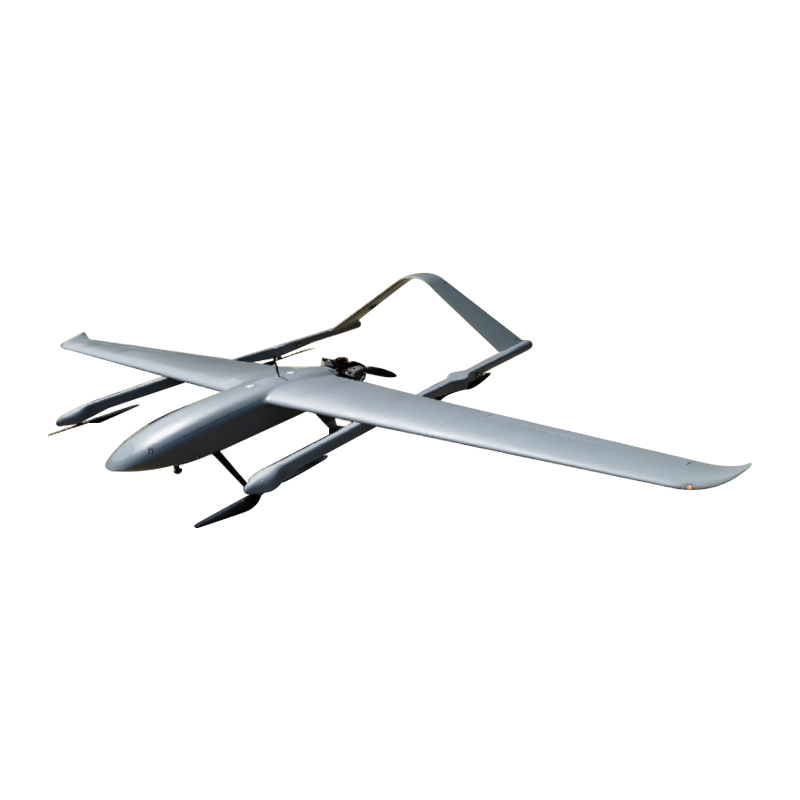
Examples include hybrid VTOL fixed-wing drones or long-endurance fixed-wing UAVs, widely used for large-area surveying, power line inspection, agricultural spraying, and border patrol.
- Flight distance: 50–200 km or more
- Endurance: 1–6 hours
These drones have very efficient aerodynamic structures and large batteries, enabling low power consumption per unit distance and stable long-distance flight. Fixed-wing drones can fly by gliding with the help of aerodynamic lift, thus increasing the flight time, and are therefore suited for long-duration and high-efficiency industrial applications. Their flight distance and performance are much longer and better compared to multi-rotor drones.
| Drone Type | Representative Models | Transmission Range | Actual Flight Distance | Endurance | Key Features / Notes |
| Consumer Drones | DJI Mini series, DJI Air series | 6–20 km | 2–8 km | 20–40 min | Portable, easy to fly, ideal for aerial photography and casual use; real-world distance affected by wind, obstacles, and payload |
| Professional Drones | Industrial inspection, surveying, agricultural drones | 15–30 km | 5–15 km | 30–55 min | High-capacity batteries, strong motors, enhanced transmission; designed for stable, long-duration missions |
| FPV Racing Drones | Racing drones / high-speed FPV | 1–5 km | 1–5 km | 5–15 min | High maneuverability and speed, short endurance; emphasizes control and flying experience over distance |
| Industrial & Fixed-Wing Drones | Hybrid VTOL fixed-wing, long-endurance fixed-wing | 50–200+ km | 50–200+ km | 1–6 hours | Efficient aerodynamics, large batteries; suitable for long-range surveying, inspections, and large-area operations |
How Far Can a Drone Fly and Safely Return?
Many users focus on “how far a drone can fly” but often overlook an even more important question: can it safely return home?
In actual flights, the safe flight distance depends on several factors:
Battery reserved for return: It should be sufficient to return to the takeoff location safely.
Sudden strong winds: It should be sufficient to return in case of strong winds, as flying against the wind consumes more battery.
Signal loss: It should be sufficient to return in case of signal loss, which may cause the drone to return automatically.
GPS Drift: It is expected that returning is sufficient in case of a GPS failure, which can cause the drone to deviate from the actual flight path.
Most modern drones have RTH (Return to Home) return modes, which can be used in case of battery depletion and/or loss of signal. This is a safety measure that can be activated automatically, ensuring safe return. But if battery calculation is not sufficient and/or if the environment is adverse, e.g., due to wind and/or obstacles, crashes can happen.
It is generally recommended that, as a safety measure, the actual safe distance be restricted to 30%-50% of the maximum distance specified by the manufacturer.
How to Extend a Drone’s Flight Distance?
If you want your drone to fly farther and maximize both endurance and safe return, you can focus on the following strategies:
1. Use High-Capacity Batteries
Using high-capacity batteries can also increase the distance that your drone can fly. In fact, using a higher capacity battery can increase the duration of the flight of the same drone model by more than ten minutes per flight. It also provides more power reserve for return-to-home, enhancing flight safety.
2. Reduce Payload
Remove unnecessary accessories or use lighter cameras and sensor equipment. The lighter the payload, the less energy the drone consumes, and the farther it can fly. For example, industrial drones can extend their flight distance by roughly 10%–20% after reducing 10%–20% of their payload.
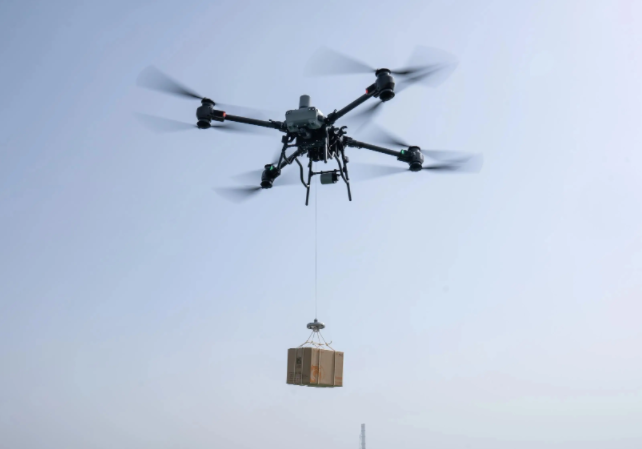
3. Improve the Antenna System
It is recommended to avoid areas with high-voltage electrical lines, communication towers, or populated areas because these areas are known for signal interference, which will cause premature return due to video signal instability, reducing the actual distance flown. This will allow the drone to fly in open areas for maximum range.
4. Avoid Signal-Interference Areas
Stay away from high-voltage power lines, communication towers, or densely populated urban areas. These environments often generate electromagnetic interference that can destabilize video transmission and trigger early return, shortening the actual flight distance. Flying in open, unobstructed areas allows the drone to achieve optimal endurance.
What Is the Legal Flight Distance in the U.S?
In the United States, drone flights are governed not only by technical capabilities but also by FAA (Federal Aviation Administration) regulations.
Key regulations include:
Maintain Visual Line of Sight (VLOS)
Operators must always keep the drone within unaided visual sight. This means that even if the drone is technically capable of flying farther, it cannot exceed the operator’s line of sight.
Altitude Limit
Drones cannot fly higher than 400 feet (approximately 120 meters) to avoid conflicts with manned aircraft.
No-Fly Zones
Drones are prohibited from flying in restricted areas such as airports, military bases, or national parks unless special authorization is obtained.
BVLOS (Beyond Visual Line of Sight) Requirements
To fly beyond the visual line of sight of the drone, FAA approval is necessary. If FAA approval is not obtained, then it is considered illegal.
Thus, it can be seen that for ordinary users, legal constraints can be more limiting than the capabilities of the drone. It is possible for a drone to have a large range, but the legal range can be very small.
Application Scenarios of Professional Long-Endurance Drones
In commercial and industrial fields, professional long-endurance drones offer exceptional value due to their ability to fly long distances and sustain extended flight times. They can accomplish large-scale tasks that conventional multirotor drones cannot easily handle. Key application scenarios include:
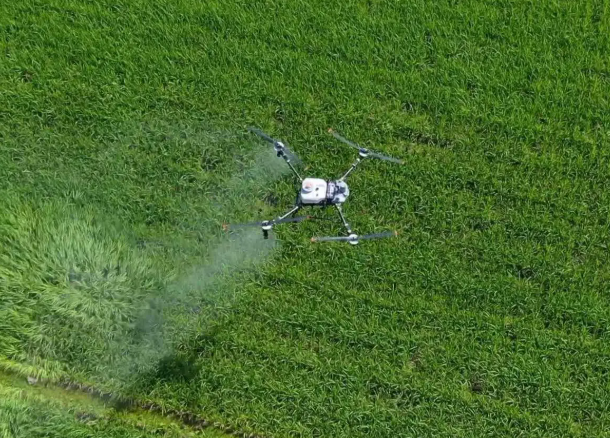
Crop Management in Agriculture
Long-range drones can be used for spraying pesticides, fertilizers, or crop health observation over large agricultural areas. Their high efficiency and large coverage area greatly reduce labor expenses and enable the processing of large areas within a short period of time.
Surveying and Mapping of Large Areas
These drones are applied for land surveying, topographic mapping, or construction site observation. They are capable of scanning tens or even hundreds of kilometers in a single flight, creating high-precision maps and 3D models, which greatly improve the efficiency of surveying work.
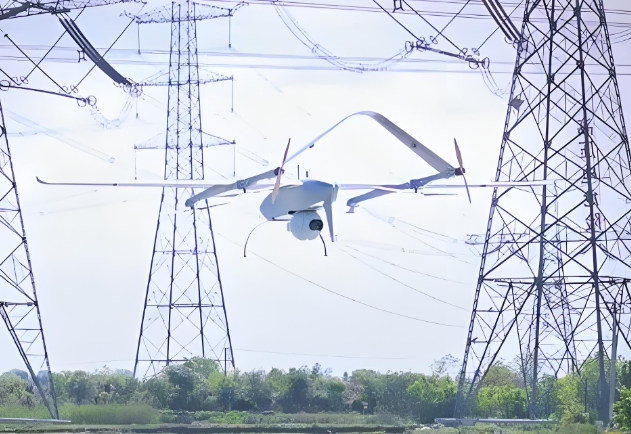
Power Line Inspection
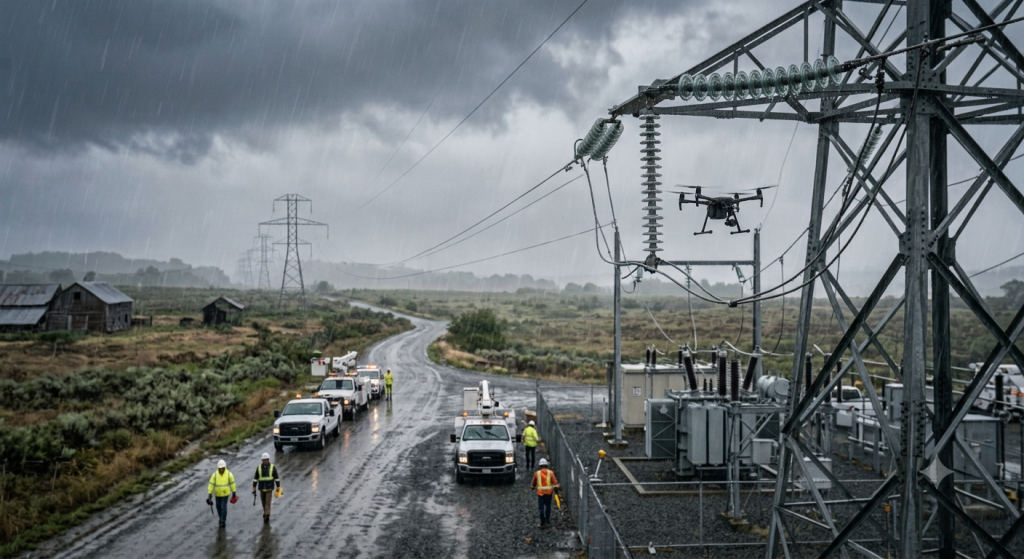
Long-endurance drones can patrol transmission lines, capturing high-resolution images to detect anomalies in wires and equipment. This reduces the risk of manual inspection while improving inspection frequency and accuracy.
Pipeline Monitoring
Used for inspecting long-distance oil, gas, or water pipelines, drones can identify leaks, corrosion, or structural damage in time, allowing for preventative maintenance and reducing accident risk.
Search and Rescue Operations
In areas where natural calamities have taken place, drones can be deployed to search for people, thus making rescue operations easier and ensuring timely rescue operations.
VTOL fixed-wing drones, because of their aerodynamic design and battery life, can travel long distances, thus making them a must-have in any industry, as they can cover hundreds of kilometers in a single session.
VastArrive: Professional Long Range Industrial Drone Solutions
In industrial applications like agricultural spraying, power line inspection, pipeline monitoring, and large-scale mapping, the flight range, payload, and signal quality are of utmost importance.
At VastArrive, we are industrial drone experts. Our industrial drones have high endurance and performance capabilities along with stable transmission signals. With VastArrive, you can rest assured that your drones not only fly longer but also function properly, making aerial technology a real productivity booster.
Conclusion: How Far Can a Drone Really Fly?
Now that we’ve gone over all the details about drones, let’s go back to the initial question: how far can a drone really fly?
The answer to this is that the distance that can be flown is not limited to any specific range because there are many factors that influence this range. Theoretically speaking, the range that can be flown by a consumer drone is between 6-20 km, but for professional drones, this range can be even longer. In practice, the range that can be flown is limited to only a few hundred meters or even several kilometers.
If you are searching for drones that can be used for commercial or industrial purposes, VastArrive is a reliable source that can be used for this purpose.
Related Products