How Fast Can A Drone Fly?

As drone applications continue to expand, “How fast can a drone fly?” has become one of the most frequently searched questions.
In reality, drone flight speeds vary dramatically. From consumer drones flying at just a few dozen kilometers per hour to industrial VTOL fixed-wing drones with cruising speeds exceeding 100 km/h, performance differs widely depending on drone type, design, and mission requirements.
In this article, we’ll take a comprehensive look at drone flight speed by exploring different drone categories, real-world application scenarios, and the key factors that influence how fast a drone can fly. Let’s dive in and uncover the answers.
Part 1. Average Flight Speed of Different Drone Types
The speed of a drone cannot be quantified in concrete numbers. It is an intermix of aerodynamics, efficiency in the propelling system, weight of the payload, flight control logic, and mission type.
Different types of drones have been optimized for very different parameters, and that is why speed ranges can be remotely in different drones. The commonest kinds of drones, with an indication of speed ranges, have been mentioned below.
Consumer Drones
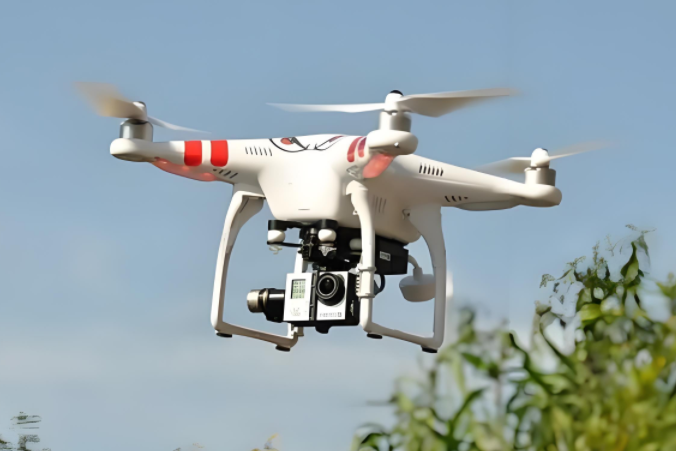
In its traditional form, the consumer-grade drone is used for photography and recreational purposes. The drones used for this purpose are basically quadcopters or multi-rotors that possess the ability to hover and fly with high accuracy and fluency at lower speeds.
Typical Speed Performance
- Cruising speed: 30–50 km/h
- Maximum speed: 60–80 km/h (Sport or Manual Mode)
Why Speed Is Limited
Consumer drones are intentionally speed-restricted for several reasons:
- Image stability: High speed increases vibration and motion blur, reducing photo and video quality
- Battery efficiency: Faster flight dramatically increases power consumption
- Safety and regulations: Many consumer drones have built-in software limits to prevent accidents
In normal filming scenarios, these drones operate well below their maximum speed. Smooth, controlled movement is far more valuable than fast flight when capturing cinematic footage.
FPV Racing Drones
FPV racing drones are designed with one goal only: maximum speed and responsiveness. These drones sacrifice almost everything else—including endurance and automation—to achieve extreme performance.
Typical Speed Performance
- Instant top speed: 120–200 km/h or more
- Acceleration: Reaches top speed within seconds
- Flight time: Usually limited to 5–10 minutes
Design Characteristics
- Ultra-light carbon fiber frames
- High-KV motors with aggressive propeller setups
- Minimal onboard electronics
- Manual flight control with no stabilization assistance
Though FPV drones have an incredible speed, they aren’t really used for industrial purposes. With limited flight duration, no autonomous flight modes available, and limited payload capacity, they aren’t very useful for inspection, mapping, or logistics.
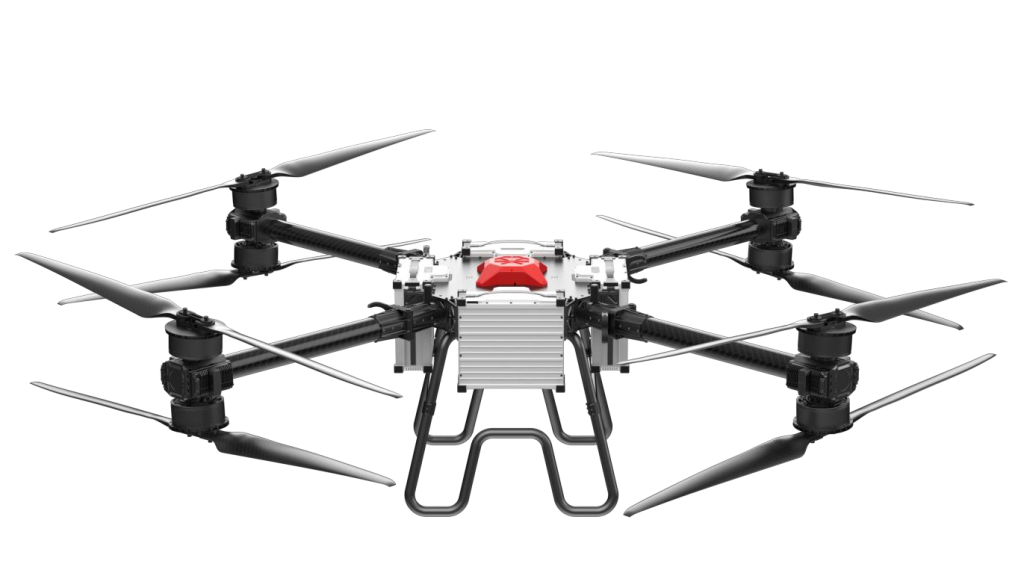
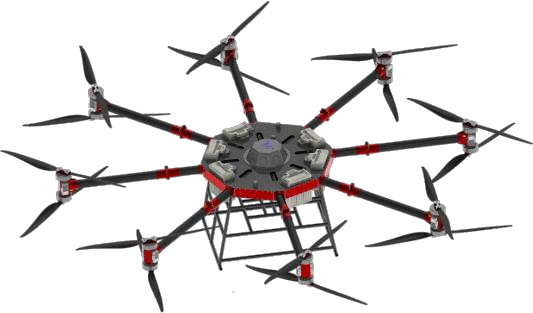
Industrial Multi-Rotor Drones
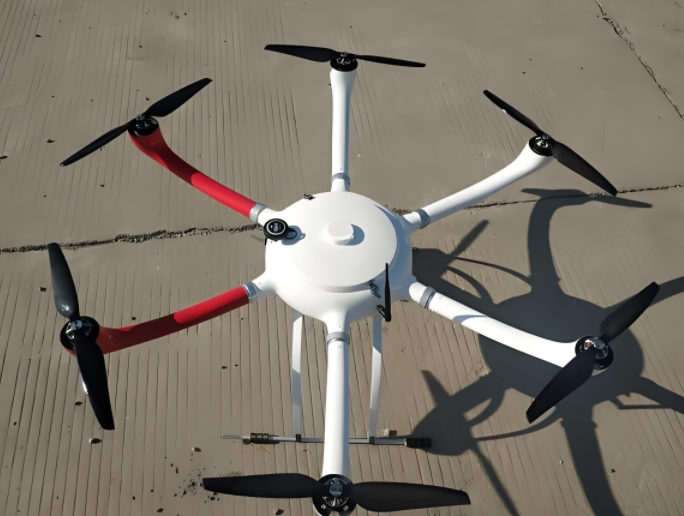
Industrial multi-rotor drones have numerous applications such as inspections, surveying, mapping, agriculture, emergency services, and security missions. The type of drones that are different from consumer drones include drones that can deal with professional payloads and drones that can work under complex conditions.
Typical Speed Performance
- Cruising speed: 30–60 km/h
- Operational speed: Often reduced during missions
Real-World Speed Considerations
In industrial use cases, drones rarely fly at maximum speed because:
- Sensor accuracy: LiDAR, photogrammetry, and thermal imaging require stable flight
- Data quality: Faster movement reduces overlap and resolution
- Safety margins: Slower speeds allow better obstacle detection and avoidance
While industrial multi-rotors may fly at higher speeds for a brief period, flying at high speed for an extended period is inefficient and quickly drains the power source, hence their inefficient speed.
Fixed-Wing Drones
Fixed-wing drones operate like traditional aircraft, generating lift through their wings instead of relying entirely on propeller thrust. This makes them significantly more energy-efficient at higher speeds.
Typical Speed Performance
- Cruising speed: 70–120 km/h
- Maximum speed: Often higher depending on design
- Flight range: Hundreds of kilometers per mission
Speed Advantages
- Aerodynamic lift reduces power consumption
- Higher cruising speed with long endurance
- Ideal for covering large areas quickly
Operational Limitations
Despite their speed, fixed-wing drones have drawbacks:
- Require runways, catapults, or recovery systems
- Cannot hover or perform precise low-speed inspection
- Less suitable for confined or urban environments
Owing to the aforesaid shortcomings, fixed-wing UAVs are more suited for massive mapping, pipe inspections, and long-range surveillance, but are not ideally suited for close-proximity industrial applications.
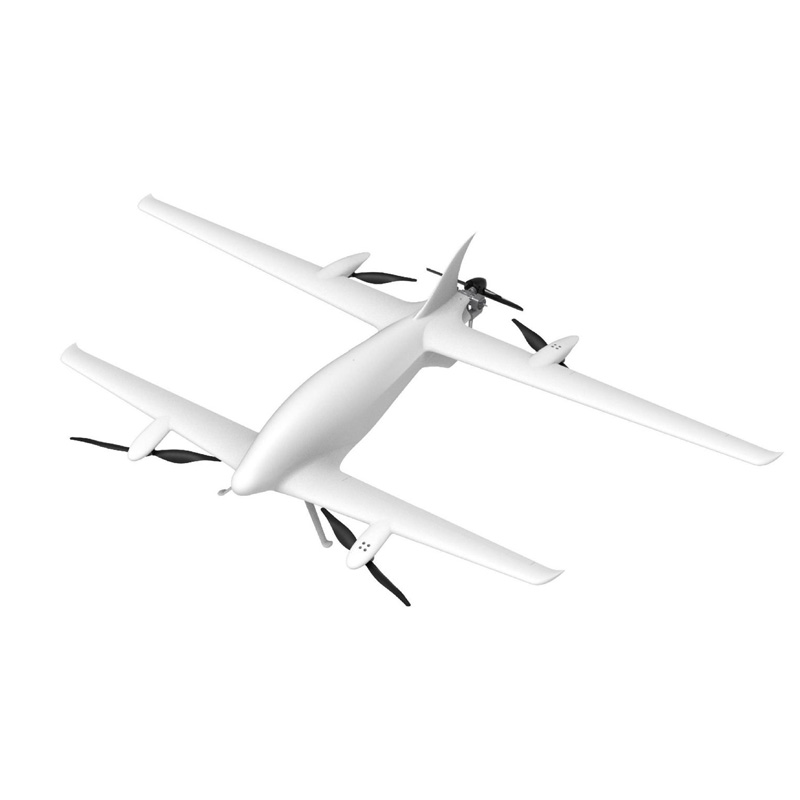
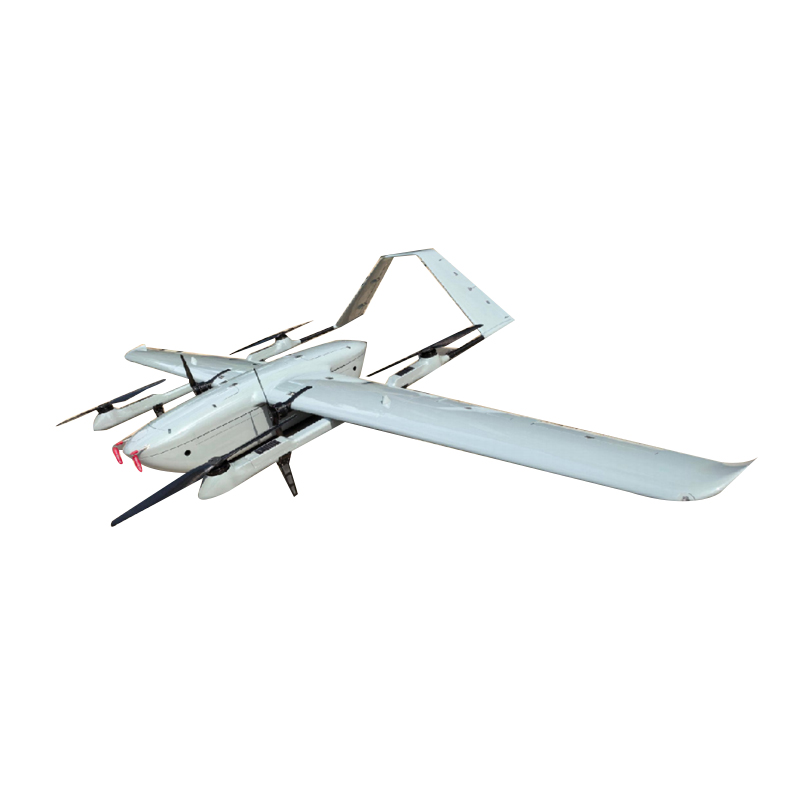
VTOL Fixed-Wing Drones
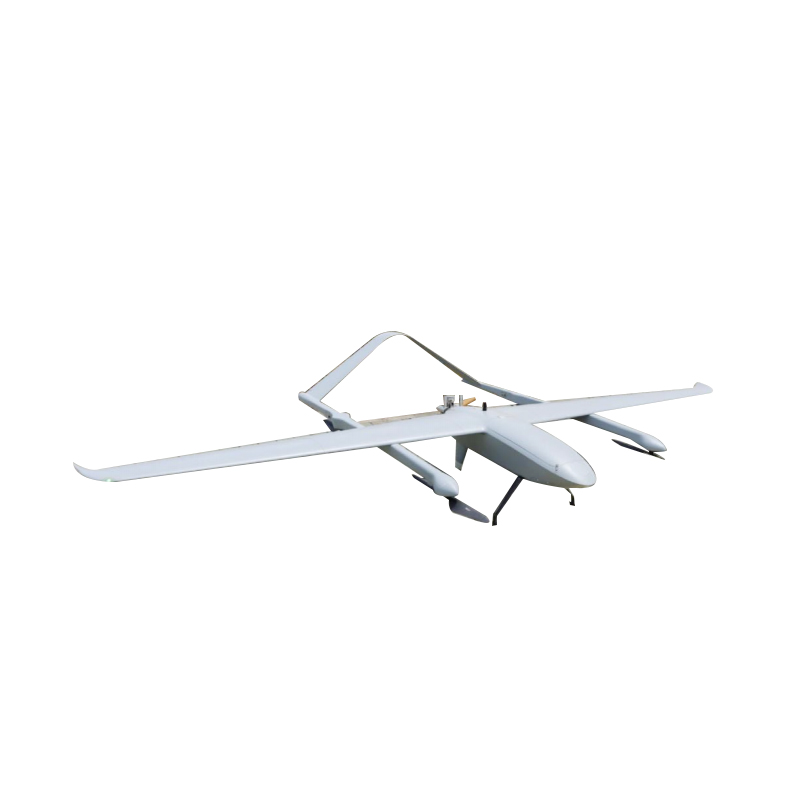
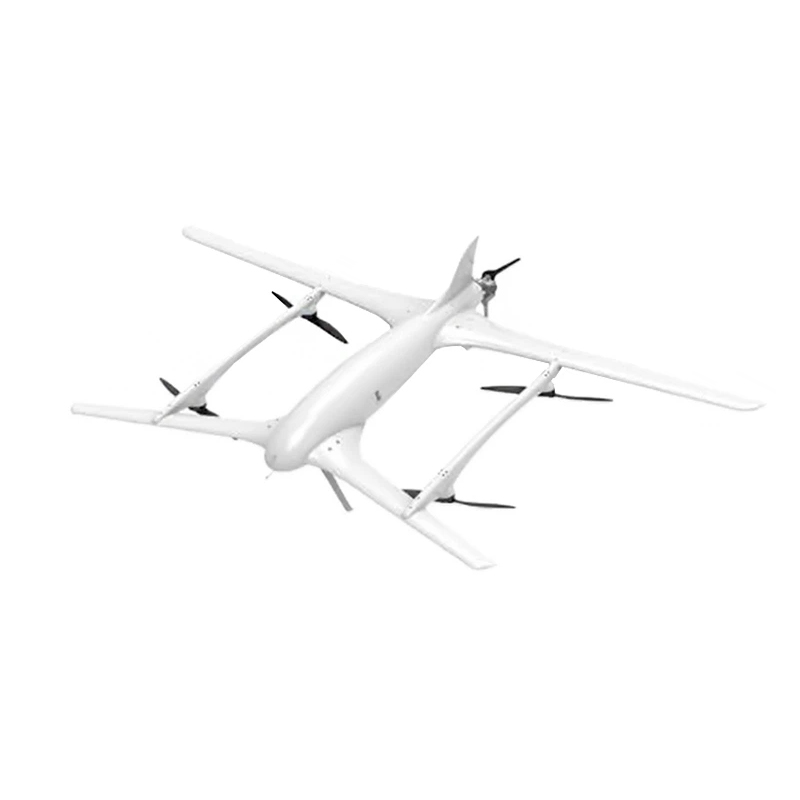
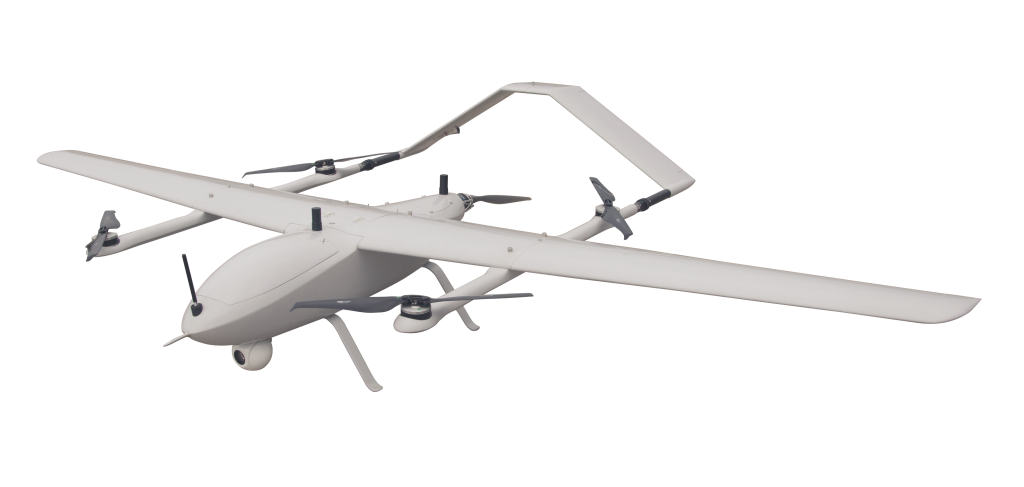
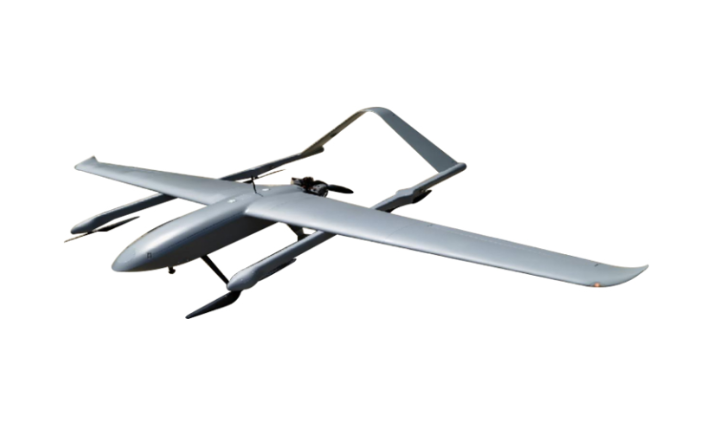
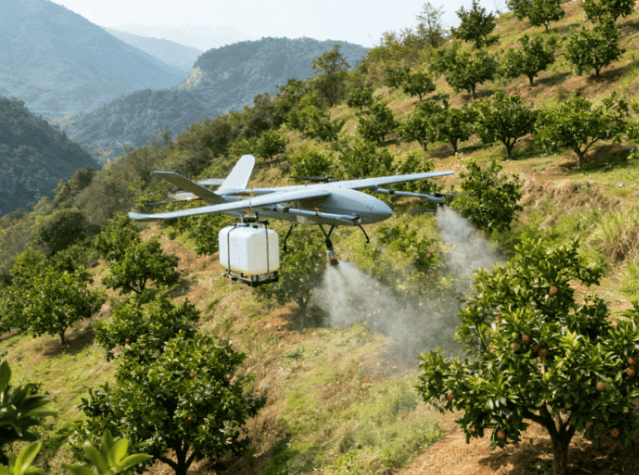
VTOL (Vertical Takeoff and Landing) fixed-wing drones are engineered to combine the strengths of both multirotor and fixed-wing platforms. They can take off and land vertically, then transition to efficient fixed-wing flight.
Typical Speed Performance
- Cruising speed: 80–120 km/h
- Transition mode: Multirotor to fixed-wing conversion after takeoff
Why VTOL Drones Stand Out
VTOL drones solve many of the limitations of traditional fixed-wing UAVs:
- No runway required
- High-speed, long-range cruise
- Ability to operate in remote or restricted areas
- Efficient for both short-range and long-distance missions
Industrial Value
VTOL UAVs are increasingly used in:
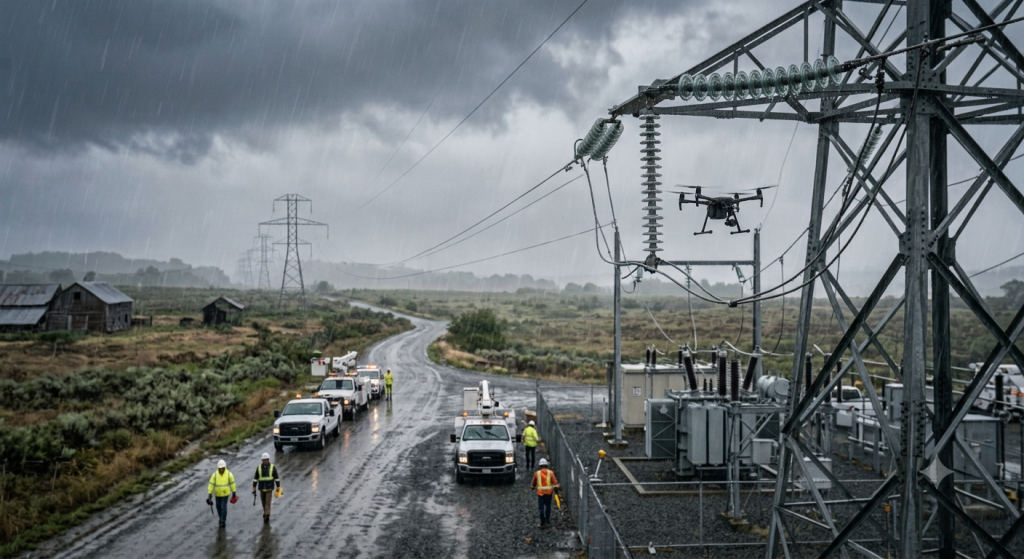
- Power line and pipeline inspection
- Large-area mapping and surveying
- Emergency response and disaster monitoring
- Long-range logistics and delivery
Among current industrial drone solutions, VTOL platforms offer one of the best balances between speed, endurance, range, and deployment flexibility, making them a preferred choice for professional users who need both performance and practicality.
Part 2. Key Factors Affecting the Flight Speed of Drones
It cannot be said that any single specification decides the flight velocity of a drone. It has, in fact, come from the combined effect of multiple engineering and environmental factors. Some of the most important elements that will directly affect the flight speed of a drone in realistic conditions are given below.
Aerodynamic Design
The airframe shape, wing cross-section, and design have a direct influence on air resistance. A streamlined airframe and wing design help in overcoming this resistance and allow a greater speed to be attained with relatively low power. A poor aerodynamic design limits this speed and efficiency.
Propulsion System
Motor performance as well as matching propellers are considered essential for speed too. High-efficiency motors paired with the appropriate propellers can provide better thrust performance as well as acceleration too. The imbalance between the propellers can result in increased power consumption without delivering any appreciable speed boost as well.
Payload Weight
The greater the weight, the greater the thrust required to sustain a specified speed. As weight is increased, both top speed and efficiency for cruising reduce, particularly in multi-rotors. It is a challenge for industrial drones to bridge this gap between weight capacity, speed, and endurance.
Power and Energy Storage
The use of energy affects the flight speed and duration of the drone. Energy-rich batteries with a hybrid power solution facilitate fast flying speeds for a tolerable flight duration. The battery must be used at a slower flight speed due to its flight limitations.
Flight Mode
Different operating modes consume different levels of energy. Take-off and hover flight regimes require high amounts of energy as opposed to cruise regimes in conventional airplanes. This is imperative to note forVTOL unmanned aerial vehicles that are capable of engaging in fixed-wing flight regimes for long-distance flight.
Environmental Conditions
There are other external influences such as the speed of the wind, the temperature of the air, and the air pressure that influence the performance of the aircraft during the flight. High head winds result in slower ground speed, high temperatures lead to lower motor and battery efficiency, and at high altitudes, the reduced air density results in reduced lift and thrust.
Meanwhile, the variables mentioned explain why the advertised top speed of a drone does not necessarily correspond to the operational speed upon which a mission is based.
Part 3. How Fast is the Fastest Drone in the World?
In experimental environments as well as in the military sector, some high-performance drones are capable of maintaining a speed of over 300 km an hour, and in some test conditions, drones can even get close to the speed of an aeroplane. High-performance drones are designed to have aerodynamic designs with powerful engines to enhance speed performance.
However, these speeds are reached only under special circumstances, which include test flights conducted for a short while under reduced payloads. Drones or unmanned aerial vehicles aren’t designed for use in such commercial or routine industrial applications.
In the real world, very high speed is generally associated with major trade-offs. Much faster flight greatly reduces the endurance and payload capacity, and stable operation and data collection become more difficult.
Therefore, in commercial and industrial scenarios, speed alone is rarely the most important factor. Instead, users focus on a balanced combination of reasonable cruising speed, flight time, stability, and operational reliability, rather than pursuing the fastest possible drone.
Part 4. How to Choose the Right Drone Speed for Different Applications
The optimal drone speed depends largely on the specific mission requirements. In professional drone applications, higher speed does not always lead to better results. Instead, users should focus on selecting a speed range that supports data quality, operational efficiency, and flight safety.
Mapping and Remote Sensing
In mapping, surveying, and remote sensing applications, a stable and consistent cruising speed is far more important than maximum speed. Uniform flight speed ensures sufficient image overlap, accurate positioning, and reliable data output. Flying too fast can reduce image resolution and increase errors during data processing.
Power Line and Infrastructure Inspection
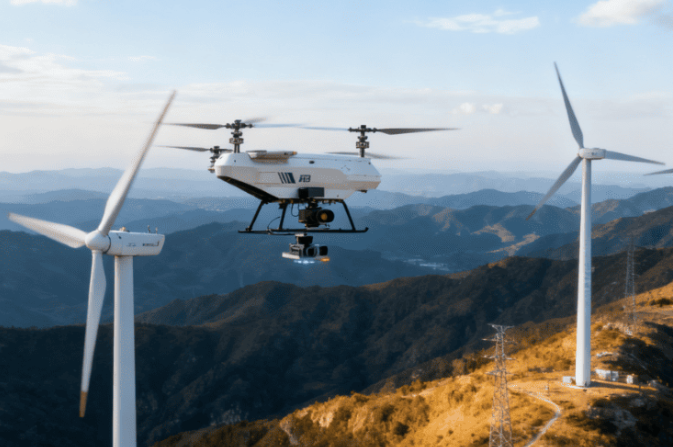
Infrastructure inspection often involves long-distance, linear routes such as power lines, pipelines, or railways. In these scenarios, drones should maintain an efficient cruising speed that allows them to cover large areas while still operating safely near structures. Endurance and flight efficiency are usually more critical than peak speed.
Logistics and Transportation
In logistical and transportation operations, it is necessary that speed be jointly considered with payload and flight distance. This is due to the possibility that with increased speed comes increased fuel consumption, and that this could affect the load carried by a UAV.
Security and Patrol Operations
In security, patrol, and monitoring tasks, coverage area and endurance typically take priority over top speed. Drones need to remain airborne for extended periods and perform continuous observation rather than short, high-speed flights.
Overall, choosing the right drone speed means understanding the trade-offs between speed, endurance, payload, and mission accuracy, and selecting a platform that performs reliably within real operational conditions rather than focusing solely on maximum speed specifications.
Conclusion: How Fast Can a Drone Fly?
Coming back to the question: ‘How fast can a drone fly?’ It is not an absolute speed, as this speed is affected by various key factors in a drone, which are type, purpose, or objectives
And if indeed you find yourself in the market for a new drone, it is crucial that you look for one that complements your mission requirements rather than emphasizing the fastest speeds attainable. At VastArrive, we offer a variety of drones that will ensure balance between your requirements of speed, range, stability, and payload.
Related Products