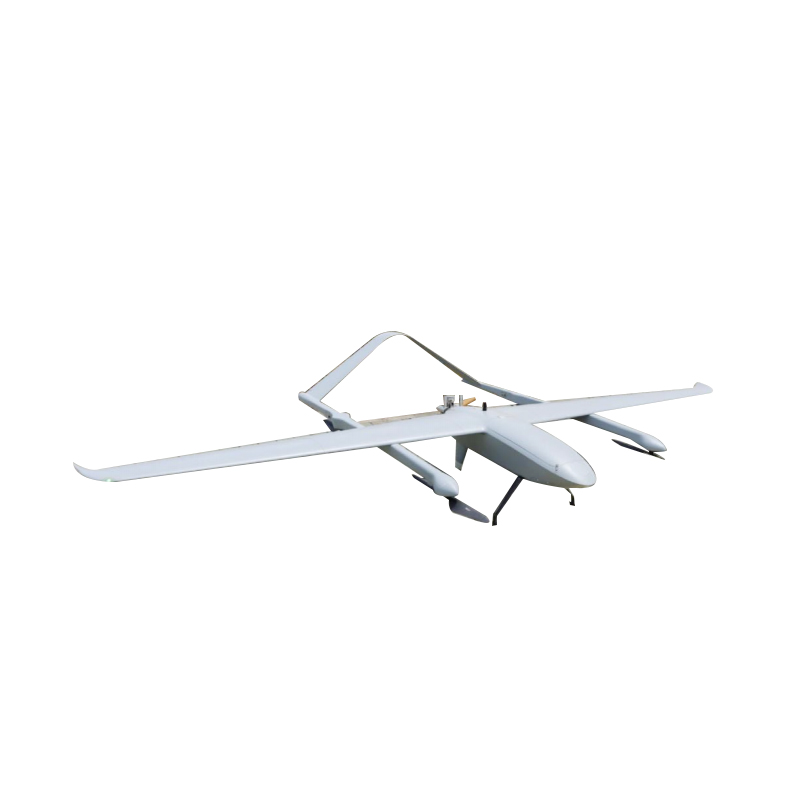
Inside Industrial Drones: How They Stay Reliable and Safe in Extreme Conditions

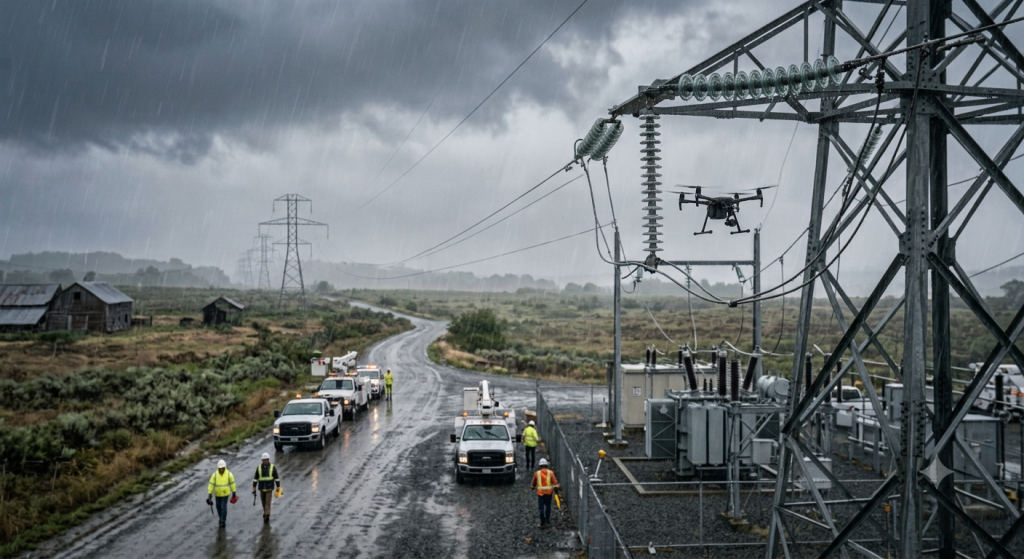
With the expansion of industrial activities into more dangerous territories, industrial drones have become an integral part of inspections, monitoring, and information gathering. Whether it is offshore wind farms that encounter high winds or underground mining sites full of dust and poisonous gases, operating under such conditions imposes greater challenges to the primary capabilities of industrial drones.
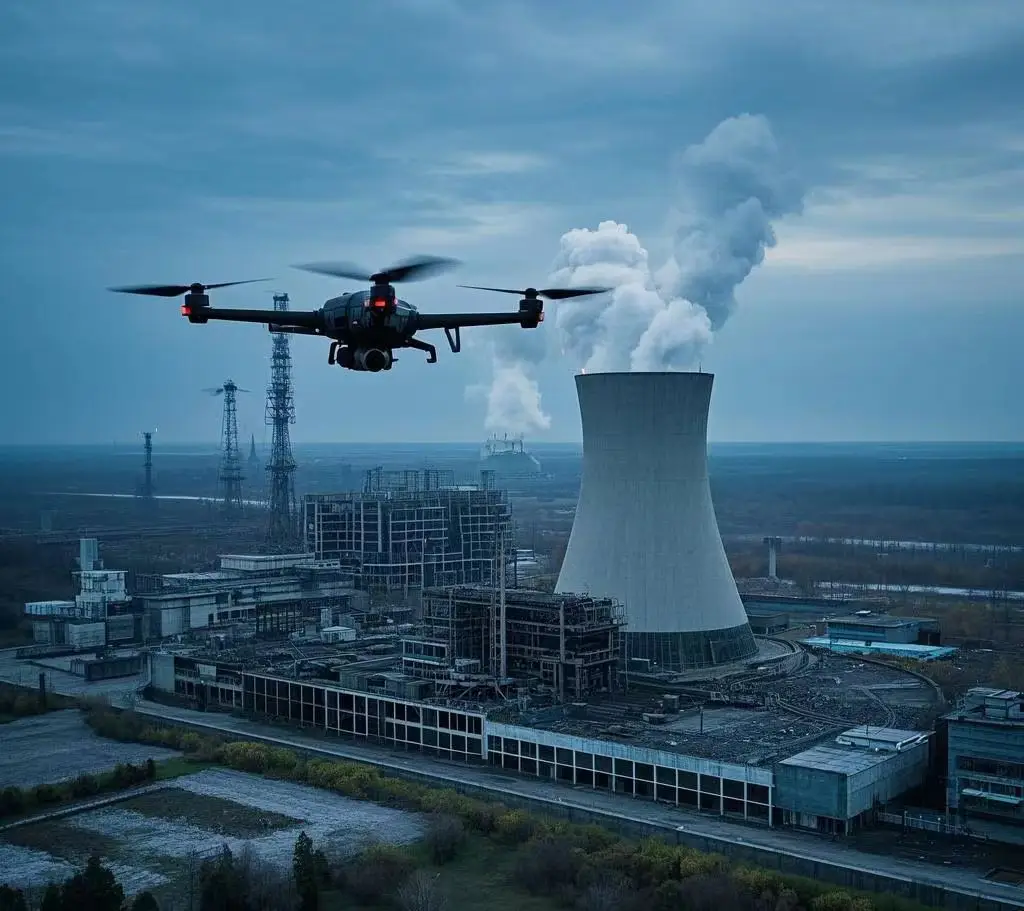
The Challenges Associated with Extreme Industrial Environments
Industrial UAVs must operate under conditions where failure cannot be tolerated, such as:
High temperatures (such as refineries and steel plants), strong winds, turbulence and dust from offshore platforms or wind farms) and dust, moisture and corrosion (mineral processing environments and marine environments) pose numerous dangers that must be managed in order for operations to run efficiently and successfully. They should also avoid GPS-denied or signal interference zones (indoor facilities, tunnels).

As even minor system instability can lead to mission failure or safety incidents in harsh environments, reliability must be an essential design requirement rather than an extra feature.
Engineering Design: What’s Inside Industrial Drones
Tough Hardware For Harsh Conditions
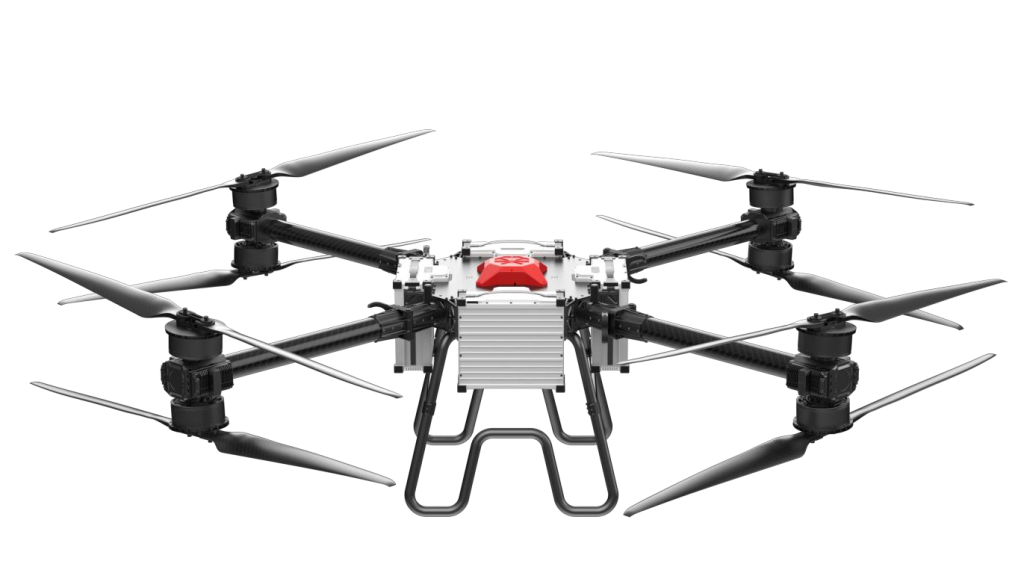
Industrial-grade hardware design forms the cornerstone of reliability for drones. VastArrive’s models come equipped with features like:
Electronic components that are high heat resistant and encapsulated in waterproof IP rated cases not only resist dust and moisture but chemicals, too, and robust frames protect against shocks and vibrations.
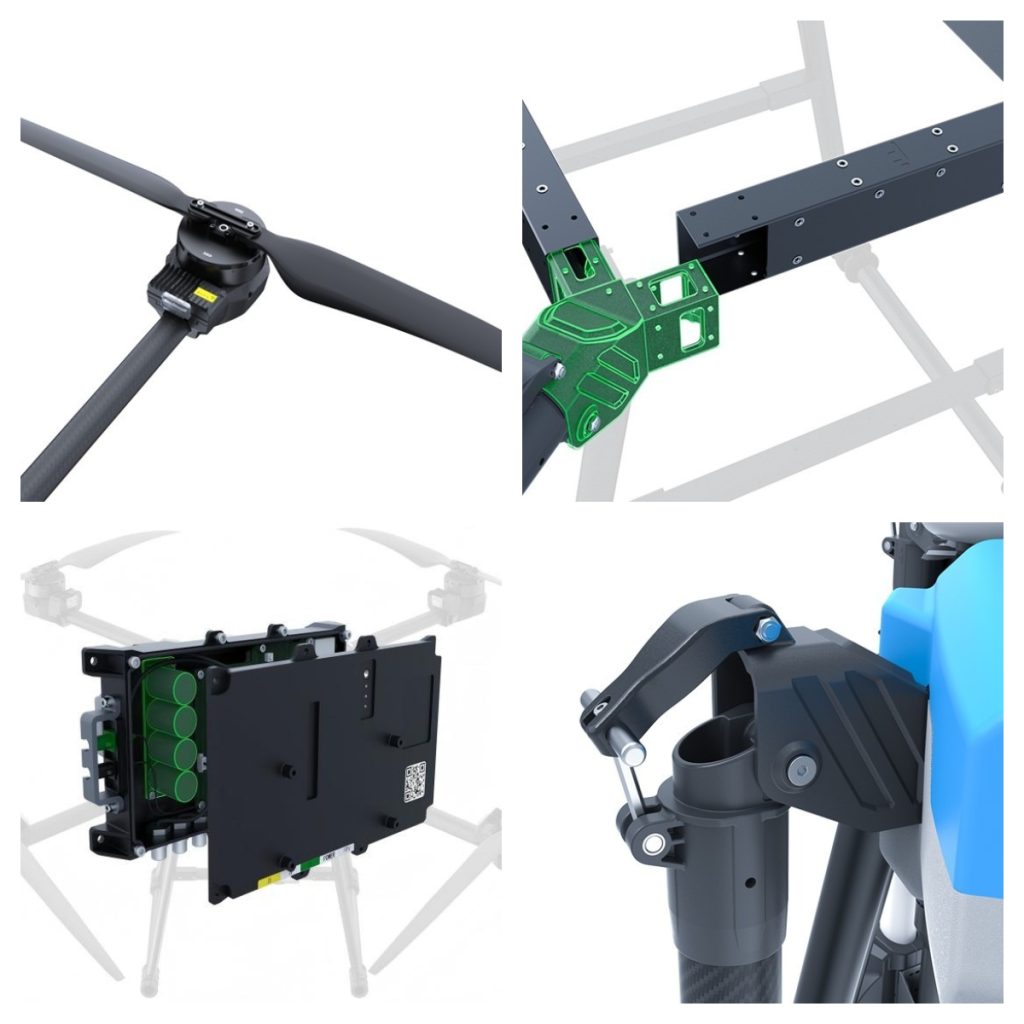
Thus ensuring stable performance even in environments where traditional equipment would quickly degrade.
Designing for Failure Before It Happens
Industrial drones stand out as being equipped with system redundancy. Instead of relying on just one component for functionality, critical systems are replicated for redundancy purposes: instead of being dependent upon just one system component to function reliably.
Multiple flight controllers, redundant IMUs, compasses and multi-battery configurations with backup communication links are required to achieve flight safety.
This approach allows drones to keep operating or safely recover even when individual components malfunction, significantly increasing mission success rates.
Smart Power Systems and Battery Intelligence
Power management is an essential aspect of drone reliability. Advanced industrial drones include:
In real-time battery management, there is the use of predictive discharge, adaptive power distribution, and battery condition monitoring.
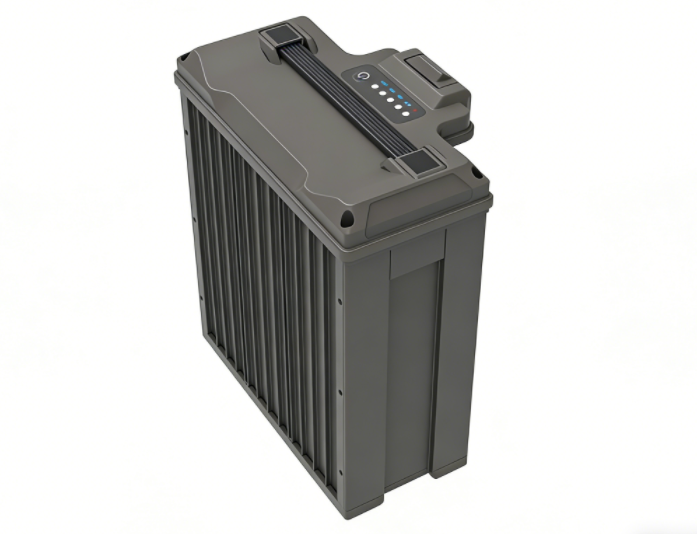
This ensures that no sudden shutdown occurs and that the flight mission period increases, particularly for extended flights such as pipeline inspections and wind turbine assessment.
Adaptive Flight Control and Environmental Sensing
For drones operating in industries, rapid adaptation in harsh conditions is essential for stability, and thus they must depend on:
Resistance to wind and stabilization technologies Sensor integration in real time (IMU, GNSS, cameras) Obstacle detection in poor visibility
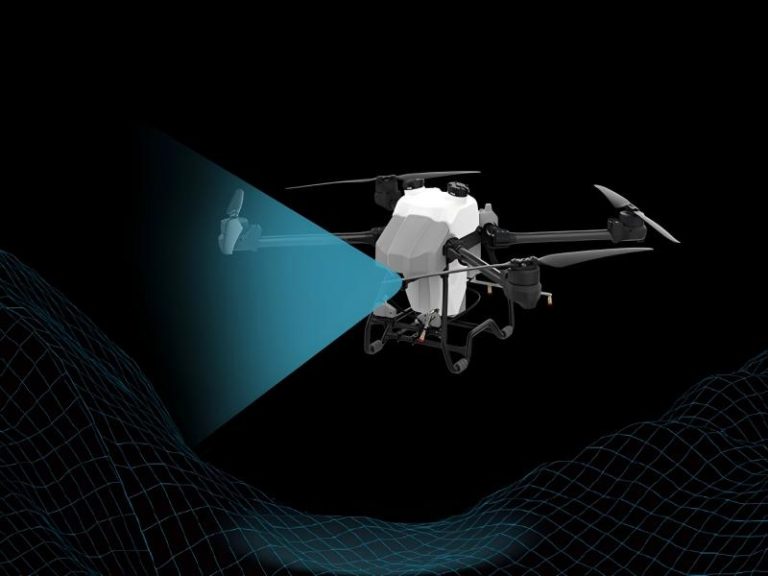
Vision navigation and LiDAR-based maps enable drones to fly independently in areas without GPS coverage.
Safety Design: Reducing Risk Instead of Enduring It
The drone will do its job efficiently, while safety design makes sure that no further risks occur.
Built-in Safety Systems
Today’s industrial drones come equipped with advanced safety systems:
- Return-to-Home (RTH) for signal loss incidents;
- Geofencing technology to steer clear of restricted areas;
- Collision avoidance using AI and 3D sensing;
- Emergency landing protocols.
These features are essential in high-risk environments like oil refineries or power plants, where even minor incidents can rapidly escalate into major crises.
Solutions for AI-Enhanced Risk Detection
AI is changing the way drones assist in the creation of a safer environment:
Constant surveillance of gas leaks, overheating of machinery, and structural faults is needed for real-time monitoring;
Anomalies require immediate detection to perform effective predictive maintenance.
How is it possible? Thanks to sensors that will instantly identify any gas leaks, overheating of machinery, structural cracks, anomalies, and even allow predictive maintenance.
It makes AI-enabled drones far more superior than traditional inspection in terms of risk detection.
Human and Machine Collaboration
Human supervision remains of vital importance:
- Remote monitoring via control stations.
- Real-time data transmission (4G/5G or private networks).
- Centralized command platforms.
This hybrid approach ensures that drones supplement, rather than replace human decision making in safety-critical operations.
Real-World Applications of Reliability and Safety in Action
Mining Operations
In mining operations, drones can be utilized for:
Underground mapping and inspection, gas detection in hazardous zones, slope stability monitoring etc are all services provided by RSL Monitoring Group.
Impact:
- Reduced exposure to harmful environments
- Faster inspection cycles
- Improved incident prevention
Wind Energy Sector
The wind energy sector presents unique inspection challenges: height, wind and accessibility.
Industrial drones: With high precision AI detect blade damage with great accuracy, operating under strong wind conditions without needing rope-access technicians, industrial drones provide the opportunity for repairs without rope-access technicians being needed.
Results:
- Inspection efficiency improved by up to 70%
- Maintenance costs significantly decreased
Oil & Gas Industry
Drones are widely deployed within the Oil & Gas. Industry for several applications:
Pipeline inspection, flare stack monitoring and leak detection in hazardous zones.
Key benefits:
Reduced shutdown requirements, decreased operational risk and enhanced inspection accuracy are just a few key advantages that have resulted from this approach. Furthermore, its results can be measured, from risk reduction to efficiency gains.
Measurable Benefits: From Risk Reduction to Efficiency Gains
Industrial drones offer tangible, measurable outcomes across industries:
Accident rates were decreased by reducing human exposure;
Inspection times were cut from days to hours and mission success rates increased through redundancy and intelligent systems;
Operating costs were cut through reduced manual labor and downtime costs.
Drones effectively shift operational risk away from people and towards engineered systems designed to manage it.
Smarter, Safer, More Autonomous
The technology of industrial drones will keep on developing in time:
BVLOS (beyond visual line of sight) enables fully autonomous inspection processes supported by artificial intelligence for real-time decision making, swarm-based systems for large-scale area monitoring, and fully autonomous inspection processes based on fully autonomous inspection processes and real-time decision making by artificial intelligence.
This will lead to further improvements in reliability in harsh conditions and safety engineering, which will make drones an even more critical part of industrial processes.
Conclusion
In today’s industrial world, drones have made their way to being an essential component in almost all industries. The fact that drones can work effectively in difficult conditions and provide state-of-the-art safety features makes them game-changers in such operations.
The use of industrial drones provides companies working in difficult conditions with the following benefits:
Using drones in tough conditions is not merely an upgrade, but it is actually a new approach for companies.
Related Products