How to Get EU Industrial Drone Operation Qualification

Europe has become a primary center for industrial drone operations because it provides multiple industries with inspection services and mapping capabilities and construction support and energy solutions. The European Union defines operational capacity through EASA compliance requirements instead of equipment performance standards.
Every business that wants to operate drones in Europe needs to understand the process for getting legal permits because it impacts their ability to complete projects and gain customer approval and sustain business operations in the future.
Understanding the Importance of EU Drone Regulations
The operation of drones in the European Union is regulated by a unified framework of the European Aviation Safety Agency (EASA), which applies to all member states, including Germany, France and Spain. This ensures consistent compliance requirements regardless of operational location.
A key principle of the EU system is that regulations are risk-based rather than application-based.
This means authorities assess:
- Flight environment complexity
- Proximity to people
- Airspace conditions
- Operational risk level (not industry type)
As a result, most industrial drone applications naturally fall into higher regulatory categories due to operational complexity.
From a business perspective, compliance directly impacts:
- Project approval and execution timelines
- Legal and financial exposure
- Insurance validity
- Client procurement and audit results
In the EU industrial drone market, compliance is not optional—it is a baseline requirement for market entry.
EU Drone Categories Explained
EASA divides drone operations into three categories based on risk level:
Open Category (Low-Risk Operations)
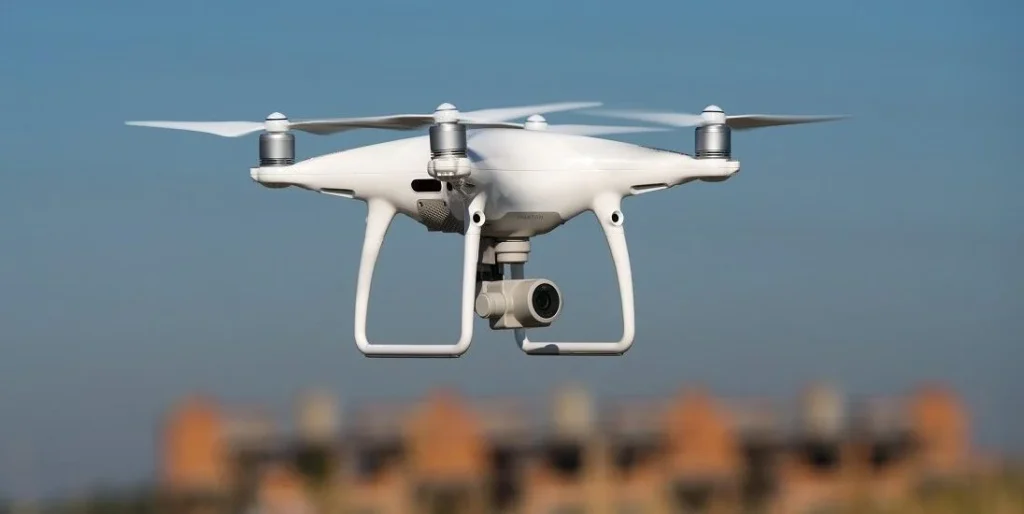
Open-loop drones are designed for low-risk, simple operation and are typically used for recreational or very basic commercial purposes.
Key features include:
- Visibility-only (VLOS) operation
- Maximum flight altitude 120 meters
- Must not fly over unauthorized personnel
- Strict weight and operational restrictions
These drones are generally used for personal recreation and are not very relevant to industrial applications.
Specific Category (Standard for Industrial Use)
When operations exceed the limitations of the open category, they are classified into a specific category. For industrial drone operators, this classification is the most important:
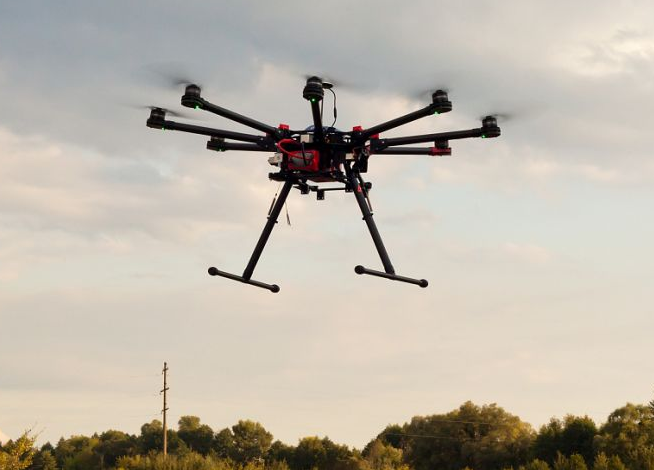
- Flying in urban or controlled environments
- Operating near infrastructure or personnel
- Beyond visual line of sight (BVLOS) missions
- Complex inspection or mapping missions
The following conditions are required by an organization to conduct activities within this category:
- Conduct a risk assessment (e.g., SORA methodology)
- Get clearance to operate from the appropriate aviation regulating body
- Ensure sufficient safety precautions and mitigation measures are in place
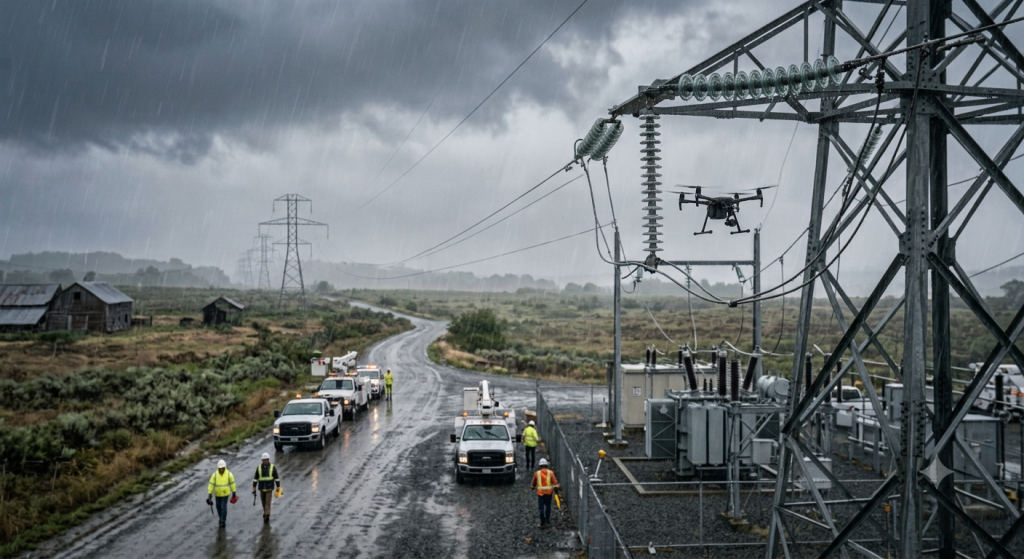
Some examples of projects conducted in this category include wind farms inspection, construction surveillance, electricity cables inspection, and mapping.
Certified Category (High-Risk Operations)
This certification class covers those drones which operate in the most dangerous environment, and their regulation is comparable to manned aircraft operations.
Possible applications include:
- Large unmanned systems
- Operations posing high safety risks to third parties
- Advanced airspace fusion scenarios
This class is seldom used for industrial drones; however, it may be applicable for future applications of unmanned cargo drones or passenger drones.
Which Industrial Drone Businesses Require This Certification?
| Industrial Application | Typical Environment | Flight Conditions | Risk Level | Authorization Required? | Category |
| Agricultural mapping (open farmland) | Rural, low population density | VLOS, low altitude | Low | Not always required | Open Category |
| Basic infrastructure photography | Outside restricted zones | VLOS, standard altitude | Low–Medium | Sometimes not required | Open Category |
| Wind turbine inspection | Wind farms / offshore sites | Close proximity, complex structures | High | Yes | Specific Category |
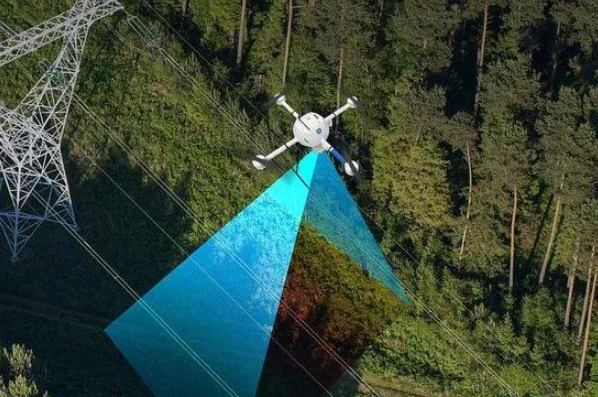
| Power line inspection | Linear infrastructure corridors | Often BVLOS or near obstacles | High | Yes | Specific Category |
| Construction site monitoring | Urban or semi-urban sites | Near workers, dynamic environment | High | Yes | Specific Category |
| Bridge / railway inspection | Critical infrastructure | Close-range, safety-sensitive zones | High | Yes | Specific Category |
| Mining site surveying | Industrial remote areas | Dust, wind, heavy machinery | Medium–High | Usually required | Specific Category |
| Emergency response / search & rescue | Uncontrolled environments | BVLOS, time-critical missions | High | Yes | Specific Category |
| Industrial photography (controlled facility) | Private enclosed areas | Limited flight scope | Low | Sometimes not required | Open Category (conditional) |
| Autonomous long-range delivery (future use cases) | Urban + intercity corridors | BVLOS, complex airspace integration | Very High | Certified Category required | Certified Category |

How to Get an EU Drone License
EU drone authorization is not a single certificate, but a structured compliance system based on operational risk.
Step 1: Operator Registration
All commercial operators must register with a national aviation authority.
This typically includes the following steps:
- Registering as a company or sole operator with the relevant EU national aviation authority
- Obtaining a unique Operator ID
- Marking this ID on the drone’s fuselage
Step 2: Complete Basic Flight Skills Certification
Operators must complete training based on operational level:
- A1/A3 → Basic operations in low-risk environments
- A2 → Operations closer to people or controlled environments
Training content typically includes:
- Airspace basics
- Flight safety rules
- Weather and risk identification
- Basic operating procedures
Step 3: Determine If You Have Entered the Specific Category
Operators must assess whether their missions exceed Open Category limits.
The following situations indicate that the limits have been exceeded:
- Beyond Visual Line of Sight (BVLOS)
- Flying in urban or complex environments
- Approaching personnel or critical infrastructure
- Performing high-risk industrial tasks (such as wind power or power transmission lines)
Step 4: Conduct A Risk Assessment
For Specific Category operations, regulators require proof that risks are controlled.
Two main pathways:
1. SORA (Specific Operations Risk Assessment)
Used for customized or high-risk missions such as:
- Offshore wind inspections
- Power line BVLOS operations
- Urban infrastructure surveys
Focus:
- Detailed risk modeling
- Operational safety design
- Technical mitigation strategies
2. STS (Standard Scenarios)
Used for predefined operational templates:
- Controlled environment inspections
- Standard VLOS missions
Focus:
- Standardized procedures
- Faster approval process
- Repeatable operations
Step 5: Submit an Operational Authorization application
After completing risk assessment, operators must submit an application to the national aviation authority.
Typical documents include:
- Operations Manual (CONOPS)
- Risk assessment report
- Safety management procedures
- Equipment and operator qualifications
Approval grants scenario-specific authorization, meaning each operational type may require separate approval.
Step 6: Ongoing Compliance Management
Compliance does not end after approval.
Operators must maintain continuous regulatory adherence, including:
- Updating operational manuals
- Maintaining detailed flight logs
- Performing equipment maintenance
- Conducting regular pilot training
This guarantees that operations will be legitimate in the long term.
EU regulation of drones for industrial use follows a risk-based approach to regulation, with compliance based on the level of complexity of the operation, not the nature of the license application.
Regulatory capability is crucial to the competitive advantage of EU industries in acquiring drones and implementing projects involving their use.
Related Products