Cost Analysis of Pressure Washing Drone

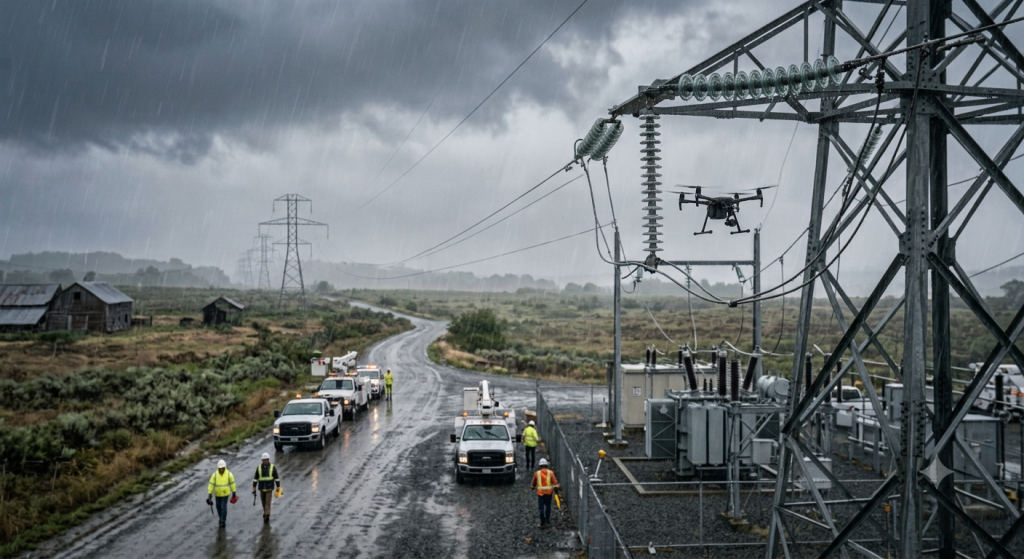
In fields such as high-rise building cleaning, industrial facility maintenance, and photovoltaic panel cleaning, traditional cleaning methods, while effective, are often high-risk and labor-intensive. The emergence of high-pressure cleaning drones has revolutionized high-rise glass cleaning, reducing costs and time.
However, for most commercial users, the core question remains: “How much does it cost to use drones for pressure washing? Is it worth the investment?” This article will provide a systematic breakdown for commercial users from various perspectives.
What Is Pressure Washing Drone
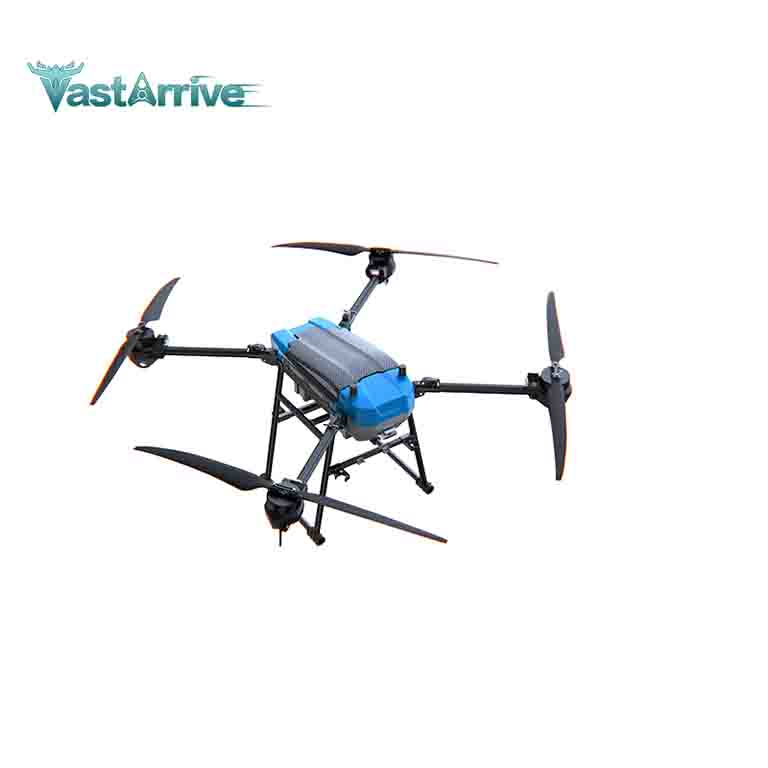
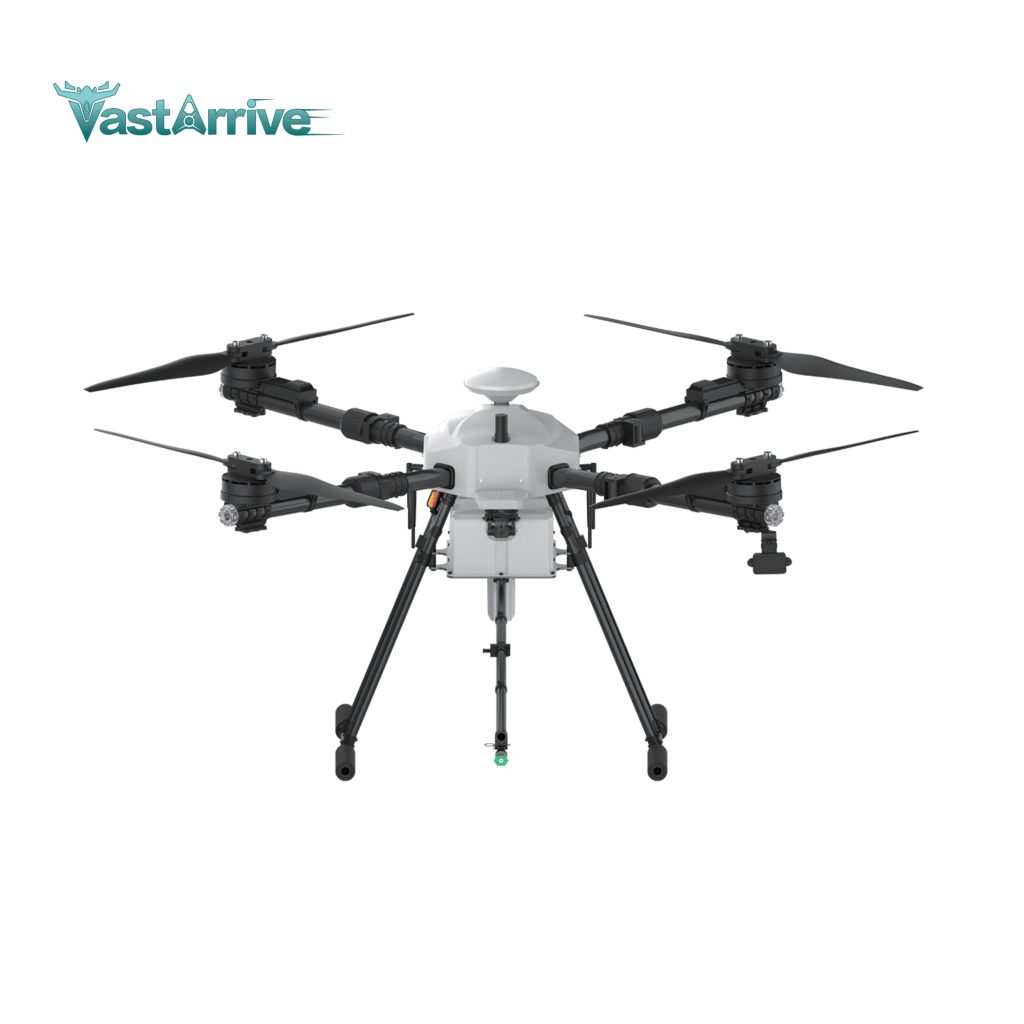
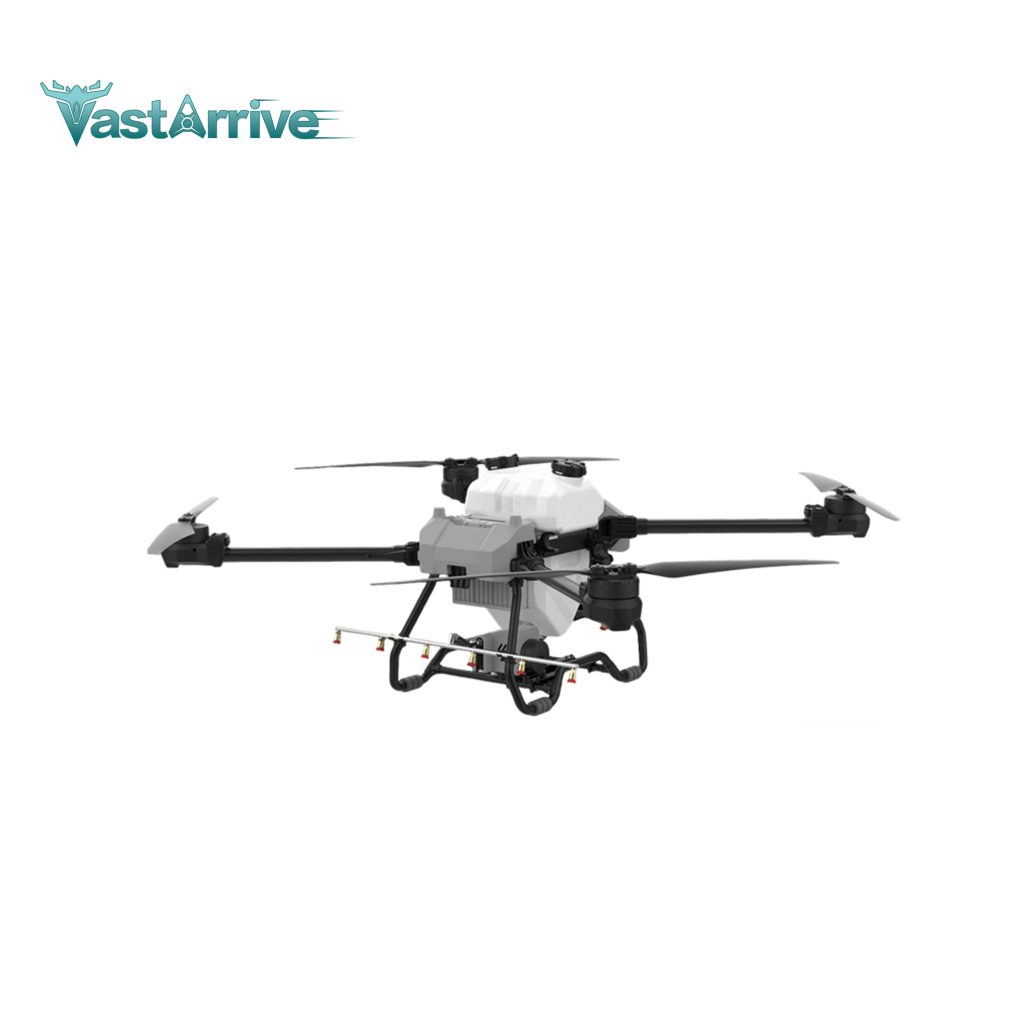
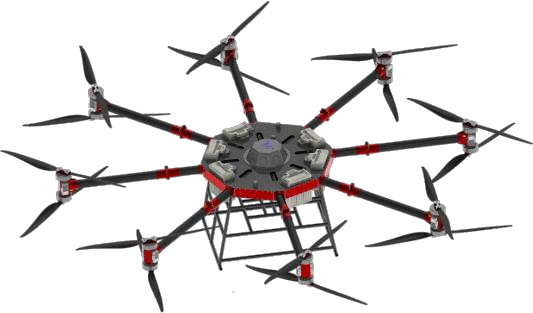
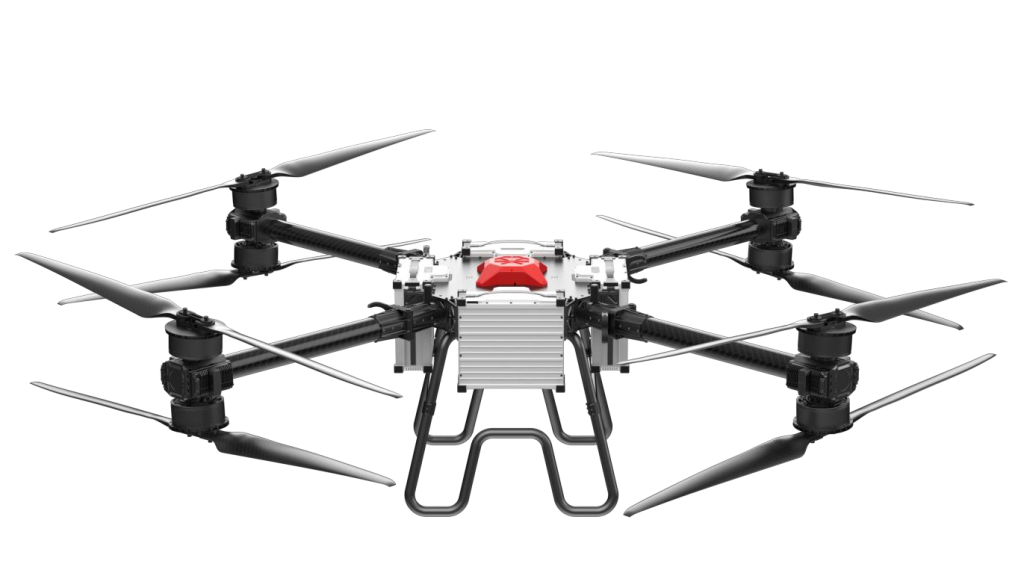
Pressure washing drones are industrial-grade drones equipped with a spray system. They have two working modes: one is through a ground pump station combined with a cleaning module; the other is by using the drone’s water tank, which is pre-filled with water for high-altitude cleaning.
Cost Structure of Pressure Washing Drones
When businesses want to invest in pressure washing drones, they need to understand the entire cost structure of the service, rather than simply looking at the equipment price.
Equipment Purchase Cost (One-time Investment)
Industrial-grade cleaning drone systems typically include: the drone, a ground-based high-pressure pump system, flexible water hoses, a nozzle control system, and a positioning system.
The approximate price range is as follows:
- Entry-level: $5,000 – $10,000
- Commercial-level: $10,000 – $50,000
- Other advanced custom systems: $50,000+
For general applications, an entry-level system is sufficient; for other specialized applications, higher-level drone systems can be selected.
Operating Costs (Per Project or Per Day)
Based on industry practice, high-altitude drone cleaning is typically billed in two ways: per project or per day. However, the cost will vary depending on the building height and the specific team used. Therefore, commercial clients considering investment should research the pricing standards of local competitors beforehand to determine whether to proceed.
Labor and Operating Costs
Compared to traditional high-altitude operations, drones for pressure washing can reduce labor costs.
| Project | Traditional Method | Drone Method |
| Number of Personnel | 4-8 | 2-3 |
| Risk Level | High | Low |
| Insurance Cost | High | Low |
| Training Cost | High (High-altitude operations) | Medium (Drone pilot) |
Hidden Costs
In addition to the costs mentioned above, many companies overlook other hidden costs. Different markets have different regulations for drones. For example, the US market requires FAAF flight compliance, personnel operation training, equipment maintenance and consumables, battery life, and delay costs due to weather and environmental factors, etc.
Why Are More and More Companies Entering the Pressure Washing Drone Industry?
As costs in the aerial cleaning industry continue to rise and safety regulations become increasingly stringent, more and more companies are turning their attention to the pressure washing drone sector. They’re no longer simply “using drone services,” but actively investing in drones for pressure washing to create new profit growth points.
Seizing the Early Bird Advantage
The traditional aerial cleaning industry relies on manual labor using suspended platforms and scaffolding, resulting in very high labor and insurance costs. However, the emergence of drones for pressure washing is reshaping the industry’s entry barriers. Utilizing drones reduces manual labor and presents higher technological barriers.
This means that new entrants can bypass the traditional asset-heavy model, offer more favorable pricing, and quickly enter the market and secure orders. The earlier a company invests in pressure washing drones, the easier it is to establish a regional competitive advantage.
High Return on Investment
For investors, the biggest attraction of pressure washing drones lies in their clearly defined return on investment path.
The business model of using drones for aerial cleaning charges approximately $3,000 – $10,000+ per project, with at least 2-3 projects completed daily, requiring only 1-2 personnel. Under stable order volume, a system can recoup its investment in approximately 3-6 months.
Continued Growth in Market Demand
The more important reason why companies want to invest in this industry is the continuous growth in market demand.
| Application Scenario | Key Trends | Why It Fits Drones for Pressure Washing |
| Commercial Building Cleaning | – Increasing number of high-rise buildings – Long-term need for cleaning of building exteriors and windows | Ideal for high-altitude operations, improving efficiency while reducing labor risk |
| Solar Panel Cleaning | – Rapid growth in global solar installations – High-frequency cleaning demand (essential maintenance) | Enables large-area, fast, and cost-effective cleaning with minimal downtime |
| Industrial Facility Maintenance | – Rising demand for cleaning factories, tanks, bridges, etc. – Strong focus on safety and efficiency | Reduces human exposure to hazardous environments and improves operational safety |
Safety Concerns Are Driving Industry Upgrades
Aerial cleaning has always been a high-risk industry, and safety issues often directly impact a company’s cost structure (such as insurance and compliance).
In this context, pressure washing drones offer a safer alternative. For businesses, this is not only a technological upgrade but also a long-term risk control strategy.
Mature Technology
In recent years, the drone industry’s technology was still unstable, and many companies remained in a wait-and-see mode. However, as the technology has matured, the barriers to entry for companies entering the drones for pressure washing business are decreasing, transforming it from “trying out new technology” into “a viable and operational business.”
Driven by multiple factors such as cost, efficiency, safety, and demand, drones for pressure washing is evolving from a “tool” into a new sector with independent commercial value.
Cost Differences in Different Application Scenarios
| Application Scenario | Cost Level | Key Cost Drivers | Typical Pricing Characteristics |
| Building Exterior Wall Cleaning | Medium–High | Building height, surface material, project complexity | Usually priced per project; higher for high-rise structures |
| Glass Curtain Wall Cleaning | Medium | Cleaning precision requirements, water pressure control | Often requires soft washing; pricing depends on area and difficulty |
| Solar Panel Cleaning | Low–Medium (at scale) | Project size, cleaning frequency, accessibility | Typically recurring projects; cost decreases with scale |
| Industrial Equipment Cleaning | Medium–High | Contamination level, environment risk, downtime requirements | Higher pricing due to complexity and safety considerations |
Buying vs. Leasing: How Should Businesses Choose?
| Scenario / Business Type | Recommended Approach | Typical Characteristics | ROI & Decision Logic |
| Cleaning Service Providers | Buy Equipment | – Provide external cleaning services – Stable project pipeline – Revenue driven by volume | The more projects you handle, the faster the ROI from investing in a pressure washing drone |
| Property Management Groups | Buy Equipment | – Manage multiple buildings – Recurring cleaning needs – Focus on long-term cost control | Owning equipment reduces long-term outsourcing expenses |
| Solar O&M Companies | Buy Equipment | – Large-scale solar farms – High-frequency cleaning demand (essential) – Standardized operations | Drones for pressure washing enable scalable operations with strong ROI |
| Industrial Maintenance Companies | Buy Equipment | – Ongoing maintenance needs – High safety requirements – Complex working environments | Investment improves safety and operational efficiency |
| One-time Projects | Outsource Service | – Short-term or one-off needs – No recurring demand | No upfront investment required; pay per project |
| Non-core Business Needs | Outsource Service | – Cleaning is not a core business – Limited internal resources | More efficient to outsource rather than build an in-house pressure washing drone team |
| No Certified Drone Team | Outsource Service | – No licensed drone operators – No training capability | Avoid compliance and training costs by using drones for pressure washing services |
Get Professional Pressure Washing Drone Solutions
In case you are in search of a pressure washing drone that can be used commercially, or if you wish to assess the return on investment of your project, we can assist you in determining the right setup for your needs based on your application and business objectives.
Alternatively, you may also reach out to our team directly and receive personalized assistance, including equipment recommendations, application examples, and cost and ROI assessment for your particular project.
Related Products