5 Practical Applications of Transport Drones

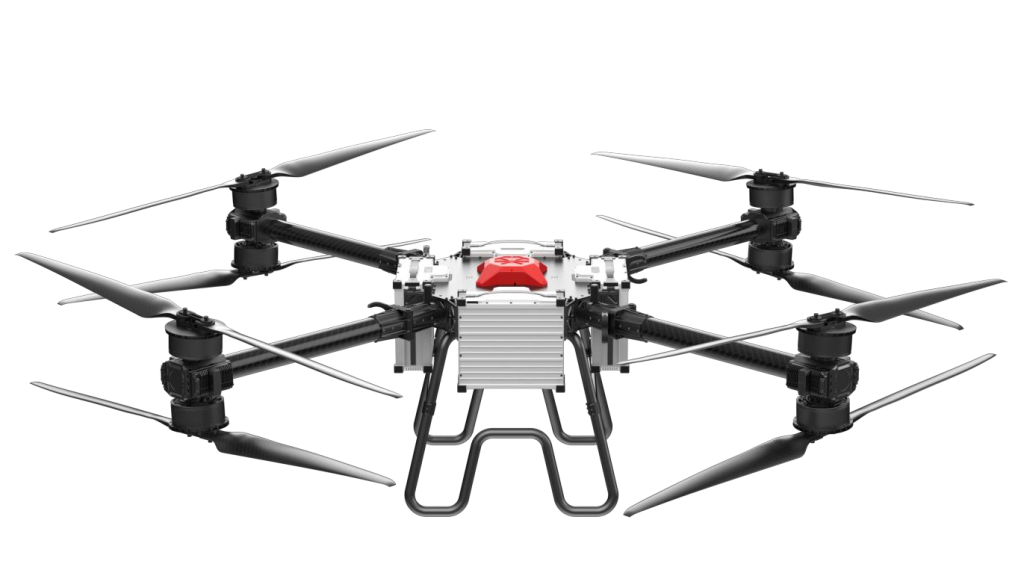
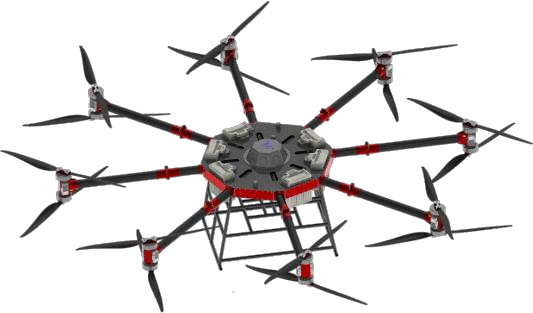
The transformation of the conventional transport sector is highly impacted by the gradual development of the industrial drone technology. Drones have progressed from being limited to research or entertainment use to slowly but surely becoming a primary player in logistics, industrial, and emergency transportation. This article outlines 5 practical application scenarios for transport drones, fully demonstrating the value of drones in the transportation industry.
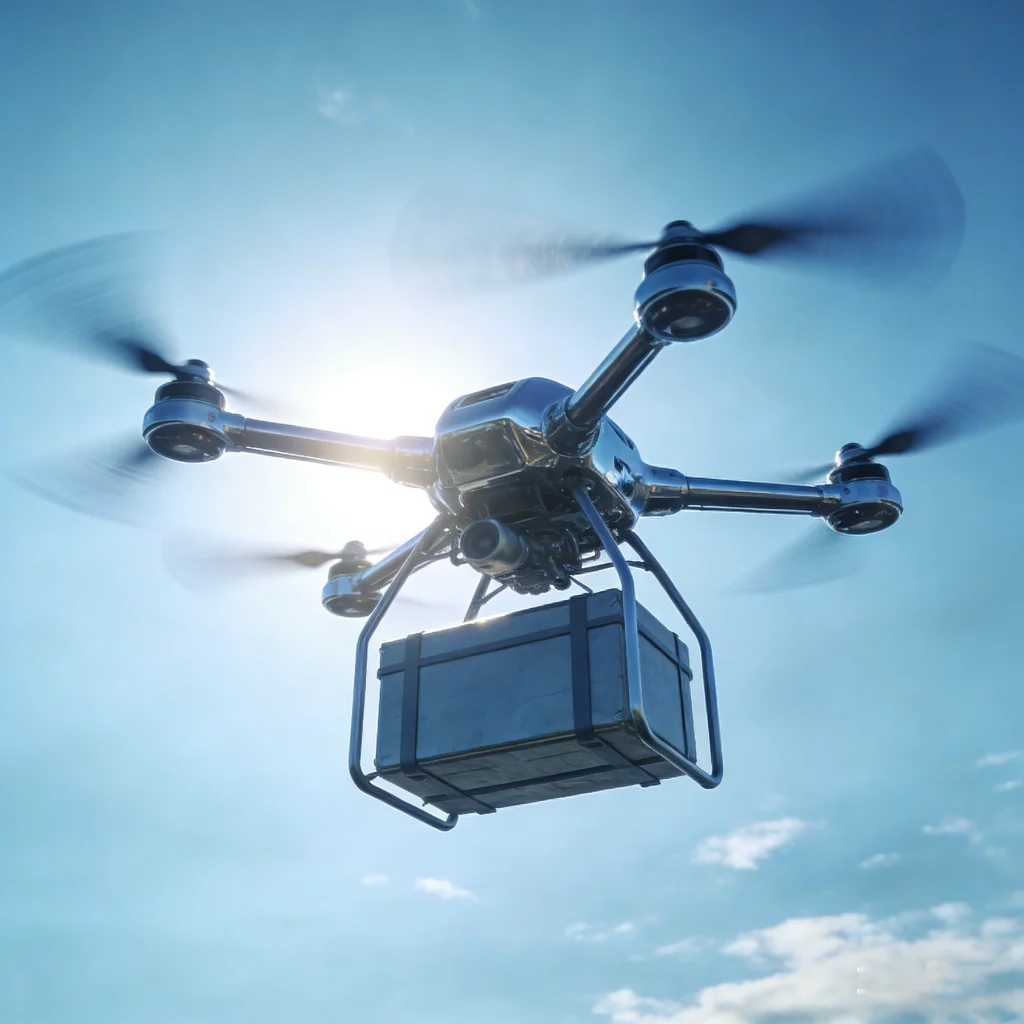
① Low-altitude Delivery and Last-mile Delivery
The use of drones and eVTOLs for low-altitude cargo transportation is limited to the airspace below 1,000 meters. The drones pick up the packages from the distribution centers after receiving them and navigate 3D flight paths to deliver the parcels directly to the customer’s doorsteps thereby actually achieving true point-to-point aerial delivery. This method bypasses ground traffic and overcomes spatial constraints by extending delivery services to the “last meter” from the “last mile.”
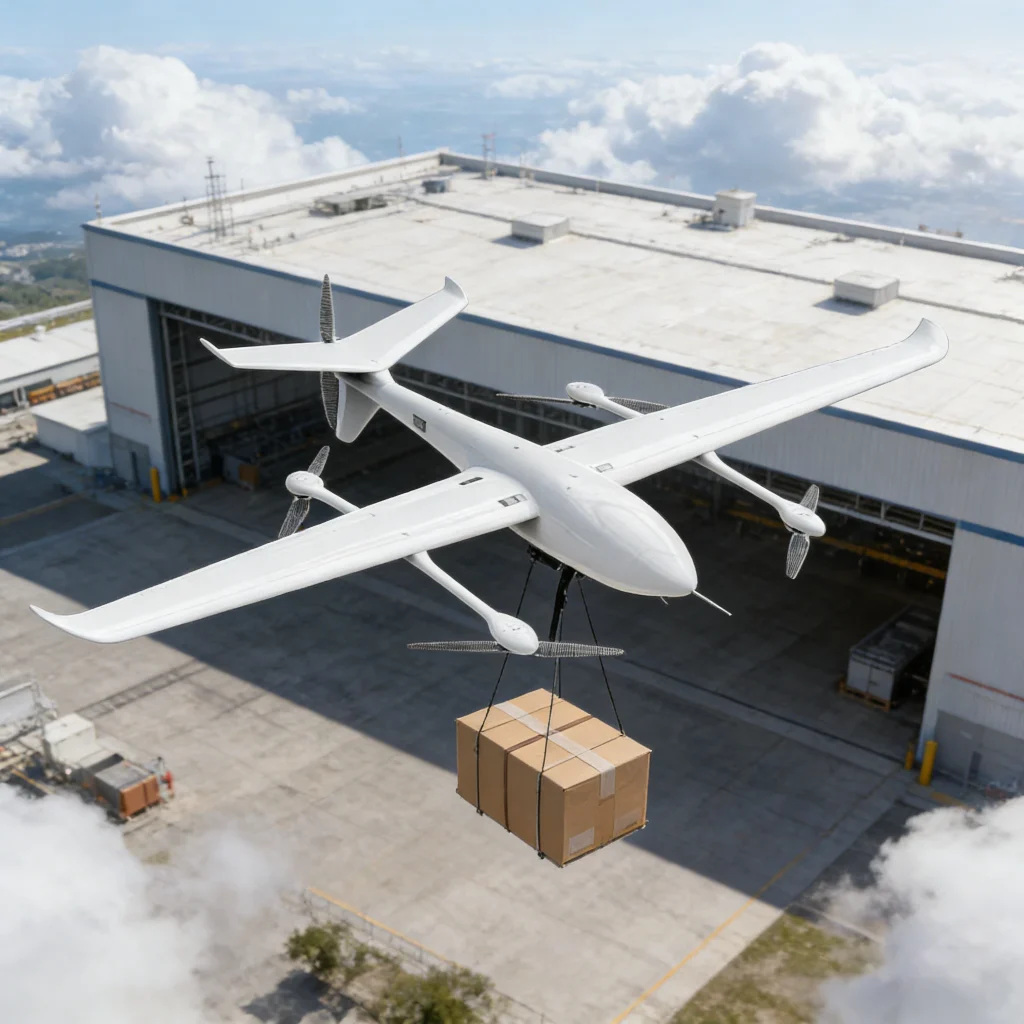
To achieve this, logistics companies carry out elaborate plans for the most favorable flight routes, resulting in drones that are able to deliver the packages very fast with minimal or no labor cost at all. Drones take care of every package in a timely manner regardless of the location, whether it is a remote area or a traffic-congested one. Sophisticated scheduling systems let the transport drones change their routes and adjust to new situations, which in turn enhances delivery speed for the overall customer experience. Also by means of low-altitude express delivery, companies not only get the most out of their logistics performance but also actively contribute to the emergence of the low-altitude economy.
② Intercity Logistics and Heavy Payload Transportation
Drones for transporting goods are slowly but surely being introduced to the intercity low-altitude logistics networks. In the Guangdong-Hong Kong-Macao Greater Bay Area, a logistics drone managed to complete a journey of about 82.9 kilometers in around 55 minutes and it was carrying live fish from Tangjia Port in Zhuhai to EHang Future City in Guangzhou. This trip was much longer than conventional road transport. The flight was about 60% more efficient than ground transportation, thus showcasing the possibility of using drones for logistics over long distances and multiple cities.
Currently, logistics companies are looking at drone corridors for intercity transportation of goods like fresh produce and medical samples, thus guaranteeing faster delivery between urban and industrial centers. Not only do such operations result in shorter transportation times but they also lead to reduced logistics costs, thereby uncovering the potential of low-altitude cargo flights and facilitating the development of new freight solutions.
③ Medical and Emergency Cargo Transportation
Drones for transport have been integrated immediately into the supply chain of the urgent medical supplies for firms and hospitals. Drones carrying blood samples, vaccines, or emergency medicine are taking off from hospitals or logistics centers and going straight to hard-to-access places or those clogged with heavy traffic. This way, the critical supplies are delivered to their respective destinations as fast as possible.
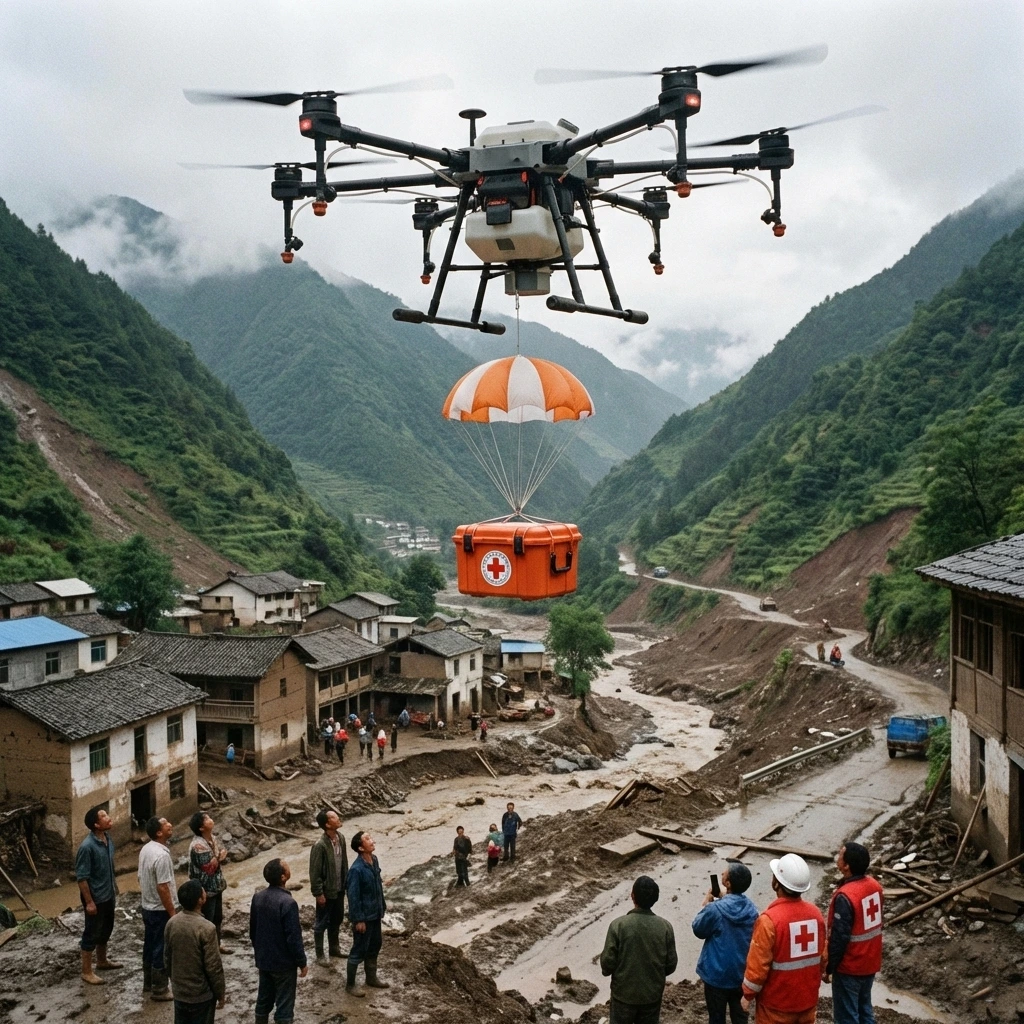
The rescue teams use drones that are already on-site in case of natural disasters or emergency incidents to supply people who are in need with air drops, so they receive help immediately. Drones have the ability to change their mode of operation according to the complexity of the environment and the unexpectedness of the situation, so they keep a safe and efficient transport while at the same time making a great contribution to the improvement of public safety and healthcare services. The use of drones in a proactive manner by medical institutions leads to the speeding up of the turnover of essential materials and the provision of reliable aerial support for emergency response.
④ Industrial and Energy Cargo Transportation
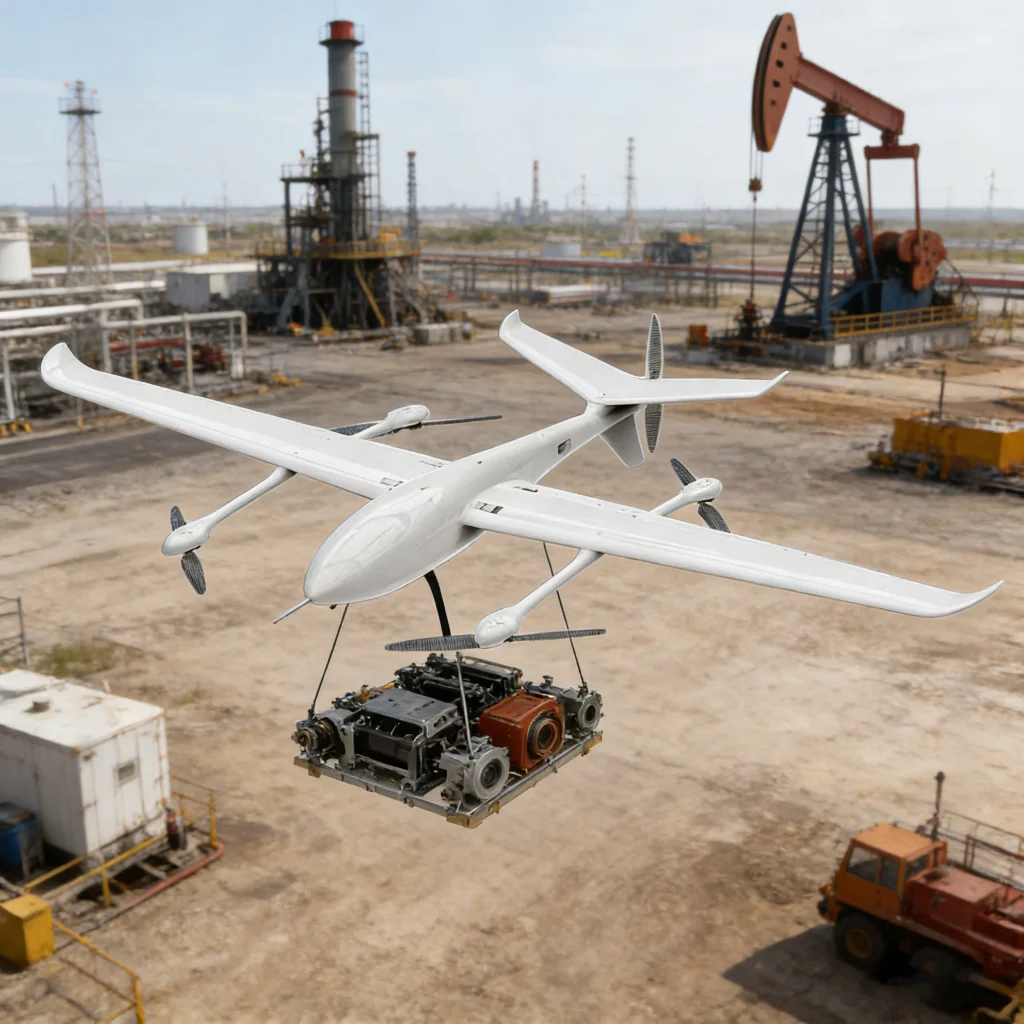
Drone systems in the industry are now becoming the norm for tool, spare part, and emergency supply deliveries in oil fields, mining sites, wind farms, and offshore platforms, which are considered as complex or high-risk environments. The drones, after taking off from the central warehouse, fly straight to the working site without passing through the difficult and dangerous areas. The logistics team works out the routes and weights of the cargo very carefully, so the drones will be carrying the most crucial materials in a very efficient and safe manner. With the introduction of drones, companies are able to do less manual work at the site, lower their operational risks, and have supplies coming in without any stoppages; all this while the costs of operations are considerably reduced and the overall productivity of the industry is improved.
⑤ Aerial Inspection and Auxiliary Transport
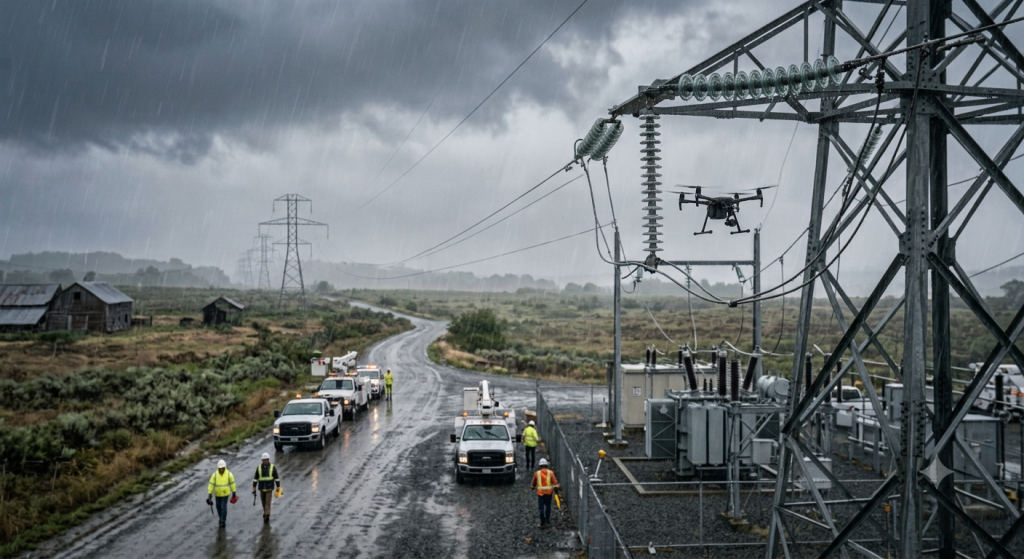
Operators have drones in their workflows mainly for the purpose of inspections and transport. Drones are making aerial inspections in the power lines, railways, or pipelines areas and the small tools or urgent components are taken to the inspection spots by the drones. Teams are using drones simultaneously for delivery and monitoring tasks, therefore, human intervention is reduced and safety during the operations is increased. Drones can maneuver through difficult places without the help of humans, respond to unexpected situations and offer instant help when they are needed. Organizations through combining transport and inspection capabilities are able to optimize the allocation of resources, speed up maintenance processes and have rapid response in critical situations.
Limitations in the Development of Transport Drones
Drones for transport, which offer a revolutionary breakthrough, are nevertheless still subject to several limitations, and companies have to take these drawbacks into account. The existing battery and payload limitations simultaneously reduce the flight range and the amount of goods that can be transported thus hindering the operations that would otherwise be large-scale or long-distance.
Heavy rains, strong winds as well as poor visibility are examples of adverse weather conditions that can lead to the interruption of flights and thus cause an issue of reliability. In several places, the legal and regulatory aspects of this technology and its management in the airspace continue to be complicated, which means that the operators are obliged to get the necessary approvals and abide by the stringent safety measures.
Moreover, the drones’ high initial cost, together with the cost of maintenance and the construction of the proper infrastructure, might be an obstacle to their large-scale adoption. If the organizations are aware of these restrictions and if they plan their activities accordingly, then the transport drone solutions can be implemented not only more effectively but also quicker thus making a gradual and safe transition to a low-altitude logistics ecosystem that is efficient in terms of both cost and time.
Related Products