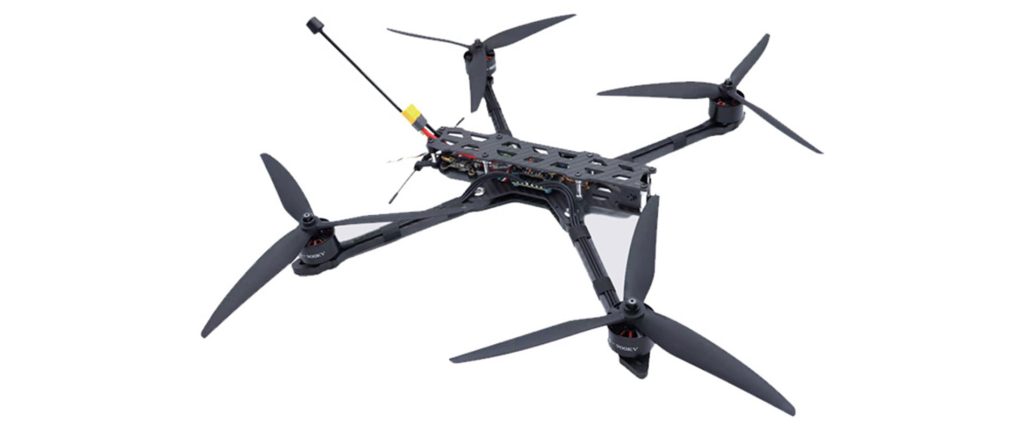
How Can Drones Improve Security? 5 Main Ways

In today’s era of rapid digitalization and intelligent transformation, security management is evolving from “passive defense” to “proactive prevention.” Traditional security systems mainly rely on fixed surveillance cameras, perimeter fencing, and manual patrols. While they have played an important role over the past decades, they still face significant limitations in large-scale environments, complex terrains, and emergency response situations.
How can drones improve security? How exactly are drones reshaping modern security models? In this article, we will provide you with a comprehensive and detailed explanation.
Limitations of Traditional Security Systems
Before moving on to how drones can improve security, it is necessary to identify the challenges that traditional security systems face in a clear way. Although fixed surveillance systems, infrared alarm systems, and manual patrolling have been the basis for traditional security systems for a long time, their shortcomings have been recognized, especially when it comes to large areas or high-risk areas.
1. Limited Monitoring Coverage
Fixed surveillance systems have fixed positions for installation, which also have fixed viewing angles. These viewing angles or areas of surveillance are limited to a certain extent due to physical obstructions. In large areas such as industrial parks, power plants, oil refineries, gas plants, etc., it is quite difficult to ensure complete coverage without any blind spots when it comes to ground-based surveillance systems.
When building layouts are complex or obstructed, blind spots become even more problematic. If an incident occurs in these areas, it may not be captured immediately or completely.
2. High Labor Costs
Traditional security systems heavily depend on manual patrols. Organizations will need to deploy a large number of security personnel to carry out routine checks, especially during the night or when there is extreme weather such as a heatwave, rain, or freezing weather.
In such conditions, routine checks using human patrols may not be as efficient and may compromise the safety of the personnel. As time goes by, the frequent patrols will result in high operational costs.
3. Slow Emergency Response
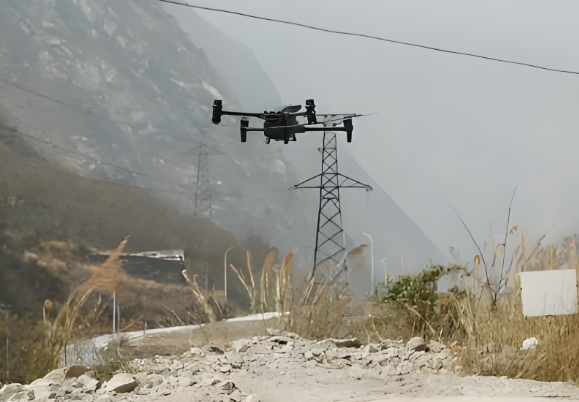
There is a need for a response time from the security personnel or the patrol car in the event of an intrusion, equipment failure, or accident. The response time is considerable in a large facility or a rugged terrain. As a result, the chances of responding in time are missed.
In addition, the verification of information may require multiple checks because of poor visibility.
4. Lack of Three-Dimensional Surveillance
Traditional systems mainly provide “flat” ground-level monitoring and lack an aerial perspective. Places such as rooftops, elevated areas, outer perimeter areas, and rear areas of buildings often lack adequate surveillance.
In today’s complex environment, it is no longer possible to fulfill the demands of a comprehensive, all-weather, multi-dimensional security requirement just through ground-level surveillance.
It is in this context that drones have started to find their way into the domain of security, becoming a major driving force behind the transformation of modern security systems.
How Can Drones Improve Security?
Here we focus on the core capabilities and practical value of drones in modern security systems. From aerial surveillance and rapid response to intelligent early warning, we will explore how drones enhance security efficiency and enable a more proactive, three-dimensional, and intelligent security model.
1. Real-Time Aerial Surveillance
One of the key advantages of drones in the security field is their ability to provide real-time aerial surveillance. Unlike fixed cameras with static viewing angles, drones can overlook target areas from above and conduct flexible, dynamic patrols.
Through pre-programmed flight routes or remote control, drones can quickly cover industrial parks, factories, or large facilities, performing 360° inspections while transmitting high-definition video footage back to the command center in real time. Security managers can monitor live feeds, zoom in on details, and identify suspicious activity without physically being on site.
Their core advantages include:
- Rapid coverage of large areas, improving patrol efficiency
- Reduction of blind spots, compensating for the limitations of ground cameras
- High-definition gimbal cameras with night vision or thermal imaging for all-weather monitoring
- Integration with security platforms for centralized remote management
Overall, with their high mobility and aerial perspective, drones serve as a powerful complement to traditional security systems, enabling more comprehensive and three-dimensional security coverage.
2. Rapid Emergency Response
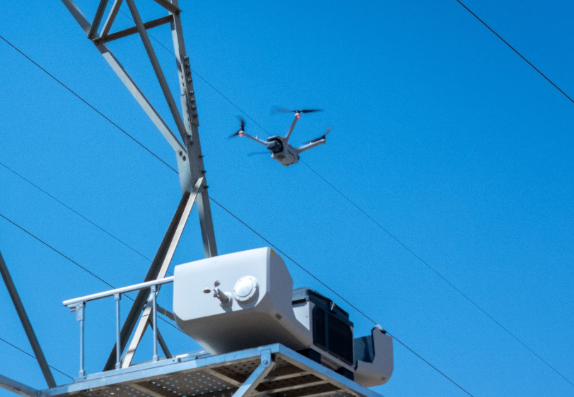
Drones offer significant advantages in emergency response. Compared to manual patrols or vehicle deployment, emergency drones can typically take off within minutes and quickly reach the alarm location, greatly reducing response time.
Typical application scenarios include detecting illegal intrusions, monitoring the early stages of a fire, inspecting damaged fences or perimeter breaches, and handling unexpected incidents during large-scale events. In large facilities or complex terrains, drones can arrive on site immediately and provide a real-time aerial view of the situation.
In addition, during the early stage of an incident, with the help of high-definition images or thermal images transmitted by the drone, it is possible to quickly evaluate the level of risk and development of the situation. It is then possible to decide whether to dispatch people or whether it is necessary to mobilize other departments. Such an approach is believed to greatly improve the efficiency of emergency response.
3. Perimeter Security Patrol
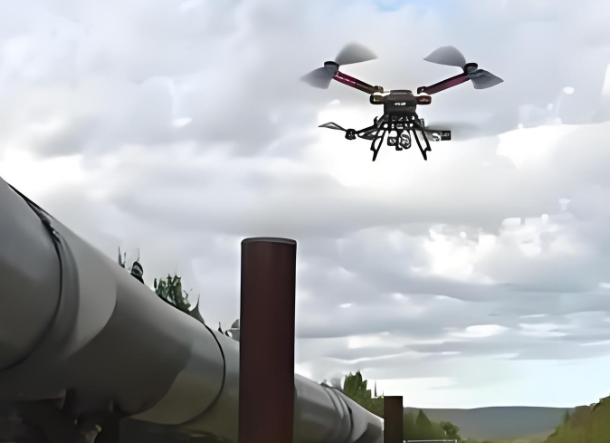
Drones have shown evident advantages in the application of large-scale and long-distance perimeter protection missions. For example, in the case of industrial parks, power plants, oil and gas pipelines, ports, logistics, and construction sites, the traditional methods of manual patrol, although useful, can be quite time-consuming and labor-intensive, making it difficult to conduct regular patrol missions at high frequencies.
By establishing the routes for the automated flight, drones can be used for the regular patrol of the perimeters, continuously monitoring the conditions of the fences, pipelines, and other important areas, and responding to any abnormal conditions by sending out alerts and live videos to the control room for immediate examination.
The application of the automated patrol method can help save labor costs while increasing the efficiency of the patrol missions.
4. Thermal Imaging Security
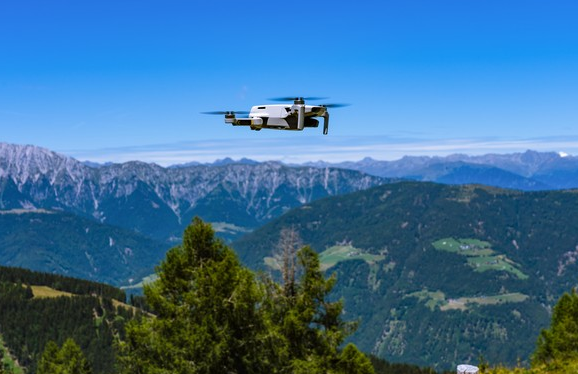
Drones with infrared thermal imaging devices are capable of working during night time or under low-visibility conditions. Unlike other cameras, these do not depend on visible light to spot or identify targets.
The main advantages of using infrared thermal imaging devices are that they are capable of spotting or detecting individuals or objects that may be hidden or located in shaded areas or behind other obstacles. It is also capable of detecting overheating of electrical appliances or equipment, which could be an early warning of fire. Additionally, it is able to work during harsh weather conditions.
In the field of security, thermal imaging technology is useful for efficient working during night time. It is capable of improving the capabilities of intelligent security systems.
5. AI-Powered Intelligent Recognition and Automatic Alerts
With the rapid development of AI technology, security drones are no longer simple image capture devices but smart security drones that can analyze the captured images in real-time by using AI algorithms, which will greatly improve the proactivity of security surveillance.
The main functions of security drones may include human identification, identification of individual features, vehicle identification, license plate recognition, abnormal behavior identification, alert notification, and tracking.
With AI integration, drones are no longer just “flying cameras.” Instead, they become an active part of an intelligent security management system, capable of issuing early warnings at the initial stage of potential risks, reducing the need for manual monitoring, and improving overall response efficiency and system intelligence.
Typical Industry Applications of Drone Security
With the continuous advancement of technology, drone-based security solutions have been adopted in a wide range of industries, becoming a part of modern-day security management.
1. Industrial Facilities
Large industrial facilities, such as factories, power plants, petrochemical bases, and energy facilities, tend to have vast areas, dense equipment, and high-risk operations. With drones, frequent patrol inspections can be carried out, including checking equipment conditions, to reduce the risks for individuals to enter hazardous areas while increasing safety levels.
2. Critical Infrastructure
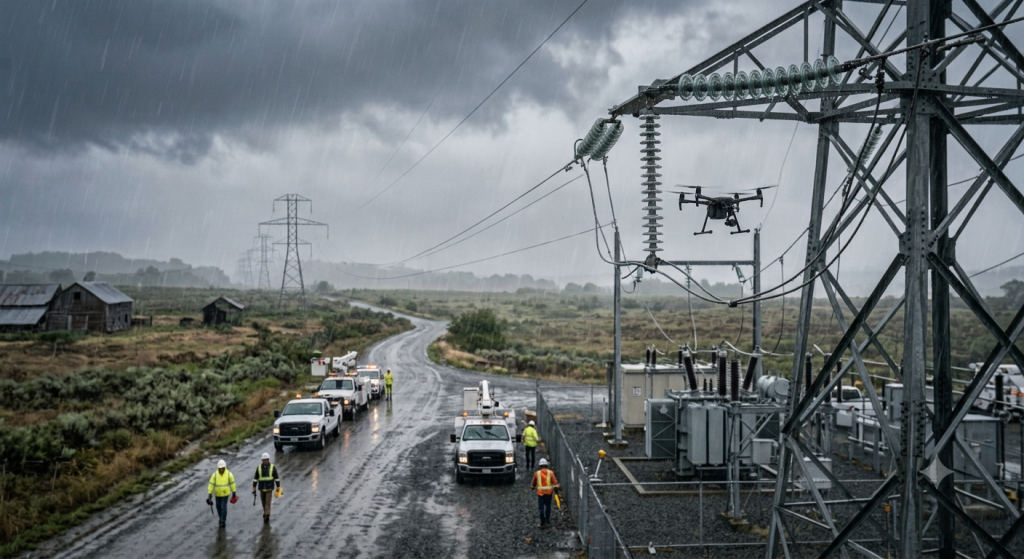
Bridges, substations, communication towers, and water conservancy facilities are all critical infrastructures that play a crucial role in the safety and stability of society. These areas require a high level of security. Drones play an important part in providing this security through the monitoring of structural conditions, potential damage from the outside environment, and any potential criminal activity.
3. Border and Coastal Surveillance
Drones have a long flight endurance and a long operational range. This means they can be used for monitoring areas that cannot be easily accessed through traditional means. They are best used for border and coastal monitoring. They can be used for the detection of illegal activities through video transmission and thermal imaging.
4. Large-Scale Event Security
In large-scale events such as sports games, concerts, or exhibitions, crowd density and various complex factors create a complex security environment. With their ability to offer a bird’s-eye view, real-time observation of crowd movements, as well as crowd density analysis and abnormal behavior detection, drones play a role in event security.
5. Smart City Development
In smart city construction, drones can integrate with IoT networks as well as AI technologies to realize data sharing and coordinated operations. In this way, drones play a role as an important node in urban security systems, thus accelerating the development of digital and intelligent cities.
Comparison Between Drone Security and Traditional Security
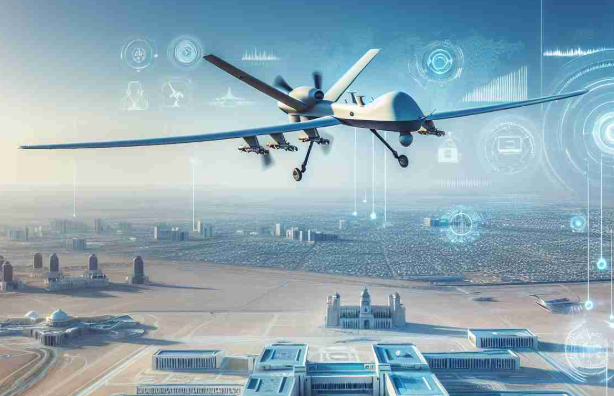
As security management continues to evolve, comparing drone-based security with traditional security systems helps clarify their differences and respective advantages. Traditional security primarily relies on fixed equipment and manual patrols, while drone security is characterized by mobility, intelligent capabilities, and an aerial perspective.
By examining key dimensions, we can better understand the role of drones in modern security systems.
| Comparison Dimension | Traditional Security | Drone Security |
| Coverage Range | Fixed viewing angles, dependent on camera placement | Mobile patrols with flexible flight paths |
| Response Speed | Relies on personnel or vehicles, relatively slow | Rapid takeoff and quick deployment |
| Blind Spots | Monitoring blind spots exist | Aerial perspective significantly reduces blind spots |
| Labor Cost | Long-term reliance on manpower | Automated patrols, lower long-term costs |
| Night Capability | Limited by lighting conditions | Supported by thermal imaging for enhanced night performance |
It is clear that drones are not meant to completely replace traditional security systems. Instead, they complement fixed surveillance infrastructure and ground security forces, forming an integrated, multi-layered security network that enhances overall safety management effectiveness.
Key Factors to Consider When Choosing Security Drones
When developing a drone-based security system, it is necessary to consider performance specifications as well as environmental adaptability, aside from general performance. In industrial-grade drones, for instance, it is necessary for a drone to operate for a long time in a complex environment.
1. Flight Endurance
Flight endurance directly affects patrol efficiency and coverage range. The longer the flight time, the more tasks a drone can complete without frequent battery replacements or landings. For large industrial parks or long-distance perimeter patrols, extended endurance is essential.
2. Video Transmission Stability and Encryption
In the case of security, the need for the transmission of video in real-time and in a secure manner is important. A secure data link is important to ensure that the command center is not delayed in viewing the conditions at the site. In addition, the need for high-grade encryption is important to ensure that the signals are not interfered with.
3. Protection Rating (e.g., IP Rating)
The protection rating determines a drone’s ability to operate in rain, dust, humidity, and other harsh conditions. A higher IP rating indicates stronger resistance to environmental factors, improving durability and service life.
4. Wind Resistance
Outdoor security operations often involve windy conditions. Strong wind resistance ensures flight stability and clear image capture, which is particularly important in coastal areas, mountainous regions, or high-altitude inspection tasks.
5. Low-Temperature Operating Capability
For cold climates or winter operations, drones must be capable of reliable startup and stable performance in low temperatures. Battery efficiency and motor performance under extreme cold directly impact mission success.
6. Automatic Patrol Capability
Automatic patrol functions allow drones to follow predefined routes on a scheduled basis, reducing manual workload and improving consistency in inspections. This feature is a key component of intelligent security management.
7. AI-Powered Recognition System
The use of drones that carry an AI-powered recognition system allows for the identification of humans, vehicles, and even abnormal behaviors, thereby making the drones not just monitoring devices, but also alerting devices.
Thus, in the context of industrial-grade security, the drones must not just be capable of flight, but also be capable of providing stability in equipment and adaptability in the environment, making the equipment stability and environmental adaptability important factors in the choice of the drones.
Why Are Industrial-Grade Drones More Suitable for Security Applications?
In industrial security environments, conditions are often complex and demanding, requiring high levels of stability and reliability. Consumer-grade drones, mainly designed for photography or recreational use, usually lack the endurance and environmental adaptability needed for long-term security operations.
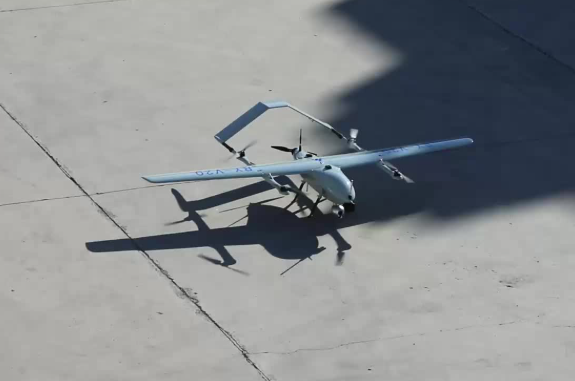
Industrial-grade drones offer stronger wind resistance, longer flight time, and higher payload capacity for carrying equipment such as thermal cameras or multi-sensor systems. Many models can operate in temperatures as low as -20°C or below and feature stable long-range video transmission for reliable remote monitoring.
These advantages make industrial-grade drones better suited for complex environments and critical infrastructure security tasks, serving as a dependable solution for professional security systems.
VastArrive: Reliable Industrial Drone Solutions for Modern Security
As modern security systems continue to evolve, industrial-grade drones have become essential tools for enhancing safety, efficiency, and response speed. VastArrive specializes in industrial drone solutions, delivering reliable aerial security support for energy facilities, industrial parks, critical infrastructure, and other large-scale environments.
Its drone systems offer long endurance, strong wind resistance, secure encrypted transmission, as well as thermal imaging and intelligent detection capabilities. Designed for complex and extreme conditions, VastArrive helps organizations build smarter, more efficient security frameworks and achieve precise risk management.
In today’s increasingly demanding security landscape, reliable industrial drone solutions are becoming a key driver of modern security upgrades.
Related Products