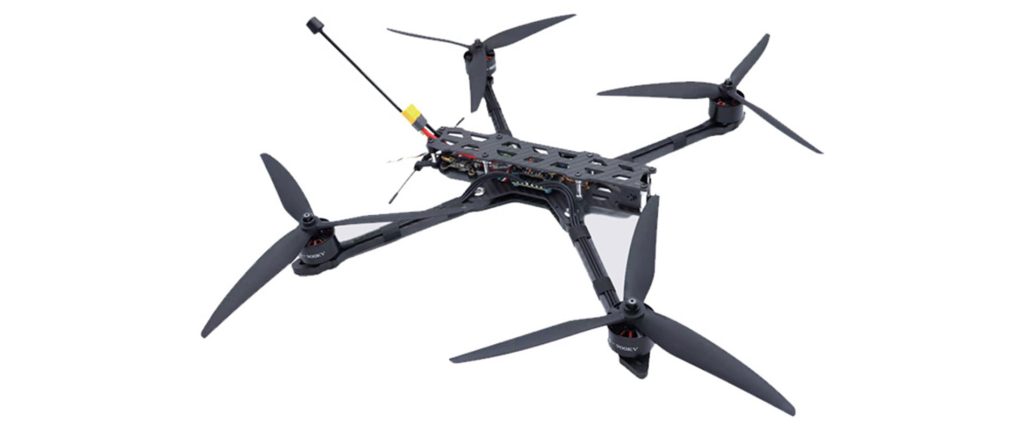
How to Reduce the Cost of Drone Roof Inspections by 50%

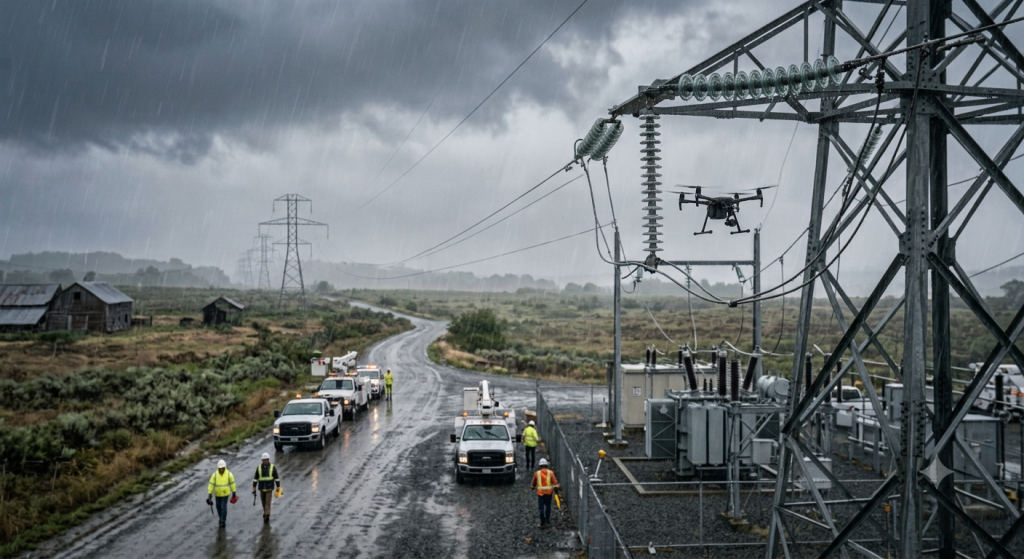
As drone technology has become more advanced and common, construction and insurance and property management companies now use drones to perform roof inspections instead of traditional manual methods. The drone roof inspection market achieved a value of $2.69 billion in 2024 according to industry analysis data from market research firm WiseGuy Reports and it is expected to expand to $6.5 billion by 2035 which results in a compound annual growth rate of approximately 8.4%. The industry maintains ongoing growth because businesses need to improve their efficiency and decrease their operational expenses.
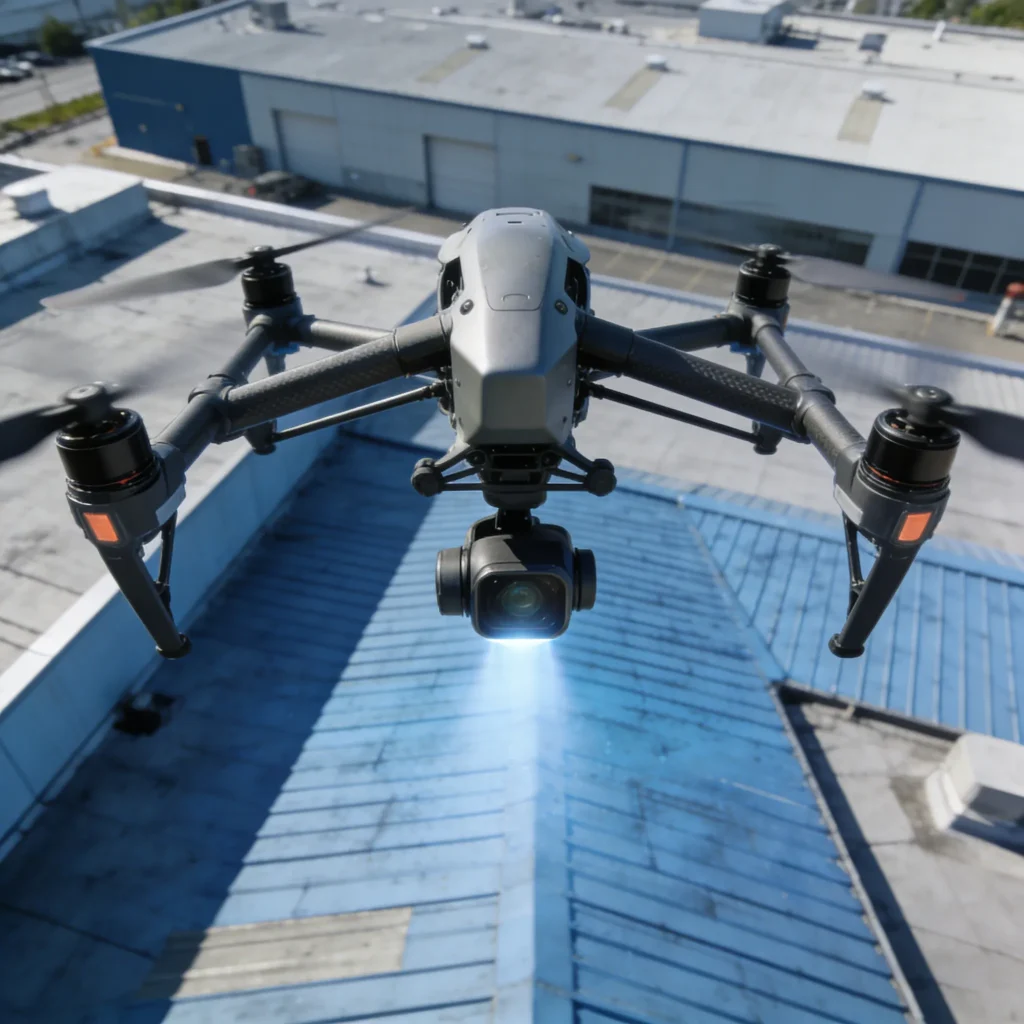
The Real Cost Issues of Traditional Roof Inspection
Traditional roof inspections require assessment expenses that extend beyond basic inspection charges. The actual expenses typically consist of the following components, and these costs often add up to far more than most people expect:
Labor Costs and Professional Labor
Roof inspectors who use traditional methods need to ascend roofs for their visual assessments. The standard inspection fee for residential roofs with flat designs or straightforward access points ranges from $75 to $200. The labor expenses for commercial roofs increase significantly when the roofs become larger and steeper and more complicated. The inspection process requires additional time because of complex roof conditions which need complete documentation and specialized skills.
The total cost of professional inspection services increases because their operations include both on-site data processing and their requirement for additional staff work and technical assessment services.
On-site Access Equipment and Safety Support
Traditional methods require equipment which includes ladders and scaffolding and lifting platforms to achieve safe operation. The costs of equipment setup, transportation, on-site support, and safety management are often not fixed—in some commercial or high-risk projects, these expenses can reach hundreds of dollars or even higher. The actual contractual evidence demonstrates that scaffold erection and dismantling work establishes a cost range of more than $200. The requirement for additional safety supervision and protective measures increases inspection personnel safety costs which include both labor and insurance expenses.
Time Consumption and Efficiency Impact Costs
The roof inspection process requires inspectors to inspect multiple sections of the roof because traditional methods need inspectors to inspect all parts of complex roofs which common roof systems and multi-story buildings use. The operational expenses increase because this inspection method takes more time than drone roof inspections while also disrupting work schedules.
How Drone Roof Inspections Can Significantly Reduce Costs
The drone roof inspection market experiences its primary growth driver because customers save money through the technology which leads to 50% lower operational expenses than standard roof inspection methods.
Reduce On-site Equipment and Access Costs
Inspectors need ladders or scaffolding or aerial work platforms to conduct safe roof inspections. The rental, transportation, and setup costs of this equipment can add hundreds of dollars or more to each project. Roof inspections with drones need only the drone body and sensors for operation because they do not require scaffolding or aerial work platforms, which results in direct cost savings. The primary reason for reduced expenses in drone inspections stems from decreased requirements for equipment and field personnel.
Significantly Reduced Labor Costs
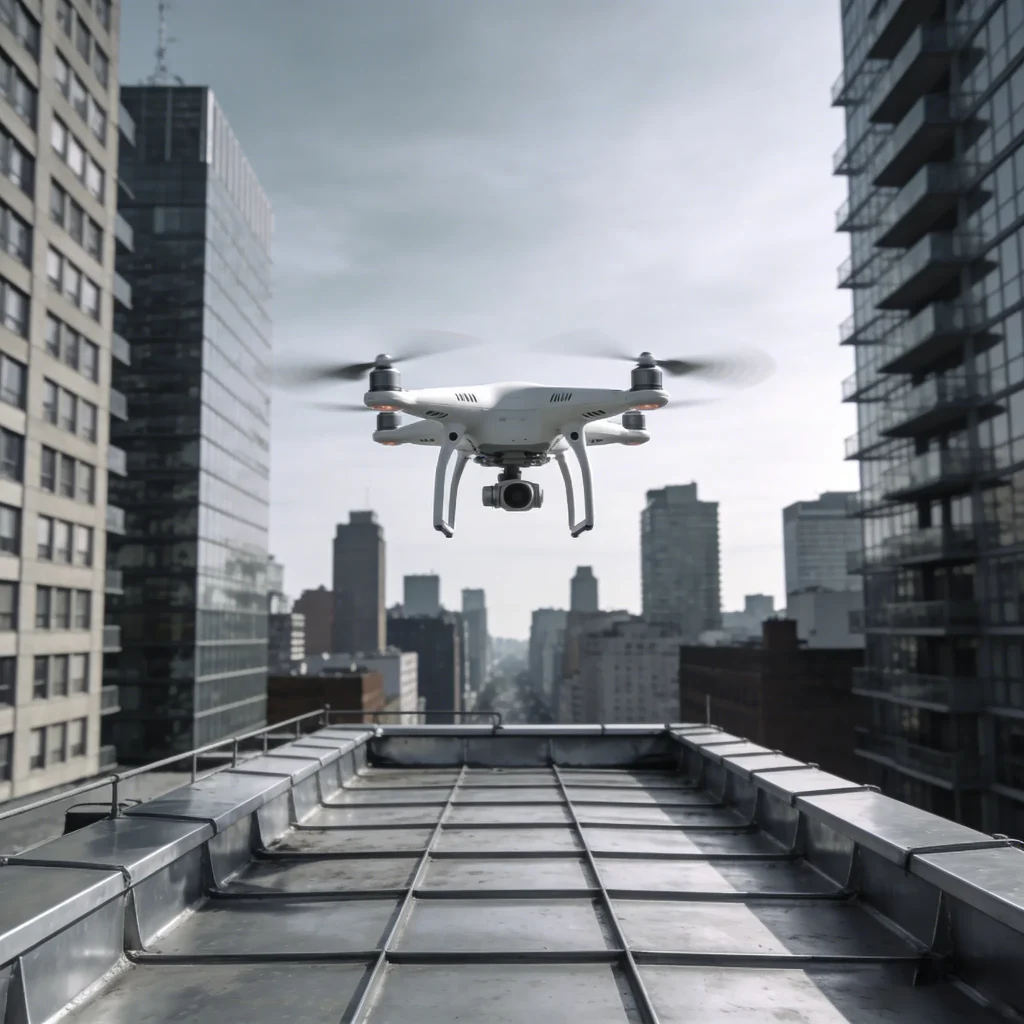
Traditional inspections require multiple technicians for on-site inspections and safety supervision, but drones only require one operator; all other work is done on-site. Drones can complete roof scans within a brief duration which leads to decreased on-site staffing requirements and decreased work hours that result in lower on-site labor expenses. Industry market forecasts indicate that this model can help reduce the overall labor costs of inspection services by nearly 50%, with a particularly significant advantage in the inspection of large commercial buildings and complex roofs.
Reduced Inspection Time Costs
Drones can quickly cover the entire roof area, eliminating the need for manual climbing and positioning, significantly reducing on-site inspection time. According to industry data:
| Inspection Type | Traditional Inspection | Drone Inspection |
| Small Roof | Several hours | 10–20 minutes |
| Large / Commercial Roof | 1–3 days | 30–90 minutes |
Reducing inspection time means that the same human resources can accomplish more tasks, thereby further improving output efficiency per unit time and achieving lower unit inspection costs.
Reduced Risk and Insurance Costs
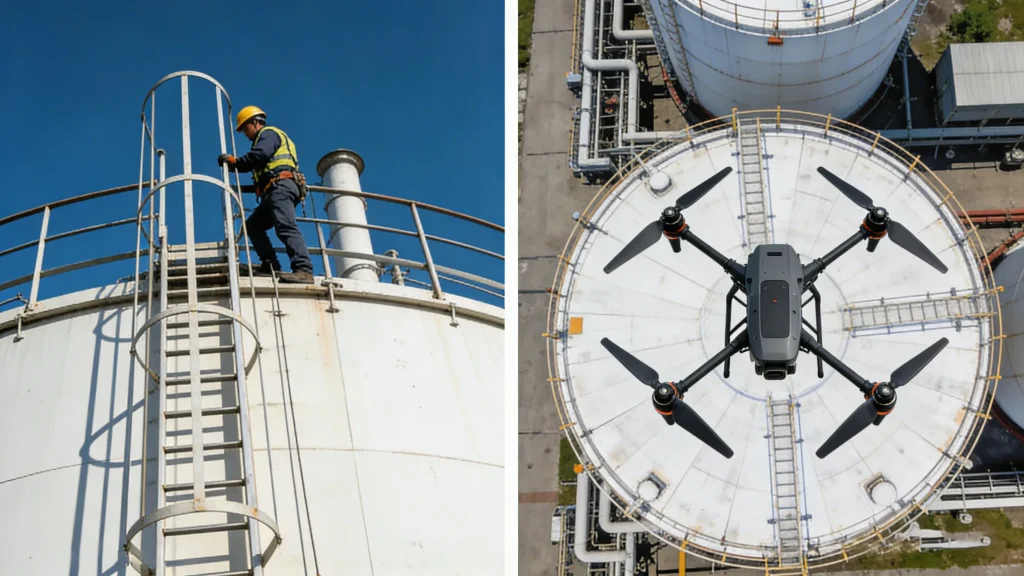
Drone roof inspections eliminate the safety hazards that arise from workers performing their duties at elevated locations because this procedure protects workers and their associated costs while decreasing on-site accidents. The analysis of current industry trends demonstrates that companies experience reduced claims costs and decreased workers’ compensation expenses because their employees sustain fewer accidents which occur at elevated heights. The organization experiences substantial cost reductions because risk management practices lead to both immediate and extended financial benefits.
Earlier Detection of Hidden Damage, Avoiding Large Repair Costs
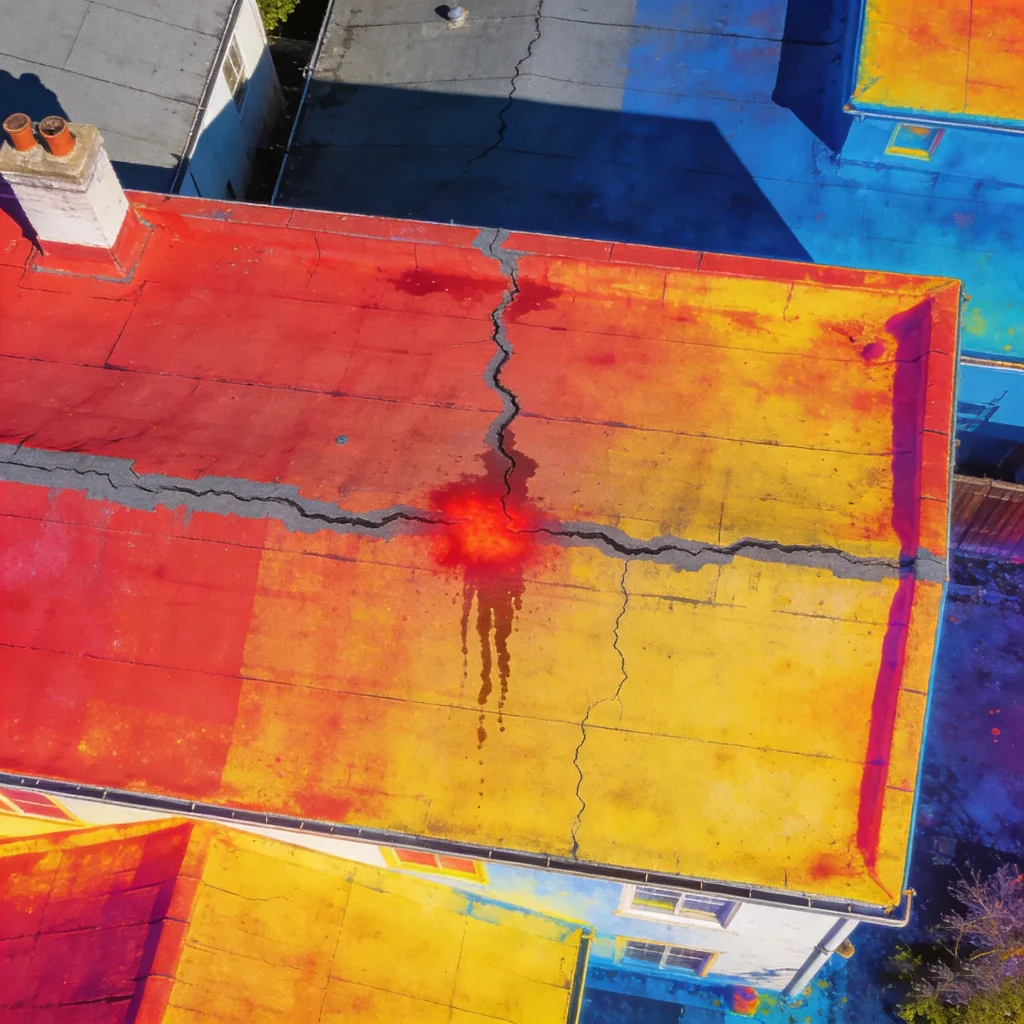
Drones use their high-definition and multispectral sensors to discover roof cracks and leaks and insulation defects which are typically impossible to detect through manual methods. Customers save long-term maintenance expenses throughout the building maintenance period because early problem detection enables them to conduct maintenance before their issues escalate into costly repairs. The combination of these factors establishes drone inspection as a vital cost-saving solution which drives current market expansion in the roof inspection sector of the industry.
Comparison of Actual Costs
| Cost Category | Traditional Roof Inspection | Drone Inspection |
| Labor Cost | $800–$2,500 | $200–$800 |
| Equipment & On-Site Support | $300–$1,000 | $0 |
| Safety Risk Cost | High | Low |
| Inspection Duration | Several hours to several days | 30–90 minutes |
| Total Cost | $1,500–$5,000 | $300–$1,500 |
According to the industry conclusions from WiseGuy Reports, drone roof inspections can reduce the total inspection cost by approximately 50% or more.
Conclusion
The inspection industry gains three benefits from drone technology which makes inspections safer and faster and more affordable for inspection companies.
The ongoing advancements in drone technology which include improved camera systems and artificial intelligence analysis and automated processes will continue to drive down operational expenses. Drone roof inspection has become the new industry standard for inspection companies and insurance providers and property owners.
Related Products