ROI of Using Drones for Environmental Monitoring

Environmental monitoring in the past depended on manual work because it required workers to carry bulky equipment which caused delays in data collection and raised operational expenses. Organizations are developing solutions which provide safer operations and faster results while reducing their environmental costs because global environmental problems keep growing.
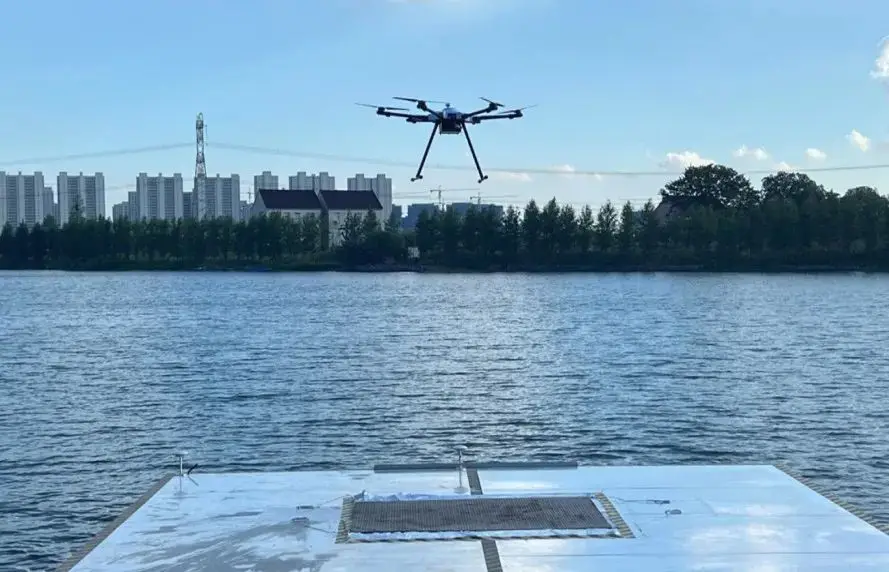
The use of drones for environmental monitoring will become a standard practice by the year 2026. The question exists whether drones provide better return on investment than existing traditional methods. VastArrive has confirmed this through multiple case studies which showed both financial advantages and operational benefits.
What Is ROI in Drone Environmental Monitoring
Users often evaluate the value of drone deployment using Return on Investment (ROI), comparing operating costs with implementation expenses.
At its core, ROI can be understood as:
ROI = (Total Benefits – Total Costs) / Total Costs
Drone monitoring offers the following key advantages:
- Automation reduces human resource costs.
- The system enables organizations to gather information more quickly, leading to more efficient decision-making.
- Multispectral, thermal imaging, and LiDAR sensors provide accurate data results while maintaining high precision.
- Safety is improved by reducing the need for personnel to enter hazardous work areas.
- Monitoring can be extended to remote or hard-to-reach areas.
The cost of drone environmental monitoring includes all expenses related to hardware acquisition, sensor procurement, software development, training programs, maintenance activities, and regulatory compliance.
Key Costs of Drone Environmental Monitoring
The cost structure for drone environmental monitoring requires understanding because it serves as essential information for determining return on investment. Studies demonstrate that although initial expenses for drone-based monitoring systems are high, these systems provide operational savings between 30% and 70% when compared to conventional monitoring methods.
| Cost Category | Details | Typical Cost Range | Key Insight |
| Drone Hardware | Industrial-grade UAVs for mapping, inspection, and monitoring | $1,500 – $50,000+ | Higher-end drones improve accuracy and lifespan, reducing long-term costs |
| Sensors & Payloads | Multispectral, thermal, LiDAR, gas sensors | $3,000 – $50,000+ | Sensors can account for 40%–60% of total system cost |
| Software & Data Processing | Mapping software, AI analytics, cloud platforms | $500 – $5,000/year | Automated processing improves efficiency by up to 50% |
| Training & Certification | Pilot training, licensing (e.g., FAA Part 107) | $200 – $1,500 per operator | Reduces operational errors by 20%–30% |
| Maintenance & Operations | Batteries, spare parts, repairs | ~10%–15% of hardware cost annually | Preventive maintenance reduces downtime and failure risk |
| Regulatory & Compliance | Permits, insurance, legal compliance | Varies by region | Non-compliance can lead to fines from hundreds to thousands of dollars |
Studies show that drone monitoring can reduce operational costs by 30%–70% over time compared to traditional methods.
Drone vs Traditional Monitoring
When evaluating the ROI of environmental monitoring, cost is often the most critical factor. Drones significantly reduce both direct and indirect expenses compared to traditional manual monitoring.
| Cost Factor | Drone Environmental Monitoring | Traditional Manual Monitoring |
| Labor Costs | Extremely low (requires only 1 operator; high work efficiency) | High (Requires multiple inspectors for on-site investigation and sampling) |
| Operational Costs | Reduced (pure electric/hybrid electric, no equipment transportation or logistics required) | High (Manual on-site work requires vehicle, fuel, and equipment maintenance) |
| Data Collection Costs | Extremely low (all data can be collected in a single flight) | High (Typically requires multiple visits to collect a complete dataset) |
| Time Costs | Reduced (can be fully operational in a few hours) | High (Manual inspection is time-consuming and can delay analysis and decision-making) |
| Safety & Risk Costs | Extremely low (remote operation, no need for close personnel observation) | Potentially High (Accident, liability, and labor insurance costs) |
While initial drone investment may be higher, long-term savings from reduced labor, faster data collection, and lower risk make drones more cost-effective.
How to Maximize ROI from Drone Environmental Monitoring
The process of maximizing ROI from drone-based environmental monitoring requires two essential components because organizations must choose proper equipment while they need to enhance their operational procedures and fully utilize their technological resources. The following key strategies will help your business achieve its highest value through your investment.
1. Choose the Right Drone and Sensors
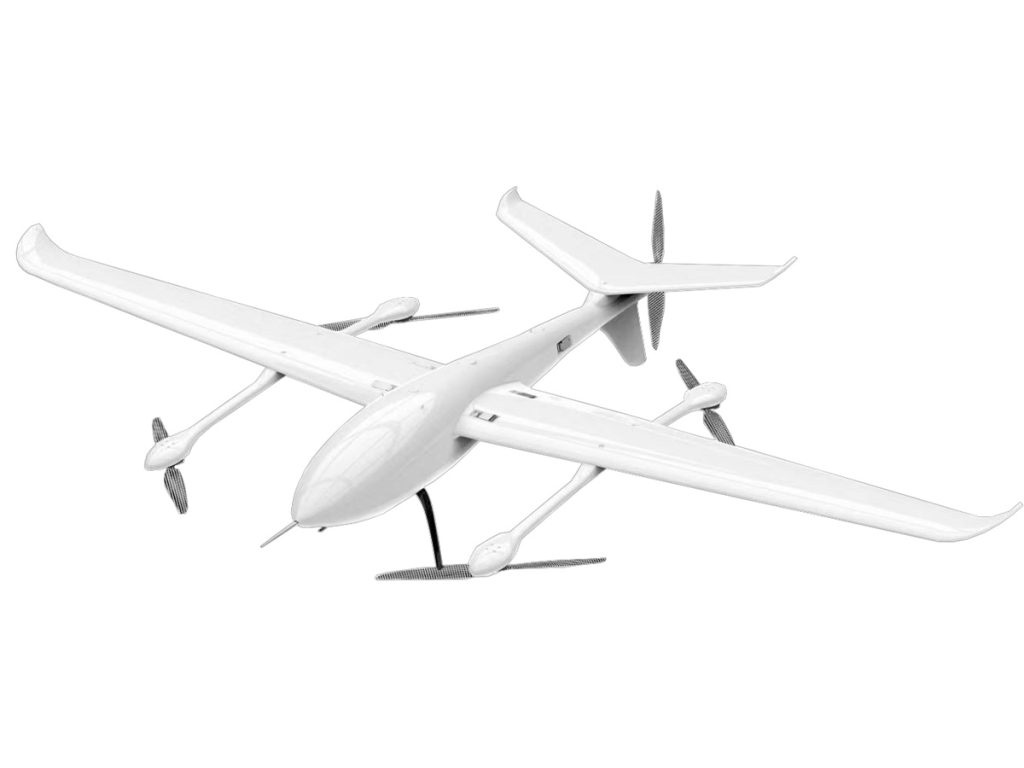
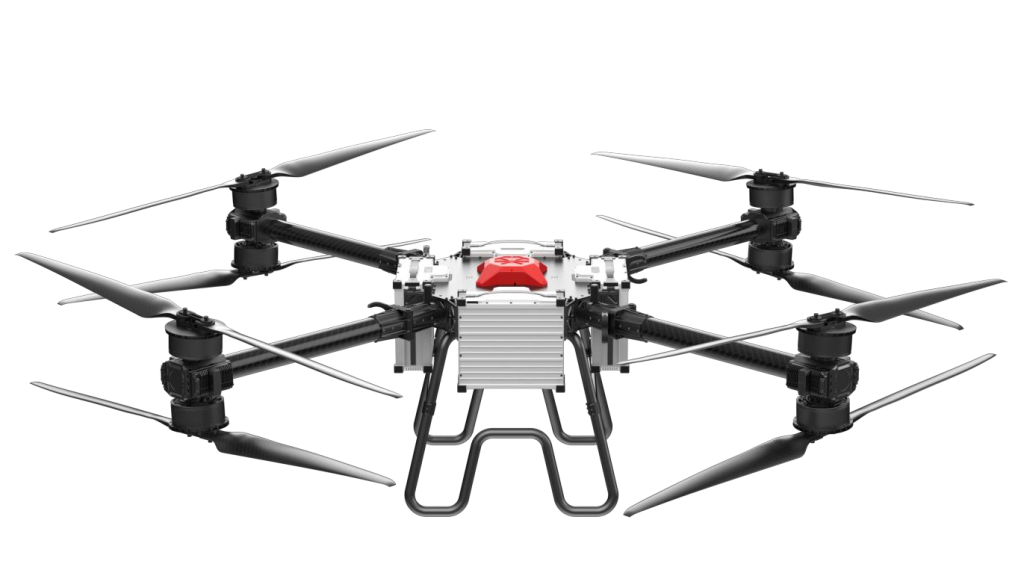
You need to pick a drone that fits your specific monitoring needs. The VastArrive VA-D60 drone which operates with prolonged flight duration uses advanced multispectral and thermal sensors to achieve precise measurement capabilities. The using platform VA-D60 enables organizations to collect precise data through fewer operational flights which decreases their production expenses.
2. Leverage Automation and AI Tools
Automated flight planning and intelligent data processing help reduce human error and save time. Drones equipped with AI-driven software can identify anomalies and generate reports and create alerts which operate in real time to enhance operational efficiency and accelerate decision-making processes.
3. Optimize Operational Workflow
Integrating drone inspections into routine inspection plans, using data to plan flight routes, and synchronizing data collection with geographic information systems or environmental management systems. The VA-D60 drone can reliably survey large areas, helping teams complete their work and reducing the need for repetitive inspections.
4. Partner with Reliable Providers
Established drone solution providers offer customers high-quality equipment, technical support, and software updates. The VastArrive VA-D60 platform is proven to deliver reliable performance even in extreme conditions, maximizing ROI by reducing maintenance costs and downtime.
Suitable hardware, intelligent software, and efficient workflows enable businesses to collect data faster and with greater accuracy, while reducing operating costs and improving security, resulting in a higher ROI for environmental monitoring efforts.
Is Drone Environmental Monitoring Worth the Investment
Drones have become a practical and affordable technology for use in forestry and agricultural and water management and urban planning. Drones provide operational benefits that extend beyond financial savings because they deliver advantages which organizations find challenging to measure yet which produce substantial results.
- Faster decision-making: Real-time data allows for quicker responses to environmental issues.
- Enhanced safety: Teams avoid entering hazardous or remote areas.
- Comprehensive coverage: Large or inaccessible areas can be monitored effectively without repeated field visits.
Although traditional methods require a lower initial investment, the combination of cost savings and efficiency improvements together with better data quality results in substantial long-term return on investment.
Organizations that require effective environmental monitoring systems should consider investing in drones to obtain accurate and scalable solutions which include the VastArrive VA-D60 as their preferred monitoring platform.
Related Products