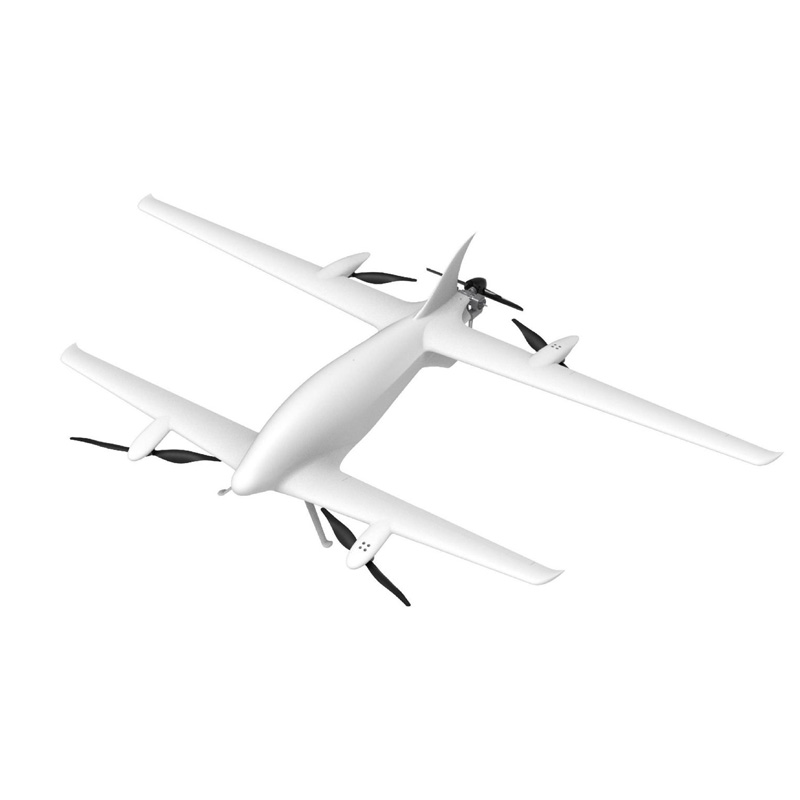
How Are Drones Powered? 6 Main Power Types You Should Know

With the widespread use of drones in aerial photography, logistics, agriculture, and industrial inspections, more and more people are asking: how are drones powered? Are they solely reliant on electricity? In fact, drones come with a variety of power systems and are not limited to electric propulsion. This article will take you through the different types of drone power systems, helping you fully uncover the “power secrets” behind drones.
How Are Drones Powered?
Power system is one of the most important aspects of a drone. With varying power systems, drones are more efficient in performing different types of operations, whether it’s a battery-driven drone that can perform quickly, fuel or hybrid-powered drones with longer flight time, or even solar-powered or fuel cell-powered drones that have become common nowadays. Every type of power system comes with a specific set of pros and cons. Here’s an elaborate look at some of the common power systems available in drones today.
1. Battery-Powered Drones
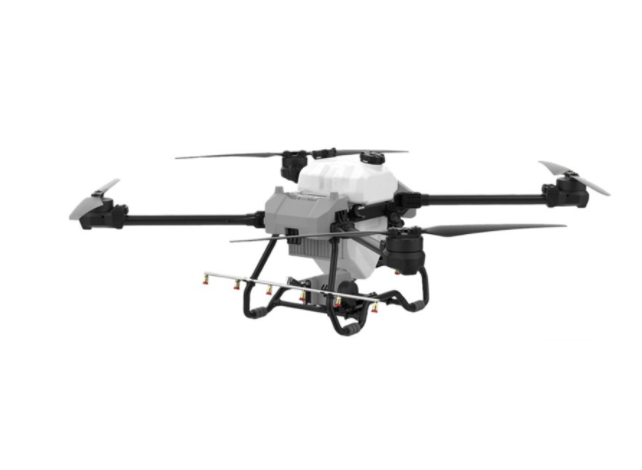
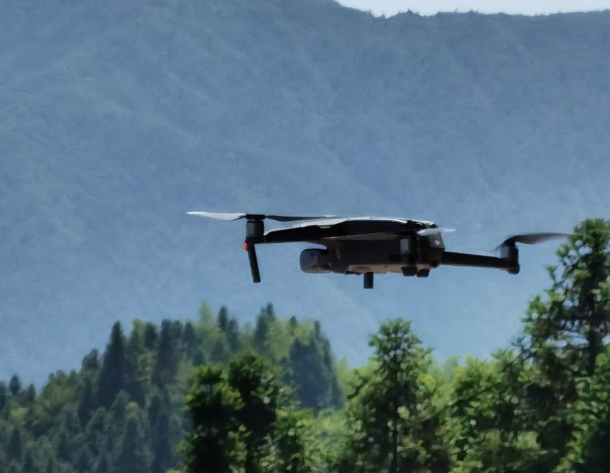
Amongst all kinds of drones, battery-powered drones form the majority of the market right now. These drones are mostly employed in consumer-grade drones, photographic drones, and light industrial drones.
Features:
- Primarily use Lithium Polymer (LiPo) batteries.
- Lightweight with high energy density and rechargeable capabilities.
- Typical flight time ranges from 20 to 40 minutes, while some small drones can exceed 1 hour per charge.
- Quick to charge and easy to swap batteries for shorter turnaround times.
Advantages:
- Easy to operate with minimal technical expertise required.
- Low noise, making them ideal for urban aerial photography, recreational use, and areas with noise restrictions.
- Cost-effective with relatively low purchase and maintenance costs.
- Maintenance-friendly, as replacing or charging batteries is straightforward.
Disadvantages:
- Limited endurance, not suitable for long-duration missions.
- Payload restrictions make them less effective for heavy-lift tasks or large equipment transport.
- Battery degradation over time requires periodic replacement to maintain optimal performance.
2. Fuel-Powered Drones
Fuel-powered drones are typically used in large industrial drones, agricultural spraying drones, or logistics transport drones. They are powered by gasoline, diesel, or aviation fuel, making them suitable for long-endurance flights and heavy-load operations. These drones are ideal for missions that require extended flight times, significant payload capacity, or long-distance travel.
Features:
- Use gasoline, diesel, or aviation fuel as the primary energy source.
- Offer high endurance and strong payload capabilities, allowing for prolonged operations without frequent refueling.
- Commonly deployed for long-distance cruising, aerial surveying, cargo transport, and agricultural spraying.
- Require engine maintenance, including fuel system checks and periodic engine servicing.
Advantages:
- Long flight times, often several hours per tank, enabling extended missions.
- High payload capacity, capable of carrying heavier equipment, chemicals, or cargo.
- Well-suited for industrial, agricultural, and long-range transport applications where battery power is insufficient.
Disadvantages:
- High noise levels, making them unsuitable for urban or recreational use.
- Complex operation requiring trained pilots and regular engine maintenance.
- Higher operating costs due to fuel consumption and maintenance requirements.
- Environmental impact, including fuel emissions and potential spillage risks.
3. Hybrid-Powered Drones
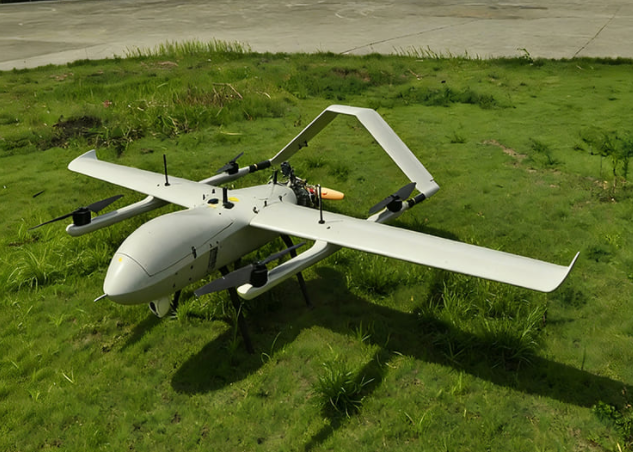
Hybrid power drones are blended to achieve the long-term endurance of batteries and the precisely controllable power of fuel engines for takeoff and landing. Usually, such technologies are used for surveying and mapping over long distances, pesticide application and search and rescue operations, where both endurance and ease of movement are immediately relevant. Therefore, by enabling integration of both types of sources, some of these UAVs could either operate on battery power for quiet and accurate maneuvers or switch to fuel power for extended range or heavy-lifting purposes.
Features:
- Combine battery and fuel engine propulsion systems.
- Provide high endurance with the ability to carry moderate to heavy payloads.
- Adaptable to various complex mission environments, including rural, remote, or disaster-affected areas.
- Can optimize power usage by alternating between electric and fuel modes depending on the flight phase.
Advantages:
- Extended flight time compared to purely battery-powered drones, supporting longer missions.
- Increased payload capacity, suitable for transporting equipment, supplies, or sensors.
- Versatility in complex tasks, able to handle missions requiring both precision and endurance.
- Can reduce overall fuel consumption by using electric mode for takeoff and landing.
Disadvantages:
- Complex system design, increasing manufacturing and operational costs.
- High maintenance requirements, as both the battery and fuel systems need regular inspection and servicing.
- Heavier weight, making them unsuitable for very small or ultra-light drones.
- More expensive upfront compared to single-power-source drones.
4. Solar-Powered Drones
Drones operating on solar power technology utilize the sun’s captured energy to produce electrical energy, enabling the drone engine to operate and facilitating its prolonged flight time. Drones with solar energy have many applications, which include scientific experiments, environmental monitoring, and UAV testing. Some of the advantages of using drones with solar energy include the ability to fly for an extended time without the need for fuel or battery replacement.
Features:
- Equipped with solar panels to harvest sunlight and convert it into electrical energy.
- Suitable for long-duration flights, especially during daylight hours.
- Often deployed in remote or inaccessible areas, where traditional charging or refueling is impractical.
- Mostly experimental or research-focused, with limited commercial production.
Advantages:
- Environmentally friendly, as they rely on renewable solar energy and produce no emissions.
- Potentially very long endurance, theoretically capable of staying airborne for days under optimal sunlight conditions.
- Can operate in remote or special environments without relying on fuel or frequent battery changes.
- Minimal operational noise, making them suitable for wildlife monitoring or quiet observation tasks.
Disadvantages:
- Dependent on sunlight, with performance dropping in cloudy weather, at night, or in low-light conditions.
- Limited power output, restricting payload capacity and reducing flight speed or maneuverability.
- High development and production costs, with limited commercial adoption.
- Mostly experimental, with fewer practical applications compared to battery or fuel-powered drones.
5. Fuel Cell-Powered Drones
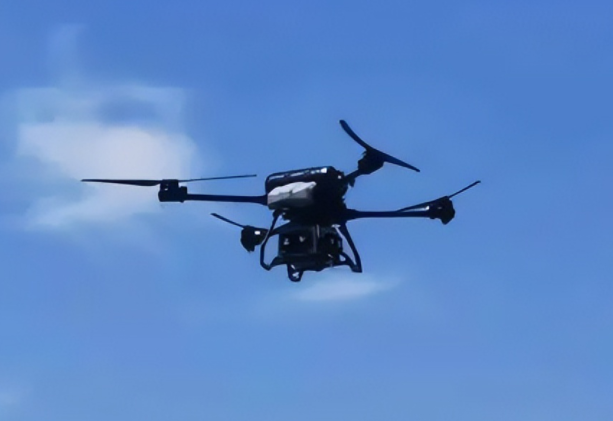
Drones powered by fuel cells work on chemical reactions by using hydrogen fuel, giving longer flight endurance than customary batteries, as the only waste rendered is water vapor and leaving minimum waste making it an ecological alternative for doing long-length works. Such drones are extensively used in industrial inspection, environmental monitoring, and military services where operations are of longer time duration and reliability must be of utmost significance.
Features:
- Chemical fuel (such as hydrogen) can be used to produce electricity.
- Have high endurance capability, usually multiple times more compared to regular battery-operated drones.
- Eco-friendly since they emit very little pollution and mostly water vapor.
- Capable of carrying medium to large weights based on the power source’s capacity.
- Must have proper storage and management of the fuel because of the type of fuel used.
Advantages:
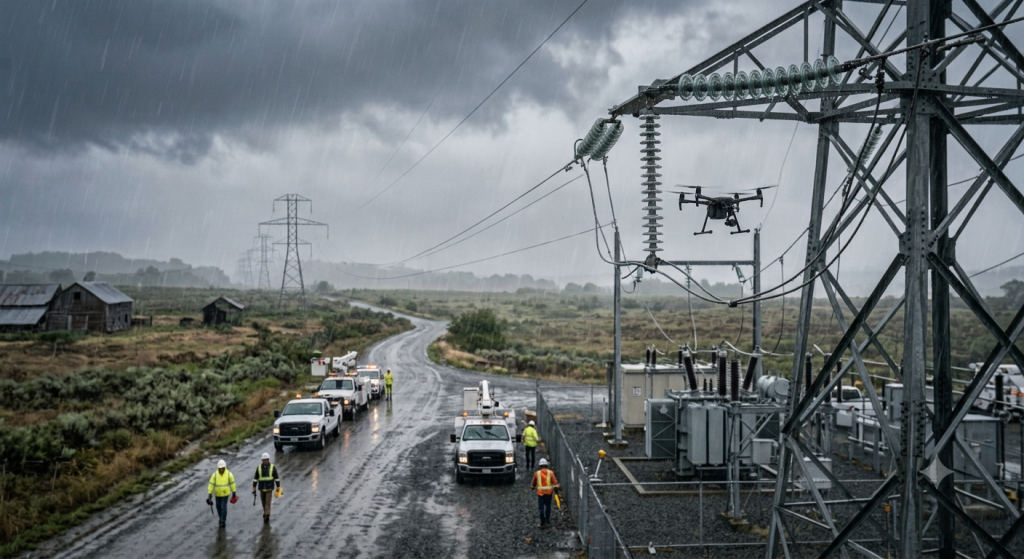
- Suitable for long-duration, continuous operations, such as monitoring pipelines, power lines, or remote environmental sites.
- Higher payload capacity compared to typical battery drones, enabling transport of sensors, cameras, or light cargo.
- Environmentally friendly, producing negligible emissions and primarily water vapor.
- Can operate in areas where noise and pollution restrictions are important.
Disadvantages:
- High cost, both in terms of initial drone price and fuel cell components.
- Strict fuel supply and storage requirements, including safe handling of hydrogen.
- High technical complexity, requiring advanced design, maintenance, and operational knowledge.
- Limited commercial adoption, mostly restricted to specialized industrial, research, or military applications.
6. Turbine Jet or Turboprop-Powered Drones
Turbine-powered drones, including jet turbines and turboprops, are primarily used in military applications or high-performance specialized drones. They feature high speed, heavy payload capacity, and long-range endurance, making them ideal for reconnaissance, specialized scientific research, and long-distance transport missions. These drones are designed for scenarios where performance and reliability are critical, often operating under extreme conditions.
Features:
- Equipped with high-performance turbine engines (jet or turboprop).
- Capable of high speeds, long flight ranges, and substantial payloads.
- Mostly deployed for military, defense, or specialized scientific missions.
- Require advanced aerodynamic design and precision engineering to optimize performance and fuel efficiency.
- Can operate at higher altitudes and under more demanding environmental conditions than conventional drones.
Advantages:
- Extended flight range and fast speeds, suitable for rapid deployment or long-distance missions.
- Strong payload capacity, able to carry heavier sensors, equipment, or cargo.
- High performance and reliability, essential for mission-critical operations.
- Can be adapted for specialized roles, including surveillance, mapping, or rapid transport in challenging environments.
Disadvantages:
- High cost, both in acquisition and maintenance.
- Complex operation, requiring highly trained operators.
- Maintenance-intensive, as turbine engines need specialized servicing and parts.
- High fuel consumption, limiting operational efficiency, and making them less suitable for commercial or casual applications.
- Limited adoption, mostly restricted to military, defense, or high-end research projects due to cost and complexity.
| Power Type | Features | Advantages | Disadvantages | Applications |
| Battery | LiPo batteries, lightweight, 20–40 min flight | Easy, safe, low noise, low cost | Short endurance, small payload, limited battery life | Consumer drones, aerial photography, light industrial |
| Fuel Engine | Gasoline/diesel/aviation fuel, high endurance, strong payload | Long flight, high payload | Noisy, complex, high maintenance, environmental impact | Large industrial, agriculture, logistics |
| Hybrid | Battery + fuel engine, extended endurance | Longer flight, higher payload | Complex, costly, heavy, high maintenance | Surveying, mapping, agriculture, rescue |
| Solar | Solar panels, long-duration flight | Renewable, theoretically unlimited endurance | Sunlight dependent, low power/payload | Research, environmental monitoring, experimental drones |
| Fuel Cell | Hydrogen or chemical fuel, high endurance, low emissions | Long missions, moderate payload, eco-friendly | Expensive, strict fuel storage, technical complexity | Industrial inspection, monitoring, military |
| Turbine Jet/Turboprop | High-performance turbine, high speed/payload/range | Fast, long range, strong payload | Very costly, complex, high fuel use | Military, specialized research, long-distance transport |
Factors Affecting Drone Power
The performance of the power system of a drone is dependent on not only the kind of propulsion but also a number of other elements as well. Knowledge of these elements will assist drone operators to choose their options wisely for optimal performance.
1. Flight Time and Payload Weight
Flight time of a drone is very much linked to the weight of the payload. Heavier payloads require higher amounts of energy from the power system for a stable flight, hence reducing the flight endurance significantly. For instance, the flight endurance of a drone with a high-definition camera or cargo will be relatively lower due to high consumption of the fuel source.
2. Battery Capacity and Efficiency
Battery capacity and efficiency determine the duration of operation of battery-operated drones. High capacity batteries may allow more prolonged flight time but also make drones heavy and less agile and consume more energy. Also, the condition of the batteries, efficiency of the process of charging and discharging, and the life cycle of batteries affect the power of a drone.
3. Environmental Factors
Certain environmental factors can also have an effect on a drone’s power performance. Extreme weather conditions, including temperature, can negatively influence battery’s chemical processes and lead to the reduction in flight time. High winds need more power consumption to be overcome by drones. Also, other environmental elements can affect the efficiency of power performance of drones.
VastArrive Electric and Hybrid Drones
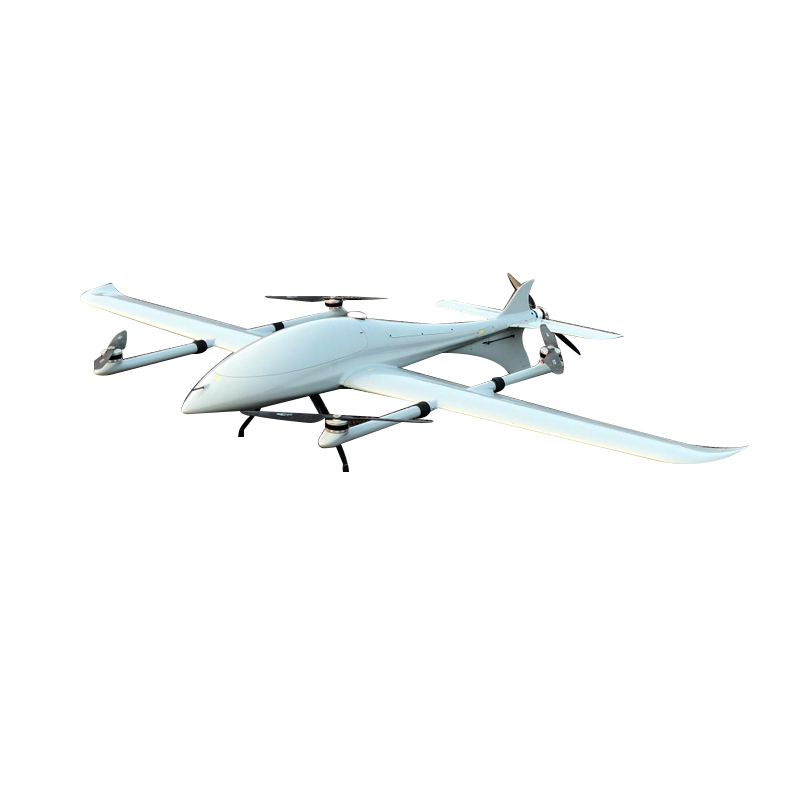
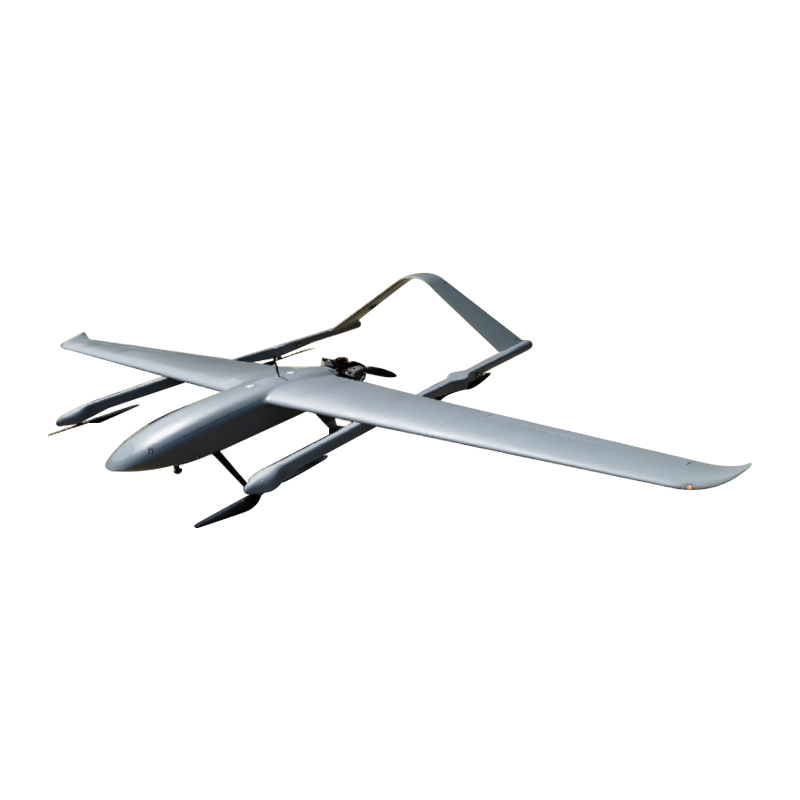
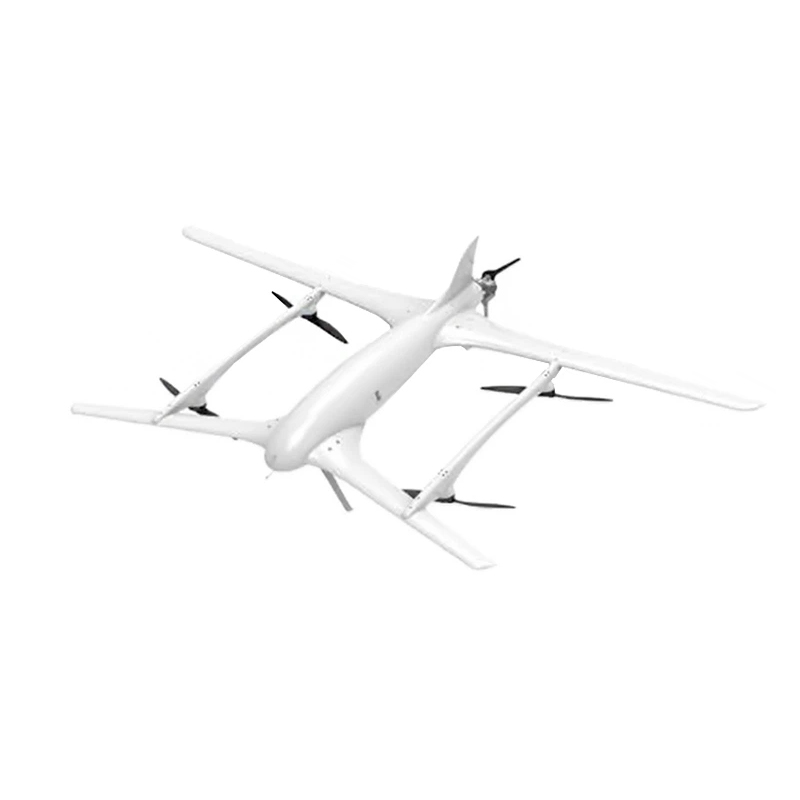
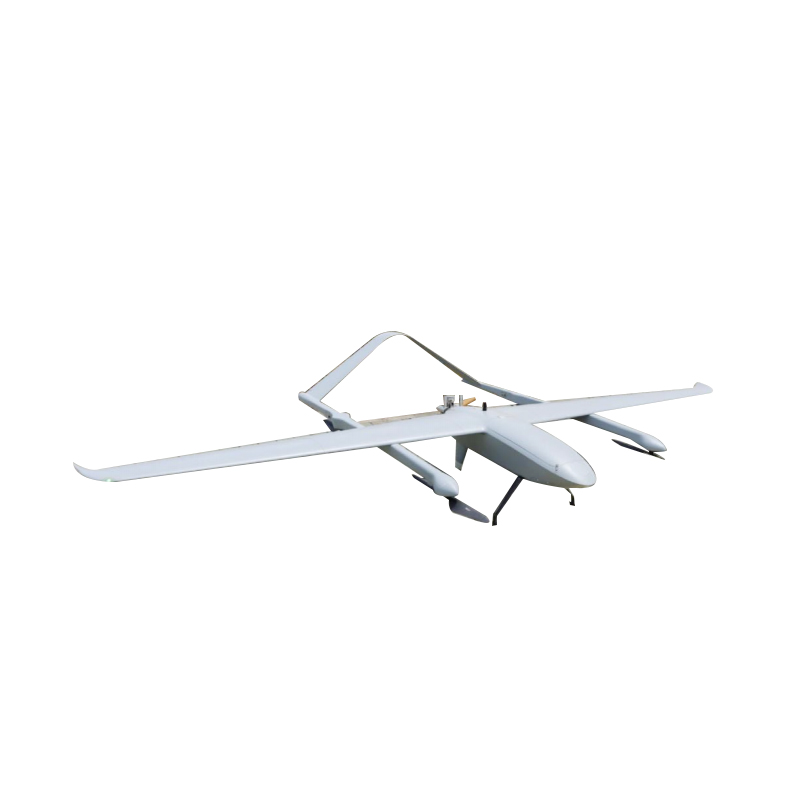
Once you learn about the different power systems for the drone, it becomes important to select a drone based on your requirements. VastArrive has many options, including both electric and hybrid drones. These products are used in the spraying of agriculture, rescuing in disasters, transportation of goods, environmental surveillance, power line checking, and cleaning in cities to achieve efficient performance.
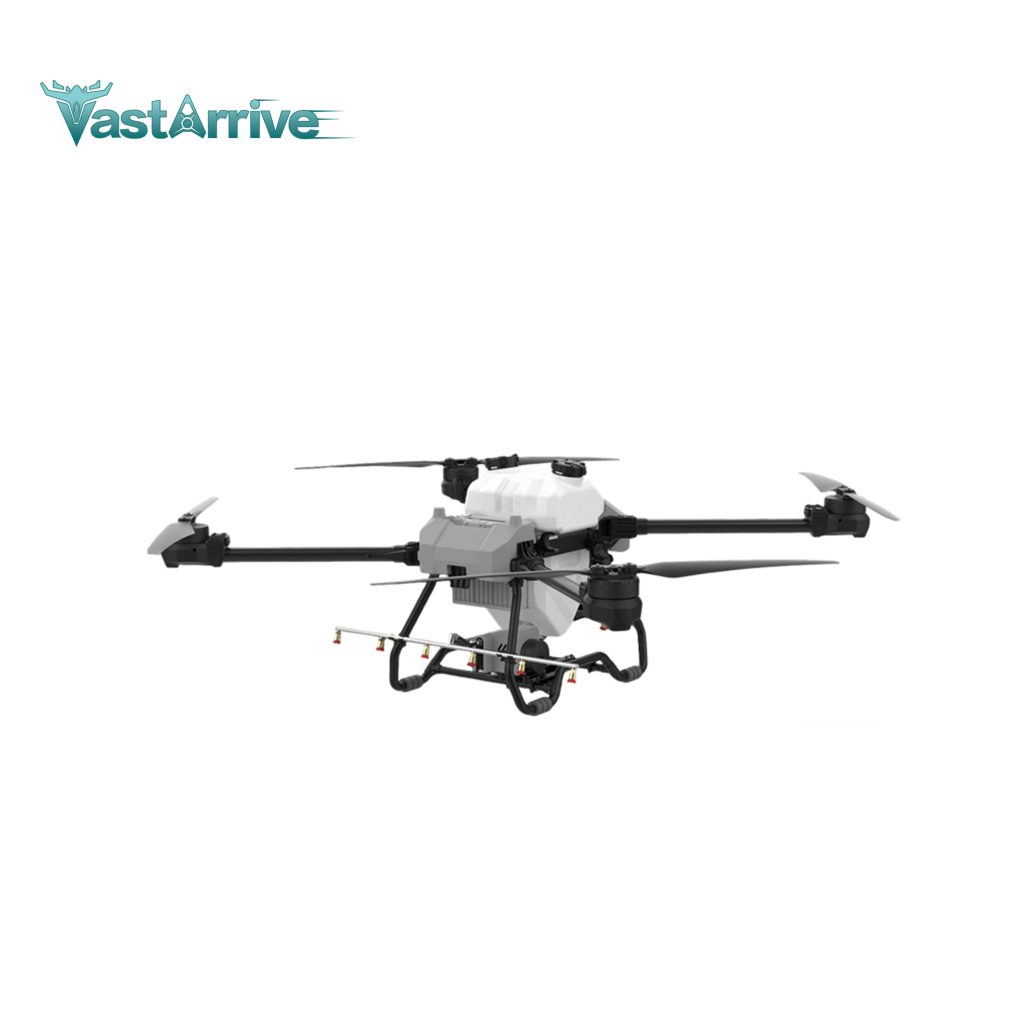
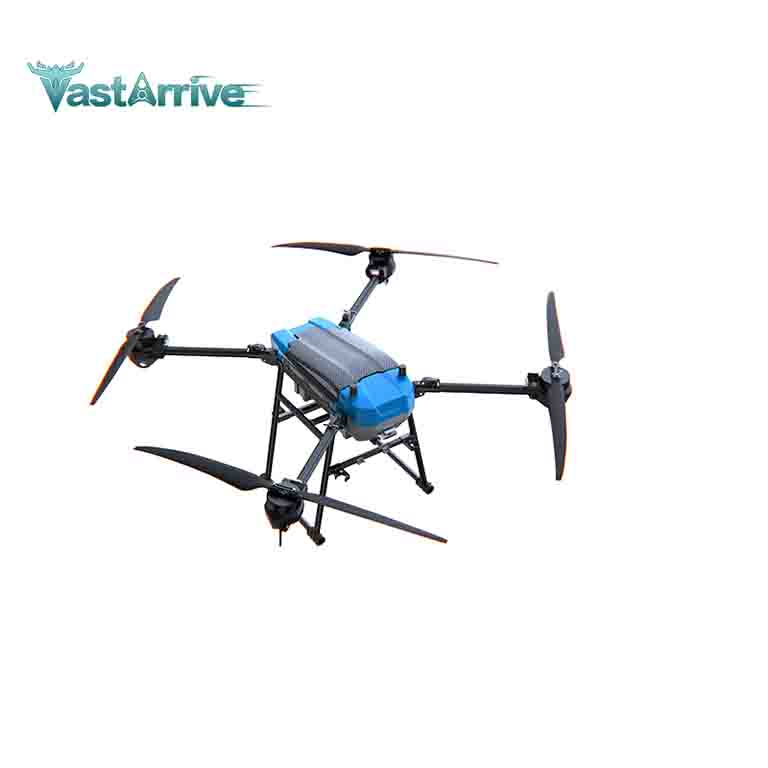
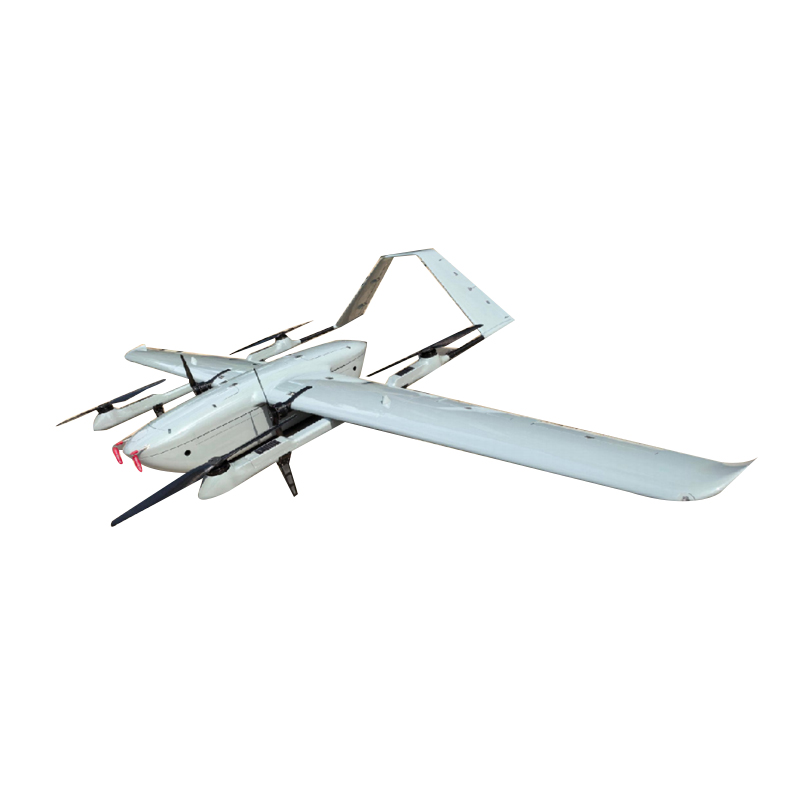
Electric drones from VastArrive provide low noise, ease of operation, and high energy-saving features. The hybrid drones can use both an electronic fuel injection system and battery energy, which helps them work for longer periods and carry more load. With the flexibility of using either electric or hybrid drones, one can efficiently make the drone performance better depending upon the requirements and save cost as well.
Related Products