Types of Drones: Which One Do You Need?

With the continuous advancement of technology, drones (UAVs) have evolved from purely military tools into widely used solutions across industries such as agriculture, logistics, surveying, power inspection, and environmental monitoring. Today, they play a key role in improving efficiency while reducing labor costs.
However, when choosing a drone, many people face a common challenge: with so many types available, which one is the right choice?
In fact, drones can be classified based on structure, application, and power systems. Understanding the different types and their use cases can help you make a faster and more informed decision. Next, this article will give you a brief overview of the various types of drones. Here we go!
Part 1. Drone Classification by Structure
Drone’s structural classification directly lies in one unit: its flight mode, thrust performance, and select applications; hence, it is the foremost and critical mode of classification for drones.
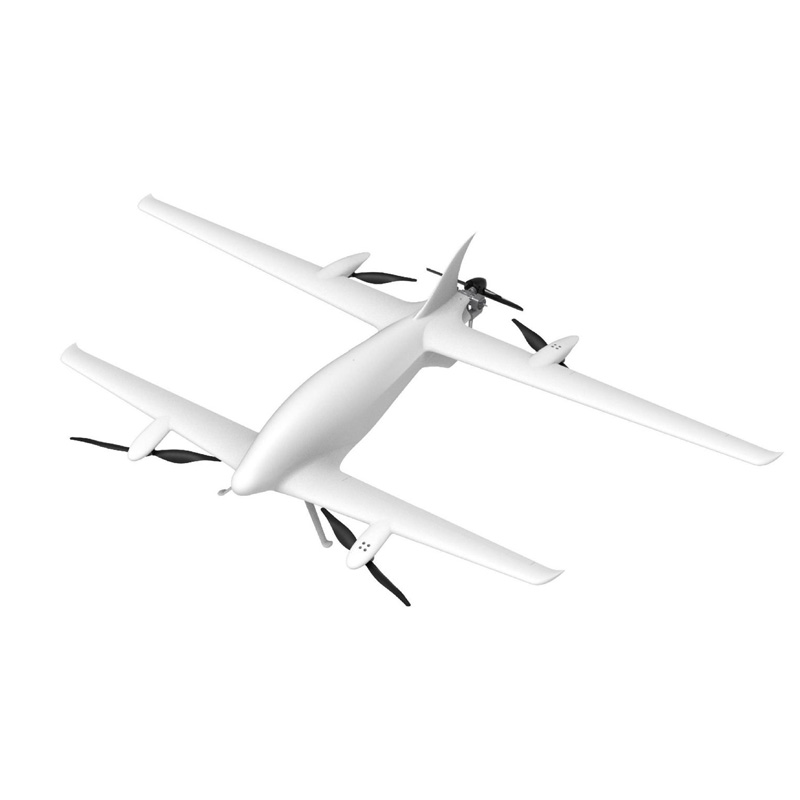
Drones fall under mainly four types: multi-rotor, fixed-wing, single-rotor, and hybrid vertical take-off and landing (VTOL).
1. Multi-Rotor Drones
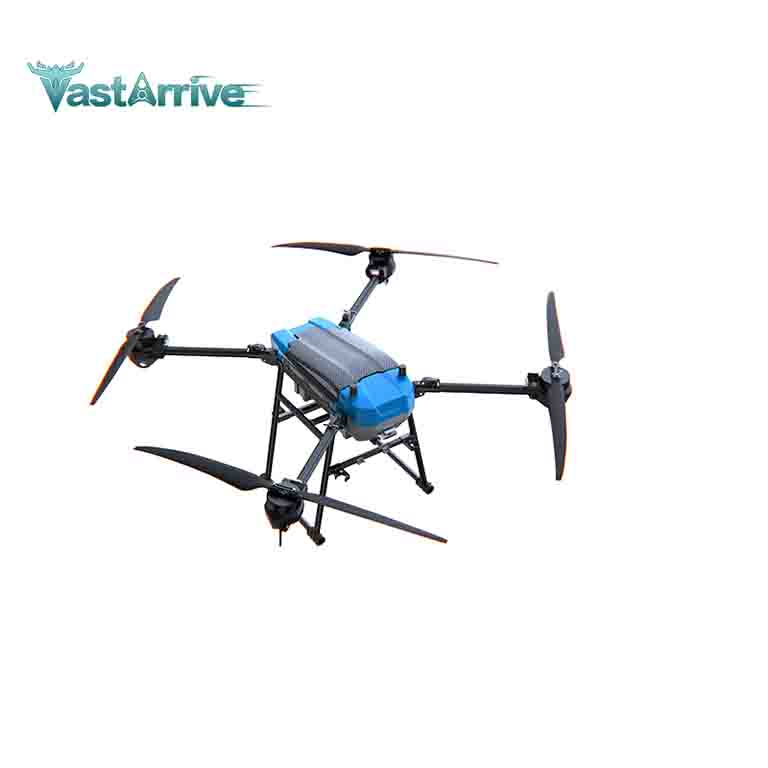
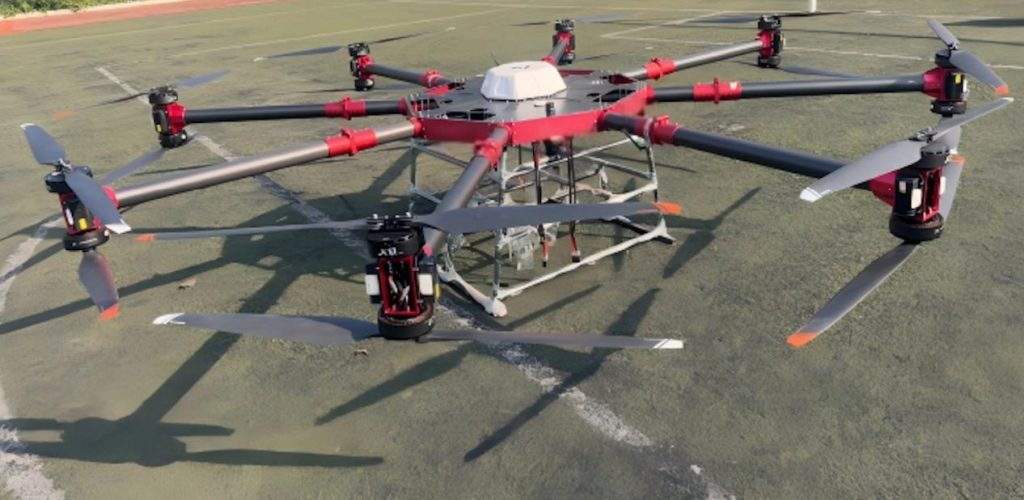
Multi-rotor drones are the commonest on the market. These include merely quadcopters, hexacopters, and octocopters. Moreover, they tend to have some common characteristics. The build of multi-rotor drones is tremendously simple. They focus low toward entanglement due to the operational simplicity and flat hover performance, good enough for clients who pay its low-range operations.
Nevertheless, multi-rotor drones became very popular among professional photographers in the early days; at this moment, their application goes far beyond photography. As opposed to their fixed-wing counterparts, these multi-rotor drones, being lightweight and geared for quick take-off and landing, afford an upper hand when they maneuver in and out of advanced environments. But of uncertain behavior, multi-rotor drones often cut down on full flight time when flying into the wind.
Core Features
Multi-rotor drones offer a simple and easy design for operation. They give stable flights with the ability to hover for precise movements. Indoor flying and short-range missions optimize takeoff and landing accordingly.
Advantages
Simple to operate and simple to maintain, making them ideal solutions for new pilots and light commercials. They can manage tight spaces, so they are suitable for aerial photography and short-range inspections.
Disadvantages
Flight time is fairly limited— between 20 and 40 minutes—and the pay load is easily carried. It is not stable enough to carry bulky equipment or conduct long-range missions.
Typical Applications
Real estate photography, site-seeing, making them inspect bridges, pipelines, roofs to test the wind, and drone education/training, and also used for recreational purposes.
2. Fixed-Wing Drones
Fixed-wing drones resemble traditional airplanes, generating lift through wings and maintaining flight via forward motion. They offer high flight efficiency, long endurance, and low energy consumption, making them ideal for covering large areas and long-distance missions. Fixed-wing drones are well-suited for professional and industrial tasks.
Core Features
High flight efficiency and long endurance for large-area missions, but cannot hover. Take-off requires a runway or launch device.
Advantages
Can fly for several hours, ideal for long-range inspections and large-area operations. Low energy consumption makes them suitable for carrying sensors or agricultural spraying equipment.
Disadvantages
Cannot hover, unsuitable for precision tasks. Take-off requires a runway or launch device, imposing operational limitations.
Typical Applications
Geographic surveying, mapping, large-scale agricultural monitoring, and long-distance inspections of power lines and pipelines.
3. Single-Rotor Drones
The design of single rotor drones is similar to that of helicopters, featuring one primary rotor and one tail rotor, fueled by either petrol or batteries with large capacities. They are very efficient in operations and can bear hefty loads including LiDAR, HD cameras, or industrial machinery.
Core Features
High energy efficiency and payload capacity, good for long periods of flying and handling heavy equipment, but complicated designs and difficult operation.
Advantages
They have greater payload capacity and can stay airborne for much longer than multi-rotor drones, thus can perform more demanding tasks such as industrial LiDAR surveys.
Disadvantages
Complex structure, higher operational difficulty, and maintenance costs. Requires professional piloting skills.
Typical Applications
LiDAR surveying, construction or mining heavy-load operations, power line inspections, agricultural spraying, and heavy-load logistics transport.
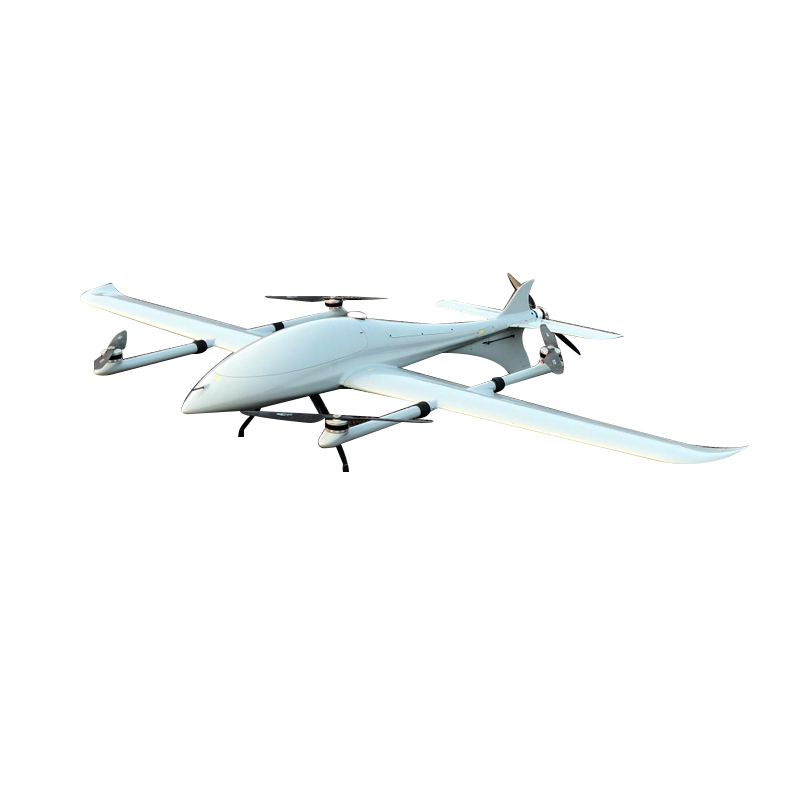
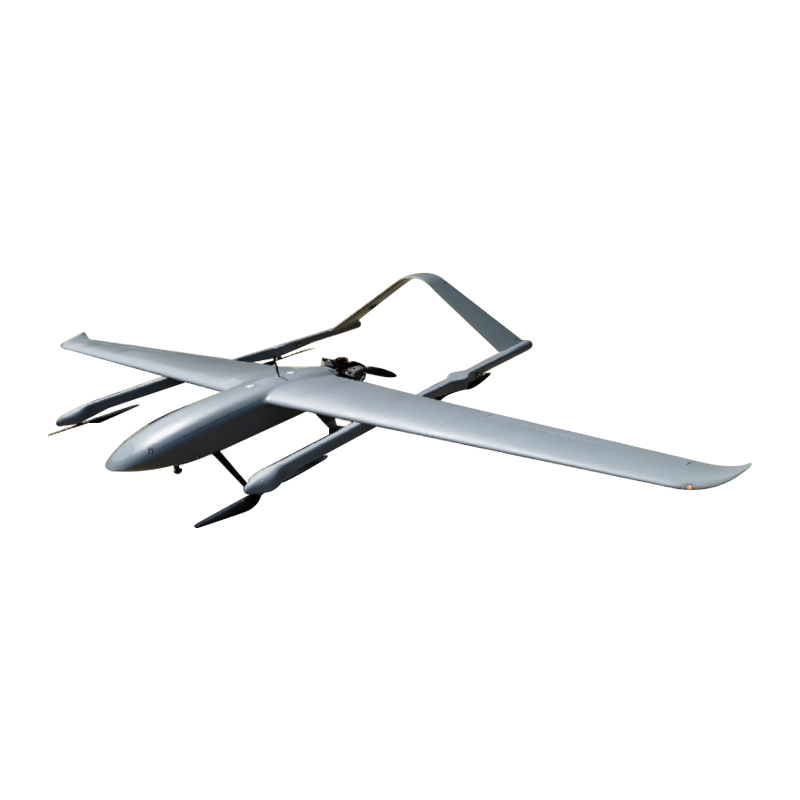
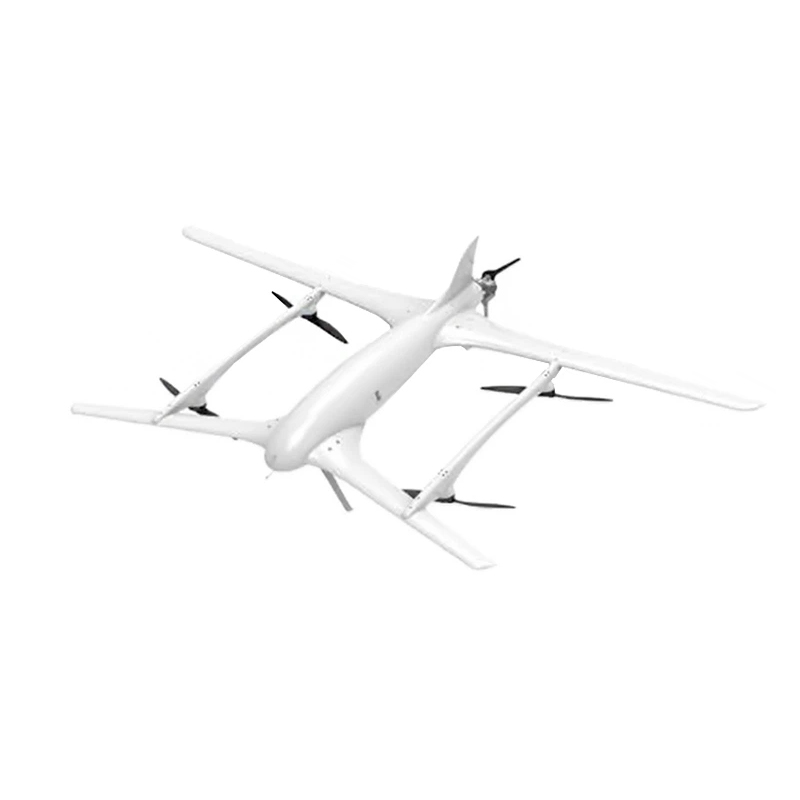
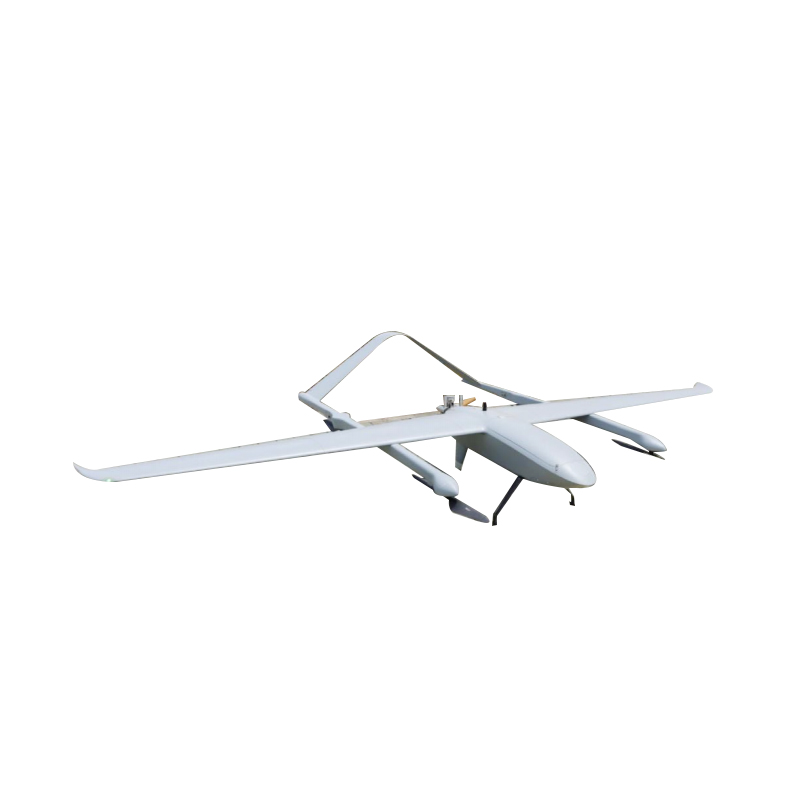
4. Hybrid VTOL Drones
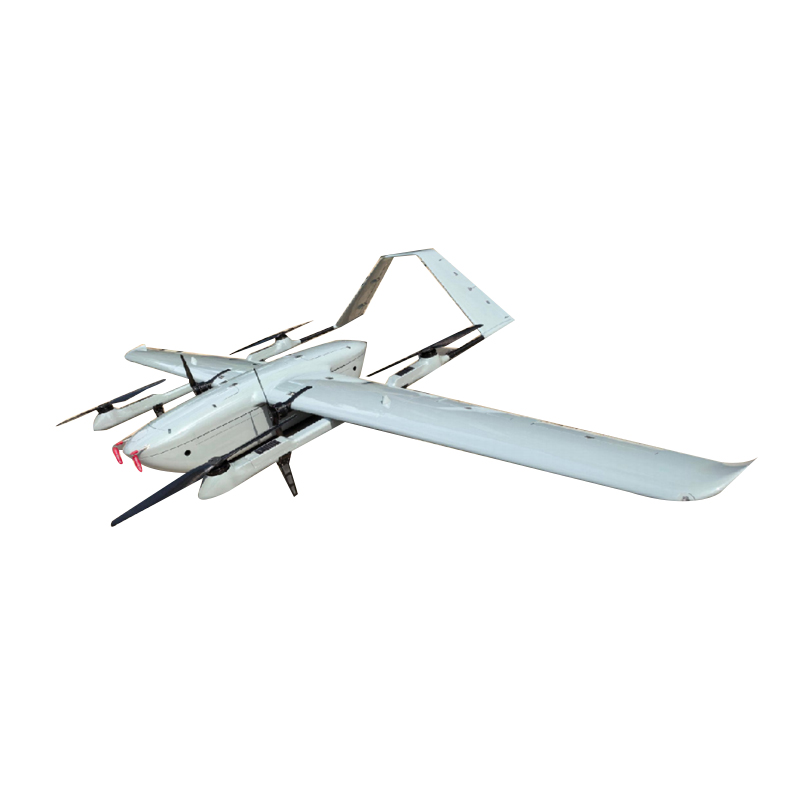
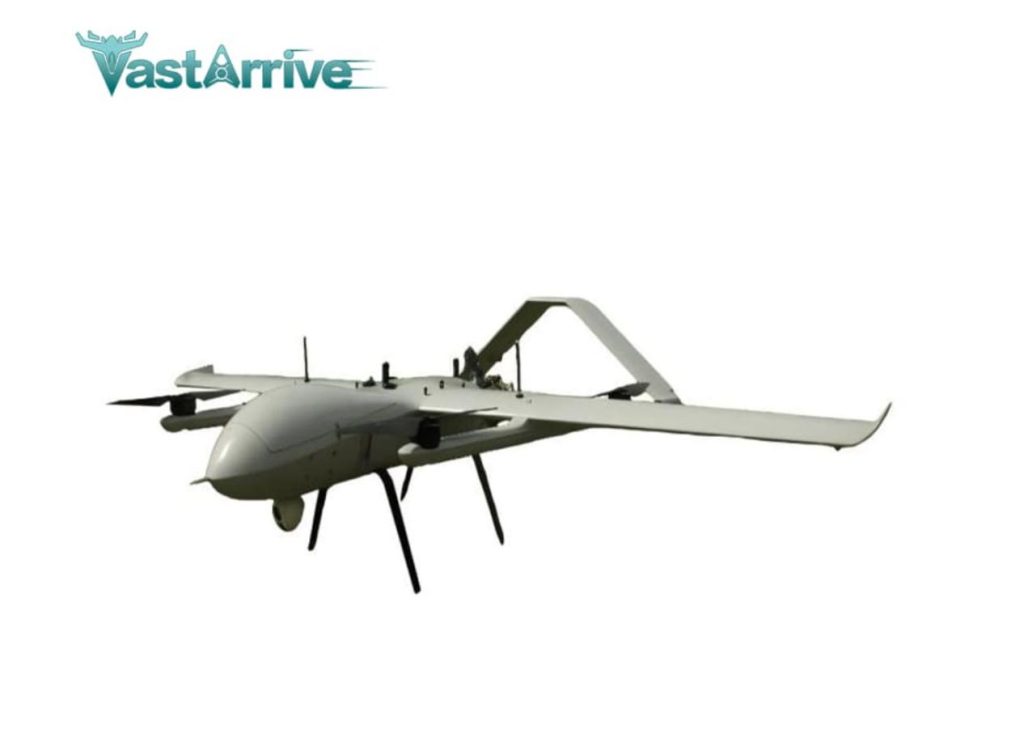
The hybrid VTOL drone is a combination of both multi-rotor and fixed-wing drones, enabling them to take off and land vertically but at the same time offer great endurance and efficiency during flight, just like fixed-wing drones. They can be used for different applications and even in difficult terrains, although they are expensive and technically demanding.
Core Features
A combination of the hovering capabilities of multi-rotor drones and the efficiency of fixed-wing drones for executing efficient tasks in difficult terrains.
Advantages
Very flexible drones that can efficiently launch vertically in challenging terrains and conduct long-distance inspections, drone logistics, and emergency operations.
Disadvantages
Technically complex, higher manufacturing and maintenance costs, and operational difficulty.
Typical Applications
Inspections of power and oil/gas pipelines, drone logistics transport, emergency rescue, and disaster relief material delivery.
Part 2. Drone Classification by Application
Grouping drones based on their application is more relevant to users’ needs and forms the backbone of marketing and promotion in the business sector. Drones have differences in their designs, functionality, and method of operation. Users are free to choose the type of drone that best suits their needs.
Consumer Drones
Consumer drones target general consumers who may use them for fun. Consumer drones are small in size and user-friendly for consumers.
Use Cases
Best suited for vacation videos and photography. Individuals have an opportunity to document their experiences during vacations, take pictures, and make creative videos and at the same time enjoy flight experience.
Features
Simple operation and quick to learn, even for beginners; affordable pricing, suitable for personal or family use; lightweight and portable for easy travel; some models include smart follow and obstacle avoidance features to enhance user experience.
Commercial Drones
A commercial drone is meant for commercial uses, taking into consideration performance, function, and user-friendly aspects.
Use Cases
The commercial drone has many different purposes. It is used for construction sites inspections, real estate promotion, and security purposes. These devices have the capability to record clear photos and videos as well as monitor project development, saving on manpower.
Features
Good stable performance, able to fly for long periods of time; professional equipment capable of high resolution and thermal imaging; comparatively user-friendly; capable of transmitting live data feeds.
Agricultural Drones
Agricultural drones are one of the fastest-growing segments in the drone market, designed to improve farming efficiency and precision.
Core Applications
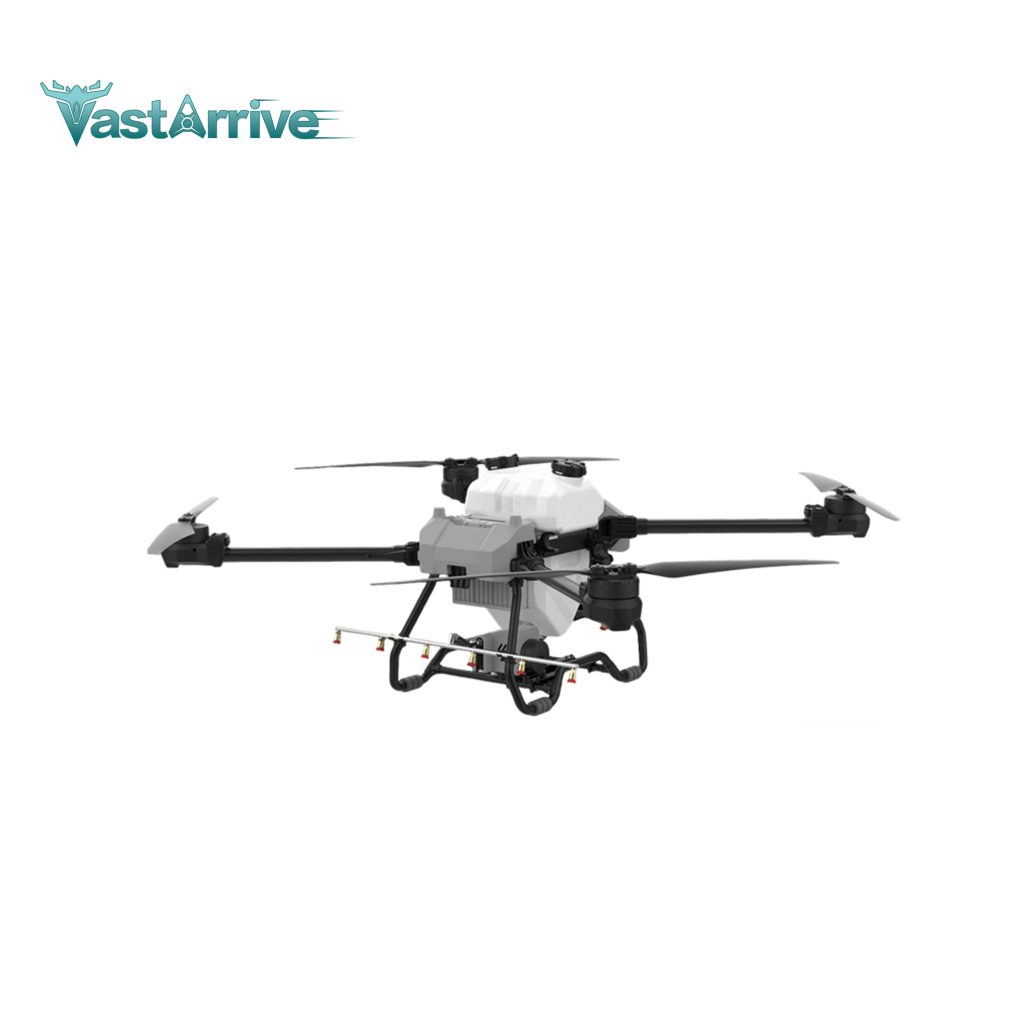
Primarily used for pesticide spraying, seeding and fertilization, crop health monitoring, and field data collection. Precision control of flight paths and spray volume enables efficient resource use.
Advantages
Improves efficiency and lowers labor expenses; long autonomy and broad coverage allow handling vast farmlands; combined with sensors and analysis, drones monitor crop development and forecast yields; helps implement precision agriculture.
For agriculture, efficiency and flight duration are crucial features of drones.

Delivery Drones
Delivery drones are designed for rapid transport of goods, especially suitable for high-demand, last-mile delivery scenarios.
Use Cases
Used for e-commerce parcel delivery, medical supply transport, and remote area logistics, helping shorten delivery times and improve response speed.
Features
High transportation efficiency with precise delivery capabilities; some models feature automatic obstacle avoidance and smart navigation, adapting to complex urban or rural terrain; reduces labor requirements and optimizes delivery processes.
Military Drones
Military drones are one of the earliest applications of drone technology, primarily serving reconnaissance and combat support missions.
Use Cases
Used for surveillance, strike operations, and intelligence gathering, capable of performing remote tasks in high-risk environments.
Features
Normally come with long-distance control, long endurance, and fast speed capabilities; may include different sensors, camera, and combat hardware; very robust and dependable in carrying out complicated missions; few have autonomous flying and real-time data transfer capabilities.
Industrial Drones
Industrial drones are designed for heavy industry and infrastructure management, emphasizing reliability and specialized functionality.
Use Cases
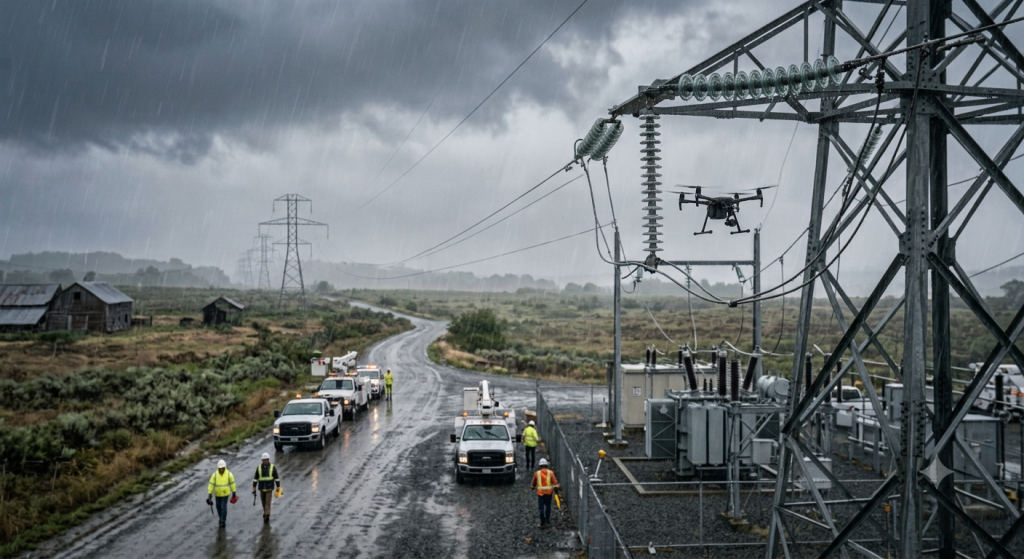
Used for power line inspections, wind turbine monitoring, oil and gas pipeline inspections, and other industrial tasks, providing efficient, precise data collection and monitoring capabilities.
Features
Highly reliable and capable of operating in harsh environments; supports professional equipment such as thermal cameras, LiDAR, and high-resolution cameras; some models provide real-time data transmission for remote monitoring and decision-making; operation typically requires professional expertise.
Racing Drones
Racing drones are built for speed and maneuverability, focusing on competitive flying and agile performance.
Features
High-speed flight capability and responsive control for sharp turns and complex maneuvers; manual FPV control emphasizes pilot skill and flying experience; lightweight and compact design, suitable for racing, extreme flying, and recreational competition; some models support race tracking and performance analytics.
Part 3. Drone Classification by Power System
The power system of drones is one of the key elements in assessing the endurance and general performance of drones. The choice of different power systems has an impact on flight duration, load capacity, noise production, and operating cost. Depending on the energy source, drones may be classified into three types of drones: electric drones, gasoline-powered drones, and hybrid drones.
Electric Drones
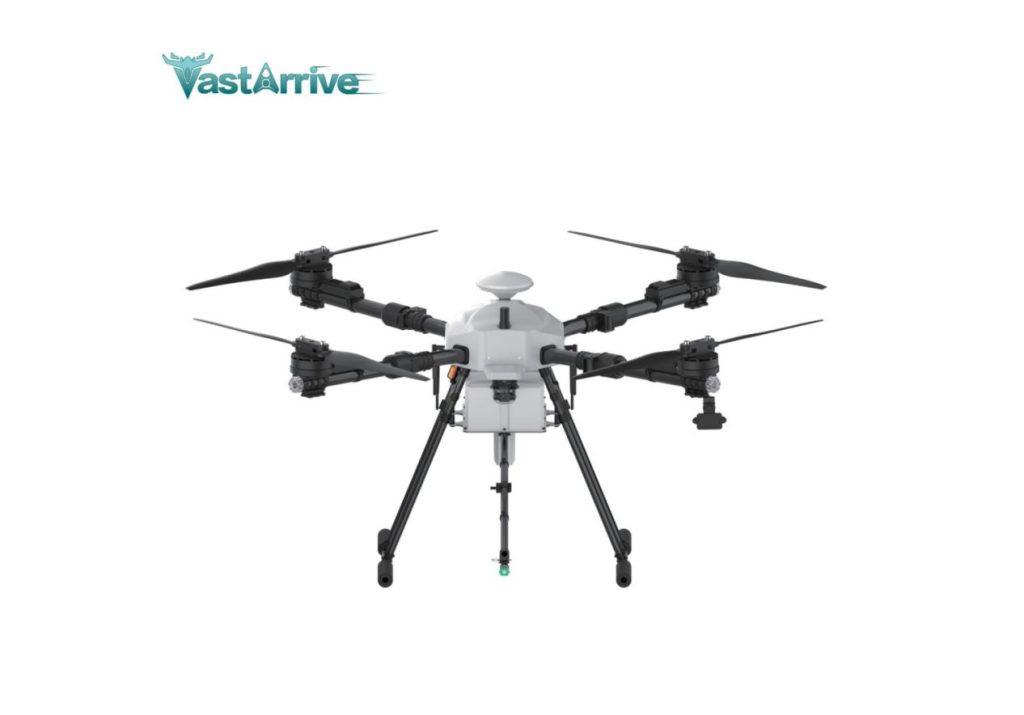
Electric drones are now the most prevalent drones used both commercially and privately, along with some industries. Electric drones operate by means of lithium batteries, having a simplistic design and requiring low maintenance.
Features
Operated through lithium batteries, which are easy to recharge; produce minimal noise pollution; environment-friendly, as there are no emissions produced; lightweight, appropriate for smaller-sized drone production.
Advantages
Easy to operate, suitable for beginners and everyday tasks; low maintenance costs and long service life; ideal for short-range missions, aerial photography, and precision operations.
Gas-Powered Drones
Gas-powered drones use gasoline or diesel engines, offering strong propulsion for long-duration flights and heavy payloads.
Features
Long flight endurance, often lasting several hours; stable power output, capable of carrying heavier equipment; relatively complex structure with higher maintenance requirements; louder and less environmentally friendly compared to electric drones.
Advantages
Suitable for large-scale inspections, long-distance transport, and industrial operations; capable of handling heavy-duty tasks such as extensive agricultural spraying, industrial logistics, and surveying.
Hybrid Drones
Hybrid drones combine the advantages of electric and gas-powered systems, maintaining high efficiency during long-duration operations.
Features
Typically, a gas engine provides the main power while an electric system assists with short-range precision control; offers both long endurance and flexible maneuverability; technologically complex and higher in cost.
Advantages
Significantly extends flight time, ideal for long continuous operations; balances efficiency and precision, meeting professional needs in agriculture, industry, and logistics; suitable for large-scale spraying, remote inspections, and long-distance deliveries.
With the growing demand in agricultural and industrial drone markets, hybrid drones are increasingly applied and represent an important direction for high-end drone development.
Part 4. Drone Classification by Flight Range
The flight distance is an important factor which defines the capabilities and potential uses of a drone. Depending on the controllability distance and endurance capacity, drones may be classified as short-distance, medium-distance, and long-distance drones.
Short-Distance Drones
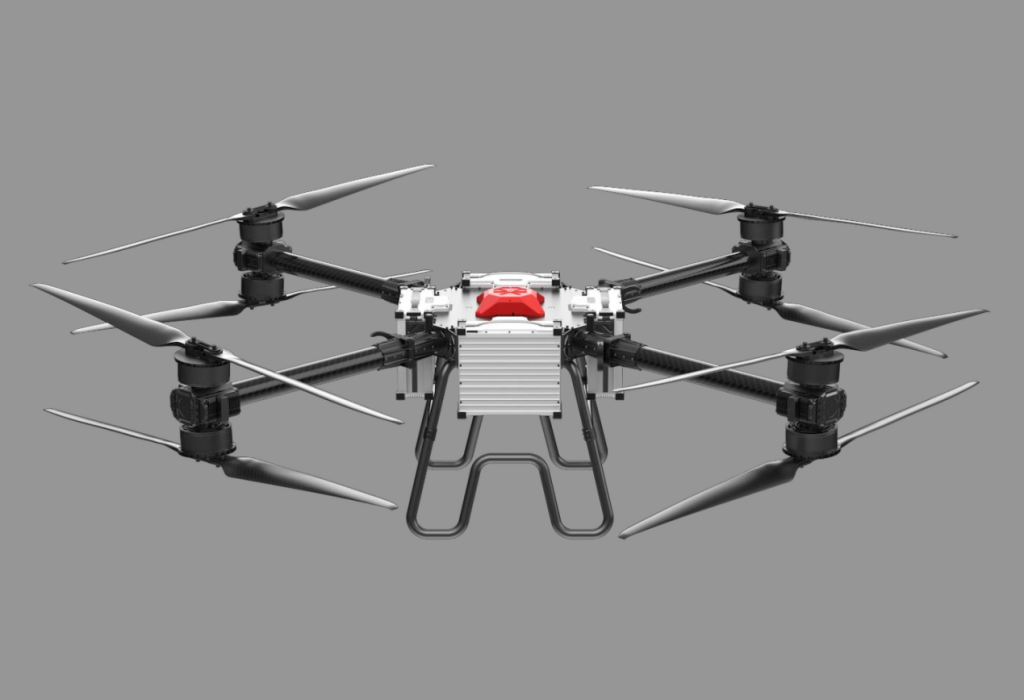
Short-distance drones usually have short flight distance ranging only up to several kilometers and are designed for light-weight usage.
Features and Applications
Suitable for close-range photography and light duty usage; simple to use and operate; less endurance than other types; fast to deploy and retrieve. They are mostly used for home entertainment and aerial photography purposes.
Medium-Range Drones
Medium-range drones have a flight range of tens of kilometers, suitable for commercial and professional tasks.
Features and Applications
Perfect for inspecting construction sites, conducting agriculture work, delivering logistics, and environmental monitoring purposes; the aircraft is stable and can carry cameras and sensors; more endurance and range than short-range drones, enabling coverage of medium-sized operational areas.
Long-Range Drones
These drones can fly several hundred kilometers and are predominantly utilized in either industry or military.
Features and Applications
Useful in conducting large-scale inspection projects, providing logistics from a distance, conducting geographic surveys, and military surveillance; high flight endurance enables the mission of an extended period; usually come with complex navigational and communication technologies.
Part 5. Drone Classification by Control Method
The control method of a drone determines its operational mode, level of automation, and efficiency. Based on control, drones can be categorized as remote-controlled or autonomous.
Remote-Controlled Drones
Remote-controlled drones rely on real-time human operation, offering high flexibility.
Features and Applications
Operators can adjust flight direction and altitude instantly, adapting to complex environments; suitable for aerial photography, recreational flying, inspections, and scenarios requiring human judgment; requires operator skill but provides precise control and maneuverability.
Autonomous Drones
Autonomous drones use pre-set flight paths or AI algorithms to operate automatically, representing a key trend for the future.
Features and Applications
Capable of independent flight based on mission planning and environmental data; ideal for agricultural spraying, large-scale inspections, and logistics tasks; reduces human intervention, improving operational efficiency and safety; advanced models may include obstacle avoidance and real-time data collection.
Part 6. How to Choose the Right Drone?
Choosing the right drone is crucial for task efficiency, cost control, and operational safety. Different types of drones vary significantly in flight performance, endurance, payload capacity, and environmental adaptability. Therefore, selecting a drone requires a comprehensive evaluation of multiple factors. The following key aspects can guide your decision.
Purpose of Use
The type of drone should be determined according to its main application. For photography and video production, multi-rotor drones are recommended because of their simple structure, stable hovering capability, and flexible control, which allow capturing high-quality images and videos.
For large-scale operations, such as geographic surveying, extensive agricultural spraying, or environmental monitoring, fixed-wing drones are more suitable due to their long-distance cruising capability and wide-area coverage. In industrial applications, such as infrastructure inspections, heavy-duty transport, or precision surveying, single-rotor or hybrid drones are advantageous because of their higher payload capacity and longer endurance.
Endurance Requirements
Flight duration is an important factor in choosing a drone. For short-term tasks or recreational aerial photography, electric multi-rotor drones are generally sufficient. For long-duration inspections, logistics transport, or large-area agricultural operations, fixed-wing or hybrid drones are recommended, as they can complete tasks in a single flight, reducing downtime for recharging or refueling.
Payload Requirements
A drone’s payload capacity directly affects the type of equipment it can carry and operational efficiency. For tasks that only require carrying cameras, sensors, or light surveying equipment, lightweight drones are adequate. For industrial tasks, such as carrying LiDAR systems, agricultural spraying equipment, or logistics cargo, industrial-grade drones should be chosen to ensure flight safety and stability.
Operational Environment
The environment in which the drone will operate also influences the choice. In urban or flat areas, conventional multi-rotor or fixed-wing drones can handle most tasks. In complex terrains, mountainous regions, ports, or densely built areas, vertical take-off and landing (VTOL) drones are more suitable because they can take off and land vertically and offer superior maneuverability and adaptability.
For businesses and professional users, selecting the appropriate drone type not only improves operational efficiency but also reduces costs and risks. By evaluating the purpose of use, endurance requirements, payload capacity, and environmental conditions, organizations can ensure that drones deliver maximum value in real-world operations.
Final Words
Drones come in a wide variety of types, from structural designs to applications and power systems, and each classification corresponds to different use cases. Understanding these types of drones not only helps individual users make the right choice but also enables businesses to achieve higher efficiency and better ROI in real-world operations.
In this regard, VastArrive offers a wide range of high-performance drone solutions, including electric, multi-rotor, hybrid, and heavy-lift drones, suitable for applications ranging from aerial photography and industrial inspections to agricultural spraying and logistics delivery. Whether you are a hobbyist or a business user, VastArrive provides the ideal drone solutions to maximize operational efficiency and performance.
Related Products